Precision Lightweight Component Solutions for Lock Systems
Lightweight Lock Component RFQ Decision: This article explains how buyers can specify plastic injection molding, overmolding, aluminum die casting, zinc die casting, and sheet metal stamping for precision lightweight components in lock systems. The part types include smart lock housings, battery covers, inner frames, latch supports, mounting plates, transmission covers, handle inserts, and compact mechanism carriers. The practical RFQ problem is deciding which material, wall structure, metal or plastic route, surface treatment, and inspection evidence should be quoted before the buyer validates strength-to-weight balance, anti-pry behavior, assembly fit, and production consistency.
Lightweight lock components should reduce unnecessary mass without weakening the lock function. A plastic housing, die-cast frame, stamped reinforcement, overmolded handle insert, and compact transmission cover all carry different risks. Buyers should define whether the component saves weight, protects the mechanism, supports a load, controls a seal, or improves handling before requesting a quote.
Which Lightweight Lock Component Should Be Quoted First?
The RFQ should start with the lock component function. A smart lock housing may need a thin wall, rib structure, surface finish, and screw boss control. A battery cover may need latch fit, sealing features, and drop resistance. A die-cast inner frame may need mounting datums, threaded features, and local stiffness. A stamped plate may need flatness, hole position, burr control, and coating.
This classification prevents a lightweight part from being treated as a simple weight-reduction exercise. The buyer should define the load path, mating parts, anti-pry surfaces, sealing zone, and inspection scope. Those entities help compare engineering plastics, aluminum die casting, zinc die casting, overmolding, and sheet metal stamping in a quote.
Lightweight Lock Part Type | Process Route To Review | RFQ Risk To Clarify | Inspection Evidence |
|---|---|---|---|
Smart lock housing or cover | Plastic injection molding | Wall thickness, ribs, screw bosses, warpage, surface texture | Dimensional report and assembly fit review |
Grip insert or handle contact area | Overmolding on rigid substrate | Bonding, tactile surface, wear zone, material compatibility | Adhesion review and visual surface inspection |
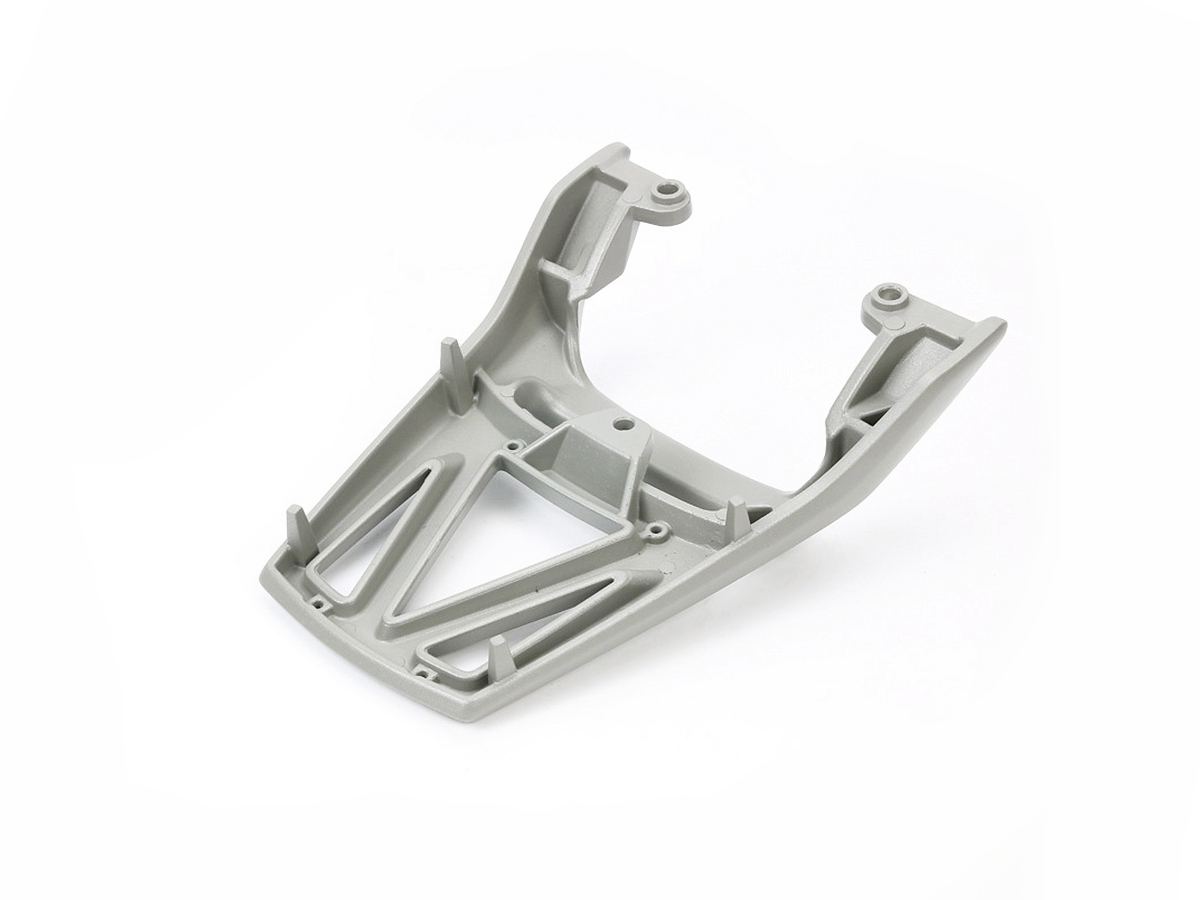
Inner frame or structural bracket | Aluminum die casting or zinc die casting | Thin wall, mounting datum, thread boss, porosity risk | First article inspection and machining report |
Reinforcement plate or shield | Sheet metal stamping | Flatness, burrs, hole position, coating, bend or forming features | Hole position report and finish inspection |
When Should Engineering Plastics Be Used For Lock Housings?
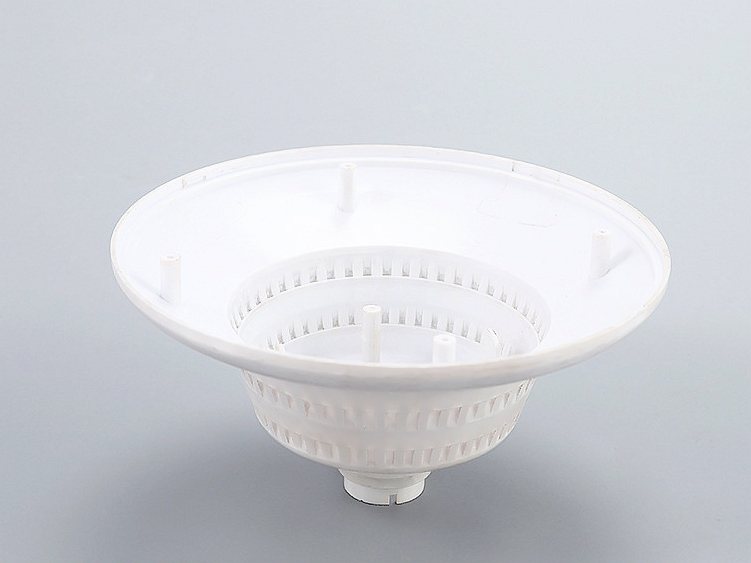
Engineering plastics should be reviewed when a lock component needs low weight, molded geometry, insulation, color control, and integrated assembly features. Plastic injection molding can support ribs, snap fits, screw bosses, switch openings, battery covers, and cosmetic surfaces. The buyer should specify whether the plastic part is an exterior housing, an internal carrier, a sealing cover, or a protective shell.
Material choice should be tied to the risk. ABS may be reviewed for general housings, ABS-PC for balanced strength and appearance, polycarbonate PC for impact-related covers, and nylon PA for mechanical features where wear and toughness matter. Buyers can also reference engineering plastic injection molded parts when comparing lightweight lock material options.
When Do Aluminum And Zinc Die Casting Fit Lock Systems?
Aluminum die casting should be reviewed when a lock component needs a lightweight metal frame, heat path, bracket, or housing with more stiffness than a plastic part can provide. Zinc die casting should be reviewed when the lock part needs thin-wall detail, compact geometry, surface finish, and dimensional repeatability in a metal component. The RFQ should state whether the die-cast part is structural, cosmetic, anti-pry, or a carrier for other mechanisms.
Material comparison should be explicit. Buyers can compare A380 aluminum die casting, ADC12 aluminum die casting, Zamak 3 zinc die casting, and Zamak 5 zinc die casting when evaluating weight, wall thickness, machining, surface treatment, and locking function. Useful background includes zinc die casting versus aluminum die casting and aluminum die casting alloy selection.
How Should Overmolding And Stamping Support Lightweight Locks?
Overmolding should be used when the lock component needs a soft grip, sealed contact zone, anti-slip surface, or tactile button area without adding separate assembled parts. The RFQ should define the rigid substrate, soft material, bonding area, texture, parting line, and exposure to sweat, oil, UV, or outdoor conditions. TPE or TPV and TPU may be reviewed for flexible surfaces depending on wear and feel requirements.
Sheet metal stamping should be considered when a thin metal reinforcement can solve a local strength or anti-pry problem without making the full housing heavier. Stamped plates, shields, springs, brackets, and latch supports need material grade, thickness, hole position, burr control, and coating requirements. Buyers can use sheet metal stamping process basics and sheet metal fabrication process integration to frame hybrid lock designs.
Which Surface Treatments Matter For Lightweight Lock Parts?
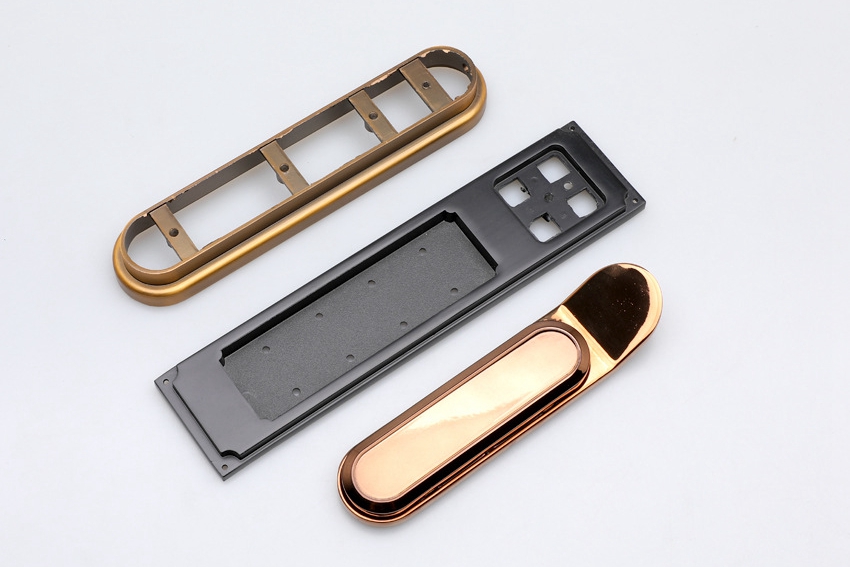
Surface treatment should match the lock environment and material. Plastic housings may need molded texture, paint, in-mold decoration, or color control. Aluminum die castings may need machining, anodizing-compatible design review, powder coating, painting, or deburring. Zinc die castings may need plating, painting, powder coating, or polishing depending on exposure and appearance. Stamped metal parts may need coating and edge conditioning.
The RFQ should identify cosmetic surfaces and functional surfaces separately. Cosmetic surfaces affect color, scratches, texture, and visible parting lines. Functional surfaces affect latch movement, sealing, anti-pry contact, and assembly fit. Buyers can review anodized aluminum surface treatment, powder coating for metal parts, and in-mold decoration for plastic parts when specifying surface requirements.
RFQ Decision | Manufacturing Entity To Specify | Buyer Risk Reduced |
|---|---|---|
Plastic versus metal housing | ABS-PC, PC, nylon PA, A380, ADC12, Zamak 3, Zamak 5 | Weight, stiffness, anti-pry behavior, and appearance trade-off |
Hybrid lightweight structure | Molded housing, stamped reinforcement, die-cast frame | Local strength without unnecessary full-part weight |
Grip or sealed contact area | Overmolded TPE, TPV, or TPU on rigid substrate | Handling comfort, sealing, and assembly reduction |
Production inspection scope | Dimensional report, surface inspection, material record, fit check | Prototype review and production consistency |
What Inspection Evidence Should Support Lightweight Lock Components?
Inspection evidence should focus on the features that control lock function. Dimensional inspection can support latch pockets, screw bosses, mounting holes, battery interfaces, die-cast datums, and stamped hole positions. Surface inspection can support coating, plating, molded texture, scratches, flash, burrs, and overmold bond areas. Material records can support engineering plastic, aluminum alloy, zinc alloy, and stamped metal selection.
The RFQ should state whether inspection is needed for prototype samples, first article review, pilot production, or recurring production. If the buyer will perform anti-pry, drop, wear, corrosion, or functional cycle testing, the RFQ should state which supplier process records and inspection reports are needed to support that validation.
What Should Buyers Include In A Lightweight Lock Component RFQ?
A complete RFQ should include CAD files, 2D drawings, part function, lock type, mating parts, target process, material candidates, weight target if defined by the buyer, wall thickness, ribs, screw bosses, anti-pry surfaces, grip zones, sealing features, surface treatment, production stage, and inspection report requirements. For plastic parts, buyers should identify gate-sensitive surfaces, draft limits, texture zones, and functional datums. For die cast parts, buyers should identify alloy, machining stock, critical datums, porosity-sensitive areas, and coating. For stamped parts, buyers should identify thickness, burr direction, hole position, flatness, and finish.
Important buyer decisions should be stated directly. If the buyer is comparing engineering plastic with aluminum die casting or zinc die casting, the RFQ should show which features carry load and which features are cosmetic. If the buyer is adding a stamped reinforcement, the RFQ should identify the local strength problem. If the buyer needs a prototype, the RFQ should state whether the prototype is for fit, anti-pry evaluation, surface review, or production route confirmation.
Related FAQs
What lightweight materials offer strong anti-prying and impact resistance?
Which surface treatments protect outdoor locks without adding much weight?
Can engineering plastics be used in high-security locks, and what limits exist?
How should locks balance weight reduction with strength and durability?
Which precision factors are most vital to prevent technical lock manipulation?
How should consistency be controlled across large lock part production runs?
For smart lock transmissions, are metal or engineering plastics more reliable?