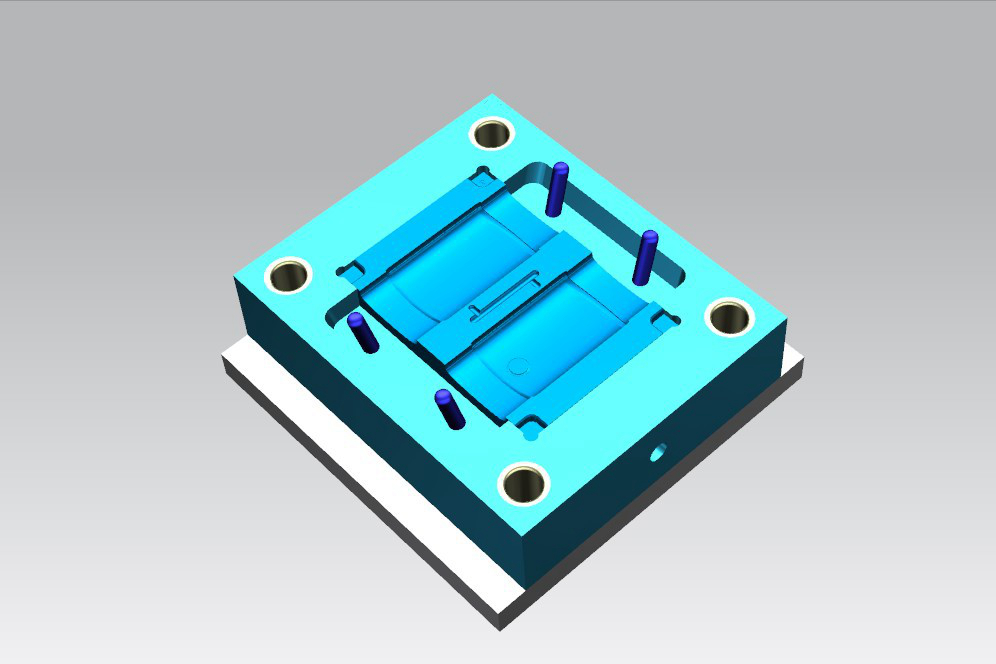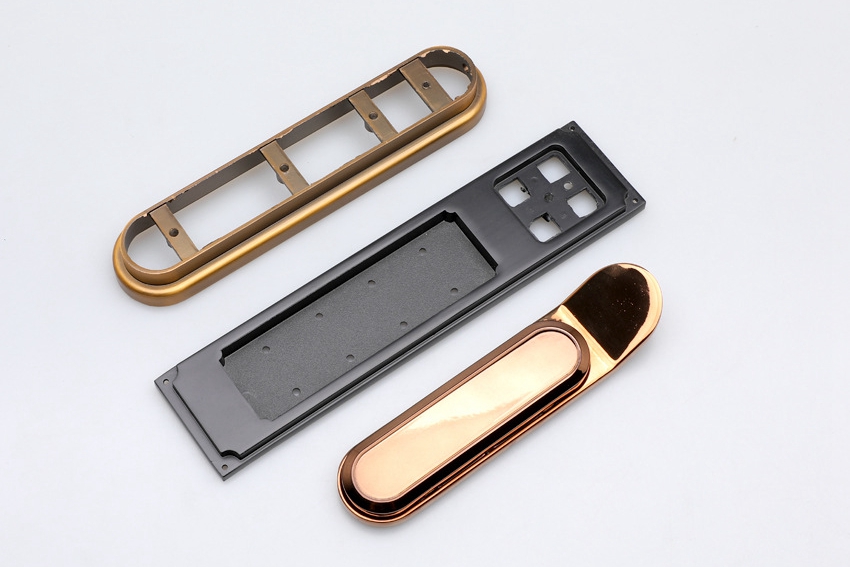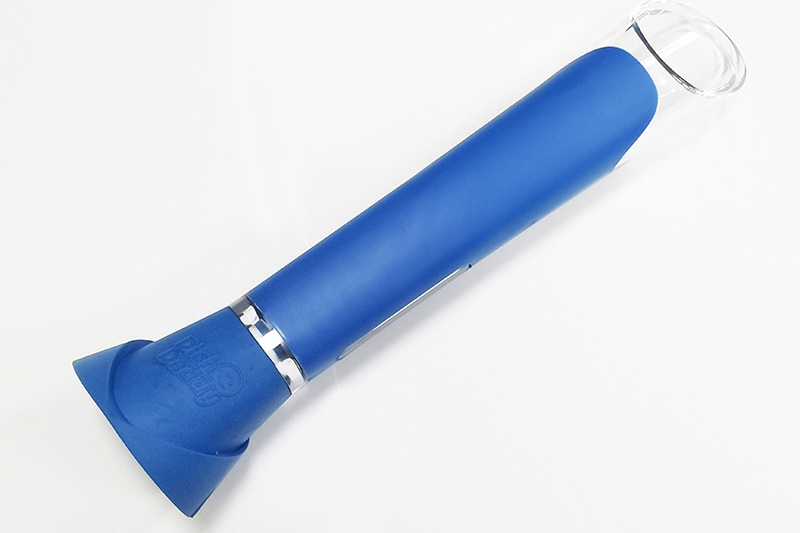
What Are Engineering Plastics And Applications of Engineering Plastic Injection Molded Parts?
Engineering Plastic Injection Molding RFQ Decision for Custom Molded Parts: Engineering plastics are thermoplastic material families used when custom injection molded parts need better mechanical, thermal, dimensional, electrical, chemical, or wear performance than commodity plastics can provide. This article explains common engineering plastics, injection molding design risks, molded part applications, and the RFQ information buyers should confirm before choosing ABS, PC, PA, POM, PEEK, PET, PS, PSU, or related materials.
The practical RFQ problem is material fit. A plastic housing, gear, clip, connector, pump component, enclosure, bracket, or precision insert may fail if the material does not match heat, load, moisture, friction, flame rating, chemical exposure, cosmetic finish, or dimensional requirements. Buyers should provide material preference, operating environment, critical dimensions, surface finish, color, texture, annual demand, and inspection criteria before mold review.
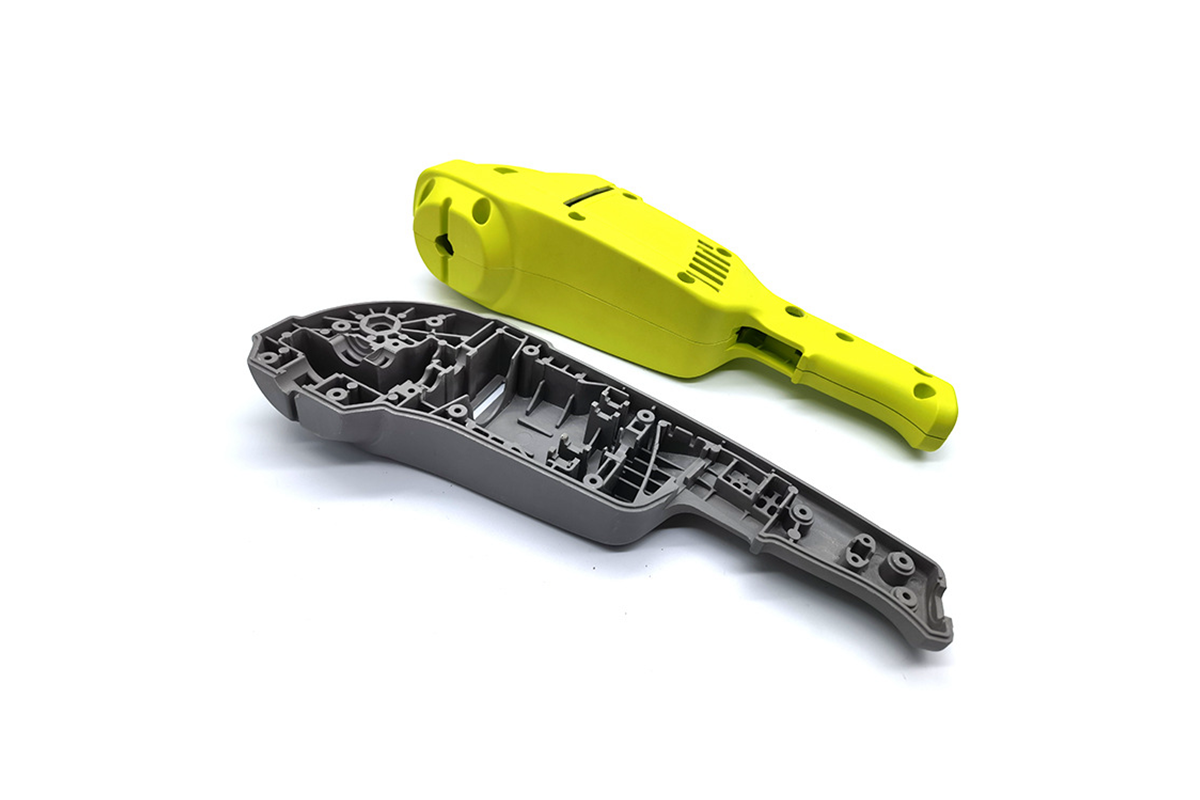
What Engineering Plastics Mean in Injection Molded Parts
Engineering plastics are selected for functional performance rather than low-cost appearance alone. Compared with commodity plastics, engineering plastics are often reviewed for higher stiffness, improved heat resistance, dimensional stability, wear behavior, impact strength, chemical resistance, electrical properties, or flame-retardant grades. The right choice depends on the drawing and the application environment.
Material names alone are not enough for quotation. A buyer should identify the exact grade, filler, color, flame rating, food-contact or regulatory requirement if applicable, UV exposure, moisture exposure, surface finish, and functional test method. Glass fiber, mineral filler, flame retardant, lubricant additive, and color masterbatch can all change molding behavior and part performance.
Common Engineering Plastic Families Buyers Compare
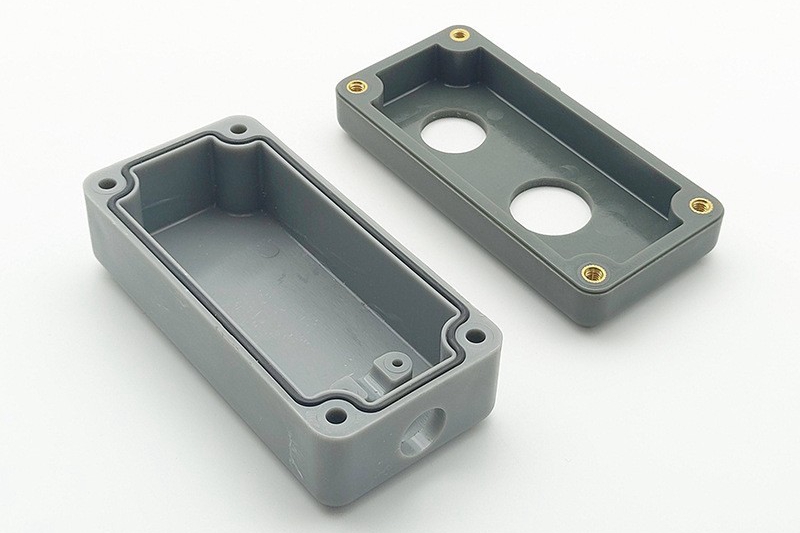
Several engineering plastic families are common in injection molded parts. The table below shows typical buyer reasons for review. Final grade selection should be confirmed against the material datasheet, molding feasibility, drawing requirements, and buyer acceptance criteria.
Engineering Plastic | Typical Buyer Reason for Review | Molding Risk to Check | RFQ Detail to Confirm |
|---|---|---|---|
General housings, covers, brackets, and cosmetic molded parts. | Sink marks, weld lines, texture consistency, and impact requirement. | Color, texture, cosmetic side, flame rating, and assembly load. | |
Transparent or impact-resistant covers and structural plastic parts. | Stress cracking, optical surface defects, gate marks, and drying control. | Transparency, coating, impact requirement, and chemical exposure. | |
Gears, clips, wear parts, and parts needing toughness or fatigue resistance. | Moisture absorption, warpage, shrinkage, and dimensional change. | Conditioning requirement, filler content, operating humidity, and fit tolerance. | |
Sliding parts, gears, pump parts, and low-friction mechanical components. | Shrinkage, gate design, dimensional control, and chemical compatibility. | Wear condition, mating material, critical dimensions, and surface finish. | |
High-performance parts where heat, chemical resistance, or mechanical stability matters. | Processing temperature, mold temperature, material cost, and crystallinity control. | Operating temperature, qualification requirement, machining allowance, and inspection method. | |
Engineering housings and components needing heat and dimensional stability. | Drying, molding temperature, stress, and cosmetic quality. | Thermal exposure, color, surface standard, and assembly condition. |
How Injection Molding Converts Engineering Plastics Into Functional Parts
Plastic injection molding melts or plasticizes resin, injects the material into a mold cavity, packs the part to compensate for shrinkage, cools the part, and ejects the molded component. For engineering plastics, the process window is often tighter than for commodity plastics because drying, melt temperature, mold temperature, gate design, cooling balance, and fiber orientation can strongly affect the final part.
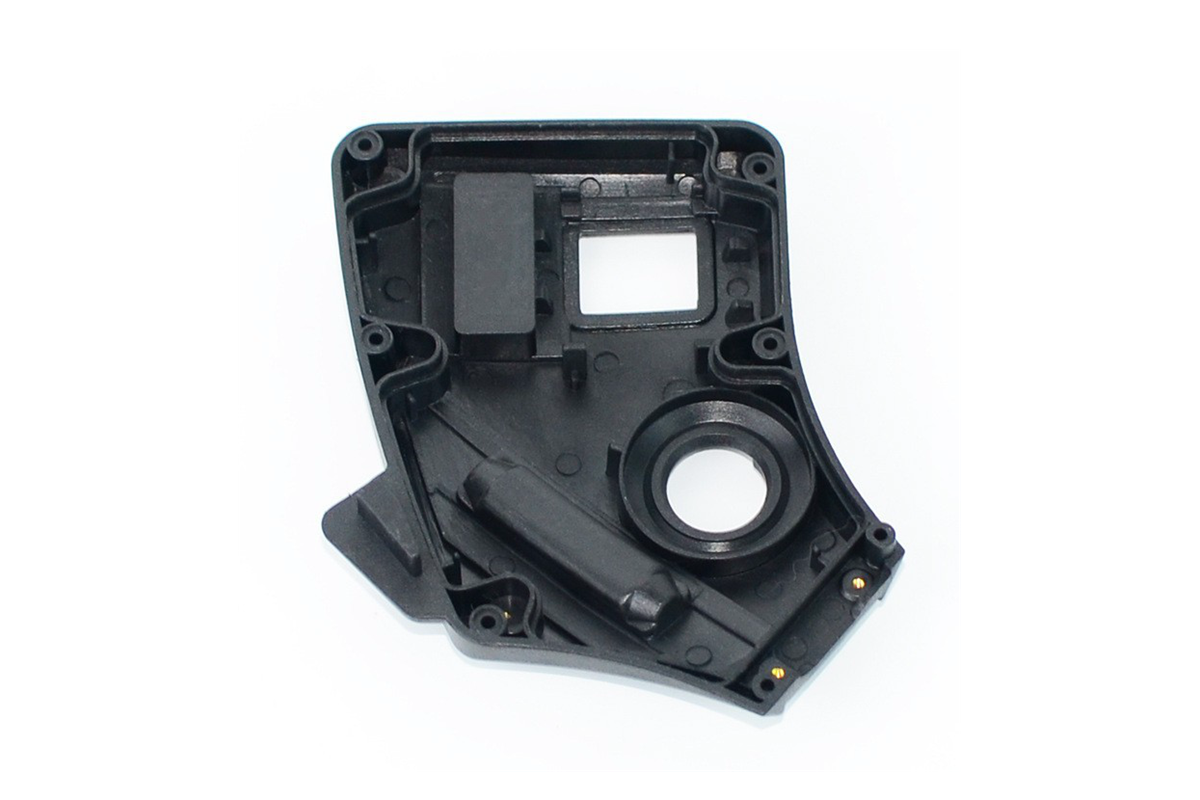
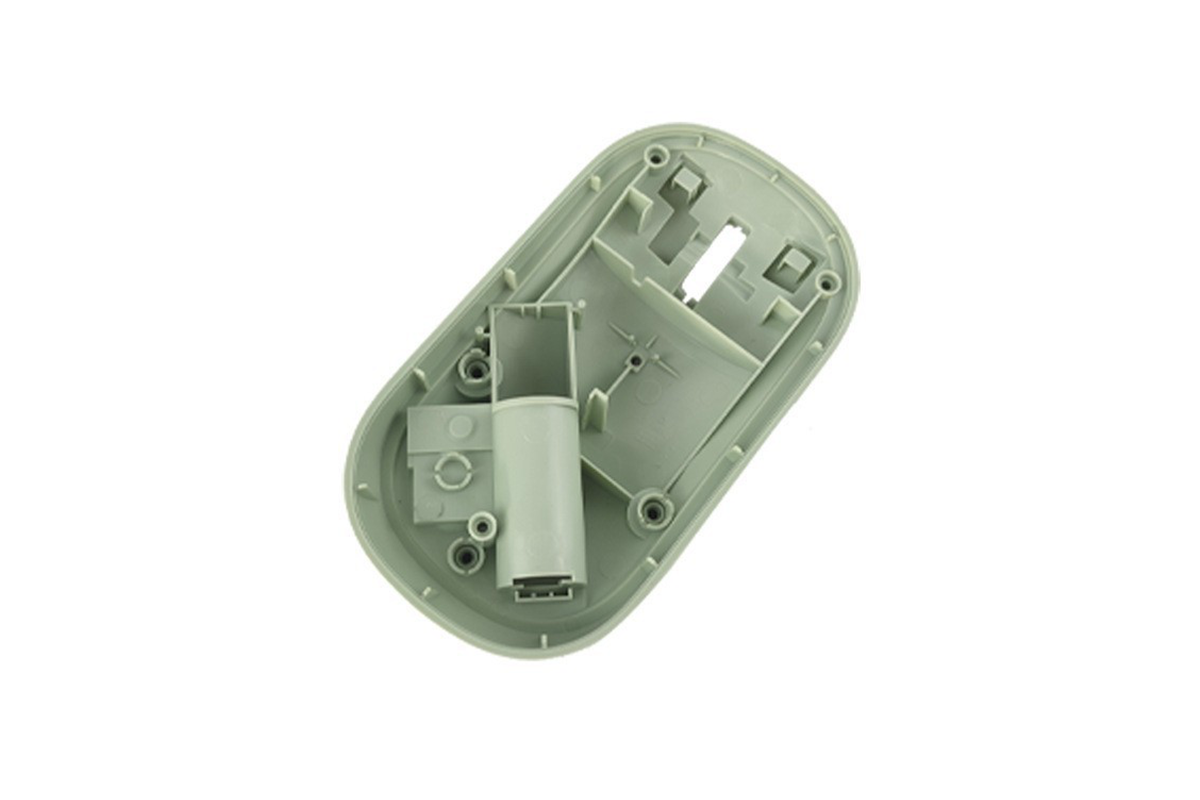
Engineering plastic parts should be reviewed for wall thickness, rib design, boss design, snap fits, threads, inserts, weld lines, gate location, ejector marks, sink marks, warpage, and surface texture. If the part needs metal inserts, sealing surfaces, EMI shielding, flame-retardant grades, or tight fit with another component, those requirements should be included before mold design.
Engineering Plastic Applications Should Be Validated by Function
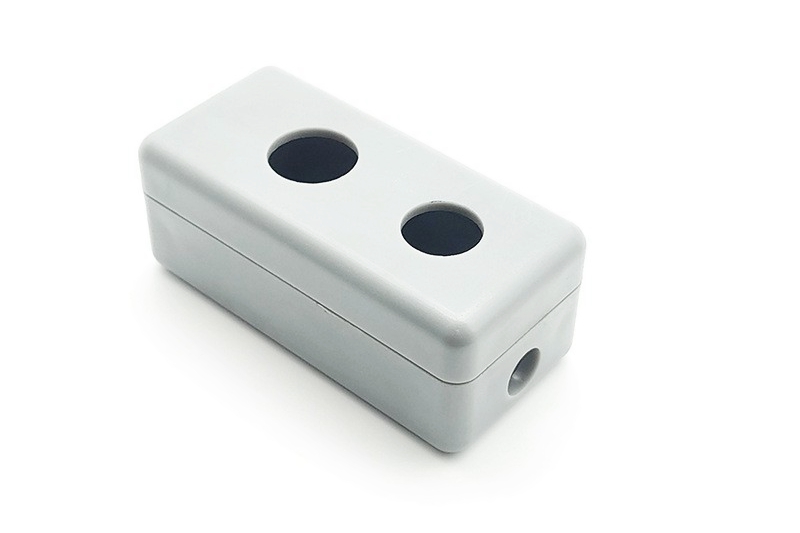
Engineering plastics may be reviewed for automotive-style brackets, electrical enclosures, telecom housings, pump and valve components, gears, clips, cable management parts, instrument housings, and regulated product components when buyer specifications and acceptance criteria are defined. The part function should decide the material, not the industry label.
For transport or mechanical assemblies, the RFQ may focus on temperature, vibration, impact, screw boss strength, and chemical exposure. For electronic or telecom enclosures, the RFQ may focus on EMI shielding, flame rating, dimensional stability, and cosmetic finish. For regulated products, the buyer must define qualification requirements, traceability, biocompatibility or sterilization requirements if applicable, and final validation criteria.
Common Engineering Plastic Injection Molding Risks
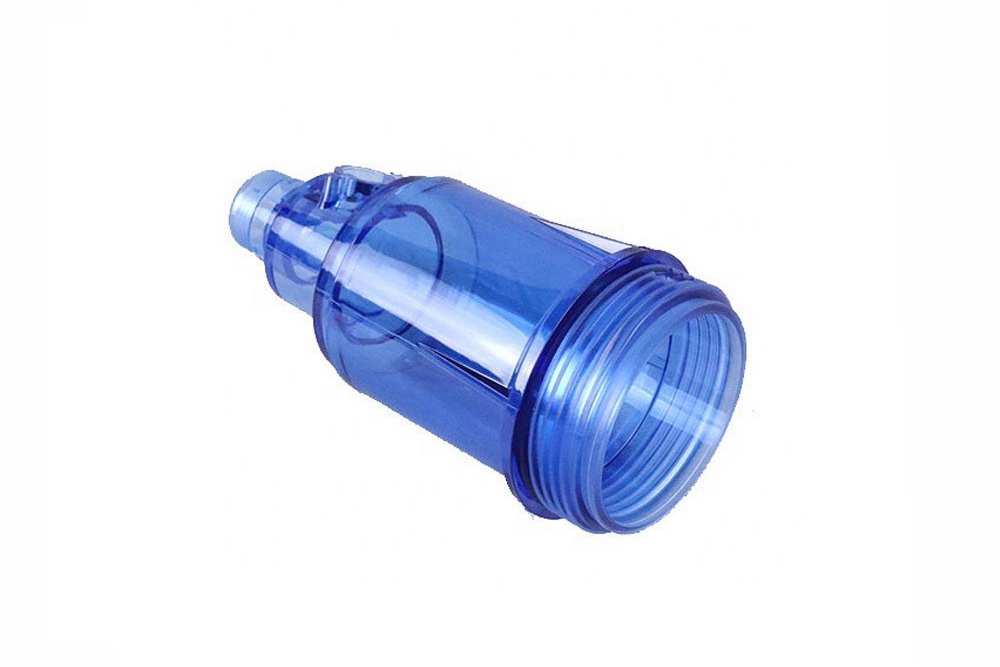
Engineering plastic molding risks include sink marks, voids, short shots, flash, weld lines, burn marks, warpage, fiber exposure, stress cracking, moisture-related defects, and dimensional drift after conditioning. Some defects come from part design, while others come from material drying, mold temperature, gate location, cooling balance, or process control.
Buyers can reduce risk by providing functional requirements early. If a part has snap fits, thin walls, living hinge-like flexing, transparent surfaces, threaded inserts, ribs, bosses, or sealing features, those areas should be reviewed before mold release. For filled materials, fiber orientation and anisotropic shrinkage should be considered during gate and wall design.
RFQ and Inspection Evidence for Engineering Plastic Molded Parts
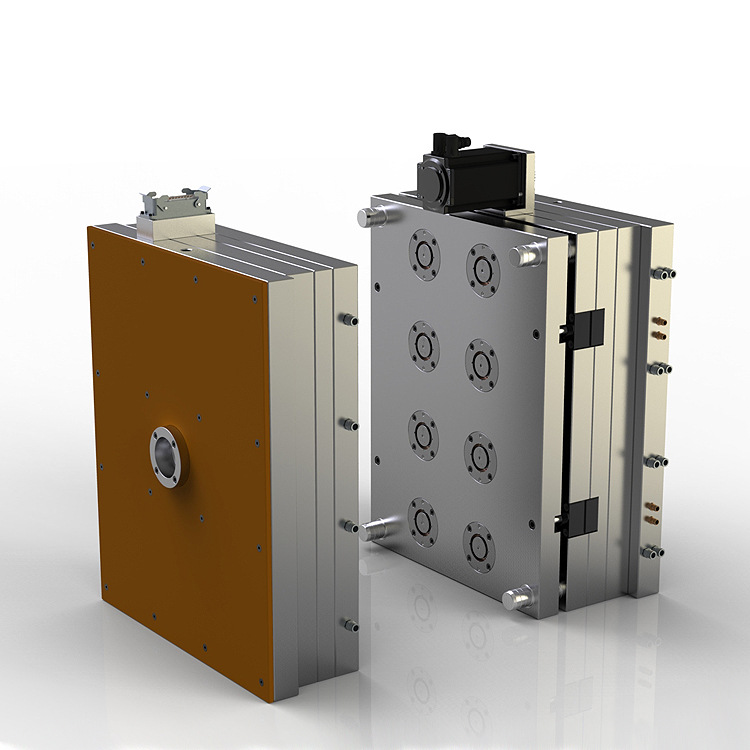
A complete RFQ should include the drawing, 3D model, resin grade, filler or flame-retardant requirement, color, texture, annual demand, prototype stage, critical dimensions, cosmetic surfaces, gate restrictions, insert requirements, surface finish, packaging, and inspection records. If the buyer has a material datasheet, UL file, food-contact requirement, sterilization requirement, or customer specification, that document should be shared before quotation.
Inspection evidence may include first article inspection, dimensional report, material certificate if required, color check, visual standard, surface texture review, assembly fit check, insert pull-out or torque test if specified, flame rating documentation if required by the buyer, and functional testing defined by the acceptance criteria.
What Neway Precision Reviews Before Engineering Plastic Injection Molding
Neway Precision reviews engineering plastic parts by matching resin grade, mold design, gate position, wall thickness, cooling, shrinkage, secondary operations, finishing, and inspection plan. If the design is still changing, prototype machining, 3D printing, or rapid molding may be reviewed before production tooling. When the design is stable, the injection molding route can be reviewed for tool construction, production repeatability, and acceptance evidence.
Related FAQs