Aluminum Die Casting Alloys: A356, A380, ADC12, 360, and B390 Selection Guide
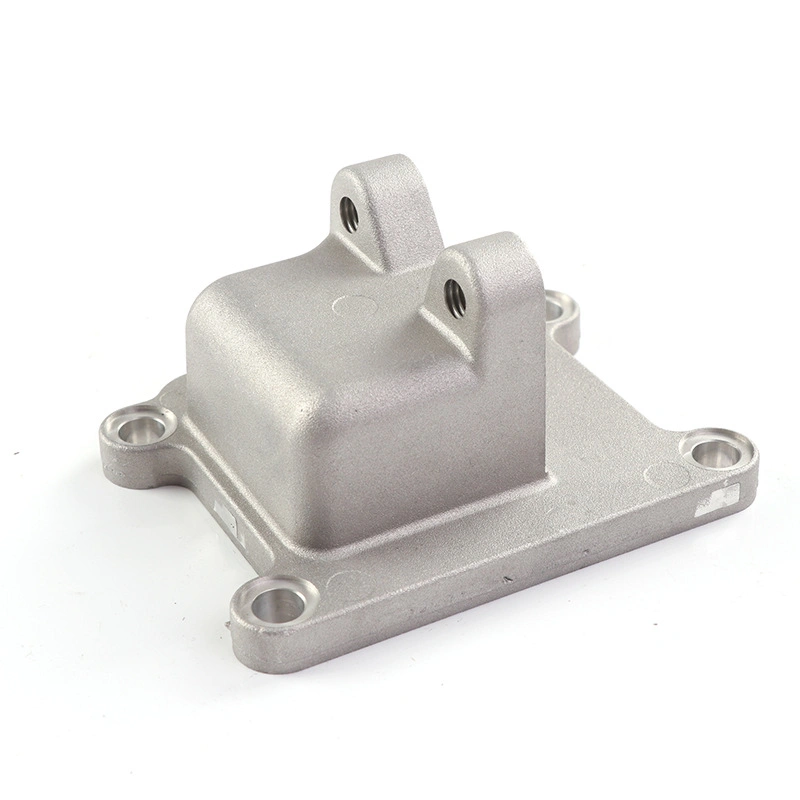
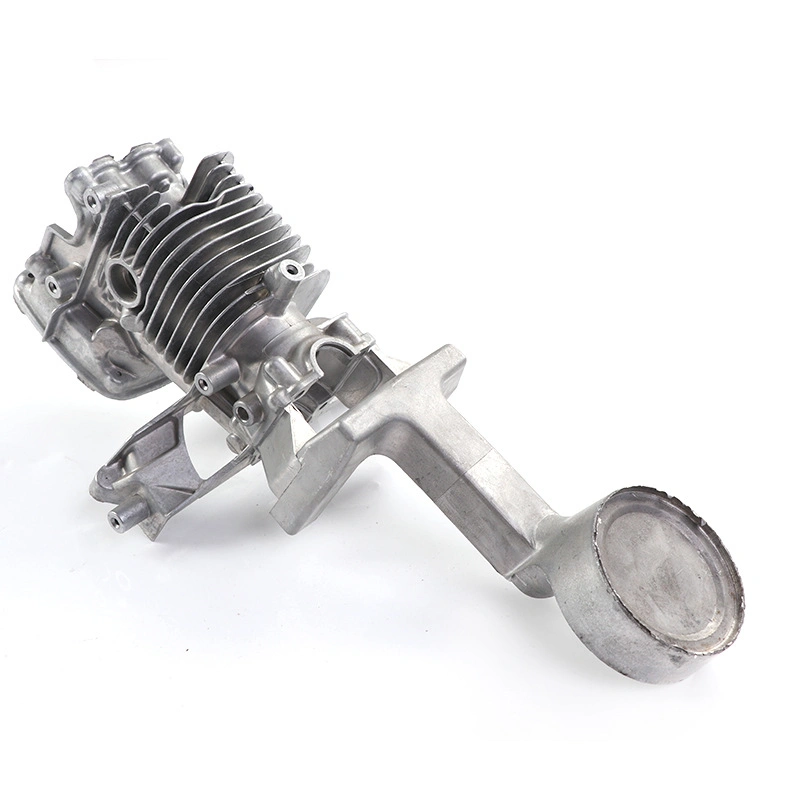
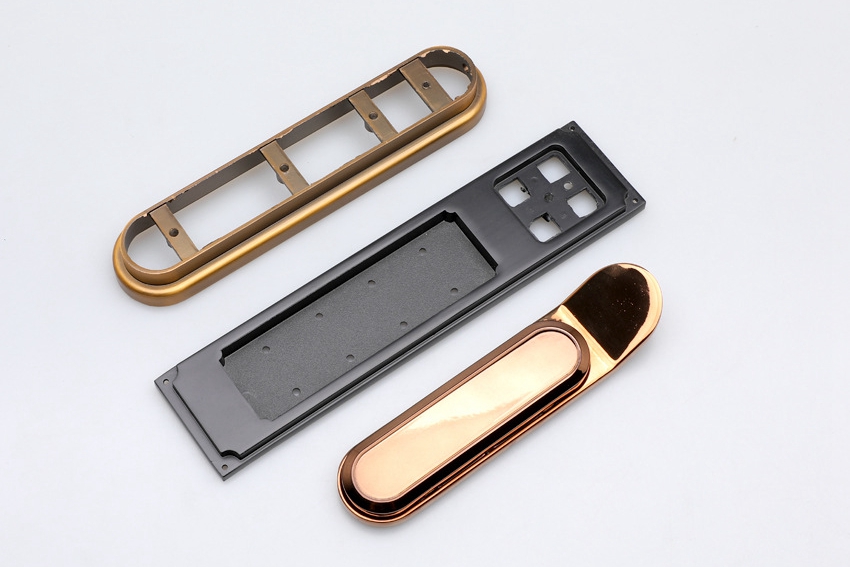
Aluminum Die Casting Alloy Selection RFQ Decision: This article compares aluminum die casting alloys and related aluminum casting materials, including A356, A380, ADC12, 360, and B390, for buyers reviewing cast aluminum parts made through alloy selection, DFM review, die tooling, aluminum casting, trimming, CNC post-machining, surface finishing, and inspection. The part types include housings, covers, brackets, heat-transfer parts, motor components, electronic enclosures, lighting frames, and structural supports. The practical RFQ problem is choosing an aluminum alloy that fits castability, strength, corrosion exposure, machinability, surface finish, thermal behavior, defect risk, and application requirements before quotation.
Aluminum alloy selection should be treated as a manufacturing decision, not only a material line on a drawing. A380, ADC12, 360, B390, and A356 do not behave the same during casting, machining, finishing, or inspection. Buyers should define the part function, target application, surface finish, machined features, thermal requirement, corrosion exposure, and inspection method before asking a supplier to quote aluminum die casting parts.
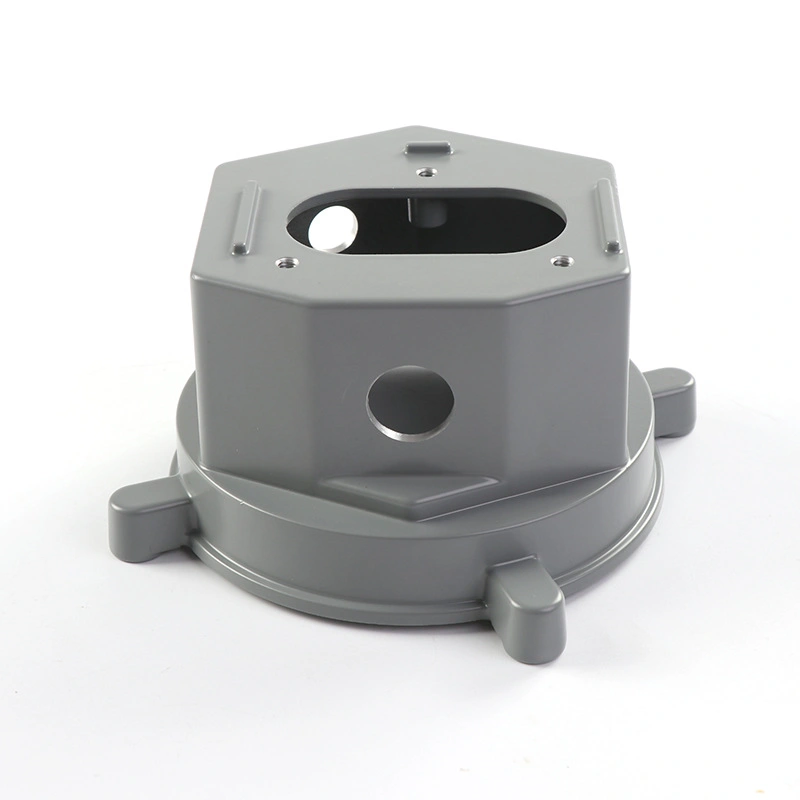
Why Does Aluminum Alloy Selection Matter In Die Casting?
Aluminum alloy selection matters because the alloy affects how the casting fills the die, how the part machines, how the surface can be finished, and how the final component performs in the assembly. A buyer choosing an aluminum die casting alloy should consider castability, strength requirement, corrosion exposure, wear behavior, thermal function, dimensional control, and cosmetic expectations.
The RFQ implication is direct. If the drawing names a fixed alloy, the supplier must review the part around that alloy. If the drawing allows supplier recommendation, the buyer should describe the functional requirement clearly enough for alloy review. A housing with cosmetic coating, a heat-transfer lighting part, and a wear-sensitive component may need different alloy discussions even when the parts are all cast aluminum.
When Should Buyers Consider A380 Aluminum Die Casting?
A380 aluminum die casting is often reviewed for general aluminum die cast parts that need a balance of castability, strength, machining response, and cost control. Typical part types include housings, brackets, covers, frames, electronic enclosures, and structural supports where the drawing does not require a more specialized aluminum alloy.
Buyers should still define the actual requirement instead of selecting A380 by habit. The RFQ should state the part function, wall thickness concerns, surface finish, critical dimensions, machined datums, threaded holes, and inspection method. This information helps the supplier confirm whether A380 aluminum die casting fits the production route.
When Is ADC12 Or 383 Aluminum Die Casting A Practical Choice?
ADC12 and 383 aluminum die casting are often reviewed when buyers need cast aluminum parts with complex geometry, stable production behavior, and common die casting material availability. These alloys may be discussed for automotive housings, lighting components, electronic enclosures, brackets, covers, and general OEM aluminum die cast parts.
The buyer should compare the drawing requirement against regional material standards and customer approval rules. If the customer drawing calls out ADC12, 383, or an equivalent material, the RFQ should state whether substitution is allowed. If no substitution is allowed, the supplier review should focus on DFM, casting risk, machining allowance, surface finish, and inspection rather than changing the material. A dedicated 383 ADC12 aluminum die casting material page can support that discussion.
How Should A356 Aluminum Casting Be Reviewed?
A356 aluminum casting should be reviewed carefully because the buyer may be comparing different casting routes, not only high-pressure die casting. A356 is commonly discussed for cast aluminum parts where strength, heat treatment review, or casting-route selection matters, but the buyer should confirm whether the intended process, tooling, inspection, and finish match the project requirement.
The RFQ should state whether the buyer is requesting an A356 aluminum casting route, an aluminum die casting route, or a comparison between the two. This distinction matters for tooling, cycle behavior, porosity review, machining allowance, dimensional control, and sample validation. When a drawing calls out A356 aluminum casting, the supplier should review both material and process assumptions before quotation.
Aluminum Alloy Or Material | Common Buyer Reason For Review | Part Types To Evaluate | RFQ Detail To Confirm |
|---|---|---|---|
A380 aluminum die casting | Balanced castability, strength, machining, and general production use | Housings, brackets, covers, frames, and electronic enclosures | Critical dimensions, machined features, finish, and inspection method |
ADC12 or 383 aluminum die casting | Complex cast geometry and common die casting material availability | Automotive parts, lighting parts, brackets, covers, and OEM housings | Customer material standard, substitution rule, and surface requirement |
A356 aluminum casting | Strength, heat treatment review, or casting-route comparison | Structural castings, housings, supports, and parts with route-specific requirements | Required casting process, heat treatment assumption, and validation plan |
360 aluminum die casting | Corrosion exposure and application-specific aluminum alloy review | Outdoor housings, covers, and parts exposed to harsher environments | Corrosion requirement, coating plan, machining needs, and inspection criteria |
B390 aluminum die casting | Wear-related or specialized performance requirements | Components with sliding, wear, or application-specific durability concerns | Wear surfaces, machining strategy, functional testing, and buyer approval rule |
When Do 360 And B390 Aluminum Die Casting Alloys Fit Specific Needs?
360 aluminum die casting may be reviewed when corrosion exposure or application environment is more important than a general-purpose alloy discussion. Buyers should provide environmental conditions, coating expectations, machined surfaces, and assembly interfaces so the supplier can assess whether 360 aluminum die casting fits the project.
B390 aluminum die casting may be reviewed when wear behavior, sliding contact, or a specialized functional requirement affects the part. Buyers should identify wear surfaces, machining allowances, mating materials, inspection method, and any buyer-side validation requirement. Because B390 can affect machining and finishing decisions, the RFQ should not treat B390 aluminum die casting as interchangeable with general housing alloys.
How Do Alloy Choices Affect CNC Machining And Surface Finishing?
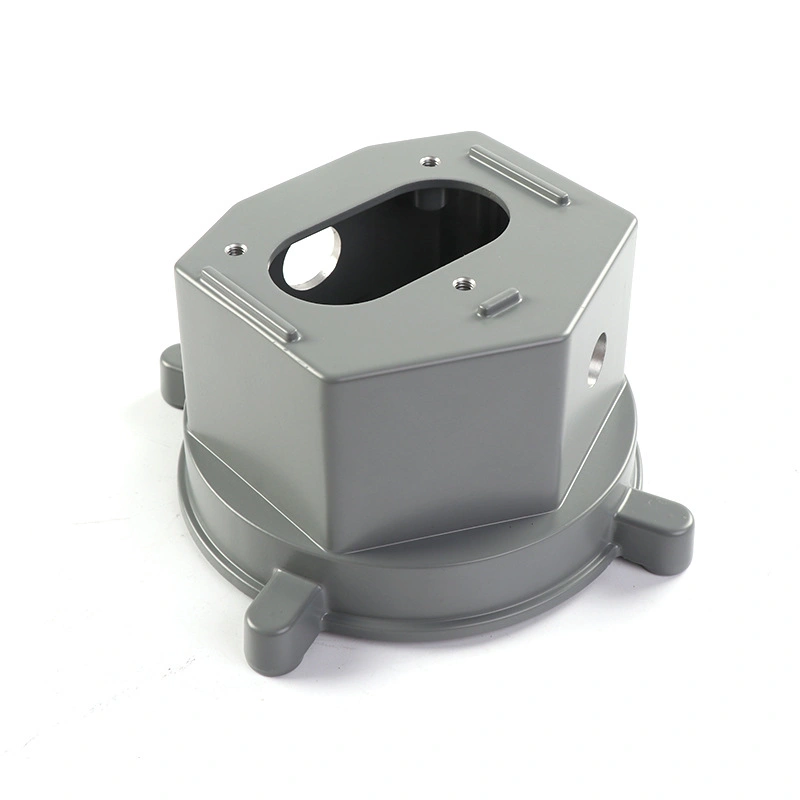
Alloy choice affects CNC machining, deburring, tapping, sealing faces, cosmetic finishing, and coating review. Some aluminum die cast parts need only light machining after trimming. Other cast aluminum parts require machined bores, flat datum pads, threaded holes, gasket faces, connector windows, or bearing locations. The alloy and casting condition can influence tool wear, edge quality, surface finish, and inspection repeatability.
Surface finishing should be selected after the alloy and casting route are clear. Deburring, blasting, powder coating, painting, chemical conversion coating, polishing, and anodizing review do not behave the same on every cast aluminum alloy. Buyers should define visible faces, masked surfaces, color requirement, corrosion exposure, and cosmetic acceptance criteria so the supplier can connect alloy selection to finishing and inspection.
What RFQ Data Helps Suppliers Recommend Aluminum Casting Alloys?
Suppliers can recommend aluminum casting alloys more accurately when buyers provide the part function, application environment, 3D model, 2D drawing, required standard, annual demand, thermal requirement, corrosion exposure, machined features, surface finish, inspection method, and sample validation needs. If the buyer is comparing A380, ADC12, A356, 360, and B390, the RFQ should explain why each option is being considered.
The buyer should separate fixed requirements from open questions. Fixed requirements may include a customer-specified alloy, a required coating, a critical machined datum, or a functional test. Open questions may include alloy recommendation, process route, finishing option, or machining strategy. This separation helps the supplier quote the complete route from DFM review through tooling, casting, trimming, CNC post-machining, surface finishing, and inspection.
Buyer Question | Manufacturing Entity To Define | Why It Affects Alloy Selection | Recommended RFQ Input |
|---|---|---|---|
Is the alloy fixed by the drawing? | A356, A380, ADC12, 360, B390, or equivalent material callout | Fixed alloy requirements limit substitution and guide process review | Drawing standard, revision, and substitution allowance |
Which features are machined? | Threads, bores, sealing faces, datums, and mounting pads | Machining response depends on alloy, casting condition, and fixture plan | Machining drawing, datum scheme, and critical dimensions |
Which surfaces are finished? | Coated faces, cosmetic areas, masked zones, and corrosion-exposed surfaces | Finish quality depends on alloy, porosity risk, surface condition, and handling | Finish specification, color, visual criteria, and masking notes |
What defects must be controlled? | Porosity, shrinkage, cold shut, flow mark, flash, gate vestige, and machining exposure | Alloy and die design affect how defects are prevented or inspected | Critical zones, inspection method, and acceptance criteria |
The right aluminum die casting alloy is the one that matches the part function, process route, machining plan, finish requirement, and inspection criteria. Buyers should not choose A380, ADC12, A356, 360, or B390 from a name alone. A useful quotation starts with application requirements and then connects those requirements to castability, tooling risk, machining, finishing, and final validation.
Related FAQs
What materials are commonly used in aluminum die casting services?
Which aluminum alloys are commonly used for die casting parts?
How should buyers choose between A380 and ADC12 aluminum die casting?
What surface finishes are suitable for aluminum die casting parts?
What common defects and solutions should buyers review in aluminum die casting?