What are common aluminum alloys used in die casting?
Common aluminum alloys used in die casting include A380, 383 / ADC12, 360, A356, B390, and related aluminum-silicon alloy families. For die cast housings, brackets, covers, heat sinks, motor components, and electronic enclosures, the practical RFQ problem is selecting an aluminum alloy that matches castability, strength, corrosion resistance, pressure tightness, machinability, surface finish, thermal performance, and cost. Buyers should state the part function and inspection requirement before choosing an alloy for aluminum die casting.
What are common aluminum alloys used in die casting?
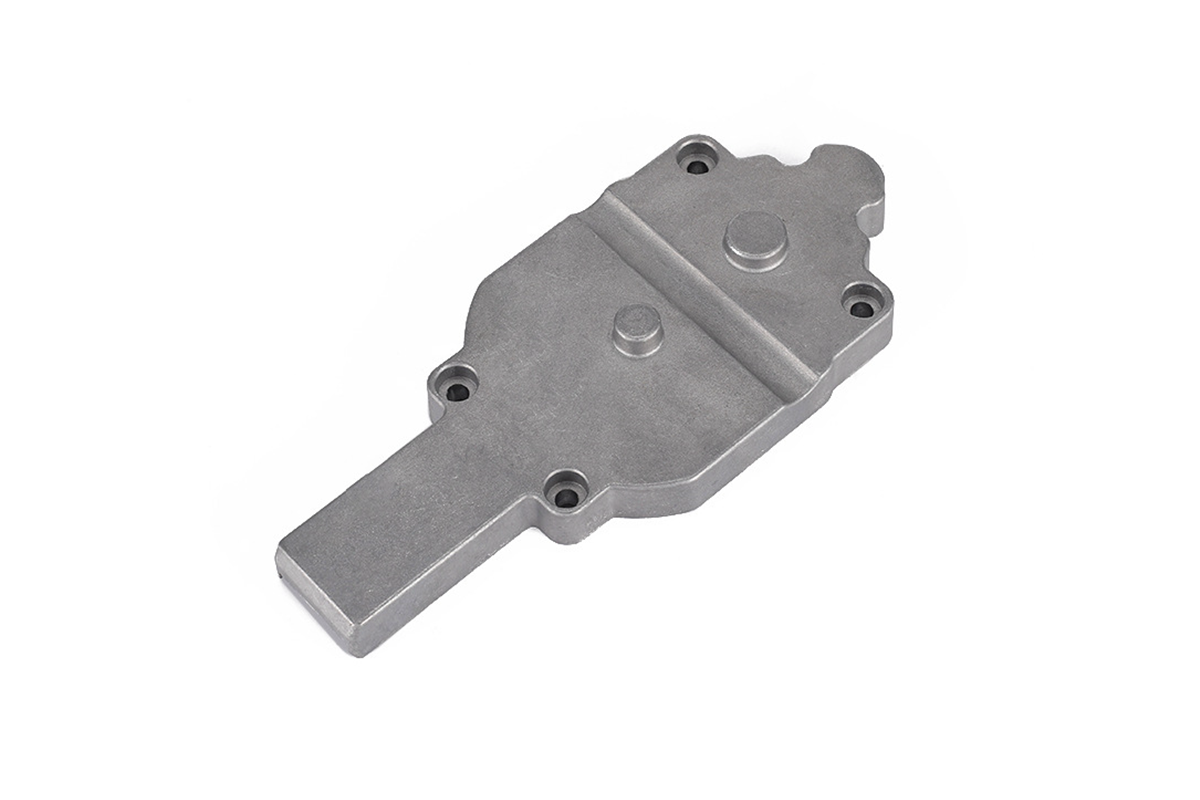
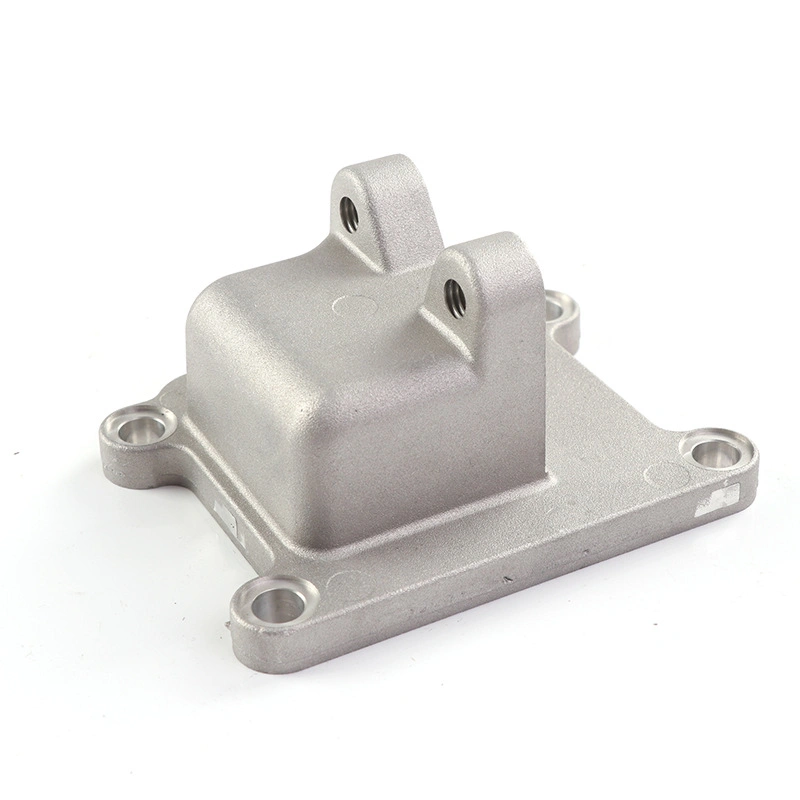
The common aluminum die casting alloys are A380, 383 / ADC12, 360, A356, and B390. These alloys are selected because they can fill die cavities, form complex metal parts, and support post-processing such as trimming, CNC machining, deburring, blasting, painting, powder coating, or selected anodizing routes.
No single alloy is best for every die cast part. A housing for consumer electronics may prioritize castability and surface finish. A heat sink may prioritize thermal performance. A sealed enclosure may prioritize pressure tightness and porosity control. A wear-related part may need a different alloy review.
Aluminum die casting alloy | Typical reason for selection | Buyer RFQ question |
|---|---|---|
A380 | General castability, strength balance, and broad die casting use | Does the part need a proven general-purpose die casting alloy? |
383 / ADC12 | Good die fill and common use for complex housings and covers | Is castability important for thin walls, ribs, or detailed geometry? |
360 | Often reviewed for corrosion resistance and pressure-tight applications | Does the part face outdoor, fluid, or sealing requirements? |
A356 | Useful in selected casting routes when strength or ductility is important | Is the part better suited to die casting, gravity casting, or another route? |
B390 | Often reviewed for wear-related or high-silicon aluminum parts | Does the part need wear resistance or sliding performance? |
When should buyers choose A380 or ADC12?
Buyers often consider A380 aluminum and 383 / ADC12 aluminum when the part needs a practical balance of castability, strength, machining, and cost. These alloys are common for housings, brackets, covers, motor parts, consumer electronics frames, and automotive components.
A380 is often used as a general-purpose die casting alloy. ADC12 and 383 are often reviewed when die fill and complex geometry are important. The final choice should depend on the drawing, wall thickness, rib design, cosmetic surfaces, machining, and any pressure-tight or corrosion requirement.
The RFQ should not simply say "aluminum." It should specify whether A380, ADC12, or an alternate alloy is preferred, and it should explain why that alloy is being considered.
When are 360, A356, or B390 relevant for die cast parts?
360 aluminum may be relevant when corrosion resistance, pressure tightness, or outdoor exposure is a stronger concern than standard general-purpose casting. Buyers should identify leak testing, sealing faces, coating, and the operating environment when considering 360.
A356 aluminum is often associated with casting applications where strength and ductility are important, but the exact manufacturing route should be reviewed. Some A356 applications may be better served by gravity casting, low-pressure casting, or another route instead of high-pressure die casting.
B390 aluminum may be considered when wear behavior or high-silicon alloy performance is relevant. The buyer should define sliding contact, wear surface, machining requirement, and heat exposure before selecting B390.
How do alloys affect machining, finishing, and defect risk?
Alloy selection affects machining, porosity risk, surface finish, coating compatibility, pressure tightness, corrosion resistance, and the likelihood of visible defects after finishing. A casting alloy that fills a cavity well may not be the best option for deep machining or decorative finishing.
Machined surfaces can expose internal porosity, so parts with sealing faces, threaded holes, precision bores, or deep CNC machining need early review. Finishing also matters. Painting, powder coating, conversion coating, polishing, and selected anodizing routes may require different alloy and surface-quality decisions.
Buyers should mark cosmetic surfaces, machined datums, pressure-tight zones, and coating requirements on the drawing. This lets the supplier review alloy choice and process controls before tool build.
How should buyers select an aluminum die casting alloy for RFQ?
Buyers should select an aluminum die casting alloy by starting with the part function. The RFQ should define load, thermal path, corrosion environment, pressure tightness, machining, cosmetic surfaces, coating, quantity, and inspection method. The supplier can then recommend A380, ADC12, 360, A356, B390, or another route.
RFQ requirement | Alloy selection effect | Manufacturing implication |
|---|---|---|
Complex thin-wall housing | Needs strong castability and stable die fill | Review A380, ADC12, gating, and venting |
Outdoor enclosure | Needs corrosion and finish review | Review alloy, coating, and sealing surfaces |
Heat dissipation part | Needs thermal path and contact surfaces | Review alloy, fin geometry, and CNC machining datums |
Pressure-tight part | Needs porosity control and leak-test planning | Review alloy, gate, venting, machining, and inspection |
Wear-related component | Needs sliding or abrasion performance review | Review B390 or alternate material route |
Related FAQs
How should buyers choose between A380 and ADC12 aluminum die casting?
What materials are commonly used in aluminum die casting services?
Which aluminum alloys are commonly used for die casting parts?
What are common defects and solutions in aluminum die casting?
What are the common surface treatments for aluminum die castings?
What information is needed for an aluminum die casting service quote?