Aluminum Die Casting Cost: Mold, Material, Quantity, and Finishing Factors
Aluminum Die Casting Cost RFQ Decision: This article explains how buyers can evaluate aluminum die casting cost for custom metal parts by separating mold design, tool steel, alloy choice, part weight, production quantity stage, cycle time, CNC machining, finishing, inspection, packaging, and delivery requirements. The part types include aluminum housings, brackets, covers, frames, heat-sink bodies, mounting bases, connector bodies, and lightweight structural parts. The practical RFQ problem is deciding which cost drivers must be included in the quote before the buyer compares suppliers and validates fit, surface condition, and production quality.
Aluminum die casting cost is not a single line item. Tooling, casting, trimming, machining, finishing, inspection, and packaging can all change the final quotation. Buyers should define the part function, production stage, alloy, geometry, surface zones, and inspection requirements so each supplier quotes the same manufacturing scope.
Which Mold And Tooling Factors Affect Cost?
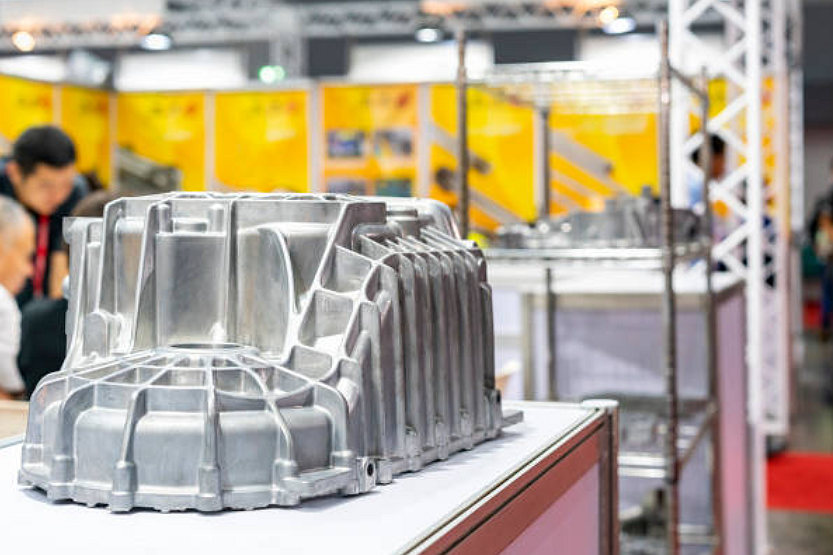
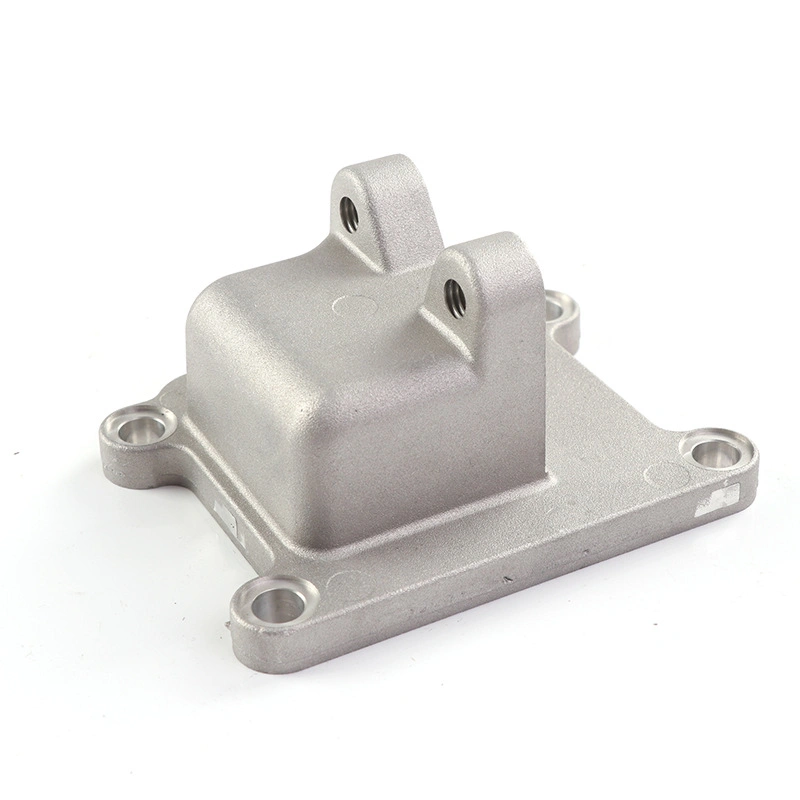
Mold cost is driven by part geometry, cavity strategy, tool steel, slider or lifter needs, parting line, gate location, cooling, ejector layout, and expected production stage. A simple cover, a thin-wall housing, and a complex frame with side holes can require different tooling strategies. Buyers should provide CAD and 2D drawings before asking suppliers to compare tooling cost.
The RFQ should identify cosmetic surfaces, functional datums, threaded areas, and features that cannot be moved for parting or ejection. Tooling review should also address how the mold supports filling, shrinkage control, and repeatable production. Buyers can reference aluminum die casting tooling and unit price factors and die casting cost guide when preparing a quote package.
How Do Alloy Choice And Part Weight Change The Quote?
Alloy choice affects material cost, casting behavior, machining, heat performance, corrosion exposure, and finishing. Part weight affects material use and cycle planning. A380, ADC12, A356, 360, and B390 can be considered for different aluminum die casting requirements, but the buyer should state the part function and material priority before requesting a price comparison.
Part weight should be reviewed together with wall thickness, ribs, bosses, machining stock, and functional surfaces. Reducing material in a non-critical area may help the quote, but removing material from a load path, sealing face, or heat path can create validation risk. Relevant material references include A380 aluminum die casting, ADC12 aluminum die casting, A356 aluminum die casting, and aluminum die casting alloy selection.
How Should Production Quantity And Cycle Time Be Discussed?
Production quantity affects how tooling cost, sampling, fixture planning, and recurring operations are evaluated. The RFQ should state whether the project is for prototype review, tooling approval, pilot production, or recurring production. Buyers should also state whether the same tool will support a single part or a part family.
Cycle time is influenced by part size, wall thickness, alloy behavior, cooling, trimming, machining, finishing, inspection, and packaging. Buyers do not need to estimate cycle time themselves, but buyers should provide enough geometry and production-stage information for the supplier to explain the cost logic.
Cost Driver | Buyer Detail To Provide | Why It Affects Quote | Evidence To Request |
|---|---|---|---|
Mold design | CAD, 2D drawing, parting constraints, cosmetic surfaces | Controls tooling complexity, sampling, and modification risk | DFM feedback and tooling review |
Alloy and part weight | A380, ADC12, A356, wall thickness, machining stock | Controls material use, casting behavior, and machining needs | Material record and weight review |
Secondary machining | Threads, bores, datums, sealing faces, mounting holes | Controls unit operations and inspection scope | CMM report and machining inspection |
Finishing and inspection | Powder coating, painting, deburring, CT, surface inspection | Controls release evidence and appearance requirements | Finish record and inspection report |
When Do CNC Machining And Surface Finishing Add Cost?
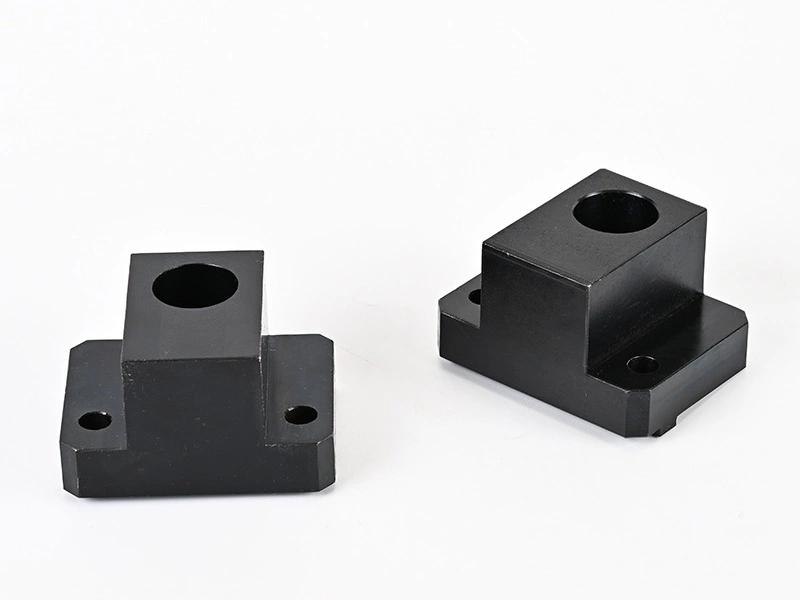
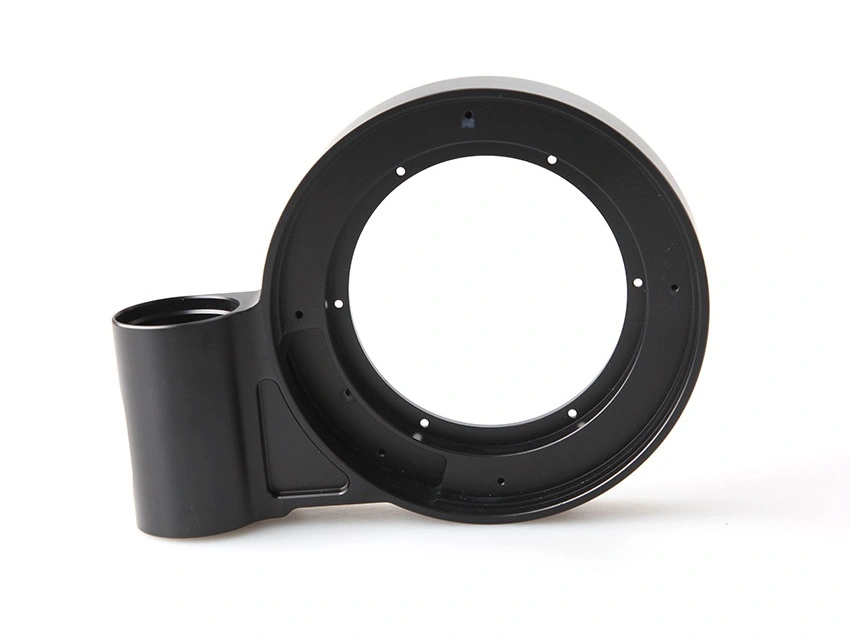
CNC machining adds cost when cast features must meet fit, thread, bore, sealing, or datum requirements after casting. The RFQ should mark machined surfaces instead of assuming the casting quote includes all tight features. Threads, mounting faces, bearing surfaces, gasket faces, and connector interfaces often need separate machining and inspection.
Surface finishing adds cost when the part needs cosmetic appearance, corrosion resistance, color, texture, deburring, or functional coating. Powder coating, painting, polishing, plating, blasting, and anodizing-related review may be relevant depending on the alloy and application. Buyers can reference CNC machining prototyping, powder coating, and anodized aluminum when defining finishing requirements.
How Do Inspection, Packaging, And Delivery Requirements Affect Cost?
Inspection requirements should match the part risk. Dimensional inspection can support machined datums, holes, mounting features, and sealing faces. Surface inspection can support coating, scratches, burrs, and cosmetic areas. CT or X-ray inspection may be reviewed if internal porosity affects the buyer's validation. Material records may be needed when alloy traceability matters.
Packaging and delivery requirements can affect handling cost when the part has cosmetic surfaces, threaded features, machined datums, or coating that must be protected. The buyer should state packaging expectations, labeling, inspection documents, and shipment constraints so suppliers quote the same scope.
How Can Buyers Reduce Avoidable Aluminum Die Casting Cost?
Buyers can reduce avoidable cost by clarifying functional requirements early. Mark only the critical tolerances, identify which surfaces are cosmetic, avoid unnecessary sharp transitions, define machining only where function requires it, and confirm the alloy based on part function. A supplier can then review whether tooling, machining, finishing, and inspection are aligned with the buyer's actual validation needs.
Cost reduction should not remove required quality evidence. If a feature controls assembly, sealing, heat transfer, or safety-related buyer validation, keep the required machining and inspection in the quote. The better target is eliminating unclear requirements, duplicated operations, unnecessary cosmetic demands, or tolerance callouts that do not affect the part function.
What Should Buyers Include In An Aluminum Die Casting Cost RFQ?
A complete RFQ should include CAD files, 2D drawings, part function, alloy target, production stage, expected quantity stage, wall thickness, part weight if known, cosmetic zones, critical dimensions, machining allowance, surface finish, inspection reports, packaging requirements, and delivery expectations. Buyers should also identify whether the project is for prototype review, tooling approval, pilot production, or recurring production.
Important decisions should be stated directly. If tooling cost must be separated from unit part cost, request that breakdown. If machining is required, mark the features. If finishing is required, define surface zones. If inspection reports are required, state the method and stage.
Related FAQs
What design factors affect the cost of aluminum die casting parts?
What information is needed for an aluminum die casting service quote?
What should buyers provide when requesting aluminum die casting services?
Are aluminum die castings cost-effective for mass production?
What makes aluminum die casting suitable for mass production?
What surface finishes are available for aluminum die casting services?
What materials are commonly used in aluminum die casting services?