Aluminum Die Casting Cost: Tooling, Unit Price, Machining, and Finishing Factors
Aluminum Die Casting Cost RFQ Decision: This article explains aluminum die casting cost for custom OEM aluminum parts made through DFM review, die tooling, high-pressure aluminum die casting, trimming, CNC post-machining, surface finishing, inspection, and volume production. The part types include aluminum housings, brackets, covers, heat-transfer parts, motor housings, lighting frames, electronic enclosures, and structural supports. The practical RFQ problem is understanding how tooling, alloy choice, part weight, unit price, machining, finishing, tolerance requirements, inspection, and production volume affect quotation results before a buyer approves the project route.
Aluminum die casting cost is not determined by one number. A complete quotation usually reflects tooling design, material consumption, casting cycle planning, trimming, post-machining, finishing, inspection, packaging, and the expected production quantity. Buyers can make pricing more reliable by separating fixed requirements from adjustable features before the supplier prepares a quote.
What Determines Aluminum Die Casting Cost?
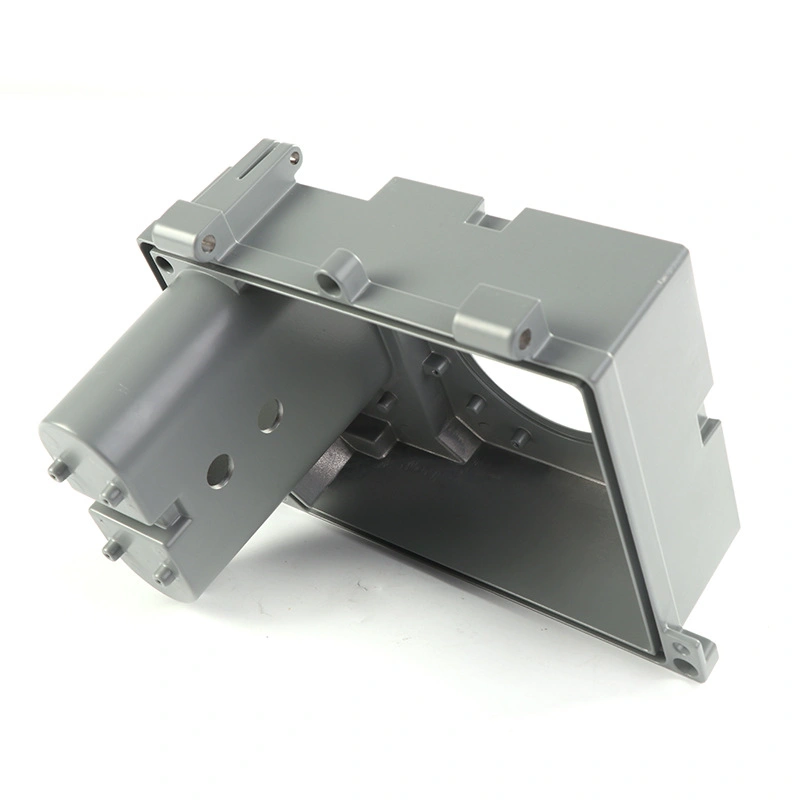
Aluminum die casting cost is shaped by the complete manufacturing route. Tooling, part size, alloy selection, wall thickness, ribs, bosses, undercuts, sliders, trimming, CNC machining, finishing, inspection, and production quantity all affect how the supplier builds the quote.
The RFQ implication is direct: buyers should not compare aluminum die casting price only by part size. Two aluminum housings with similar envelopes can have different costs if one part has tight machined datums, cosmetic coating, sealing faces, complex sliders, and strict inspection requirements. A clear drawing and RFQ package helps the supplier identify each cost driver instead of adding uncertainty into the quotation.
How Does Tooling Cost Affect Aluminum Die Cast Parts?
Tooling cost reflects the die structure needed to make the aluminum die cast part. A simple open-and-shut die is different from a tool with sliders, lifters, complex parting lines, deep ribs, tight ejector constraints, or special trim requirements. Tooling also depends on expected production volume, die material planning, cooling, venting, gate design, overflow layout, and maintenance expectations.
Buyers should provide the expected annual demand and production stage because tooling decisions are linked to the planned production path. A prototype validation project, a pilot run, and a long-term production program can require different tooling assumptions. The RFQ should identify which design features are fixed and which features can be adjusted during DFM review.
How Do Alloy Choice And Part Weight Affect Unit Price?
Alloy choice and part weight affect aluminum die casting unit price because material consumption, casting behavior, machining response, and finishing compatibility vary by alloy and geometry. A380 aluminum die casting, ADC12 aluminum die casting, 360 aluminum die casting, and other cast aluminum materials should be reviewed against part function, surface requirement, corrosion exposure, and inspection needs.
Part weight is not only a material issue. Thick sections can increase solidification risk, while uneven wall thickness can add DFM and defect-control concerns. Thin walls, long flow paths, and deep features can affect filling and die design. Buyers should provide the target alloy, part weight expectation if available, wall thickness concerns, and critical functional zones so the supplier can evaluate material and process cost together.
Cost Factor | Manufacturing Entity Behind The Cost | Buyer Question It Answers | RFQ Detail To Provide |
|---|---|---|---|
Tooling | Die cavity, sliders, parting line, gates, vents, overflows, cooling, and trim tool | What tool structure is needed to make the part? | 3D model, 2D drawing, production volume, fixed features, and DFM flexibility |
Material and weight | Aluminum alloy, shot weight, wall thickness, ribs, bosses, and scrap control | How much material and casting effort does the part require? | Alloy requirement, part weight target, wall sections, and functional zones |
CNC post-machining | Threads, bores, sealing faces, datum pads, connector openings, and fixtures | Which features cannot remain as-cast? | Machining drawing, tolerance map, datum scheme, and inspection request |
Surface finishing | Deburring, blasting, coating, painting, anodizing review, masking, and packaging | What appearance or corrosion requirement must be met? | Finish specification, visible surfaces, color requirement, and masking notes |
Inspection | Dimensional report, thread checks, visual criteria, and functional checks | What evidence does the buyer need for acceptance? | Critical dimensions, inspection method, sample plan, and acceptance criteria |
When Does CNC Machining Add Cost After Aluminum Die Casting?
CNC machining adds cost when the aluminum die cast part requires precision surfaces that cannot remain as-cast. Common machined features include threaded holes, sealing faces, bearing bores, gasket surfaces, connector openings, datum pads, and flat mounting faces. These features require machining time, fixtures, tools, inspection, and sometimes deburring after machining.
The buyer should separate cast dimensions from machined dimensions on the drawing. If every dimension is treated as critical, the supplier may have to assume a more complex inspection and machining plan. If the buyer identifies the functional datums and critical-to-function features, the quote can focus machining cost where machining is actually needed.
Which Surface Finishing Choices Affect Aluminum Die Casting Price?
Surface finishing affects aluminum die casting price because finishing adds process steps, handling, masking, visual inspection, and sometimes rework risk. Aluminum die cast parts may require deburring, shot blasting, polishing, powder coating, painting, chemical conversion coating, or anodizing review depending on the alloy, cosmetic requirement, corrosion exposure, and application environment.
Buyers should define visible surfaces, acceptable parting line areas, gate vestige limits, ejector mark limits, coating color, masking zones, packaging requirements, and inspection criteria. A functional internal face and a visible exterior cosmetic face should not be specified the same way unless the part truly needs that level of finishing.
How Can Buyers Reduce Cost Risk Without Weakening Function?
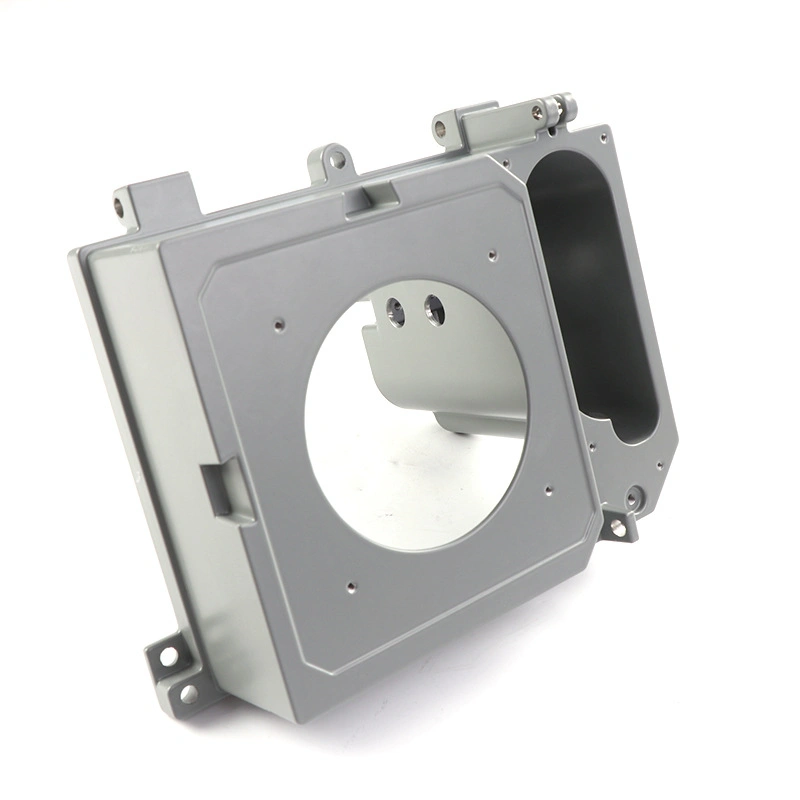
Buyers can reduce cost risk by clarifying requirements before quotation and by allowing DFM review where the design has flexibility. Cost risk often increases when a drawing has unclear tolerances, unspecified cosmetic criteria, unnecessary machining, sharp wall transitions, avoidable undercuts, or finishing requirements that are not tied to function.
The buyer should protect functional features and give flexibility on noncritical features. For example, a sealing face, bearing bore, or threaded safety interface may need strict control. A hidden rib, nonfunctional internal surface, or adjustable cosmetic boundary may allow DFM improvement. This distinction helps the supplier reduce tooling and processing uncertainty while keeping the part's function intact.
What RFQ Data Helps Suppliers Quote Accurate Aluminum Die Casting Cost?
An accurate aluminum die casting RFQ should include the 3D model, 2D drawing, alloy requirement, target production quantity, part function, critical dimensions, machined features, finish requirement, cosmetic surfaces, inspection needs, packaging requirements, and any prototype or sample feedback. If the buyer needs several price scenarios, each scenario should define the process route and assumptions clearly.
Buyers should also state whether the quotation should include tooling, samples, casting, trimming, CNC machining, surface finishing, inspection, and packaging. If those items are not separated, two suppliers may quote different scopes and appear to have different prices for reasons that are not related to manufacturing efficiency.
RFQ Input | Cost Layer It Clarifies | Why The Input Matters | Common Quotation Risk If Missing |
|---|---|---|---|
3D model and 2D drawing | Tooling, casting, machining, and inspection | Shows geometry, dimensions, datums, notes, and revision control | Supplier must assume unclear features or request re-quotation later |
Alloy requirement | Material, casting behavior, machining, and finishing | Connects A380, ADC12, or other alloy choices to production requirements | Material substitution or finish compatibility may be unclear |
Annual demand and order pattern | Tooling approach, unit price, and production planning | Helps match tooling and process planning to the expected production route | Tooling assumptions may not fit the buyer's production plan |
Machining and tolerance map | CNC time, fixture plan, tool wear, and inspection | Identifies which features need post-machining and formal inspection | Quote may include unnecessary machining or miss critical features |
Finish and cosmetic criteria | Deburring, coating, masking, visual inspection, and packaging | Separates functional surface needs from appearance requirements | Finish scope may be underquoted or overquoted |
Aluminum die casting cost is easiest to evaluate when the buyer and supplier discuss the complete route. Tooling, alloy, part weight, casting, trimming, CNC machining, surface finishing, tolerance control, inspection, and production volume should be reviewed together. That complete view gives buyers a more useful cost comparison than a simple part-price request.
Related FAQs
What design factors affect the cost of aluminum die casting parts?
Are aluminum die castings cost effective for mass production?
What information is needed for an aluminum die casting service quote?
What should buyers provide when requesting aluminum die casting services?
What surface finishes are available for aluminum die casting services?
Which aluminum alloys are commonly used for die casting parts?
What tolerances can aluminum die casting services typically achieve?