Die Casting Cost Guide: Mold Cost, Unit Price, and Production Volume Planning
Die Casting Cost Guide RFQ Decision: This article explains die casting cost for custom aluminum and zinc alloy parts made through DFM review, die mold design, high-pressure die casting, trimming, CNC post-machining, surface finishing, inspection, and production volume planning. The part types include housings, brackets, covers, frames, connector bodies, heat-transfer parts, motor housings, and structural supports. The practical RFQ problem is separating mold cost, tooling scope, unit price, material choice, part weight, post-processing, inspection, packaging, and order volume so buyers can compare die casting quotes correctly.
Die casting cost should be reviewed as a full project cost structure, not only a part price. A quotation may include mold investment, die design, casting production, material usage, trimming, machining, finishing, inspection, packaging, and logistics planning. Buyers can make quotation comparison more reliable by defining the scope of each cost layer before asking suppliers to price a die casting project.
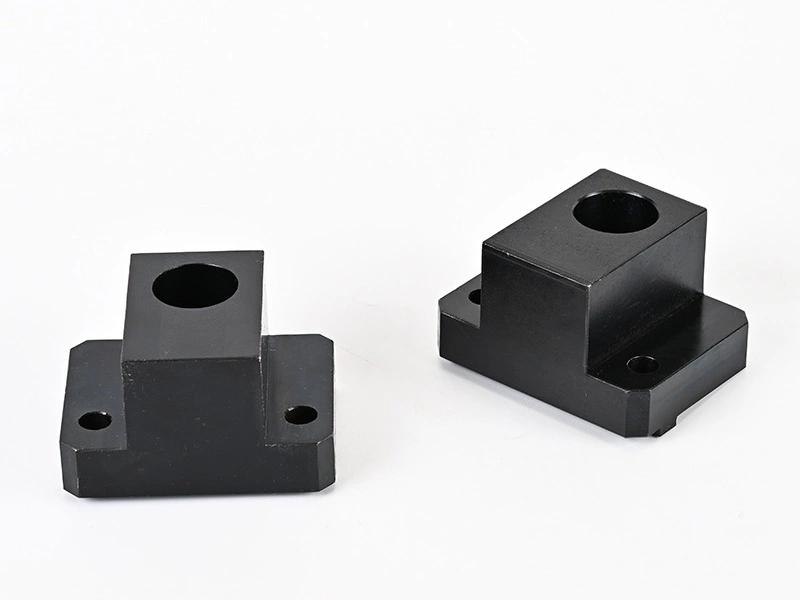
What Determines Die Casting Cost For OEM Parts?
Die casting cost is determined by the part design, mold structure, alloy, part weight, casting cycle planning, tooling life expectation, trimming, machining, finishing, inspection, and production volume. A small part can still be expensive if the mold needs sliders, tight cosmetic control, difficult machining, or strict inspection.
The RFQ implication is that buyers should compare die casting quotes by scope. One quote may include mold design, samples, trimming, CNC machining, coating, inspection reports, and packaging. Another quote may include only casting and basic trimming. Buyers should ask suppliers to separate tooling cost and part unit price so the comparison is based on the same manufacturing work.
What Is Included In Die Casting Mold Cost?
Die casting mold cost usually reflects the die cavity, core design, sliders, lifters, gates, runners, vents, overflows, cooling, ejector layout, trim tool, and mold trial planning. Mold cost can change when a part has deep ribs, side holes, complex undercuts, tight parting-line limits, or high cosmetic requirements.
The buyer should provide the production intent before mold cost is quoted. Prototype validation, pilot production, and long-term production may require different tooling assumptions. The RFQ should state whether the buyer expects samples, mold trial support, dimensional reports, tool maintenance assumptions, and future engineering changes to be included in the mold cost discussion.
How Do Material Choice And Part Weight Affect Unit Price?
Material choice and part weight affect die casting unit price because alloy cost, shot weight, scrap control, filling behavior, machining response, and finishing route vary between aluminum die casting and zinc die casting. Aluminum alloys are often reviewed for lightweight parts and heat-transfer needs. Zinc alloys are often reviewed for compact detailed parts and surface-sensitive components.
The buyer should avoid choosing a material by unit price alone. A zinc alloy part may support smaller details or surface finishing advantages in some compact components. An aluminum alloy part may support weight-sensitive housings, covers, and heat-transfer parts. The RFQ should include the alloy requirement, part weight target if available, application environment, surface finish, and critical dimensions.
Die Casting Cost Layer | Manufacturing Entity Behind The Cost | Buyer Question Answered | RFQ Input To Provide |
|---|---|---|---|
Mold cost | Die cavity, sliders, cores, gates, vents, cooling, ejection, and trim tool | What tooling structure is required to make the part? | 3D model, 2D drawing, production intent, parting-line limits, and fixed features |
Material and weight | Aluminum alloy, zinc alloy, shot weight, wall thickness, and scrap control | How much material and casting effort does each part require? | Alloy callout, application requirement, part weight target, and wall thickness notes |
Unit price | Casting cycle, trimming, labor, machine planning, yield, and volume assumptions | What recurring production cost applies per part? | Annual volume, order pattern, sample needs, and expected production stage |
Post-processing | CNC machining, deburring, blasting, coating, plating, painting, and packaging | Which operations happen after casting? | Machined features, finish specification, cosmetic zones, and packaging requirements |
Inspection | Dimensional report, thread checks, visual criteria, functional checks, and records | What evidence is needed for buyer acceptance? | Critical dimensions, acceptance criteria, inspection method, and sample plan |
How Does Production Volume Change Mold And Unit Cost Planning?
Production volume affects how buyers should think about mold cost and unit price. Higher planned volume can justify a more durable or more efficient tooling strategy, while low-volume validation may need a different prototype or pilot approach. The buyer should not evaluate tooling cost separately from expected part quantity.
The RFQ should state estimated annual demand, order batch pattern, expected project life, and sample approval path. If the volume forecast is uncertain, the buyer should ask for quotation assumptions to be stated clearly. That helps the buyer understand whether the quoted mold and unit price match prototype, bridge production, or longer-term production needs.
Which Post-Processing Operations Add Cost After Die Casting?
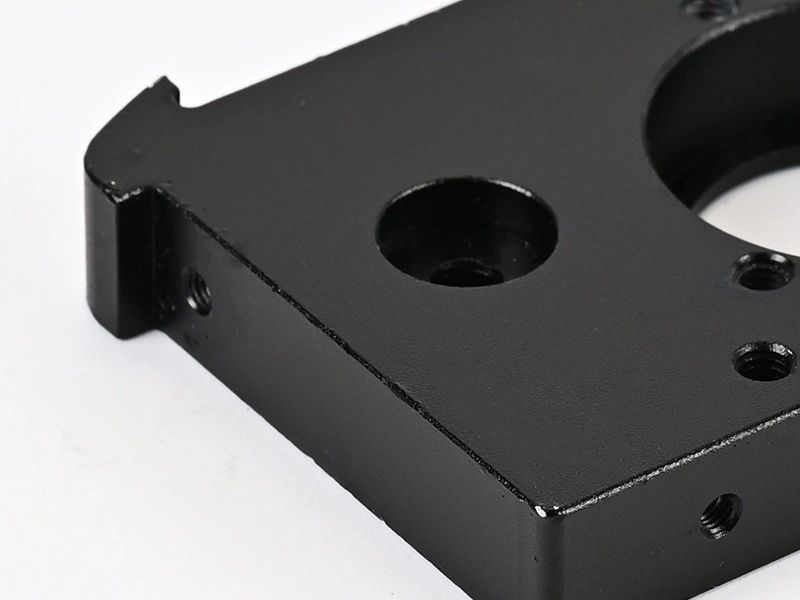
Post-processing can add cost after die casting when the part requires CNC machining, tapping, drilling, reaming, deburring, shot blasting, polishing, plating, powder coating, painting, anodizing review, assembly, inspection, or special packaging. These operations often matter more than buyers expect because the cast shape is only one stage of the finished component.
Buyers should mark machined datums, threaded holes, sealing faces, bearing bores, gasket surfaces, visible surfaces, masking zones, and corrosion-exposed areas. A die cast part with multiple machined surfaces and strict cosmetic finishing should be quoted differently from an as-cast bracket with simple trimming and basic inspection.
How Should Buyers Compare Aluminum And Zinc Die Casting Cost?
Buyers should compare aluminum and zinc die casting cost by the complete manufacturing route, not only by raw material or unit price. Aluminum die casting may fit lightweight housings, heat-transfer parts, brackets, covers, and larger components. Zinc die casting may fit compact detailed parts, connector housings, lock components, decorative covers, and surface-sensitive hardware.
The process decision should consider part weight, feature size, wall thickness, surface finish, machining, plating or coating, application environment, and production volume. If both aluminum and zinc are possible, the RFQ should ask suppliers to identify the design changes and cost assumptions behind each route. A direct material substitution may not be valid if the part geometry or function changes.
What RFQ Data Helps Suppliers Quote Die Casting Cost Accurately?
An accurate die casting quote needs the 3D model, 2D drawing, alloy requirement, target material option, expected annual volume, order pattern, part function, critical dimensions, machining requirement, surface finish, cosmetic criteria, inspection requirement, packaging requirement, and sample approval expectations. Buyers should also state whether the quote should include mold cost, sampling, production parts, post-processing, inspection, and delivery scope.
Important buyer decisions should be written clearly. If a sealing face must be machined, the drawing should say so. If a visible surface cannot accept gate marks, the RFQ should identify that surface. If a part is being compared in aluminum and zinc, the RFQ should define the performance requirements that both material routes must meet.
Buyer RFQ Input | Die Casting Cost Impact | Reason The Input Matters | Risk If Missing |
|---|---|---|---|
3D model and controlled 2D drawing | Mold cost, machining, and inspection | Shows part geometry, dimensions, tolerances, notes, and revision control | Supplier must guess critical features or ask for re-quotation |
Aluminum or zinc alloy requirement | Material cost, casting behavior, finishing, and machining | Connects material choice to part function and surface expectations | Material substitution may be unclear or unsuitable |
Production volume and order plan | Mold strategy and unit price planning | Helps match tooling assumptions to the buyer's production stage | Tooling plan may not fit the actual program demand |
Post-processing scope | CNC machining, finishing, deburring, assembly, and packaging | Defines the operations needed after casting | Quote may omit important work or include unnecessary work |
Inspection and acceptance criteria | Dimensional reporting, functional checks, and quality records | Defines how parts will be accepted after production | Buyer and supplier may evaluate different requirements |
Die casting cost becomes easier to compare when buyers separate mold cost, unit price, material, production volume, machining, finishing, inspection, and packaging. The lowest visible part price is not always the clearest quote. A useful die casting cost guide connects every price layer to a manufacturing step and a buyer requirement.
Related FAQs
What design factors affect the cost of aluminum die casting parts?
Are aluminum die castings cost effective for mass production?
What information should buyers provide for a custom zinc die casting quote?
What information is needed for an aluminum die casting service quote?
What surface finishes are available for aluminum die casting services?