How to Reduce Die Casting Parts Cost Without Sacrificing Quality
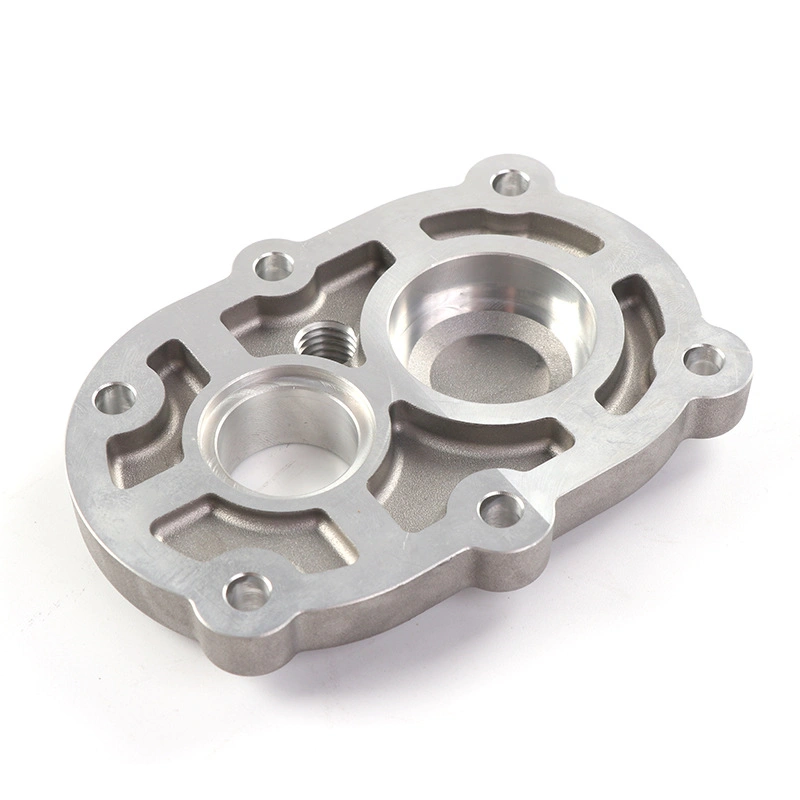
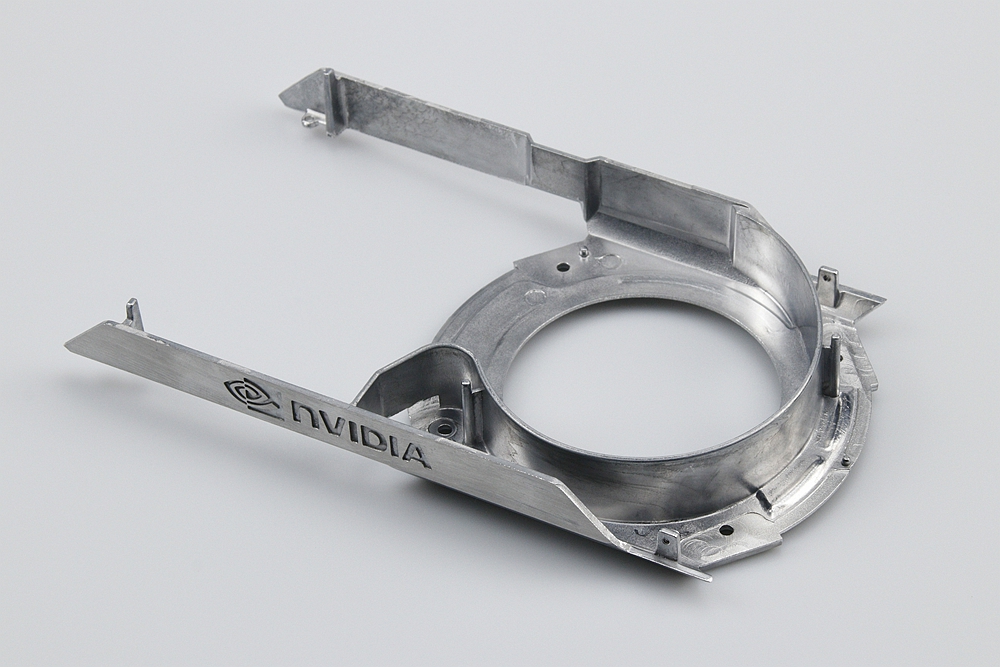
Die Casting Parts Cost Reduction RFQ Decision: This article explains how buyers can reduce die casting parts cost through DFM review, wall thickness control, rib design, tooling simplification, tolerance mapping, CNC post-machining review, surface finish selection, inspection planning, and production volume planning. The part types include aluminum housings, zinc connector bodies, brackets, covers, lock components, frames, heat-transfer parts, motor housings, and precision hardware. The practical RFQ problem is deciding which design and process changes can reduce cost uncertainty while protecting the part's functional surfaces, assembly dimensions, inspection requirements, and production stability.
Die casting cost reduction should start before the mold is built. The largest cost drivers are often created by the part design, tolerance scheme, undercuts, machining areas, cosmetic requirements, and production volume assumptions. Buyers should protect critical features while allowing DFM changes where a feature is not functionally fixed.
Why Does Die Casting Cost Reduction Start At The Design Stage?
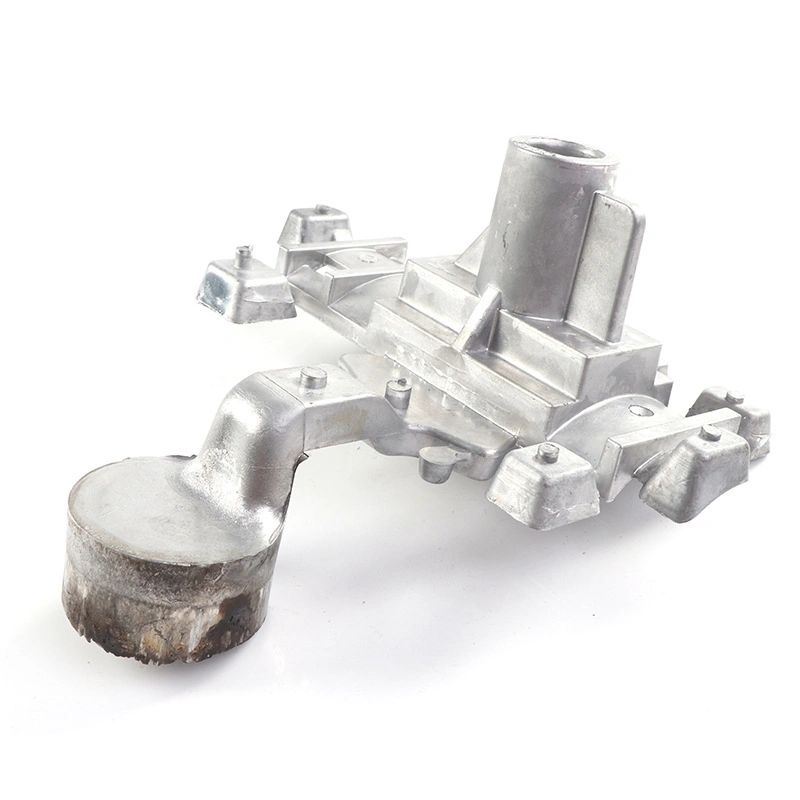
Die casting cost reduction starts at the design stage because wall thickness, ribs, bosses, undercuts, draft, parting line, tolerances, machining stock, and cosmetic zones are defined before tooling begins. Once the mold is cut, changing these features can become more difficult and can affect sample approval.
The buyer should separate functional requirements from adjustable geometry. A sealing face, bearing bore, thread, datum pad, or safety-related feature may need strict control. A hidden rib, noncritical wall, internal corner, or decorative boundary may allow design adjustment. This separation helps the supplier review cost and manufacturability without weakening the part function.
How Should Wall Thickness And Rib Design Be Optimized?
Wall thickness and rib design should be reviewed for filling behavior, shrinkage risk, part strength, weight, and die life. Uneven wall sections, isolated heavy areas, sharp transitions, and poorly supported bosses can increase casting risk and inspection problems. Balanced wall sections and practical rib geometry can reduce unnecessary material and process uncertainty.
The RFQ should include the 3D model, 2D drawing, load direction, assembly location, wall thickness concerns, and critical surfaces. If a wall can be adjusted, the buyer should allow DFM review. If a wall is fixed by assembly or strength requirement, the buyer should identify why that wall cannot change.
How Do Slides, Undercuts, And Tooling Complexity Affect Cost?
Slides, undercuts, lifters, side holes, deep recesses, and complex parting lines can increase die casting mold cost and tool maintenance planning. These features may be necessary, but they should be justified by part function. A design that removes an avoidable undercut or side action can simplify tooling and reduce quotation uncertainty.
Buyers should identify features that are functional and features that are only inherited from an early concept model. A connector opening, latch feature, or sealed cavity may require tooling complexity. A nonfunctional indentation, decorative recess, or avoidable side feature may be adjusted during DFM review. This review should happen before the mold-cost quote is finalized.
Cost Reduction Area | Die Casting Entity To Review | Cost Risk It Can Reduce | Buyer Requirement To Protect |
|---|---|---|---|
Wall thickness | Uniform sections, transitions, thick areas, and thin flow paths | Material use, shrinkage risk, filling difficulty, and inspection variation | Strength requirement, mounting area, sealing face, and heat-transfer function |
Ribs and bosses | Rib height, boss support, fillets, draft, and ejector access | Tooling risk, sink marks, part weakness, and local casting defects | Fastener location, assembly load, and mating part alignment |
Tooling complexity | Slides, lifters, side holes, undercuts, and parting line limits | Mold cost, maintenance assumptions, cycle planning, and sampling risk | Functional openings, locked geometry, and customer appearance limits |
Tolerance map | Critical dimensions, reference dimensions, machined dimensions, and cast dimensions | Unnecessary machining, inspection burden, and rework risk | Assembly fit, datum system, functional clearances, and buyer approval criteria |
Where Should Buyers Tighten Or Relax Die Casting Tolerances?
Buyers should tighten tolerances only where the die cast part needs assembly fit, sealing, bearing location, thread alignment, or functional clearance. Noncritical surfaces, hidden ribs, cosmetic boundaries, and reference dimensions may not need the same tolerance level as functional interfaces.
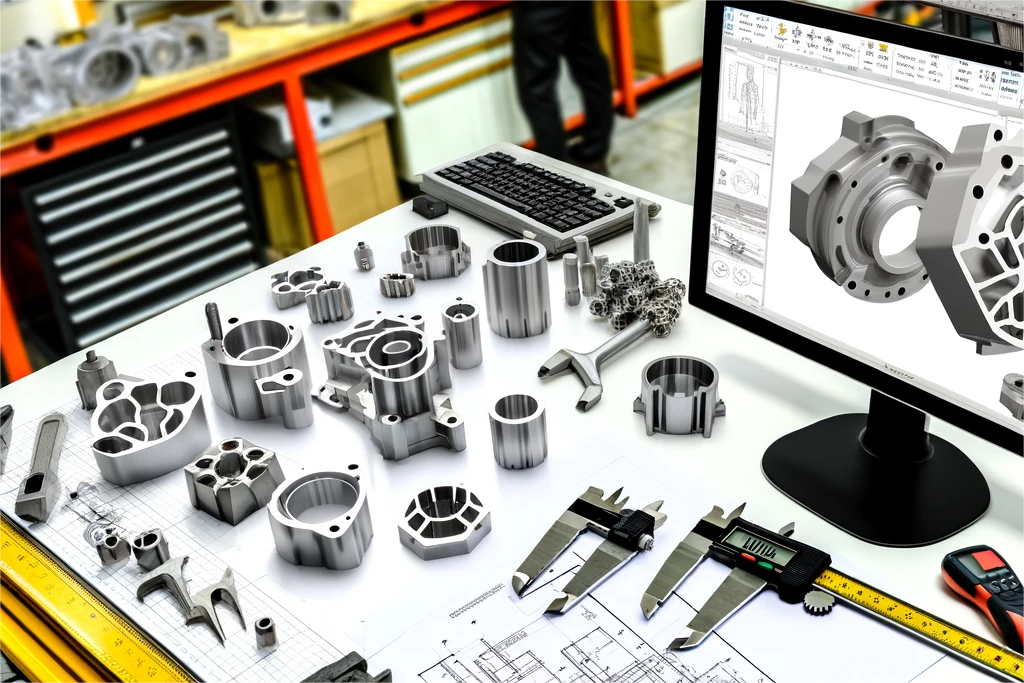
A tolerance map helps the supplier decide which features can remain as-cast and which features need CNC post-machining. If every dimension is treated as critical, the supplier may quote more machining and inspection than the part requires. If the buyer marks critical-to-function dimensions clearly, the quote can focus cost where control matters.
How Can CNC Post-Machining Scope Be Reduced?
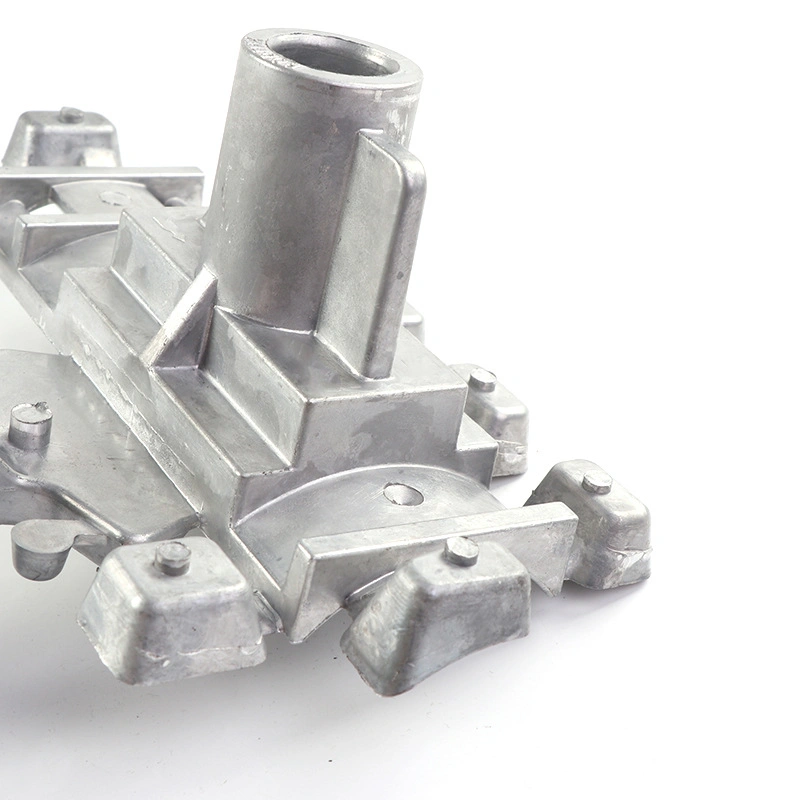
CNC post-machining scope can be reduced by designing cast features that do not require machining and by limiting machining to datums, threaded holes, bores, sealing faces, and other functional interfaces. Die cast parts often need some machining, but unnecessary machined surfaces can add fixture cost, cycle time, tool wear, deburring, and inspection work.
The buyer should identify which surfaces are cast, which surfaces are machined, and which surfaces are cosmetic. The supplier can then review machining access, fixture location, machining stock, and tolerance control. This review is especially important for aluminum housings, zinc connector bodies, motor housings, covers, and brackets with several assembly interfaces.
How Should Surface Finishes Be Selected By Function?
Surface finishes should be selected according to function, appearance, corrosion exposure, and assembly needs. Aluminum die cast parts may require deburring, blasting, painting, powder coating, conversion coating, or anodizing review. Zinc die cast parts may require deburring, polishing, plating, painting, or other decorative and protective finishes.
Buyers should mark visible surfaces, hidden surfaces, sealing surfaces, masking zones, rack locations, and cosmetic acceptance criteria. A functional internal surface may not need the same finish as a visible exterior face. Clear finish zoning can reduce unnecessary finishing cost while protecting customer-facing and function-critical surfaces.
What Production Volume Data Supports Cost Planning?
Production volume data supports mold strategy, unit price planning, sample approval, finishing batches, inspection scope, and packaging assumptions. A low-volume prototype bridge, a pilot program, and a long-term production program may need different tooling and process assumptions.
The RFQ should state estimated annual demand, order batch size, expected project life, sample quantity, and ramp-up plan if available. If volume is uncertain, the buyer should request quotation assumptions for multiple volume scenarios instead of asking for one unsupported part price. Clear volume assumptions help the supplier align mold cost and unit price planning.
What RFQ Data Lets Suppliers Review Cost And Manufacturability Together?
Suppliers can review cost and manufacturability together when buyers provide the 3D model, 2D drawing, alloy requirement, annual volume, application environment, critical dimensions, machining scope, finish requirement, cosmetic zones, inspection criteria, and adjustable design areas. The RFQ should also ask the supplier to identify which design changes reduce tooling, machining, finishing, or inspection burden.
Useful cost reduction is a controlled engineering decision. Buyers should not remove required inspection, weaken a functional surface, or relax a safety-related dimension just to lower a quote. The better approach is to protect the part's functional requirements and adjust noncritical features that create unnecessary tooling, machining, finishing, or inspection work.
RFQ Question | Manufacturing Input Needed | Cost Review Supported | Buyer Decision Output |
|---|---|---|---|
Which features are fixed? | Critical dimensions, datums, sealing faces, load paths, and cosmetic no-change zones | Identifies requirements that should not be relaxed | Protected feature list for DFM review |
Which features are adjustable? | Wall thickness transitions, ribs, bosses, fillets, undercuts, and noncritical surfaces | Finds design changes that can reduce mold or processing burden | DFM change list for buyer approval |
Which surfaces need machining? | Threads, bores, datum pads, gasket faces, and flat mounting surfaces | Limits CNC post-machining to functional features | Machining scope and inspection plan |
Which surfaces need finishing? | Visible faces, masked areas, corrosion zones, and contact surfaces | Separates cosmetic work from functional finishing | Finish zoning and acceptance criteria |
Reducing die casting parts cost works best when cost review and manufacturability review happen before mold release. Buyers should focus on wall thickness, ribs, tooling complexity, tolerance control, machining scope, finish selection, inspection requirements, and production volume assumptions. This approach helps control cost while keeping functional requirements visible and testable.
Related FAQs
What design factors affect the cost of aluminum die casting parts?
What information should buyers provide for a custom zinc die casting quote?
What information is needed for an aluminum die casting service quote?
What tolerances can aluminum die casting services typically achieve?
What surface finishes are available for aluminum die casting services?
What surface finishes are available for zinc die cast parts?