Aluminum Die Cast Prototypes: How to Validate Design Before Production Tooling
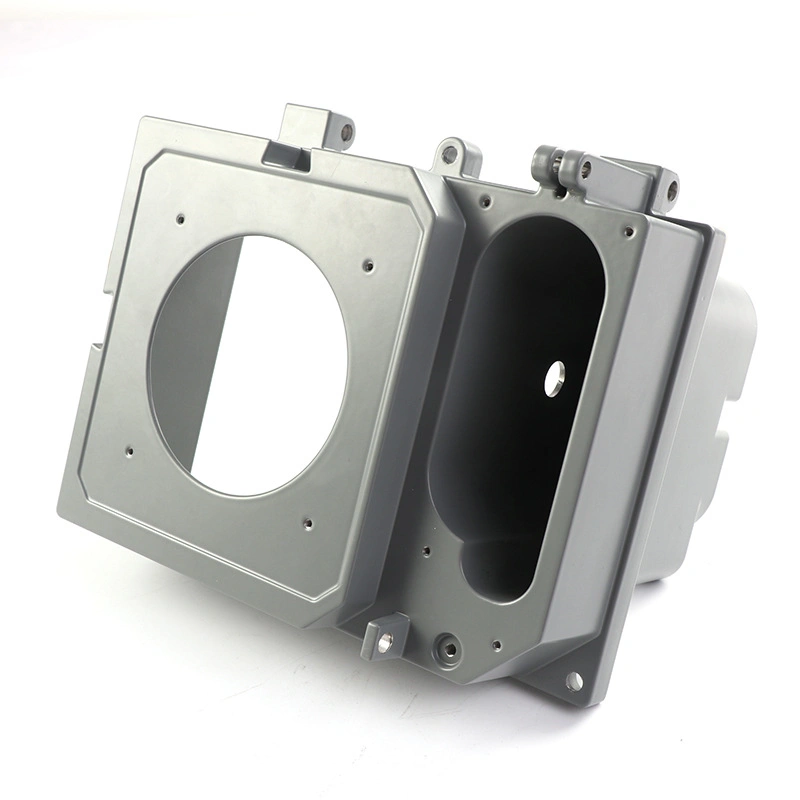
Aluminum Die Cast Prototype Validation RFQ Decision: This article explains how aluminum die cast prototypes help buyers validate custom aluminum parts before production tooling through prototype route selection, DFM review, aluminum casting review, CNC machining, dimensional inspection, thermal checks, assembly testing, surface finishing review, and tooling readiness assessment. The part types include aluminum housings, brackets, motor covers, lighting frames, heat-transfer parts, electronic enclosures, battery-related covers, and structural supports. The practical RFQ problem is deciding which prototype method can answer design, assembly, thermal, machining, finish, defect-risk, and production-tooling questions before the buyer approves the final die.
Aluminum die cast prototypes should not be treated as simple appearance samples. A useful prototype plan answers specific buyer questions before production tooling begins. Buyers should identify whether the prototype must check fit, load path, thermal behavior, sealing, machining allowance, surface finish, or manufacturability. The answer determines whether CNC machining, rapid tooling, prototype casting, or a combined validation route is the right starting point.
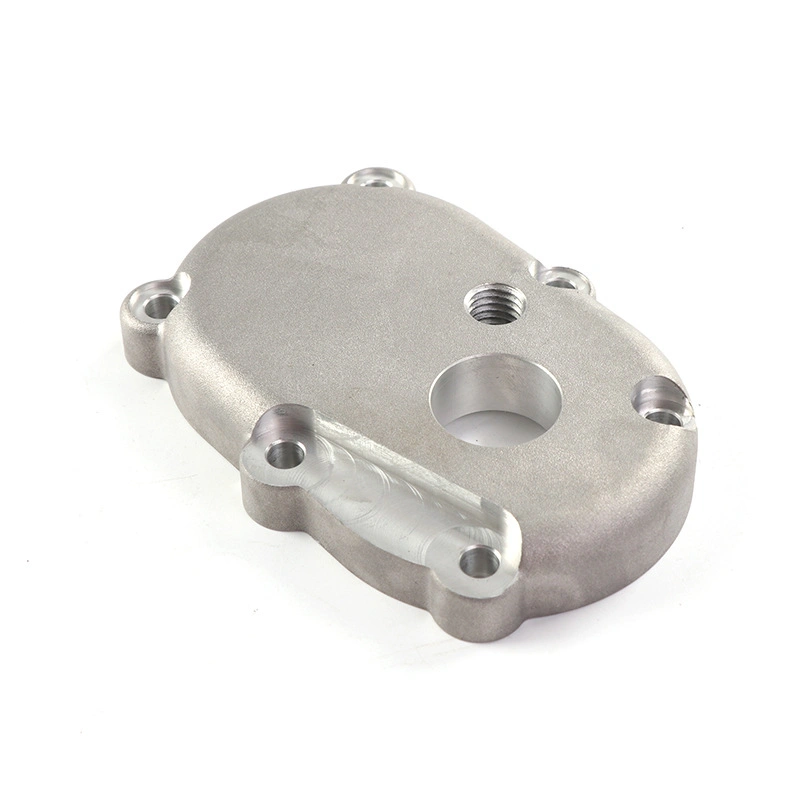
Why Should Aluminum Die Cast Prototypes Be Validated Before Tooling?
Aluminum die cast prototypes should be validated before production tooling because tooling changes can become difficult after the die design is released. Prototype validation gives the buyer evidence about part geometry, assembly fit, thermal layout, machined surfaces, and functional risks before committing to a production die.
The manufacturing reason is that a prototype and a production die casting are not always identical. A CNC machined prototype can check geometry and assembly quickly, while a cast prototype or rapid tooling route can show casting-specific behavior such as gate marks, parting line limits, shrinkage zones, porosity-sensitive areas, trimming risk, and finishing response. The RFQ should state which evidence the buyer needs.
Which Prototype Route Matches The Buyer Validation Question?
The prototype route should match the validation question. CNC machining can be practical for checking dimensions, assembly interfaces, and early functional fit. Rapid tooling or prototype aluminum casting can be more useful when the buyer needs casting-specific feedback before production tooling. A combined route may be useful when the buyer needs both quick geometry validation and casting-process evidence.
Buyers should not ask for a prototype without defining the purpose. A prototype for appearance review, a prototype for heat-transfer testing, and a prototype for machining fixture planning are different RFQ problems. The supplier needs the 3D model, 2D drawing, alloy requirement, critical dimensions, testing plan, and production intent to recommend a route.
Prototype Route | Best Validation Question | Manufacturing Limitation To Remember | RFQ Input Buyers Should Provide |
|---|---|---|---|
CNC machined aluminum prototype | Does the geometry fit the assembly and drawing interfaces? | Machined material does not show die casting gate, shrinkage, or ejection behavior | 3D model, drawing, datum scheme, machined features, and inspection request |
Rapid tooling prototype | Does the cast shape reveal tooling, filling, trimming, or finishing risks? | Prototype tooling may not represent final production die life or cycle conditions | Production volume target, alloy, DFM questions, surface finish, and sample plan |
Prototype aluminum casting | Does the casting route support thermal, structural, or functional testing? | Prototype casting route must be compared with the final production route | Functional test plan, material requirement, critical zones, and acceptance criteria |
Combined prototype route | Which issues are design-related and which issues are casting-related? | More than one route can create different sample behavior | Validation priority, sample quantity, production intent, and buyer approval gate |
What DFM Checks Should Be Finished Before Aluminum Die Casting Tooling?
DFM checks should confirm whether the aluminum die cast part can fill, solidify, eject, trim, machine, finish, and pass inspection. The review should cover wall thickness, ribs, bosses, draft, fillets, parting line, gate location, overflows, vents, ejector pin positions, trimming areas, and machining stock.
The buyer should identify no-change surfaces before DFM review begins. Sealing faces, bearing bores, heat-transfer areas, connector openings, threaded holes, and datum pads should be marked clearly. If these features can move or change, the buyer should say so. If these features cannot change, the supplier needs that constraint before tooling suggestions are made.
Which Tests Should Buyers Run On Prototype Aluminum Die Cast Parts?
Prototype tests should match the part's function. Aluminum housings may need assembly and sealing review. Lighting frames and heat-transfer parts may need thermal checks. Motor covers may need bore, flatness, and mounting inspection. Brackets and structural supports may need load direction review. Electronic enclosures may need connector fit, thread checks, coating review, and visual acceptance.
Dimensional inspection should focus on critical-to-function features rather than every surface with equal weight. The buyer should define which dimensions are cast, which dimensions are machined, which dimensions are reference-only, and which dimensions require formal inspection. This helps the supplier plan fixtures, CNC operations, and inspection reports before production tooling.
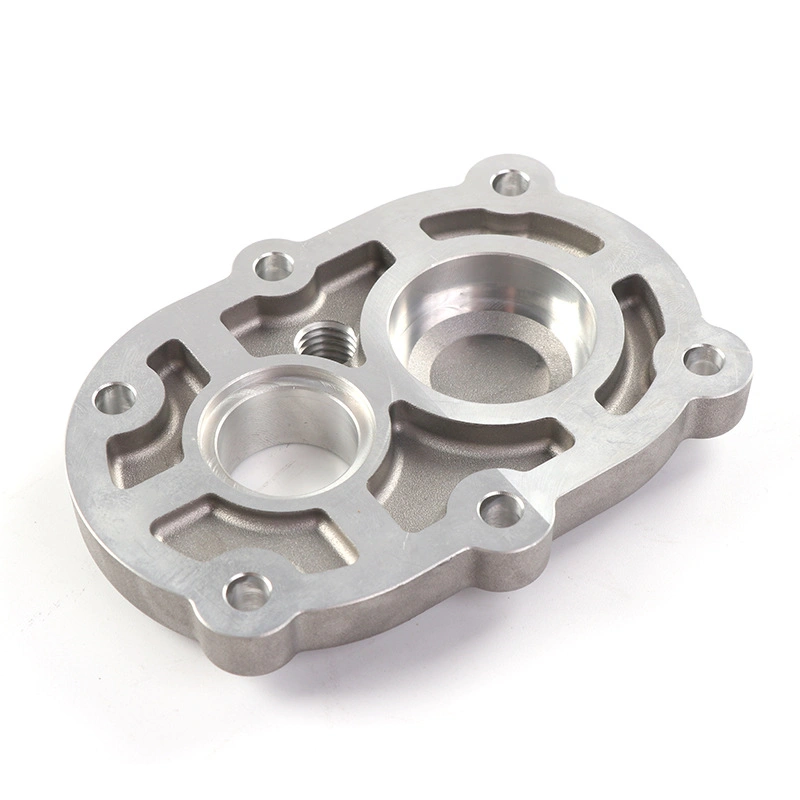
How Do Buyers Move From Prototype Evidence To Production Tooling?
Buyers should move from prototype evidence to production tooling only after open design questions are closed. The prototype review should document fit results, thermal results, machining feedback, finish review, visual issues, casting-risk notes, and drawing updates. Those records become the basis for tool design, sample approval, and production inspection planning.
The production tooling review should translate prototype findings into die casting requirements. If a prototype revealed a thin wall risk, the production drawing should be updated. If a machined datum changed, the fixture plan and inspection method should be revised. If a cosmetic surface was sensitive to marks, the parting line, gate, ejector pin, and finishing plan should be reviewed before tooling release.
When Is Prototype Validation Necessary For Aluminum Die Cast Parts?
Prototype validation is most useful when the aluminum die cast part has complex geometry, new assembly requirements, heat-transfer features, sealing surfaces, critical machined dimensions, visible cosmetic areas, or uncertain production volume. Prototype validation is also useful when the buyer is comparing CNC machining, rapid tooling, aluminum prototype casting, and final production die casting.
The buyer should decide what risk the prototype is intended to reduce. If the main risk is assembly fit, CNC machining and dimensional inspection may answer the question. If the main risk is castability, rapid tooling or casting-specific samples may be needed. If the main risk is thermal behavior, the prototype material, wall thickness, surface finish, and testing method should be defined carefully.
Validation Area | Prototype Evidence Needed | Production Tooling Decision Supported | Buyer Acceptance Input |
|---|---|---|---|
Assembly fit | Mounting holes, connector openings, mating surfaces, and datum alignment | Whether geometry and machined interfaces can move into tooling | Assembly report, drawing revision, and fit notes |
Thermal behavior | Heat-transfer surfaces, fins, wall thickness, and contact areas | Whether the thermal layout is ready for casting DFM review | Thermal test method and acceptance criteria |
CNC post-machining | Machined bores, threads, datums, sealing faces, and fixture access | Whether machining stock and fixture locations are sufficient | Machining drawing and critical dimension list |
Surface finishing | Visible surfaces, coating response, deburring areas, and masking zones | Whether parting line, gate, and finishing choices support appearance needs | Finish specification, sample review, and visual criteria |
Casting risk | Porosity-sensitive zones, shrinkage areas, gate vestige, flash, and trim areas | Whether die design changes are needed before production tooling | Critical zones, inspection method, and approval notes |
What Should An Aluminum Die Casting Prototype RFQ Include?
An aluminum die casting prototype RFQ should include the 3D model, 2D drawing, alloy requirement, prototype purpose, target production process, expected production volume, critical dimensions, machined features, surface finish, test plan, sample quantity, inspection report requirement, and open DFM questions. The RFQ should also state whether the buyer needs a design validation prototype, a casting validation prototype, or a production-tooling readiness prototype.
The most useful RFQ separates prototype objectives from production objectives. Prototype objectives may include checking fit, heat, strength, appearance, or machining. Production objectives may include die design, stable casting, trimming, CNC post-machining, finishing, inspection, and packaging. When buyers separate those objectives, the supplier can quote a prototype route that supports the final aluminum die casting decision.
Related FAQs
How does Neway support aluminum die cast prototypes before mass production?
What information is needed for an aluminum die casting service quote?
What should buyers provide when requesting aluminum die casting services?
What tolerances can aluminum die casting services typically achieve?
What common defects and solutions should buyers review in aluminum die casting?
What design factors affect the cost of aluminum die casting parts?
What surface finishes are available for aluminum die casting services?