MIM vs CNC Machining, Die Casting, and Investment Casting for Complex Metal Parts
MIM Vs CNC Die Casting Investment Casting RFQ Decision: This article compares metal injection molding, CNC machining, die casting, and investment casting for complex metal parts made through different production routes, including feedstock injection molding and sintering, subtractive machining, high-pressure die casting, and precision casting. The part types include small complex MIM components, machined brackets, die cast housings, investment cast structural parts, gears, medical instrument parts, connector bodies, lock components, and custom metal hardware. The practical RFQ problem is choosing the process that fits geometry, material grade, tolerance control, surface finish, annual volume, tooling risk, and validation needs before quotation.
MIM, CNC machining, die casting, and investment casting are not interchangeable metal part processes. MIM is often reviewed for small complex parts at production volume. CNC machining is often reviewed for prototypes, low-volume parts, and tight machined features. Die casting is often reviewed for aluminum or zinc alloy parts with scalable tooling. Investment casting is often reviewed for complex cast metal parts where casting geometry and material options fit the application.
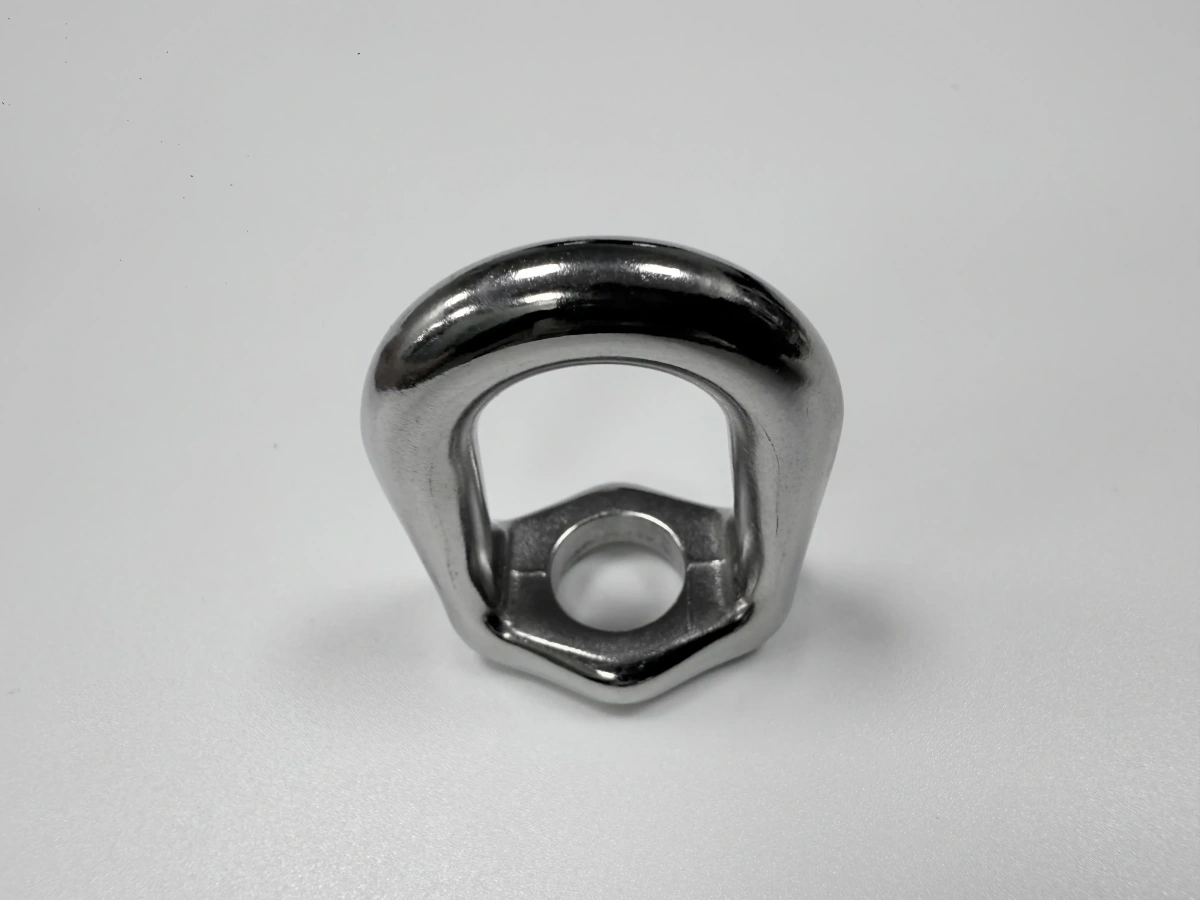
Why Compare MIM With CNC Machining, Die Casting, And Investment Casting?
Buyers should compare MIM with CNC machining, die casting, and investment casting because each process solves a different manufacturing problem. The right route depends on part size, complexity, material, annual volume, tolerance map, secondary operations, tooling cost, and inspection requirements.
The RFQ should not ask which process is best in general. The RFQ should ask which process answers the part's specific requirement. A miniature stainless steel latch, a machined aerospace bracket, a zinc connector housing, and an investment cast pump component have different process drivers.
When Is MIM Better Suited For Complex Small Metal Parts?
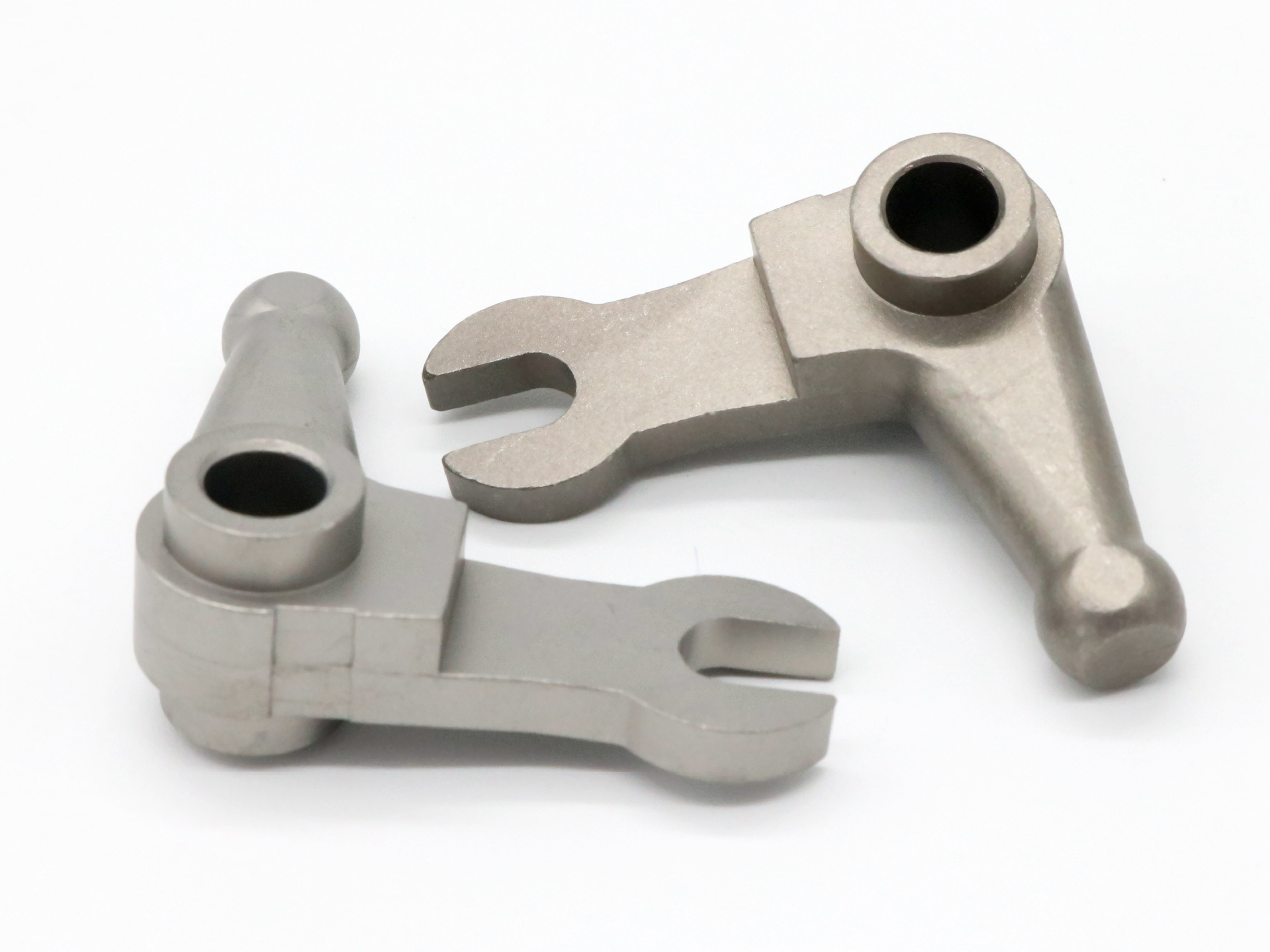
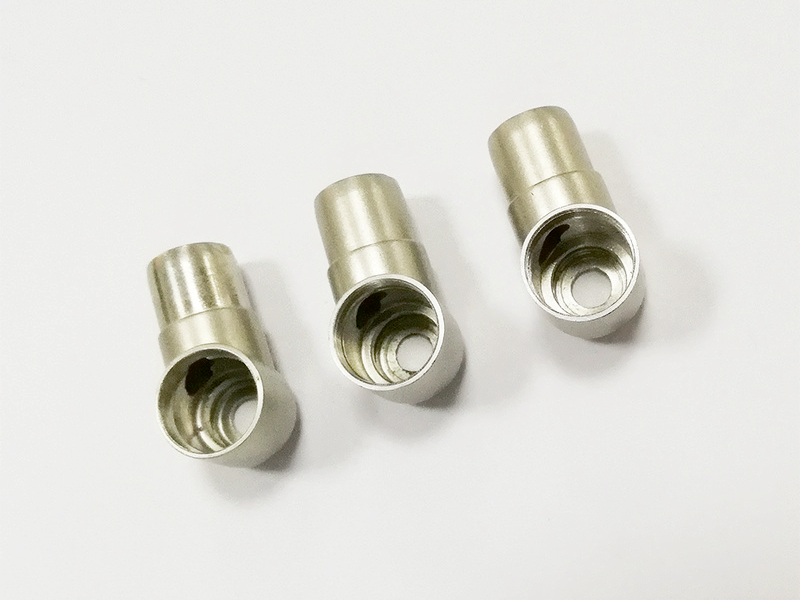
MIM is better suited when the part is small, complex, metal, and repeatable enough to justify tooling, feedstock molding, debinding, sintering, and inspection control. MIM may fit small gears, lock components, surgical instrument parts, electronic hardware, connector features, miniature housings, and custom precision components.
The manufacturing reason is that MIM forms complex geometry before sintering. This can reduce the need to machine every feature from solid material. The buyer should still review sintering shrinkage, material grade, critical dimensions, post-sinter machining, heat treatment, surface finish, and inspection before choosing MIM.
When Should Buyers Choose CNC Machining Instead Of MIM?
CNC machining should be reviewed when the part needs low-volume production, fast prototype validation, large part size, billet material properties, tight machined datums, or geometry that does not justify MIM tooling. CNC machining is also useful when the buyer needs to validate the design before deciding whether MIM tooling makes sense.
The tradeoff is that CNC machining removes material from solid stock, so complex internal features, small repeated details, and high-volume production may become inefficient. Buyers should identify machined surfaces, tolerance-critical features, material grade, and annual volume before comparing CNC machining with MIM.
When Does Die Casting Fit Better Than MIM?
Die casting can fit better than MIM when the part is an aluminum or zinc alloy component that needs scalable casting production, larger housing geometry, thin walls, ribs, bosses, covers, or integrated mounting features. Aluminum die casting may fit lightweight housings and heat-transfer parts. Zinc die casting may fit compact detailed parts and surface-sensitive hardware.
The buyer should compare MIM and die casting by material, part size, tooling method, feature detail, wall thickness, surface finish, machining, and production volume. A small stainless steel gear and a zinc die cast connector housing should not be forced into the same process decision.
Process Route | Best Fit Part Type | Main Manufacturing Control Point | RFQ Detail Buyers Should Provide |
|---|---|---|---|
Metal injection molding | Small complex metal parts, gears, latches, medical hardware, and miniature components | Feedstock molding, debinding, sintering shrinkage, material grade, and inspection | Material grade, annual volume, tolerance map, secondary operations, and critical features |
CNC machining | Prototypes, low-volume parts, machined brackets, datums, bores, and flat surfaces | Stock material, tool access, machining time, datum setup, and inspection | 3D model, 2D drawing, material, tolerance map, and surface finish requirement |
Die casting | Aluminum housings, zinc connector bodies, covers, brackets, and cast frames | Die design, alloy, wall thickness, gating, trimming, machining, and finishing | Alloy option, parting line limits, annual volume, finish, and machined features |
Investment casting | Complex cast metal parts, structural shapes, pump parts, brackets, and alloy castings | Pattern tooling, shell casting, material, heat treatment, machining, and inspection | Cast alloy, critical dimensions, machining areas, functional tests, and production volume |
When Does Investment Casting Fit Better Than MIM?
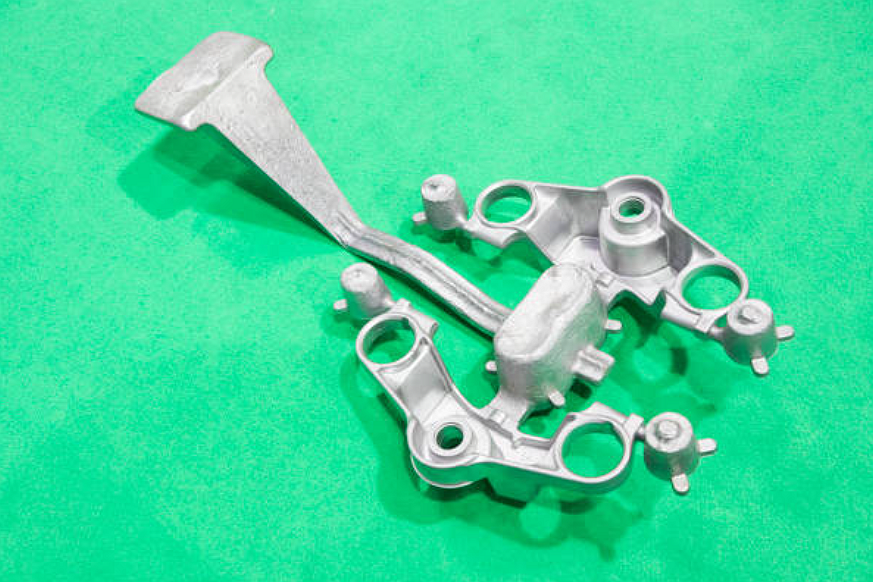
Investment casting can fit better than MIM when the part is larger, the alloy or shape fits precision casting, or the production route needs cast geometry without the feedstock molding and sintering assumptions of MIM. Investment casting may be reviewed for pump components, brackets, housings, structural parts, and complex cast metal geometries.
The buyer should compare MIM and investment casting by part size, alloy, wall thickness, tooling method, surface requirement, dimensional control, heat treatment, machining, and expected volume. MIM may fit small repeatable parts. Investment casting may fit larger or different alloy casting needs. The process decision should follow the drawing and application rather than a process preference.
How Should Buyers Compare Process Factors In An RFQ?
Buyers should compare process factors in an RFQ by listing geometry, material, annual volume, tolerance map, surface finish, secondary operations, inspection method, and validation stage. The same part should be reviewed under the assumptions of each route so the buyer can see what changes between MIM, CNC machining, die casting, and investment casting.
Important buyer decisions should be stated directly. If the part requires stainless steel, the RFQ should say so. If zinc alloy or aluminum alloy is acceptable, the RFQ should list the functional requirements. If a bore must be machined, the RFQ should identify the datum and inspection method. If annual volume is uncertain, the RFQ should request scenario-based quotation assumptions.
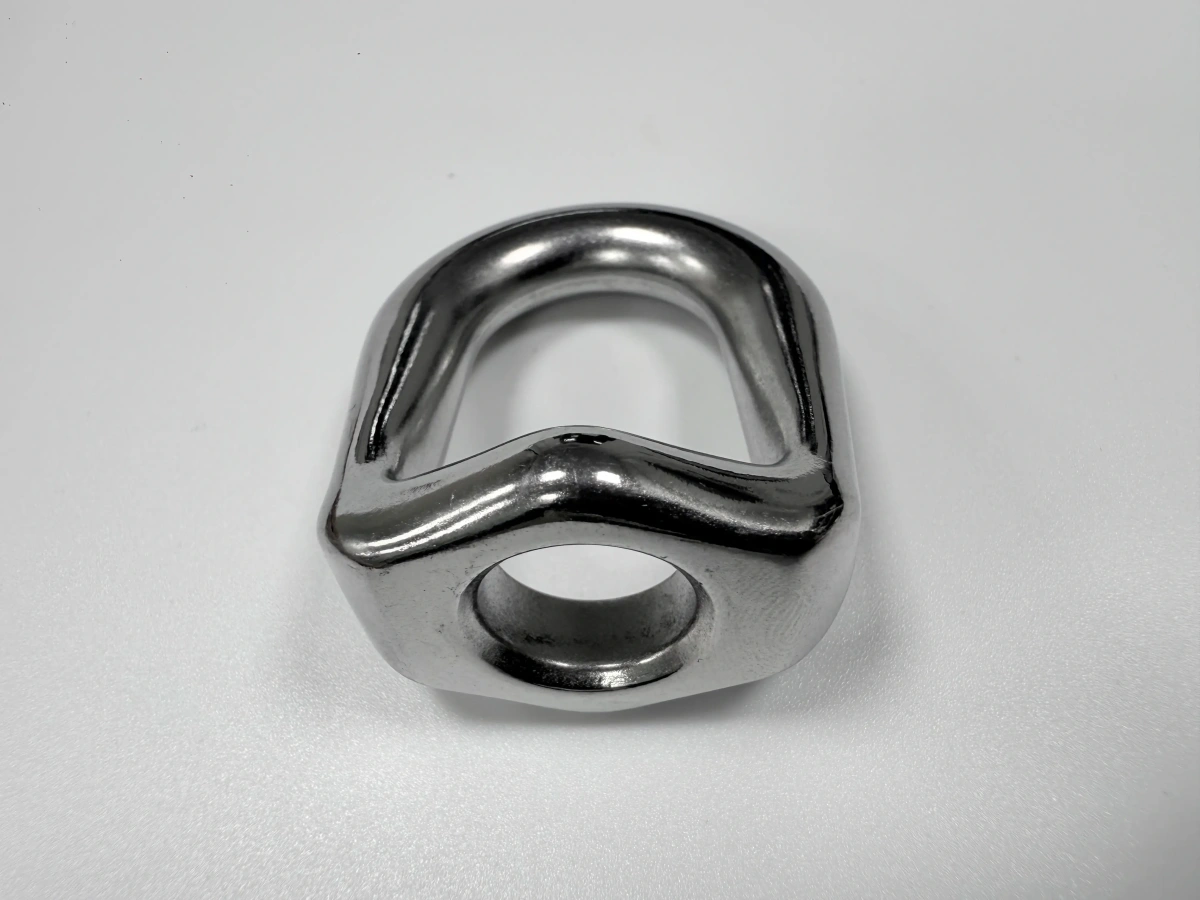
Why Prototype First Before Production Process Approval?
Prototype review can help buyers separate design risk from production-route risk. CNC machining may validate fit and function before MIM tooling. Metal 3D printing may help explore complex geometry. Casting prototypes or rapid tooling may help evaluate die casting or investment casting assumptions before production tooling.
The buyer should identify what the prototype must prove. If the prototype must validate assembly, CNC machining may be enough. If the prototype must validate sintering shrinkage, the MIM route needs specific review. If the prototype must validate casting defects or finishing response, the casting route should be represented more directly.
Buyer Decision Factor | MIM Question | CNC Machining Question | Die Casting Or Investment Casting Question |
|---|---|---|---|
Geometry complexity | Can the feature mold, debind, and sinter reliably? | Can tools access the feature from stock material? | Can the casting route fill, solidify, and finish the feature? |
Material requirement | Is the MIM feedstock and sintered material suitable? | Is the required billet or bar stock available? | Is the alloy suitable for die casting or investment casting? |
Tolerance control | Which dimensions need shrinkage control or post-sinter machining? | Which dimensions can be machined directly? | Which dimensions remain as-cast and which need machining? |
Production volume | Does annual volume justify MIM tooling and sintering control? | Does machining remain practical for the quantity? | Does casting tooling match the production plan? |
The best process for complex metal parts is the process that matches the part's geometry, material, volume, tolerance, finishing, inspection, and validation needs. MIM, CNC machining, die casting, and investment casting can all be correct in different cases. A useful RFQ gives suppliers enough engineering data to compare the routes instead of guessing from the 3D model alone.
Related FAQs