What is metal injection molding used for?
What is metal injection molding used for in custom parts?
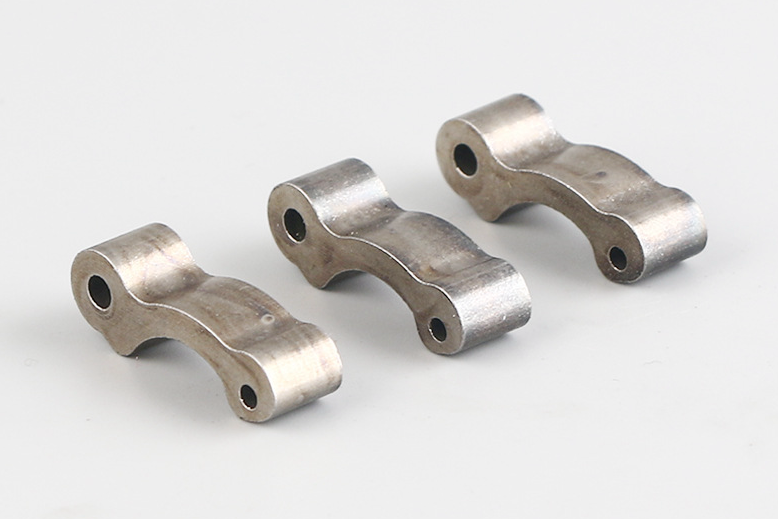
Metal injection molding is used to manufacture small, complex metal parts that are difficult or costly to produce only by CNC machining, casting, stamping, or assembly from several pieces. The practical RFQ problem is deciding whether a MIM part has the right size, geometry, material, tolerance requirement, surface requirement, and production stage before investing in tooling.
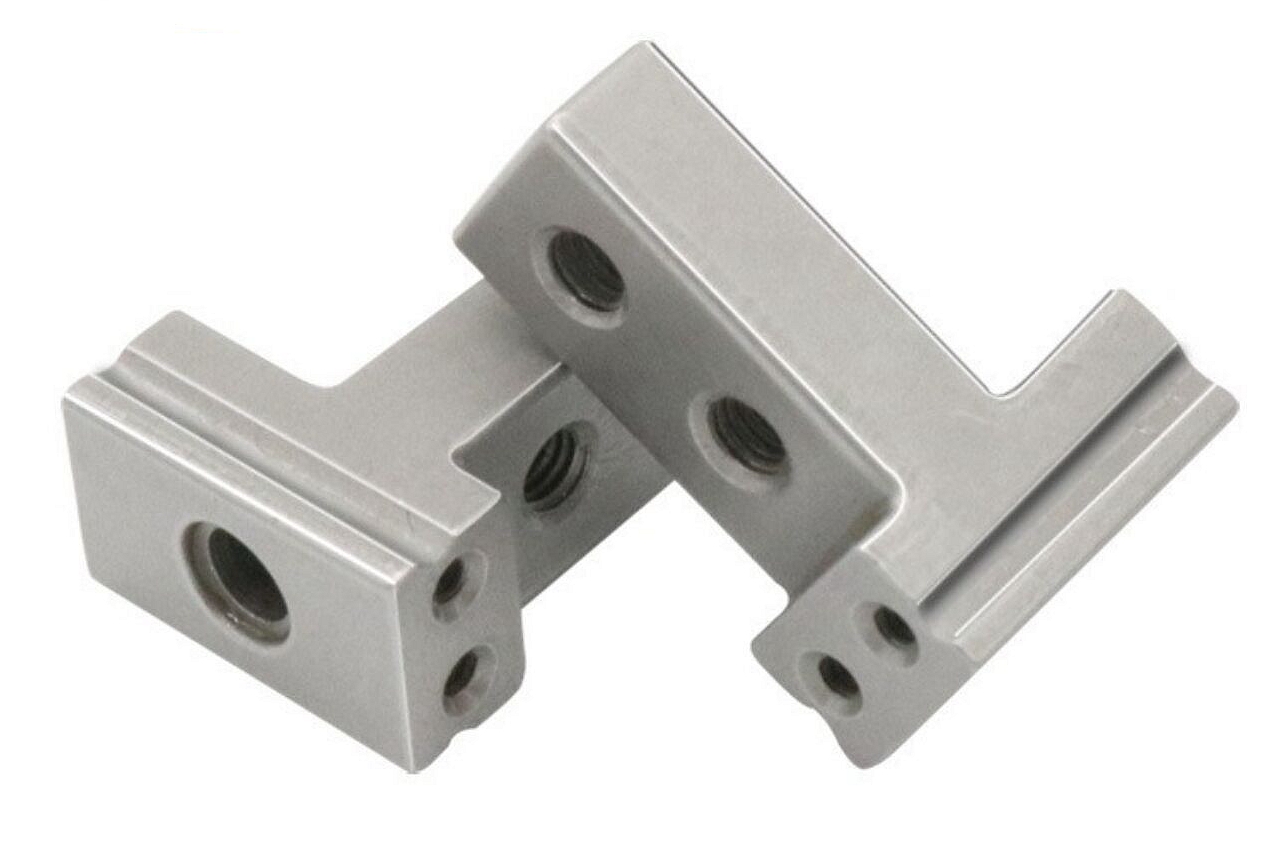
MIM combines metal powder feedstock molding, debinding, sintering, and secondary operations to produce near-net-shape metal components. The process is often reviewed for parts with fine details, internal features, thin walls, small slots, bosses, undercuts, curved surfaces, and repeated production needs. Buyers should still confirm machined datums, threaded holes, sealing faces, heat treatment, and inspection requirements because sintering shrinkage can affect final dimensional control.
Which part features make MIM a practical route?
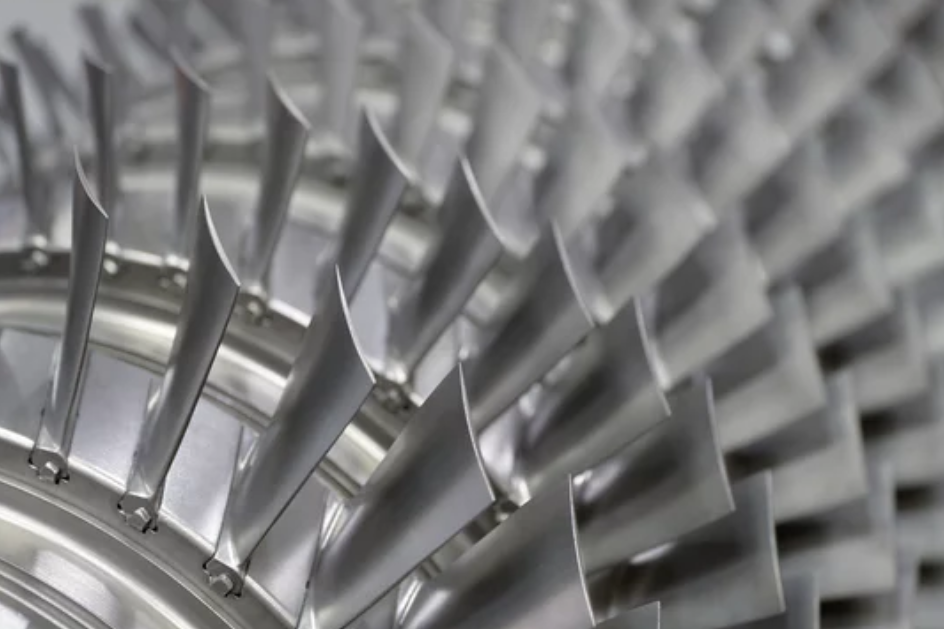
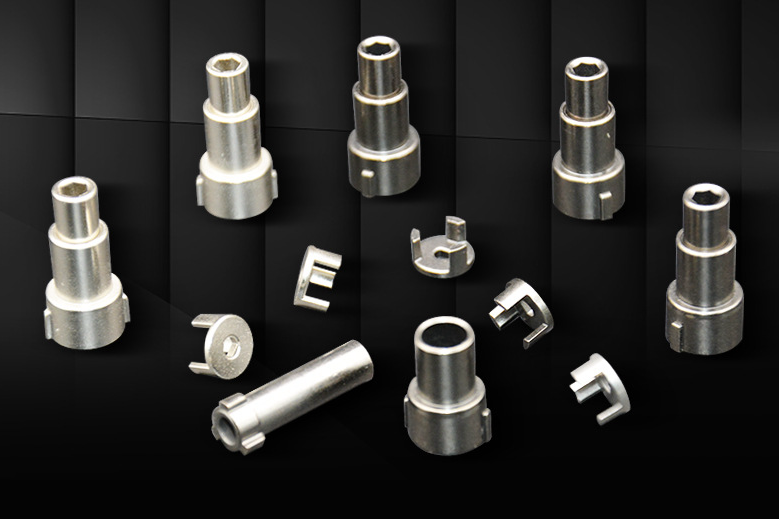
MIM is most practical when the part is small, complex, and repeated enough for tooling to make sense. Features that often lead buyers to review MIM include thin walls, small holes, complex external profiles, internal channels, fine teeth, miniature levers, hinge features, latch geometry, connector details, and part shapes that would require multiple machining setups.
The main value is geometry consolidation. A part that would otherwise require machining, welding, fastening, or assembling several small metal pieces may be reviewed as one molded and sintered component. However, MIM is not automatically the best route for every metal part. Large parts, simple turned parts, very low quantities, very tight all-over tolerances, or parts that require extensive machining after sintering may still fit CNC machining, die casting, investment casting, stamping, or powder pressing better.
Which industries and components are commonly reviewed for MIM?
MIM is commonly reviewed for custom components used in medical-device assemblies, electronics, locks, consumer products, power tools, automotive systems, e-mobility components, communication devices, and industrial mechanisms. For regulated or safety-critical applications, MIM can only be considered when the buyer defines material specifications, qualification requirements, documentation needs, and acceptance criteria. Final validation remains the buyer's responsibility.
Typical MIM part types include brackets, clips, latch parts, hinges, lock components, small gears, cams, levers, shafts, connector shells, sensor housings, surgical instrument features, orthodontic or dental-related components, watch and wearable parts, motor parts, and miniature structural pieces. The exact suitability depends on alloy choice, sintering behavior, feature size, wall thickness, inspection method, and post-processing plan.
Which MIM materials are used for these applications?
MIM applications often use stainless steels, low-alloy steels, tool steels, magnetic alloys, tungsten alloys, cobalt alloys, and titanium alloys when the material system fits the part requirements and feedstock availability. Common stainless steel examples include MIM 17-4 PH, MIM 316L, MIM 420, MIM 430, and related MIM material options.
Material choice affects corrosion behavior, hardness, magnetic response, heat treatment, polishing, passivation, plating, and dimensional stability. Buyers should provide the required material grade or functional requirement rather than relying only on a general alloy family. If a drawing was originally designed for machined bar stock, the material and property expectations should be reviewed for the MIM route before tooling release.
What secondary operations are common after MIM?
Many MIM applications need secondary operations after sintering. Common operations include CNC machining, drilling, tapping, reaming, grinding, tumbling, polishing, heat treatment, passivation, plating, coating, laser marking, and assembly. These operations are used when the molded and sintered shape cannot directly meet a datum, thread, bearing surface, sealing face, cosmetic surface, hardness target, or coating requirement.
The RFQ implication is important: a MIM quotation should not treat every feature as either fully molded or fully machined. A stronger approach is to identify which features can remain as-sintered, which features need secondary machining, and which surfaces need finishing or inspection. This separation helps the buyer understand cost, tolerance control, and production risk.
When should buyers compare MIM with other processes?
Buyers should compare MIM with CNC machining, die casting, investment casting, stamping, and powder compression molding when part size, quantity, material, tolerance, or feature complexity is uncertain. CNC machining may be better for prototypes, very low quantities, larger parts, or parts requiring many precision surfaces. Die casting may be better for larger non-ferrous components. Investment casting may be better for larger metal shapes. Stamping may be better for flat metal forms. Powder pressing may be better for some simpler powder metal geometries.
MIM becomes more attractive when complex geometry, small size, repeatability, material use, and production quantity can justify tooling. The buyer should ask the supplier to identify process risks early, especially sintering distortion, shrinkage variation, gate vestige, parting line, thin-wall filling, and secondary operation needs.
MIM Application Scenario | Why MIM May Be Reviewed | Risk to Confirm Before Tooling | RFQ Evidence Needed |
Small mechanical latch, hinge, cam, or lever | Complex geometry and repeated production may support near-net-shape molding | Sintering distortion, datum control, wear surfaces, and hardness requirement | 2D drawing, 3D model, critical dimensions, hardness target, and dimensional report |
Connector, sensor, or communication component | Fine features and small metal structures can be difficult to machine efficiently | Feature filling, plating build-up, conductivity, corrosion behavior, and surface finish | Material grade, coating requirement, surface roughness, and inspection method |
Medical-device or regulated-use component | Small precision geometry may fit MIM when buyer requirements are defined | Documentation, material traceability, cleaning requirement, and qualification criteria | Buyer specification, acceptance criteria, inspection package, and validation plan |
Motor, gear, lock, or tool component | Complex shape, wear features, and production repeatability may support MIM review | Heat treatment, tooth profile, balance, surface treatment, and lot consistency | Load condition, heat treatment, surface finish, CMM report, and functional test needs |
What RFQ information is needed for a MIM application review?
A useful MIM RFQ should include the 2D drawing, 3D model, material grade or target properties, annual quantity, prototype or production stage, critical dimensions, datum structure, tolerance notes, surface finish, heat treatment, coating or plating requirement, assembly interfaces, and inspection requirements. The buyer should also identify whether the part has regulated, safety-critical, or performance-critical use conditions.
This information helps the manufacturing team decide whether MIM is suitable, whether CNC machining or another process should be compared, and which features need special attention during mold design, debinding, sintering, secondary machining, finishing, and inspection.
Related FAQs