Exploring Applications and Benefits of Metal Injected Custom Parts
Metal Injection Molding Custom Parts RFQ Decision: This article explains when buyers should consider metal injection molding for small custom metal parts such as gears, hinges, levers, brackets, instrument housings, connector parts, lock components, tool inserts, and complex internal metal features. The practical RFQ problem is deciding whether MIM fits the part size, material grade, annual demand, tolerance plan, sintering shrinkage risk, secondary operations, and inspection requirements.
Metal Injection Molding, or MIM, combines metal powder feedstock with injection molding, debinding, and sintering to produce complex metal parts. MIM can be useful for small parts with detailed geometry, but buyers should not treat MIM as a drop-in replacement for CNC machining, die casting, stamping, or investment casting. The correct route depends on geometry, material, quantity stage, tolerance priorities, and validation responsibility.
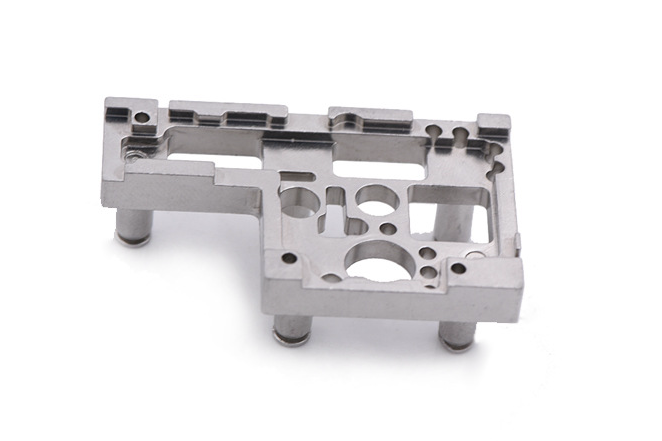
When Is Metal Injection Molding Suitable For Custom Parts?
Metal injection molding is suitable when a part is small, complex, metal, and repeated enough to justify tooling and process development. MIM is often reviewed for parts with small holes, thin walls, fine features, curved surfaces, internal geometry, and shapes that would require extensive machining from solid stock.
The buyer should define what the MIM part must prove. If the part needs a few early prototypes, CNC machining or 3D printing may be more practical. If the part has many repeated features and the design is mature enough for tooling, MIM may become more attractive. If the part needs wrought material behavior or tight machined datum surfaces, secondary machining or another route may still be needed.
For process basics, buyers can review how metal injection molding works.
Which MIM Process Stages Affect RFQ Decisions?
The MIM process stages affect RFQ decisions because each stage changes part risk. Feedstock preparation affects material consistency. Injection molding affects green part geometry. Debinding removes binder from the molded part. Sintering densifies the part and introduces shrinkage. Secondary operations may adjust critical surfaces, threads, heat treatment, or surface finish.
Buyers should ask which stage controls the critical feature. A molded feature may change during sintering. A tight hole may need secondary machining. A surface that requires plating or passivation may need post-sinter cleaning. The RFQ should state which features must be molded near final shape and which features can be finished later.
MIM Process Stage | Manufacturing Risk | RFQ Detail To Provide |
|---|---|---|
Feedstock and molding | Material consistency, flow, parting line, and green part handling | Material grade, feature detail, cosmetic faces, and tool requirements |
Debinding | Binder removal, distortion, and fragile brown part handling | Wall thickness, fragile features, and critical surface locations |
Sintering | Shrinkage, density, distortion, and dimensional control | Critical dimensions, datum scheme, and inspection plan |
Secondary operations | Machined datums, threads, heat treatment, and surface finish | Post-sinter machining, finishing, and record requirements |
Which Materials Are Common For MIM Custom Parts?
MIM material selection should follow required strength, corrosion resistance, hardness, wear behavior, magnetic behavior, heat exposure, and surface finish. Common discussions may include stainless steels such as 17-4 PH, 316L, and 420, low alloy steels, tool steels, nickel alloys, and titanium alloys depending on the application and process capability.
The RFQ should state the exact grade if the material is fixed. If alternatives are allowed, the buyer should identify which properties matter most. A corrosion-resistant housing may require a different grade than a wear component, a magnetic component, or a hardenable tool feature.
Useful material references include MIM materials and properties, MIM 17-4 PH stainless steel, MIM 316 and 316L stainless steel, and MIM 420 stainless steel.
Which Part Features Benefit Most From MIM?
Part features that benefit from MIM often include small complex shapes, thin walls, ribs, slots, holes, teeth, internal channels, curved surfaces, and integrated details that would be costly to machine one by one. MIM can also support part consolidation when several small components can be converted into one molded and sintered metal part.
Buyers should identify functional zones before quotation. A gear tooth, hinge feature, locking surface, flow path, or mating face may need different inspection than a non-functional exterior surface. If a feature is too small, too sharp, too deep, or difficult to debind, the supplier needs to review the geometry before tooling.
MIM benefits are strongest when the buyer connects complex geometry to a real product function. Extra complexity that does not improve fit, load transfer, wear, flow, assembly, or weight may add tooling and inspection risk.
How Should Buyers Manage Tolerance And Shrinkage Risk?
Buyers should manage tolerance and shrinkage risk by identifying critical dimensions, datum features, and inspection methods before the quote. MIM parts shrink during sintering, and that shrinkage must be controlled through tooling, feedstock, process settings, and inspection. Critical features may still need secondary machining if the requirement is tighter than the molded and sintered process can support.
A drawing should separate critical dimensions from general dimensions. Datum-controlled faces, bearing surfaces, threads, sealing areas, press-fit holes, and alignment features should be marked clearly. If secondary machining is acceptable, the RFQ should identify which surfaces can be machined after sintering.
Inspection may include visual inspection, dimensional inspection, coordinate measuring machine checks, pin gauges, thread gauges, density checks, hardness checks, surface finish review, and material certification depending on buyer requirements.
How Does MIM Compare With CNC Machining And Casting?
MIM should be compared with CNC machining and casting by part size, complexity, material, quantity, tolerance plan, and secondary operation needs. CNC machining is often practical for prototypes, low quantities, and tight machined datums. Die casting or investment casting may be better for larger parts or different alloy and geometry requirements. MIM is most relevant for small complex metal parts where tooling can be justified.
The buyer should not choose MIM only because a part is metal. MIM needs tooling, sintering control, and process validation. The part geometry should take advantage of molded complexity, and the expected demand should support process development.
For comparison, buyers can review MIM vs CNC machining, die casting, and investment casting.
Which Secondary Operations Should Be Included In A MIM Quote?
Secondary operations should be included when the MIM part needs machined datums, drilled or tapped holes, reamed features, heat treatment, passivation, plating, polishing, tumbling, shot blasting, laser marking, or assembly. These operations can change cost, lead time, inspection, and final acceptance.
Buyers should state whether the supplier is responsible for the full finished component or only the molded and sintered blank. If finishing is included, the RFQ should connect MIM processing, secondary machining, surface treatment, inspection, and packaging. If finishing is outside supplier scope, the transfer condition should still be defined.
MIM Secondary Operation | Reason To Include | RFQ Detail Needed |
|---|---|---|
Secondary machining | Improves critical datum, hole, thread, or sealing feature control | Machined surfaces, tolerance need, and inspection records |
Heat treatment | Adjusts hardness, strength, or wear behavior when material allows | Required property, acceptance criteria, and test record |
Surface finishing | Improves appearance, corrosion resistance, or handling surface | Finish type, cosmetic zones, and surface acceptance criteria |
Assembly or marking | Prepares the part for downstream use or traceability | Assembly scope, marking location, and packaging requirement |
What Should A MIM Custom Parts RFQ Include?
A MIM custom parts RFQ should include the 3D model, 2D drawing, material grade, expected quantity stage, target application, critical dimensions, datum scheme, wall thickness concerns, surface finish, secondary operations, inspection records, heat treatment, packaging needs, and any validation responsibility assigned to the buyer or supplier.
Buyers should also identify flexible features. A radius, wall thickness, hole depth, or non-critical surface may be adjustable for molding, debinding, and sintering. A bearing surface, press-fit feature, threaded hole, or sealing face may need stronger control or secondary machining.
MIM custom parts are easier to quote when the buyer connects material, geometry, shrinkage control, secondary operations, and inspection before tooling. A clear RFQ helps determine whether MIM is the right manufacturing route for the custom metal part.
Related FAQs