Which materials are suitable for metal injection molding?
Which materials are suitable for metal injection molding?
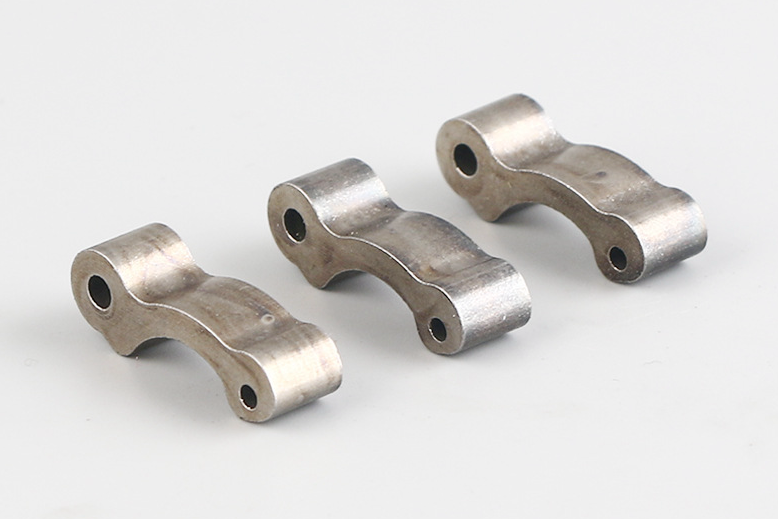
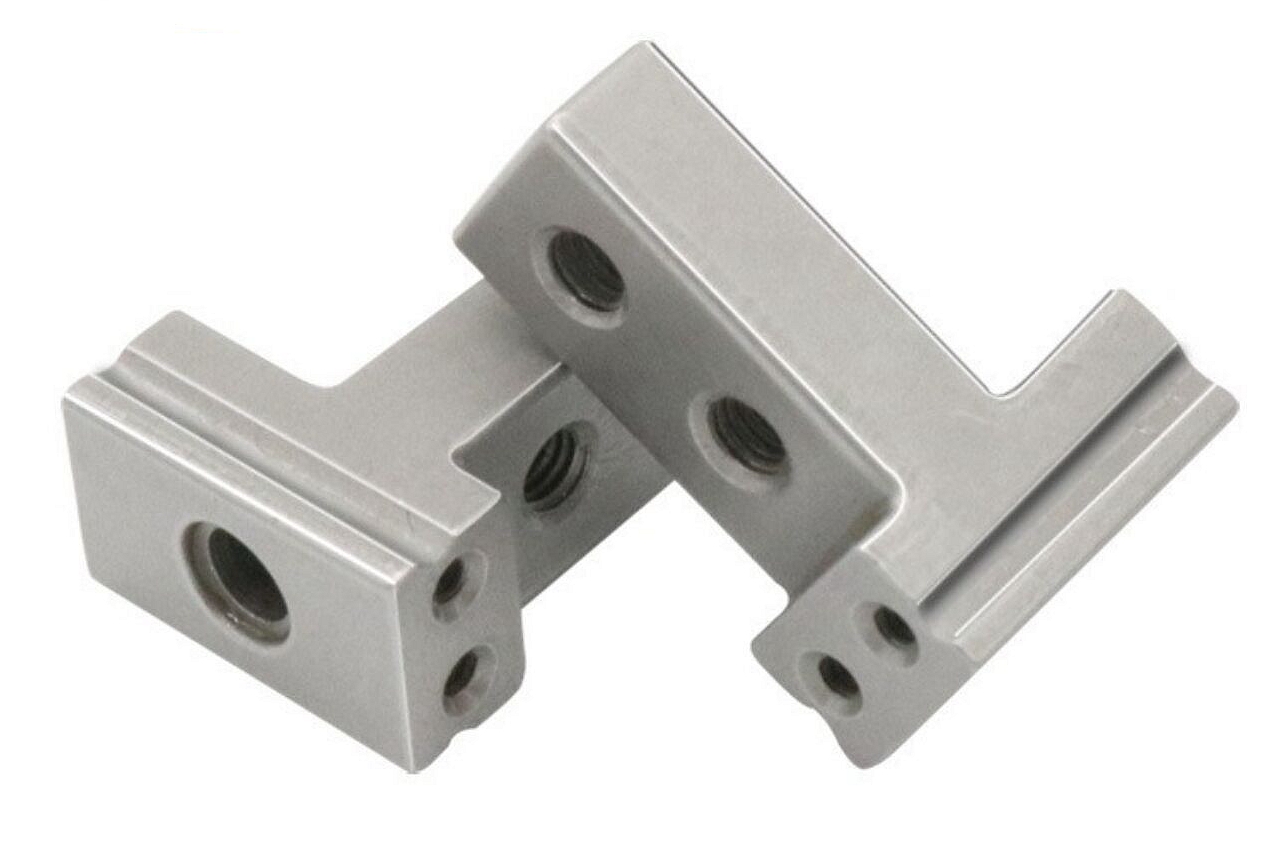
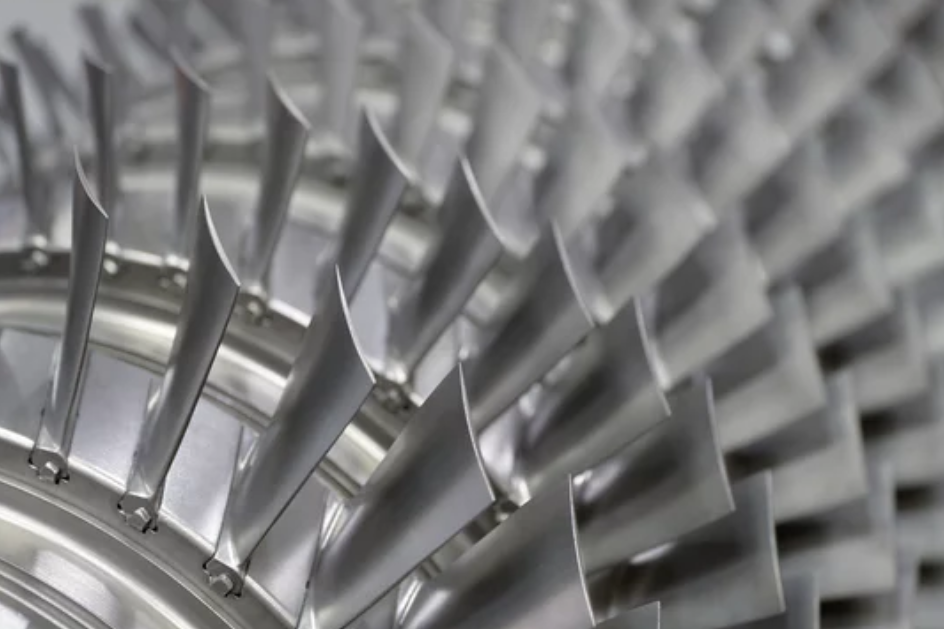
Materials suitable for metal injection molding include stainless steels, low-alloy steels, tool steels, soft magnetic alloys, tungsten alloys, cobalt-based alloys, titanium alloys, and other feedstock systems that can be molded, debound, and sintered with stable dimensional control. The practical RFQ problem is choosing a MIM material that fits the part function, geometry, shrinkage behavior, heat treatment, surface finishing, and inspection requirements before tooling is released.
Material selection for MIM should not be reduced to a generic alloy name. A small latch, connector shell, gear, surgical instrument component, magnetic rotor part, or high-density tungsten component may need different material properties, sintering behavior, secondary machining, coating, or validation evidence. Buyers should define the application environment, required strength or hardness, corrosion exposure, magnetic response, wear surface, and final inspection method during quotation.
When are stainless steels used for MIM parts?
Stainless steels are widely reviewed for MIM parts because stainless steel grades can support corrosion resistance, strength, hardness, surface finishing, and clean appearance when the grade matches the application. Common stainless steel MIM options include MIM 17-4 PH, MIM 316L, MIM 420, MIM 430, and MIM 440C, subject to feedstock availability and drawing review.
MIM 17-4 PH may be reviewed when precipitation hardening, mechanical strength, and corrosion behavior are important. MIM 316L may be reviewed when corrosion resistance and non-hardened stainless steel behavior are more relevant. MIM 420 or 440C may be reviewed when hardness or wear behavior matters. Buyers should confirm heat treatment, passivation, polishing, plating, hardness testing, corrosion expectations, and acceptance criteria instead of assuming every stainless steel MIM grade behaves the same.
When do low-alloy and tool steels fit metal injection molding?
Low-alloy steels and tool steels are considered when the part needs strength, wear resistance, heat treatment response, or a lower-cost ferrous material route compared with stainless steel or specialty alloys. Examples in the MIM material family may include MIM 4140, MIM 4340, MIM 8620, and tool steel grades such as MIM D2, MIM M2, or MIM H13 when the application and feedstock route are suitable.
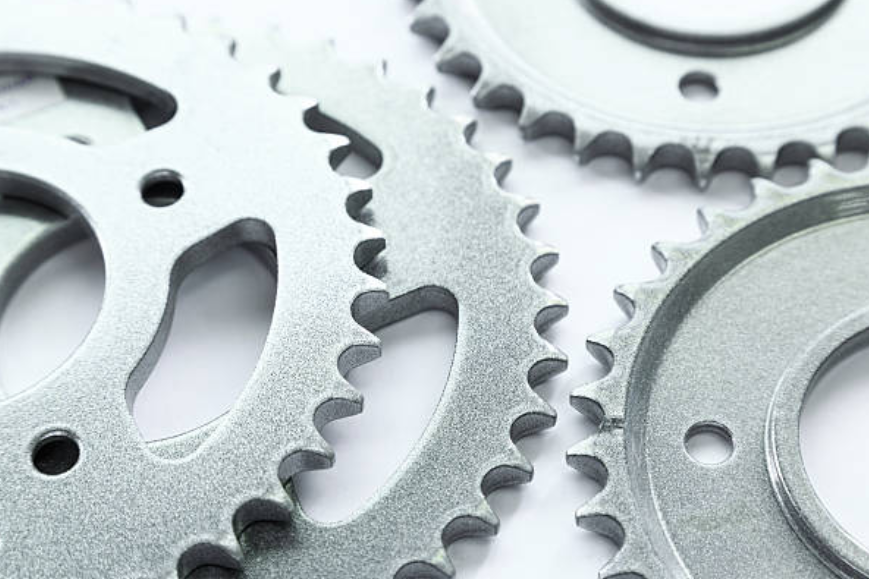
These materials often require careful review of heat treatment, hardness, distortion, surface finish, and corrosion protection. A low-alloy steel MIM gear, cam, latch, or tool component may need carburizing, hardening, tempering, coating, or grinding after sintering. The RFQ should identify load direction, wear surfaces, sliding contact, impact exposure, and any hardness or case-depth requirements that must be validated by the buyer.
Which magnetic, tungsten, cobalt, and titanium alloys can be reviewed?
Specialty MIM materials are reviewed when stainless steel or low-alloy steel does not meet the functional requirement. Soft magnetic alloys such as Fe-Ni, Fe-Si, or Fe-Co systems may be considered for magnetic response in small electromagnetic or motor-related parts. Tungsten alloys such as MIM W-Ni-Fe, W-Ni-Cu, W-Cu, or related systems may be reviewed where high density, shielding, or balance weight behavior is relevant.
Cobalt-based alloys and titanium alloys may be reviewed for specific strength, corrosion behavior, wear behavior, temperature exposure, or regulated-use requirements when buyer specifications and validation criteria are defined. Examples include cobalt-chromium systems and MIM Ti-6Al-4V Grade 5. For medical, aerospace, defense, or other regulated applications, material use should be treated as subject to buyer approval, qualification, documentation, and acceptance criteria.
How do materials affect MIM shrinkage and tolerance?
Each MIM material system can shrink differently during debinding and sintering. Powder particle size, powder loading, binder system, density target, sintering atmosphere, thermal profile, and support fixture design all influence final dimensions. Because of this, a MIM material decision affects tooling compensation, datum planning, wall thickness review, and whether secondary machining is needed.
The buyer should connect material selection with tolerance requirements. If a part has precision bores, threads, sealing faces, bearing seats, or several tight datums on different planes, the RFQ should identify those features early. Some dimensions may remain as-sintered after process review, while critical features may need CNC machining, reaming, tapping, grinding, or lapping after sintering.
How do finishing and inspection change MIM material selection?
Finishing and inspection can change the best MIM material choice. Stainless steel parts may require passivation, electropolishing, polishing, or plating. Low-alloy steel parts may require coating, black oxide, or another corrosion-control route. Tool steels may require heat treatment and grinding. Magnetic materials may require magnetic-property protection during thermal processing. Tungsten and copper-containing materials may require special attention to density, conductivity, or surface condition.
Inspection evidence should be defined with the material. Depending on the MIM part, buyers may require material certificate, density check, hardness test, dimensional report, CMM report, magnetic property test, surface roughness report, coating thickness report, or visual inspection standard. These requirements affect quotation because the same alloy can have different manufacturing cost and risk when the inspection package changes.
MIM Material Family | Typical Part Review | Manufacturing Risk to Check | RFQ Information Needed |
Stainless steels | Lock parts, hinges, consumer components, connector shells, instrument parts, and corrosion-exposed small components | Heat treatment, passivation, polishing, corrosion expectation, and dimensional stability | Grade, hardness target, finish requirement, critical dimensions, and inspection evidence |
Low-alloy and tool steels | Gears, cams, levers, latches, wear components, and tool-related small metal parts | Hardening distortion, wear surface control, coating need, and post-sinter machining | Load condition, heat treatment, wear requirement, surface finish, and datum structure |
Soft magnetic alloys | Motor, sensor, actuator, and electromagnetic components | Magnetic property change, sintering atmosphere, heat treatment, and dimensional control | Magnetic requirement, electrical requirement, critical geometry, and test method |
Tungsten, cobalt, and titanium alloys | High-density parts, wear parts, specialized corrosion-related parts, or regulated-use components | Feedstock availability, density, finishing response, qualification requirement, and documentation | Material specification, application environment, validation plan, and acceptance criteria |
What should buyers provide for a MIM material RFQ?
A MIM material RFQ should include the 2D drawing, 3D model, target material grade or property requirement, expected annual quantity, prototype or production stage, critical dimensions, surface finish, heat treatment, coating or plating requirement, application environment, and inspection package. If the buyer has not selected a material, the RFQ should describe corrosion exposure, load, wear, magnetism, density, temperature, electrical behavior, and any regulated-use constraints.
This information helps the manufacturing team compare MIM material families and decide whether another route, such as CNC machining, investment casting, die casting, stamping, or powder pressing, should also be reviewed. A material that looks suitable in a general list may still be unsuitable if the geometry, tolerance, post-processing, or validation requirement does not fit the MIM process.
Related FAQs
Which materials are suitable for metal injection molding MIM?
What materials and surface treatments suit steam-sterilized surgical instruments?
What materials and heat treatments suit gears under high-frequency impact loads?
Which materials fit continuous high-temperature internal structures?
What should OEM buyers provide when requesting a quote for custom stainless steel MIM parts?