What materials and surface treatments suit steam-sterilized surgical instruments?
This FAQ explains how buyers can shortlist materials and surface treatments for steam-sterilized surgical instruments and reusable medical tool components made by metal injection molding, CNC machining, heat treatment, passivation, and electropolishing. The practical RFQ problem is to define steam sterilization exposure, cleaning geometry, material grade, surface treatment, inspection method, and validation responsibility before Neway quotes small jaws, handles, hinges, clamps, links, housings, or actuator parts. Material selection can support corrosion resistance and dimensional stability, but the buyer or device manufacturer must validate cleaning, sterilization, labeling, and medical compliance for the finished instrument system.
Which material families fit steam-sterilized surgical instruments?
Stainless steel is usually the first material family reviewed for reusable surgical instrument components exposed to steam sterilization. Austenitic stainless steels such as MIM 316L are often considered when corrosion resistance and cleanable surfaces matter more than very high hardness. Precipitation-hardening stainless steels such as MIM 17-4 PH may be reviewed when the instrument component needs higher strength after heat treatment.
Martensitic stainless steels such as MIM 420 or MIM 440C can be reviewed for wear surfaces, latch features, or cutting-related components where hardness is important. Those grades need careful discussion because higher hardness and carbon content can change corrosion behavior after repeated cleaning and steam sterilization cycles. The RFQ should separate corrosion-critical handles, strength-critical links, and wear-critical edges instead of asking for one material to solve every instrument requirement.
Neway can support medical device buyers with material and process selection through the medical device manufacturing route, but candidate materials are not a substitute for the buyer's sterilization validation, cleaning validation, and biological evaluation process. The buyer should specify whether the component is a reusable external instrument part, a non-patient-contact handle, a patient-contact tool feature, or an implant-related component because those categories can require different evidence.
How do MIM stainless steels compare for reusable tool components?
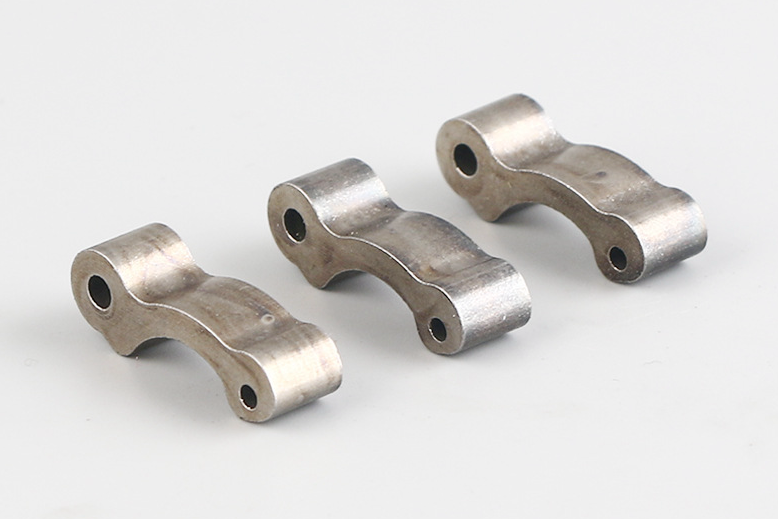
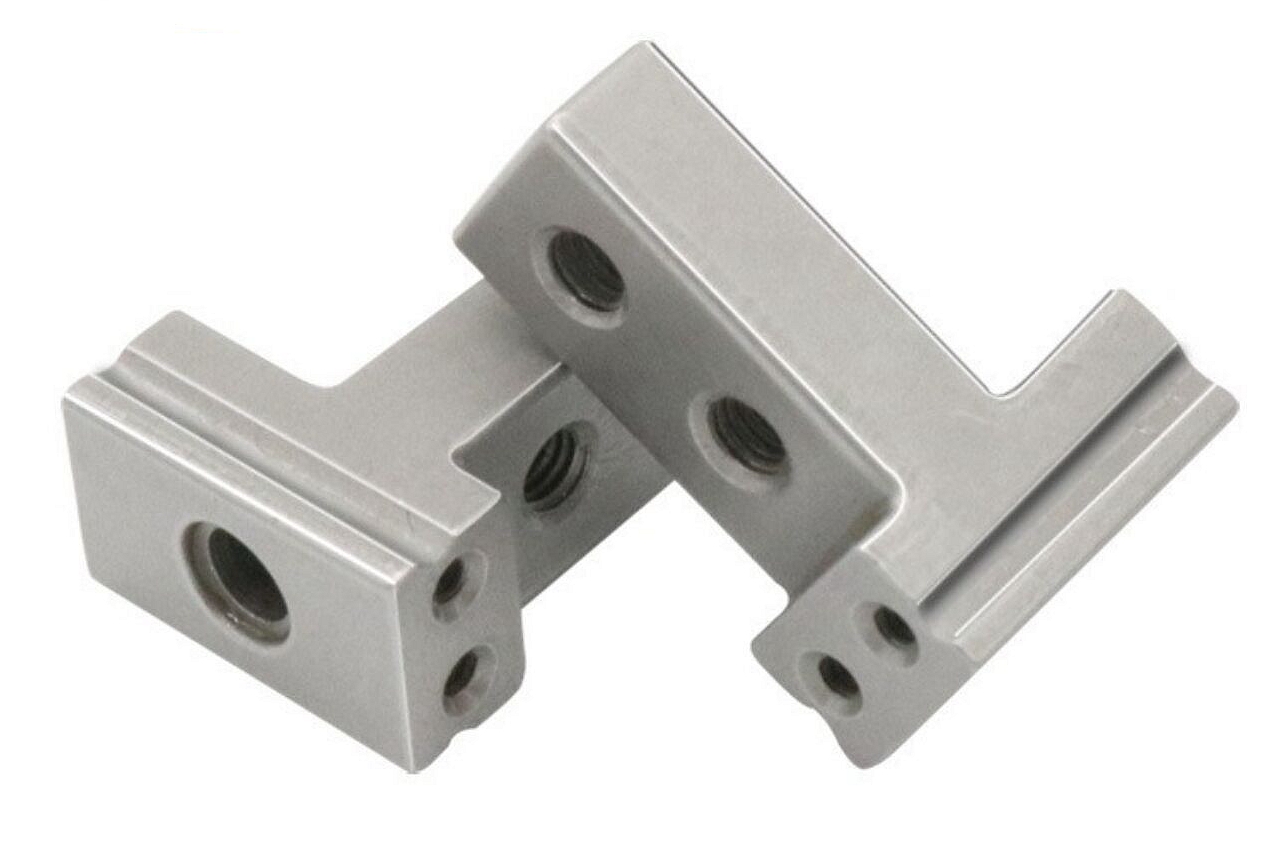
MIM is strongest for small, complex stainless steel components where machining would create cost, burr, or geometry limits. Surgical instrument jaws, miniature hinges, drive links, ratchet features, and ergonomic metal inserts can benefit from near-net-shape molding because the MIM process forms complex geometry before sintering. Buyers should still identify datum faces, threaded holes, sealing interfaces, and final machined features because MIM shrinkage and sintering behavior must be controlled for the required dimensional report.
Instrument component requirement | Candidate material route | Surface or secondary process review | RFQ evidence to request |
|---|---|---|---|
Reusable handle, clamp body, or non-cutting jaw | MIM 316L stainless steel or machined 316L stainless steel | Passivation, electropolishing, deburring, and controlled surface roughness | Material certificate where available, dimensional report, surface finish requirement, and corrosion test plan |
Small hinge, linkage, ratchet, or actuator feature | MIM 17-4 PH stainless steel with heat treatment review | Heat treatment, secondary machining on datum faces, and passivation | Heat treatment condition, hardness range, critical dimensions, and inspection method |
Wear surface or cutting-related feature | MIM 420 or MIM 440C only after buyer validation | Heat treatment, edge finishing, corrosion review, and coating compatibility review if required | Hardness target, edge geometry, corrosion exposure, and sterilization cycle validation plan |
Prototype for ergonomic or assembly validation | CNC machining prototyping or 3D printing prototyping before MIM tooling | Deburring, cleaning, trial surface finish, and assembly checks | Prototype quantity, drawings, fit-check dimensions, and functional test requirements |
This comparison should be used as an RFQ starting point, not as a medical material approval. The buyer should define acceptance criteria for corrosion, cleaning residues, repeated steam exposure, wear, sharpness, torque, and dimensional stability before selecting the final alloy route.
Which surface treatments help manage corrosion and cleanability?
Passivation is commonly reviewed for stainless steel surgical instrument components because passivation removes free iron from the surface and supports the chromium-rich passive layer. For RFQs, passivation should be tied to the exact stainless steel grade, cleaning route, handling control, and post-process inspection. A passivation request without a material grade and cleaning requirement leaves too much interpretation for a medical tool component.
Electropolishing can improve cleanability by smoothing micro-peaks and reducing burr-related traps on stainless steel surfaces. Electropolishing is especially useful when a small MIM component includes slots, hinge areas, shallow channels, or handling surfaces that must be easier to clean. Buyers should specify target surface roughness, cosmetic limits, edge break requirements, and masked areas because electropolishing can slightly change dimensions on thin edges and fine features.
Other surface finishing choices should be reviewed carefully for steam sterilization. Brushing, blasting, PVD, nitriding, or coating systems may help glare control, wear resistance, or friction behavior, but each finish can also add cleaning, delamination, or crevice risk if the finish is not matched to the instrument geometry. For reusable surgical instrument components, surface treatment selection should connect corrosion resistance, cleanability, wear behavior, and inspection evidence.
What design details affect cleaning and steam sterilization risk?
Cleaning risk is often created by geometry rather than by the material alone. Deep blind holes, tight crevices, rough internal corners, overlapping joints, and trapped assemblies can make a stainless steel component harder to clean before steam sterilization. Buyers should identify cleanable radii, open drain paths, accessible hinge gaps, and deburred edges during the RFQ stage so manufacturing decisions do not create hidden reprocessing problems later.
For MIM parts, design-for-manufacturing review should also include wall thickness balance, gate location, sintering distortion risk, machining allowance, and datum strategy. Complex small parts can be formed by MIM, but the buyer should mark dimensions that control assembly fit, instrument motion, sealing contact, or blade alignment. Those dimensions may need secondary machining, grinding, lapping, or 100% inspection depending on the medical device buyer's risk classification.
During early development, buyers can use CNC machining prototyping or 3D printing prototyping to test instrument handling, cleanability access, and assembly motion before MIM tooling. Prototype materials and finishes may not represent the final validated product, so prototype results should be used to refine the design and RFQ evidence rather than to replace final validation.
What inspection and validation evidence should buyers request?
Buyers should request evidence that matches the part risk and the manufacturing process. For MIM stainless steel components, useful manufacturing evidence can include incoming material records, sintering batch traceability, density or mechanical property checks where specified, dimensional inspection reports, hardness results after heat treatment, and surface finish inspection after passivation or electropolishing.
For steam-sterilized surgical instruments, the buyer should separately plan cleaning validation, sterilization validation, corrosion testing, packaging compatibility, and labeling requirements for the finished instrument. Neway can provide component manufacturing data and support prototype iterations, but final medical device conformity depends on the buyer's device design, intended use, reprocessing instructions, regulatory pathway, and qualified validation program.
Important buyer decisions should be made early: choose the alloy family by corrosion and strength requirement, choose the surface finish by cleanability and wear requirement, choose the process route by part geometry and volume, and choose the inspection plan by critical dimensions and medical risk. When these decisions are missing from the RFQ, quotation can become slower and the first samples may not answer the buyer's real validation question.
What RFQ details help Neway quote surgical instrument components?
A clear RFQ should include 2D drawings, 3D files, material grade preference, annual volume, prototype quantity, critical dimensions, surface roughness targets, passivation or electropolishing requirements, heat treatment condition, cleaning-sensitive geometry notes, and the expected inspection report format. Buyers should also state whether the part will be used in repeated steam sterilization, chemical cleaning, ultrasonic cleaning, manual cleaning, or a mixed reprocessing route.
For cutting, gripping, or load-bearing surgical instrument features, the RFQ should include load cases, hardness targets, edge geometry, wear expectations, and acceptance tests. For handles, housings, and links, the RFQ should include ergonomic constraints, assembly interfaces, corrosion exposure, and cosmetic requirements. This detail helps Neway recommend whether MIM, CNC machining, prototype tooling, or a hybrid manufacturing route is more suitable for the instrument component.
The safest quotation path is to treat material choice, surface treatment, inspection, and validation as connected decisions. MIM 316L, MIM 17-4 PH, MIM 420, and MIM 440C can each serve different surgical instrument component needs, but the final selection should be based on the buyer's cleaning process, steam sterilization cycle, mechanical load, corrosion exposure, and documented acceptance criteria.
Related FAQs
Can MIM medical parts match the mechanical properties of machined components?
How to control sharpness and consistency for micro-machined surgical blades?
How does Neway support ISO 13485 and medical device quality requirements?
What tests should be performed on functional prototype parts?
What information should buyers provide for an accurate prototype quote?
How is dimensional consistency controlled in MIM mass production?
What quality inspection methods are used for tight tolerance MIM components?