How does Neway meet ISO 13485 and other medical device quality regulations?
Neway supports ISO 13485 and medical device quality requirements by controlling manufacturing evidence for metal injection molding, CNC machining, heat treatment, surface finishing, inspection, traceability, and change control. This FAQ explains how buyers should evaluate Neway for MIM surgical instrument parts, medical device mechanisms, miniature metal housings, implant trial components, and tight tolerance medical tool components. The practical RFQ problem is to define the component risk, material records, process validation evidence, inspection plan, and regulatory documentation responsibility before quotation, because final medical device approval remains the buyer's responsibility.
What does ISO 13485 mean for a component supplier?
ISO 13485 is a medical device quality management system standard, so a component supplier must show that manufacturing controls, records, and change management can support the buyer's medical device program. For Neway, the practical focus is not a broad claim about the finished device. The practical focus is component-level control: drawings, material records, manufacturing instructions, inspection reports, lot traceability, nonconformance handling, and controlled changes.
For buyers selling into the United States, the FDA Quality Management System Regulation, or QMSR, became effective on February 2, 2026 and incorporates ISO 13485:2016 by reference. That does not make a component supplier the legal manufacturer of the finished device. It means buyers need supplier evidence that can fit their quality system, design history file, device master record, purchasing controls, and production controls.
Neway can provide manufacturing and inspection evidence for medical components, but the buyer should confirm which ISO 13485, FDA, EU MDR, customer audit, or internal quality requirements apply to the finished product. The RFQ should state whether the part is a prototype, validation sample, clinical evaluation component, production component, or replacement part because each stage can need different documentation.
Which manufacturing controls support medical MIM parts?
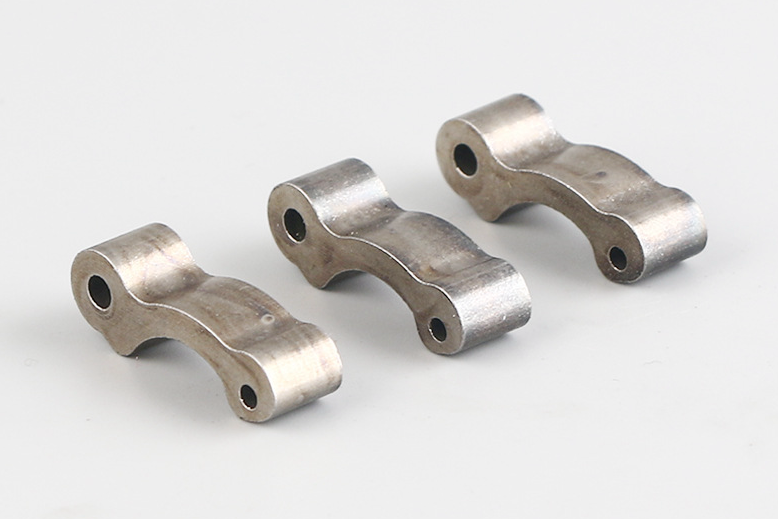
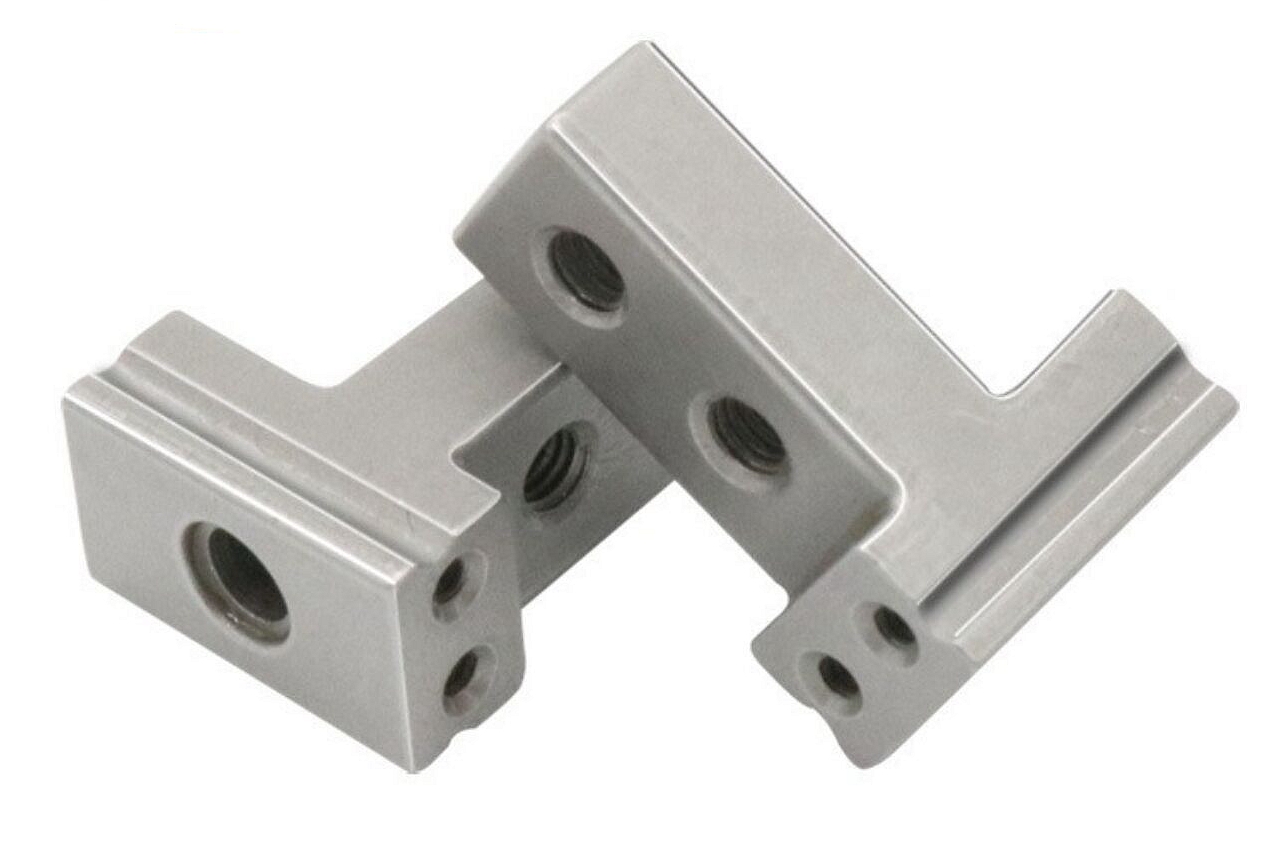
MIM medical components need controls across feedstock, tooling, molding, debinding, sintering, heat treatment, secondary machining, surface finishing, and final inspection. Each stage can affect density, shrinkage, strength, hardness, dimensional stability, burr condition, corrosion behavior, and assembly fit. For medical parts such as miniature jaws, surgical instrument links, clamps, housings, and precision mechanisms, Neway should connect process controls to critical-to-quality features on the drawing.
Material grade selection should be explicit. MIM 316L may be reviewed when corrosion resistance and cleanability are important. MIM 17-4 PH may be reviewed when strength and heat treatment response are important. Other alloys may be reviewed only after the buyer defines contact condition, cleaning exposure, mechanical load, and validation requirements.
Manufacturing controls should also define who can approve process changes. If a sintering cycle, heat treatment condition, passivation route, machining datum, inspection gauge, or supplier lot changes, the buyer may require notification, approval, or revalidation. This is why medical device RFQs should include change-control expectations at the beginning, not after first article samples are produced.
What traceability records should buyers request?
Traceability should connect the component lot to the material lot, manufacturing route, inspection data, and shipped quantity. Useful records can include material certificates where available, purchase lot records, process traveler information, heat treatment records, surface treatment records, dimensional inspection reports, hardness results, surface roughness reports, and nonconformance or deviation records if applicable. The exact record set should match the component risk and buyer quality agreement.
For stainless steel surgical instrument components, the buyer may also request records for passivation, electropolishing, or other surface finishing operations. For heat-treated MIM components, the buyer should define the required evidence for heat treatment, hardness, and dimensional condition after processing.
Traceability is only useful when the buyer knows how the records will be used. A prototype RFQ may need a short report for design learning. A production RFQ may need lot traceability, certificate retention, inspection sampling, calibration records, and change notification. Buyers should state record retention, language, file format, and audit access requirements before quotation.
How should process validation be discussed in an RFQ?
Process validation should be discussed by manufacturing stage and part risk. For a MIM medical component, validation questions may include whether tooling can repeat the geometry, whether sintering shrinkage remains within the dimensional plan, whether heat treatment changes critical features, whether secondary machining holds datum surfaces, and whether surface finishing leaves the part cleanable and corrosion resistant. These questions are more useful than asking for a generic validation package.
Buyers may ask for IQ, OQ, and PQ-style evidence when a production process must be qualified. Neway can support manufacturing data, first article inspection, capability study discussion, sample builds, and process control plans where agreed. The buyer should specify which characteristics are critical, which sample size is needed, which statistical method is expected, and which acceptance limits apply.
For early prototypes, full production validation may not be appropriate. CNC machining prototyping, 3D printing prototyping, or pilot MIM samples can be used to test assembly, ergonomics, cleaning access, and functional performance before production tooling is frozen. The buyer should label prototype parts and validation parts clearly so records are not confused later.
What inspection evidence supports medical device components?
Inspection evidence should prove the component meets the drawing and the agreed quality plan. For tight tolerance MIM medical parts, useful methods include CMM inspection, optical measurement, surface roughness measurement, hardness testing, visual burr inspection, gauge checks, and functional fit checks. For internal defects or complex geometry, buyers may discuss advanced inspection methods such as industrial CT only when the risk and cost justify the method.
Quality requirement area | Component evidence Neway can support | Buyer RFQ decision | Medical documentation implication |
|---|---|---|---|
Material and lot control | Material grade records, lot tracking, heat treatment or surface treatment records | Which records are required for each shipment | Supports purchasing controls and traceability files |
Dimensional conformity | FAI, CMM report, optical inspection, gauge results, and critical dimension sampling | Which dimensions are critical-to-quality | Supports production release and incoming inspection |
Process stability | Control plan, process traveler, batch data, and agreed capability review | Which process changes require buyer approval | Supports process validation and change control |
Surface and cleaning risk | Surface roughness, burr inspection, passivation or electropolishing records | Which surfaces require special handling or inspection | Supports cleaning, sterilization, and corrosion validation by the buyer |
Inspection evidence should be selected because it answers a buyer question. If the buyer needs assembly fit, the report should focus on datums, bores, interface faces, and functional gauges. If the buyer needs reprocessing support, the report should focus on cleanable geometry, burr control, surface roughness, corrosion-related finish, and material records.
What regulatory boundaries should be clear before production?
The buyer should define the boundary between component manufacturing support and finished medical device responsibility. Neway can manufacture parts, provide process records, support inspections, and help with prototype or production iterations. The buyer or device manufacturer must decide the intended use, risk classification, design verification, sterilization validation, cleaning validation, packaging validation, biological evaluation, clinical strategy if required, and regulatory submission path.
This boundary protects both sides. It prevents a supplier quotation from being mistaken for a finished device approval, and it helps Neway quote the correct documentation level. A medical prototype may need fast iteration and targeted test coupons. A production surgical instrument component may need formal drawings, approved suppliers, controlled revisions, lot traceability, first article inspection, and change-control agreements.
The best RFQ includes the part drawing, material grade, process route, critical-to-quality features, applicable standard or customer requirement, inspection report format, traceability level, validation sample quantity, change-control rules, and any audit requirements. When those entities are clear, Neway can provide manufacturing evidence that fits the buyer's ISO 13485 or regulatory quality plan.
Related FAQs
What materials and surface treatments suit steam-sterilized surgical instruments?
Can MIM medical parts match the mechanical properties of machined components?
How can micro-machined surgical blade sharpness be controlled?
How is full traceability supported for medical regulatory compliance?
What stages lead from implant prototype to approved mass production?
How should buyers choose a manufacturing process for prototype cost, speed, and validation?
What quality inspection methods are used for tight tolerance MIM components?
What certifications should buyers look for in a China MIM manufacturer?