How to choose the best manufacturing process for prototype cost, speed, and validation?
The best prototype manufacturing process is the process that answers the buyer's next validation question with the least unnecessary cost, time, and documentation burden. This FAQ compares 3D printing prototyping, CNC machining prototyping, rapid molding prototyping, metal injection molding pilot runs, and injection molding samples for medical device prototypes, surgical instrument components, housings, handles, links, jaws, and implant trial parts. The practical RFQ problem is to decide whether the prototype must prove appearance, assembly fit, ergonomic use, mechanical strength, surface finish, cleaning or sterilization exposure, process capability, or production cost before Neway quotes the route.
What prototype question should buyers define first?
Buyers should first define what the prototype must prove. A visual prototype answers a different question than a functional prototype, and a functional prototype answers a different question than a production validation sample. If the prototype only needs to check shape, handle feel, access, and user interface, a fast additive process may be enough. If the prototype must carry load, hold a cutting edge, pass assembly testing, or represent a future MIM or injection molded production route, the process choice must be closer to final manufacturing.
For medical device components, the buyer should also separate engineering learning from formal validation. Early prototypes can guide design decisions, but final design verification, cleaning validation, sterilization validation, and regulatory evidence usually require more controlled samples. Neway can help produce parts and manufacturing records, but the buyer or device manufacturer should define the validation plan and acceptance criteria.
The RFQ should state the prototype stage, part type, material target, critical dimensions, test method, sample quantity, expected annual production volume, and whether the buyer wants fast learning or production-representative evidence. Without that context, suppliers may quote different routes that cannot be compared fairly.
When is 3D printing the right medical prototype route?
3D printing is often the right first route when the buyer needs quick design feedback, ergonomic review, assembly clearance, or concept comparison. Printed prototypes can help medical device teams evaluate handle size, housing shape, cable routing, display placement, access windows, or tool reach before spending money on machining fixtures or prototype tools. For metal components, printed samples can also help review mass, geometry, and packaging when final mechanical properties are not yet the main question.
The limitation is that 3D printing may not represent final material behavior, surface finish, tolerance, sterilization response, or molded shrinkage. A printed surgical instrument handle may help surgeons comment on grip shape, but the printed material may not answer the final resin, cleanability, or durability question. A printed metal jaw may help assembly review, but it may not replace MIM or machined samples for hardness, fatigue, burr control, or cutting performance.
Use 3D printing when speed and design learning matter more than production equivalence. Move away from 3D printing when the buyer needs validated material data, tight tolerance, production surface finish, or process capability evidence.
When should buyers choose CNC machining prototyping?
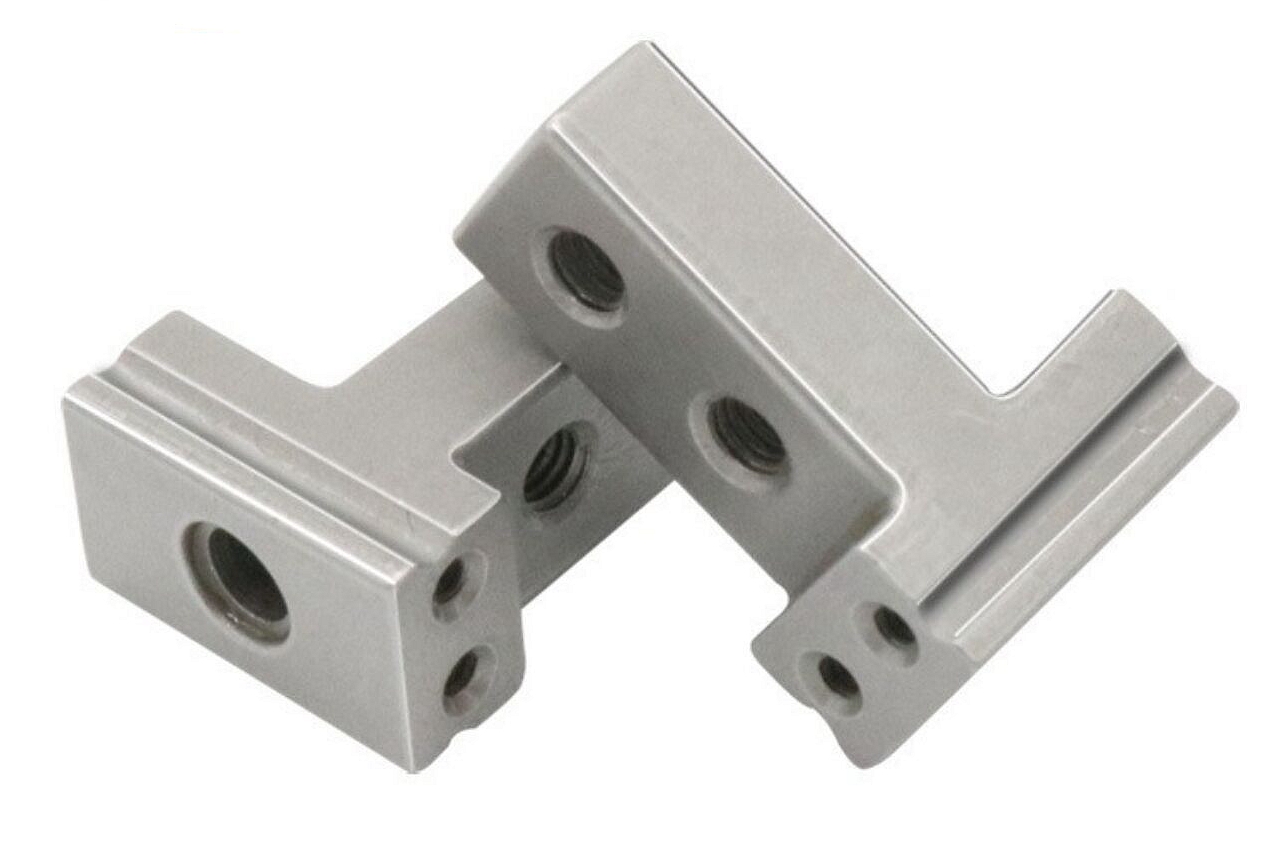
CNC machining is usually the better route when the prototype must test strength, fit, edges, threads, bearing surfaces, flatness, or machined datum features. CNC prototypes can be made from the intended metal or polymer stock, which makes the route useful for load testing, torque testing, functional cycling, assembly fit, and early medical device verification. For surgical instrument components, CNC machining can also control blade seats, pivot bores, locking features, and tight interface dimensions.
CNC machining is not always the lowest cost or fastest route for a large number of complex samples, especially when the final production route will be MIM or plastic injection molding. A machined prototype can prove function, but it may not prove sintering shrinkage, molded knit lines, tool wear, or gate-related cosmetic effects. Buyers should state whether the CNC prototype is only a functional model or a comparison baseline for a future tooling route.
For many medical programs, a practical sequence is to machine the first functional metal prototypes, refine the drawing, and then move to MIM or tooling-based samples once the geometry is stable. This sequence limits tooling risk while still giving the buyer meaningful mechanical data early.
When do rapid molding and pilot tooling matter?
Rapid molding and pilot tooling matter when the prototype must represent molded material behavior, fill pattern, shrinkage, assembly fit, clip performance, sealing geometry, or production-like surface finish. Rapid molding prototyping can be useful for medical housings, handles, caps, trays, connector shells, and overmolded grip concepts when 3D printing cannot answer the final resin question. Rapid tools can also expose design issues such as thin walls, sink risk, venting problems, and warpage before production tooling.
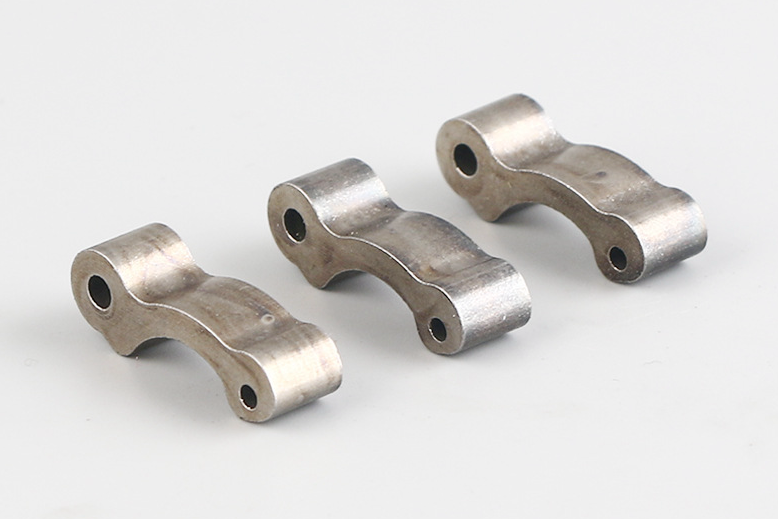
For metal medical components that may move to MIM production, pilot MIM samples help evaluate debinding, sintering shrinkage, heat treatment distortion, density control, secondary machining allowance, and surface treatment response. Pilot MIM is more representative than a machined substitute for process capability, but it requires tooling and a clearer design freeze. Buyers should enter pilot MIM only when the geometry, material grade, and validation question are mature enough to justify that step.
Rapid molding and pilot tooling should be used when the buyer needs production-route evidence. If the design is still changing every week, a tool-based route may create cost and delay without answering a stable question.
How should buyers balance cost, speed, and validation?
Cost, speed, and validation should be balanced by prototype stage. Early concept samples should be fast and inexpensive because the drawing may change. Functional samples should use closer materials, tighter inspection, and more reliable surfaces because the buyer is making engineering decisions. Validation samples should be produced under a controlled route that matches the intended manufacturing process as closely as possible.
Buyer validation question | Recommended prototype route | Manufacturing reason | RFQ information needed |
|---|---|---|---|
Does the medical device shape, grip, or access feel right? | 3D printing prototyping | Fast design iteration with low tooling commitment | 3D CAD, quantity, visual finish, ergonomic review goal |
Will the metal part carry load or fit the assembly? | CNC machining prototyping | Uses real metal or polymer stock and controlled datum features | Material, critical dimensions, load case, inspection report |
Will the molded resin part fill, shrink, and assemble correctly? | Rapid molding prototyping or injection molding pilot tooling | Shows molded material behavior and tooling-related design risk | Final resin target, surface finish, wall thickness, assembly checks |
Will a small metal part behave like future MIM production? | MIM pilot samples with secondary machining where required | Tests sintering shrinkage, heat treatment, density, and process capability | Alloy grade, critical dimensions, heat treatment, validation sample plan |
This table helps buyers compare routes without reducing the decision to price alone. A cheaper prototype can be expensive if it answers the wrong question. A slower prototype can be worthwhile if it prevents tooling rework or failed validation later.
What surface and sterilization details affect prototype choice?
Surface finish and reprocessing exposure can change the correct prototype route. A medical handle prototype for ergonomic review may not need final passivation, electropolishing, or coating. A reusable surgical instrument prototype that must go through cleaning or steam sterilization trials should use a material and surface route closer to the intended production part. Otherwise, test results may describe the prototype method rather than the final product.
For stainless steel components, buyers may request passivation, electropolishing, or other surface finishing after machining or MIM. For plastic parts, buyers should specify resin, texture, color, assembly fit, cleaning exposure, and whether the prototype must represent the final molded surface. For overmolded handles or grips, buyers may need overmolding or insert molding samples once the interface design is stable.
The buyer should decide which prototype tests are engineering screens and which tests support formal validation. Neway can supply parts and process records for the chosen stage, but the buyer should own the final test plan and acceptance limits.
What RFQ details help Neway recommend a process?
A useful RFQ includes the prototype objective, part type, 3D model, 2D drawing, material target, quantity, timing priority, critical dimensions, surface finish, test method, sterilization or cleaning exposure, expected production volume, and whether the buyer wants design learning or production-route validation. Buyers should also identify which features can change and which features are already frozen.
For medical parts, the RFQ should state whether the sample is for appearance review, functional testing, design verification, process validation, customer approval, regulatory file support, or production transfer. That stage determines whether Neway should recommend 3D printing, CNC machining, rapid molding, MIM pilot tooling, injection molding, or a hybrid route.
The strongest selection process is staged: use fast prototypes to reduce design uncertainty, use functional prototypes to test the engineering risks, use production-representative samples to validate the manufacturing route, and then freeze the inspection and documentation plan. This keeps prototype cost, speed, and validation aligned with the buyer's actual decision.
Related FAQs
What tests should be performed on functional prototype parts?
What information should buyers provide for an accurate prototype quote?
How do Neway standards align with ISO and regulatory requirements?
If a test fails, can Neway support quick redesign and re-prototyping?
How can buyers balance cost, speed, and quality during prototyping?
Can MIM medical parts match the mechanical properties of machined components?
How does Neway support ISO 13485 and medical device quality requirements?
What stages lead from implant prototype to approved mass production?