How to balance cost, speed, and quality during prototyping?
Cost, speed, and quality during prototyping should be balanced by defining what the prototype must prove before choosing the process. For RFQs involving CNC prototypes, 3D printed samples, MIM trial parts, molded plastic housings, cast samples, or assembled product mockups, buyers should separate visual review, fit check, functional testing, and production validation instead of asking one prototype to solve every development question.
How to balance cost, speed, and quality during prototyping?
The practical approach is to match prototype quality to the decision being made. Early design iterations can often use faster and lower-complexity routes. Functional tests, customer approval samples, and production-intent samples usually need stronger material matching, tighter inspection, and more controlled finishing.
Prototyping becomes inefficient when every early sample is over-specified or when a late-stage functional sample is under-specified. Buyers should decide whether the next sample must answer geometry, assembly, strength, surface finish, tolerance, material, or production-process questions.
Prototype decision | Faster or lower-cost route | Higher-confidence route | Risk if chosen poorly |
|---|---|---|---|
Form and fit review | CNC sample or molded sample when material behavior matters | Good-looking sample may fail snap-fit, heat, or load testing | |
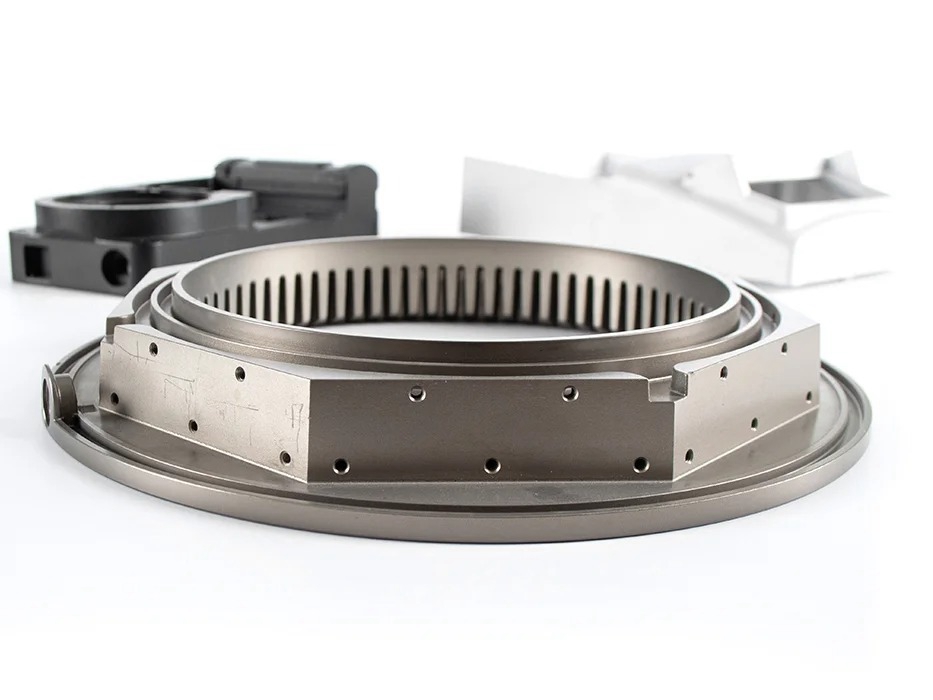
Mechanical function | CNC sample in substitute material if allowed | CNC machining prototyping in the target material | Wrong material may hide stiffness, wear, or thread problems |
MIM production review | CNC bridge sample for early fit | MIM trial sample with sintering and secondary operations | CNC sample may not show shrinkage, gate, or sintering risks |
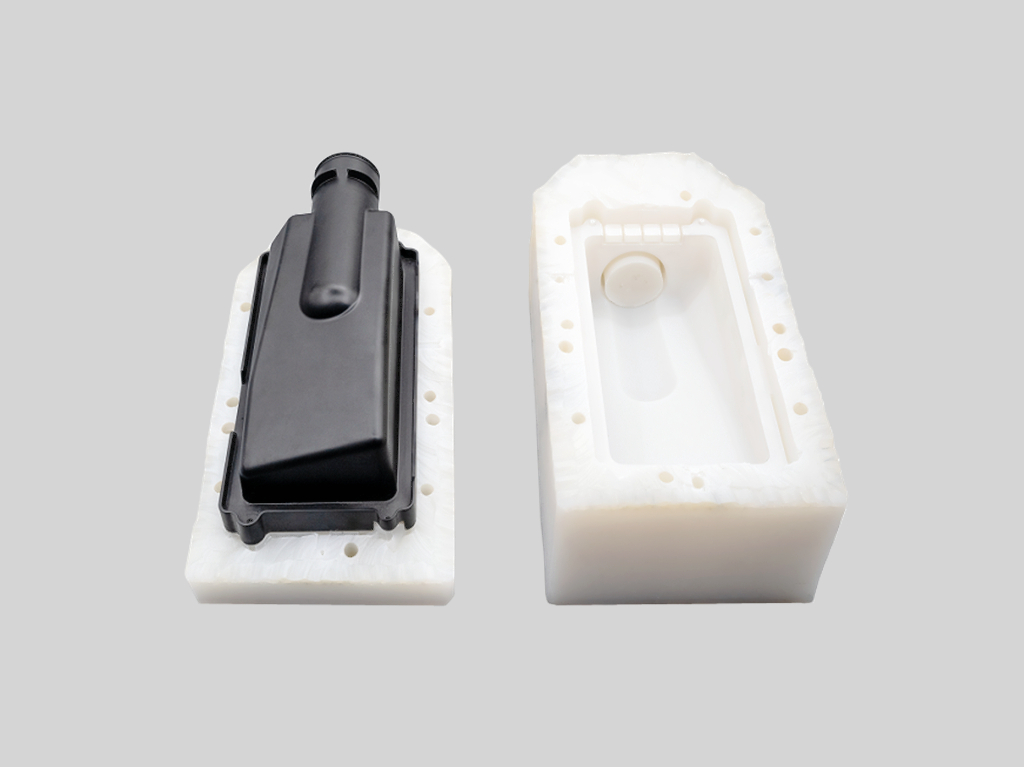
Plastic housing appearance | Printed or machined visual sample | Plastic injection molding review for texture, gate, sink, and warpage | Cosmetic approval may not transfer to molded production parts |
Cast metal structure | Machined or printed surrogate for fit | Precision casting sample when casting behavior matters | Prototype may miss wall-thickness, machining allowance, or casting defects |
What should buyers define before choosing a prototype route?
Buyers should define the prototype purpose first. A prototype for sales appearance, ergonomic review, assembly fit, strength testing, thermal testing, sealing, EMI review, or production approval needs different materials, tolerances, finish, and inspection.
The RFQ should state target material, acceptable substitute material, prototype quantity, production process target, critical dimensions, functional tests, surface finish, and inspection report needs. If a prototype is only for shape review, the buyer can usually simplify material and finishing. If a prototype must support engineering approval, the buyer should protect the functional requirements even if the sample costs more or takes longer.
When should speed be prioritized?
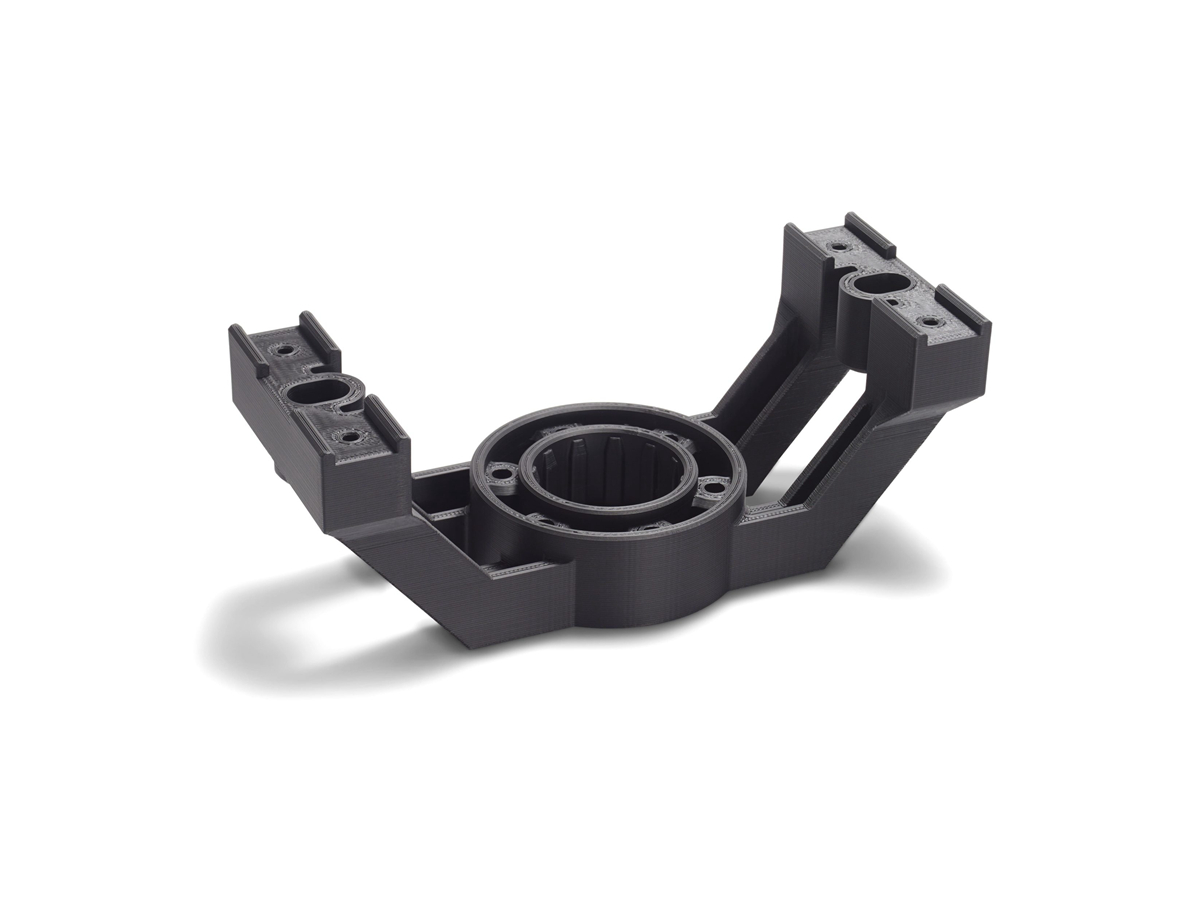
Speed should be prioritized when the buyer is still deciding the geometry, layout, hand feel, packaging, or component clearance. In that stage, 3D printing or simplified CNC machining can help teams learn quickly without committing to tooling or final finishes.
The engineering reason is that early uncertainty makes design changes likely. Spending heavily on final material, cosmetic finishing, or full inspection before the design is stable can waste budget. A fast early sample should answer a narrow question, such as whether the PCB fits, whether the grip feels correct, or whether a bracket clears a mating part.
When should quality or production realism be prioritized?
Quality or production realism should be prioritized when the prototype will support functional testing, customer approval, tooling approval, supplier qualification, or production risk review. At this stage, the sample should use the target material, target process where practical, controlled finishing, and agreed inspection.
For example, a CNC metal prototype may be suitable for strength testing, while a MIM trial sample is needed to confirm sintering shrinkage, gate-sensitive surfaces, and post-machined features. A printed plastic housing may support shape review, while a molded housing sample is better for sink, texture, and warpage review.
How does process choice affect cost, speed, and quality?
Process choice changes the tradeoff. 3D printing can reduce early iteration effort and support complex shapes, but printed material behavior may not match production. CNC machining can provide functional surfaces and target material testing, but complex geometry and tight tolerances can increase programming, setup, and machining effort.
MIM, plastic injection molding, and casting samples can better represent production behavior, but they require more process planning. These routes are usually chosen when the buyer needs production-intent information, not only shape confirmation. The buyer should ask whether the prototype is a design-learning sample or a manufacturing-validation sample.
How does material choice affect prototype tradeoffs?
Material choice affects both cost and test value. Substitute materials may be acceptable for visual models, ergonomic studies, or packaging review. Target materials are more important when the prototype must evaluate strength, heat, chemical exposure, wear, conductivity, insulation, flame behavior, or surface finish.
Buyers should define which material properties matter. If the final product uses a high-temperature plastic, stainless steel MIM, aluminum casting, or a coated surface, the prototype plan should state which properties must be represented and which properties can wait until a later sample stage.
Which post-processing and inspection steps are worth paying for?
Post-processing and inspection are worth paying for when they affect the decision. Deburring, polishing, painting, anodizing, passivation, heat treatment, coating, cleaning, and assembly checks can be important for functional or customer-facing samples. They may be unnecessary for early shape-only prototypes.
Inspection should also match the prototype purpose. A simple fit check may need only key dimensions. A functional prototype may need CMM reports, surface roughness checks, hardness tests, thread gauges, or functional gauges. Buyers should not pay for full reporting on noncritical dimensions, but key characteristics should be measured before design approval.
What RFQ details help Neway balance the three factors?
A useful RFQ includes CAD files, drawings, prototype purpose, target process, target material, substitute material permission, quantity, production volume estimate, critical dimensions, surface finish, post-processing needs, test plan, reporting requirement, and budget priority.
Neway can recommend a staged prototype plan when the buyer separates learning goals from approval goals. A staged plan may start with a fast printed model, move to a CNC functional sample, and finish with a production-intent molded, cast, or MIM sample before final tooling approval.
Related FAQs