CNC Prototyping Supplier: 15 Benefits of CNC Rapid Prototyping
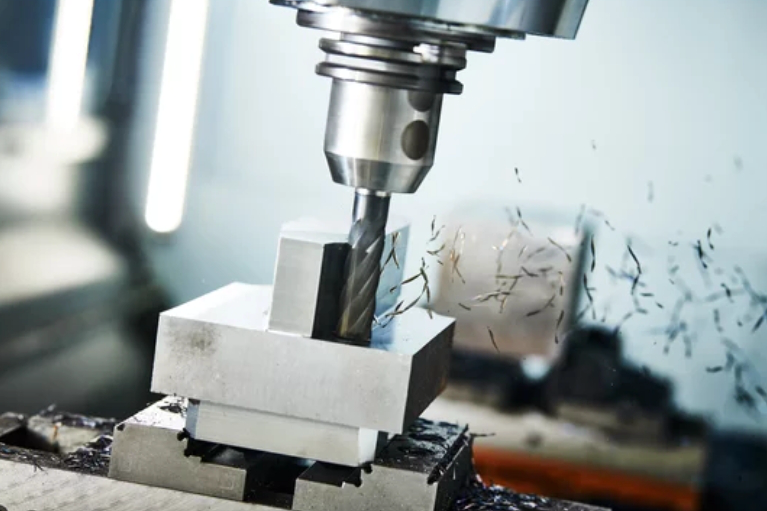
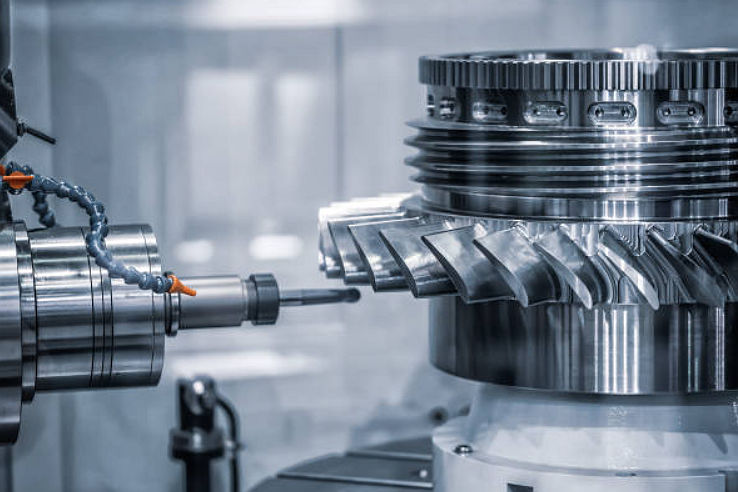
CNC rapid prototyping uses CNC milling, CNC turning, and related subtractive machining operations to make prototype parts from production-grade metals and plastics. The practical RFQ problem is deciding whether CNC machining gives enough prototype evidence for fit, function, material behavior, inspection, and low-volume production before the buyer commits to tooling or a production process.
What benefits does CNC rapid prototyping give buyers during RFQ review?
CNC rapid prototyping helps buyers validate functional parts before production tooling because the prototype can use real engineering materials, machined datums, measured features, and specified secondary operations. The main value is not only a physical sample; the value is engineering evidence that supports a safer sourcing decision.
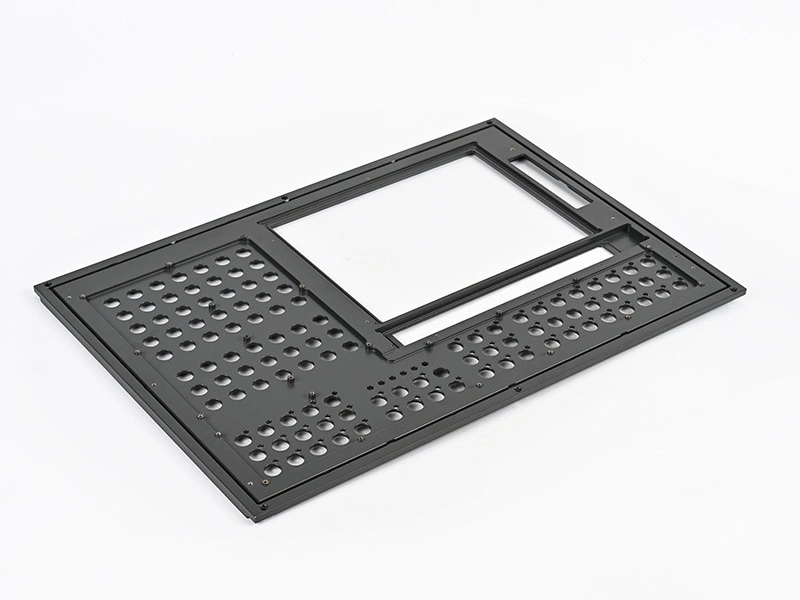
For machined housings, brackets, shafts, fixture plates, covers, connectors, and precision blocks, CNC prototyping can show whether the CAD model, material grade, tolerance plan, surface finish, and assembly method are realistic. Buyers should still define the prototype purpose clearly because an appearance prototype, a fit-check prototype, and a functional test part need different machining and inspection effort.
CNC rapid prototyping benefit | Manufacturing entity involved | Buyer decision supported |
|---|---|---|
Dimensional control | CNC milling, CNC turning, datums, inspection dimensions | Confirm whether critical interfaces can be machined and measured |
Production material testing | Aluminum, stainless steel, brass, copper, titanium, engineering plastics | Test strength, weight, conductivity, corrosion behavior, or thermal response |
Assembly fit check | Mating faces, holes, threads, dowel locations, bearing seats | Find interference, missing clearance, or datum problems before tooling |
Functional testing | Load surfaces, sealing faces, sliding features, fluid passages | Confirm whether the part works under the intended test condition |
Design iteration | CAD revision, CAM programming, prototype re-machining | Update geometry before expensive mold, die, or fixture investment |
No production tooling | Machined billet, bar stock, plate stock, tube stock | Build early parts without injection mold, die casting die, or stamping die cost |
Low-volume bridge production | Repeat CNC setups, inspection reports, finishing operations | Support pilot builds while production tooling is being evaluated |
Material comparison | Multiple material grades and substitute material options | Compare machining behavior and prototype performance before final selection |
Surface finish review | Machined finish, bead blasting, polishing, anodizing, passivation, coating | Check whether the finish supports appearance, wear, bonding, or corrosion needs |
Inspection feedback | CMM inspection, thread gauges, surface finish checks, visual inspection | Learn which dimensions are difficult to control or expensive to verify |
Process validation | Tool access, fixturing, workholding, setup direction | Identify design features that may increase machining cost or risk |
Custom geometry | Pockets, ribs, bosses, chamfers, counterbores, turned profiles | Test special features without waiting for dedicated production tooling |
Part consolidation study | One-piece machined component versus assembled subcomponents | Compare assembly simplification against machining complexity |
Pre-production risk reduction | Functional prototype, pilot part, verification sample | Reduce uncertainty before approving drawings, tooling, or supplier selection |
Clearer RFQ feedback | 3D model, 2D drawing, tolerance notes, finish notes, inspection plan | Convert design assumptions into quotable manufacturing requirements |
How does CNC prototyping support dimensional and functional validation?
CNC prototyping supports dimensional validation by making the prototype from a controlled toolpath and then checking the machined features against the drawing. Critical-to-function features such as bearing bores, threaded holes, flat mounting faces, sealing grooves, pin locations, and shaft diameters can be inspected before the design moves into tooling.
Functional validation is different from visual approval. A functional CNC prototype should use the intended material grade or a clearly approved substitute material. The buyer should state whether the prototype will be used for load testing, assembly testing, sealing validation, thermal checks, motion testing, or customer approval because each test changes the required tolerance, surface finish, and inspection method.
If the prototype fails a fit or function test, the CNC machining route can support a controlled design revision. The buyer can update the CAD model, revise the drawing, and repeat the prototype run without rebuilding a mold or die. That flexibility is one reason CNC machining is often selected before injection molding, die casting, metal stamping, or other tooling-based processes.
Why do materials and secondary operations matter in CNC rapid prototyping?
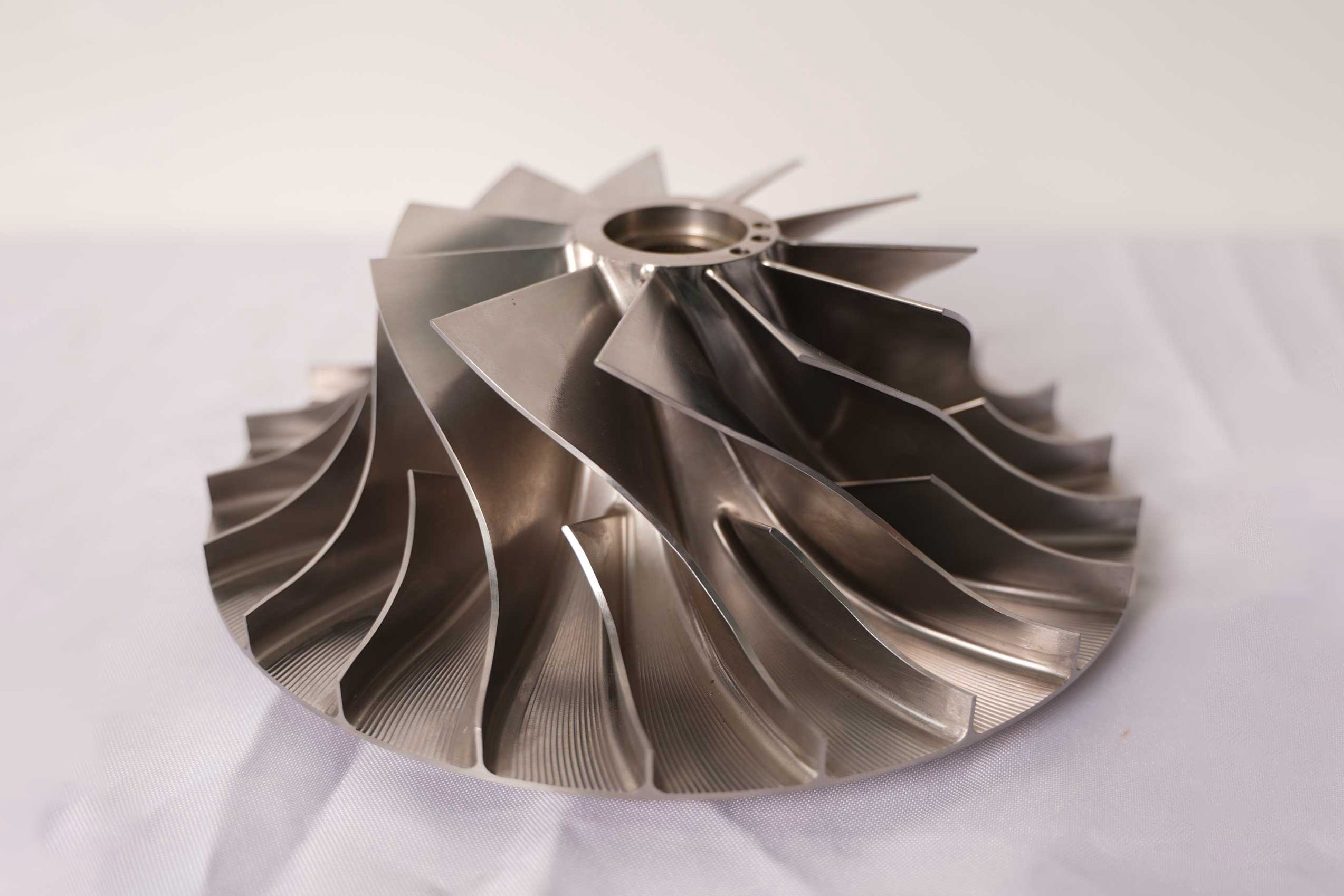
Materials matter because CNC machined prototypes can be produced from many real engineering materials, including aluminum alloys, stainless steels, brass, copper, titanium alloys, and engineering plastics. Material choice affects cutting behavior, burr formation, dimensional stability, corrosion behavior, part weight, and the finishing route.
Secondary operations should be defined when the prototype test depends on the finished surface. An anodized aluminum prototype, passivated stainless steel prototype, bead blasted cosmetic sample, polished sealing surface, heat-treated part, or coated component may behave differently from an unfinished machined sample.
The RFQ should separate required secondary operations from optional appearance preferences. When a surface treatment is needed for corrosion resistance, wear, bonding, electrical behavior, or customer-facing appearance, the supplier can quote the operation as part of the prototype route instead of treating the finish as an afterthought.
How does CNC rapid prototyping help design iteration and low-volume production?
CNC rapid prototyping helps design iteration because geometry changes can often be handled through CAD and CAM updates. This is especially useful when the buyer is still comparing wall thickness, rib layout, hole position, thread type, assembly clearance, or sealing details.
For low-volume bridge production, CNC machining can make a limited number of parts while production tooling is still under review. This does not mean CNC machining is always the final production process. It means CNC machining can provide pilot parts, test samples, display samples, or early assembly parts when the buyer needs evidence before approving the production route.
Buyers should compare CNC machining, 3D printing, sheet metal fabrication, injection molding, die casting, and metal stamping based on the prototype purpose. CNC machining is strong when the prototype must use dense material, machined datums, threaded features, tight mating geometry, or production-like surface behavior.
How can CNC prototyping reduce cost risk without hiding manufacturing risk?
CNC prototyping can reduce cost risk by avoiding early tooling cost and exposing design problems before production. However, the buyer should not use CNC machining to hide a design that will be difficult to mold, cast, stamp, or assemble later. A machined prototype and a production part may have different constraints.
The best RFQ approach is to tell the supplier the intended production process. If the prototype is a machined stand-in for an injection molded housing, die cast bracket, stamped metal shield, or production-machined part, the supplier can flag features that might need different draft, wall thickness, radius, or tolerance planning later.
CNC prototyping also creates useful feedback for purchasing teams. A quote can reveal whether the cost driver is material, tolerance, setup count, deep pockets, small tools, surface finish, inspection, or secondary operations. That feedback helps buyers decide whether to redesign the part, split the part, relax nonfunctional requirements, or keep the original geometry.
What information should buyers provide for a CNC rapid prototyping RFQ?
A complete CNC rapid prototyping RFQ should include the 3D CAD file, 2D drawing, material grade, quantity, prototype purpose, required tolerances, critical dimensions, surface finish notes, thread and insert requirements, inspection needs, secondary operations, and any approved substitute materials.
The buyer should also mark which features are critical and which features are flexible. If a cosmetic surface can accept standard machining marks, if a nonfunctional pocket can have a larger corner radius, or if a tolerance can be relaxed outside the assembly interface, the supplier can quote a more practical machining route.
The main benefit of CNC rapid prototyping is disciplined risk reduction. CNC machining can turn a digital design into a measurable functional part, but the prototype is most valuable when the RFQ explains what the part must prove and which manufacturing decisions depend on that proof.
Related FAQs