Rapid Prototyping Metal Parts: CNC Machining, 3D Printing, and Casting Compared
Rapid Prototyping Metal Parts RFQ Decision: This article compares CNC machining, metal 3D printing, casting, and rapid tooling for rapid prototyping metal parts used to validate dimensions, materials, assembly, structure, internal geometry, surface finishing, and production-route risk. The part types include metal housings, brackets, covers, frames, heat-transfer parts, manifolds, fixtures, functional test parts, and pre-production components. The practical RFQ problem is choosing the prototype manufacturing method that answers the buyer's design question without confusing a quick sample with production-ready evidence.
Rapid metal prototyping should start with the validation purpose. CNC machining, metal 3D printing, and casting can all produce metal prototype parts, but each process answers a different buyer question. CNC machining is often useful for accurate billet prototypes and machined interfaces. Metal 3D printing is often useful for complex internal geometry and design exploration. Casting or rapid tooling is often useful when the prototype must test a production-like casting route.
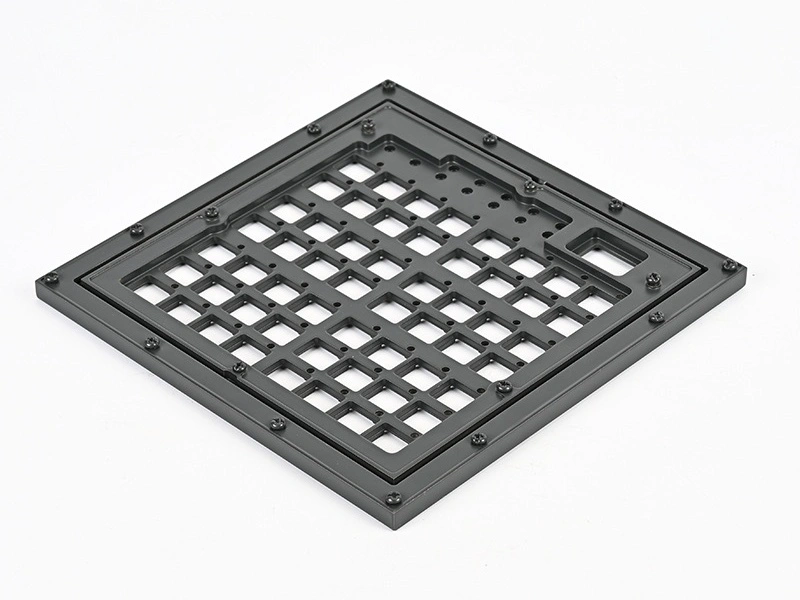
What Does Rapid Prototyping Mean For Metal Parts?
Rapid prototyping for metal parts means producing a physical part to answer engineering and sourcing questions before the production route is locked. A metal prototype may be used to check dimensional fit, assembly clearance, structural behavior, thermal layout, internal channels, surface finishing, or a future tooling decision.
The manufacturing implication is that speed alone is not the full answer. A fast CNC machined prototype may validate a datum scheme, but it may not reveal casting shrinkage. A metal 3D printed prototype may reveal internal channel performance, but it may not represent a machined or cast surface. A casting prototype may show production-route behavior, but it may require more planning than a simple machined sample. Buyers should define the question first.
When Should Buyers Choose CNC Machining For Metal Prototypes?
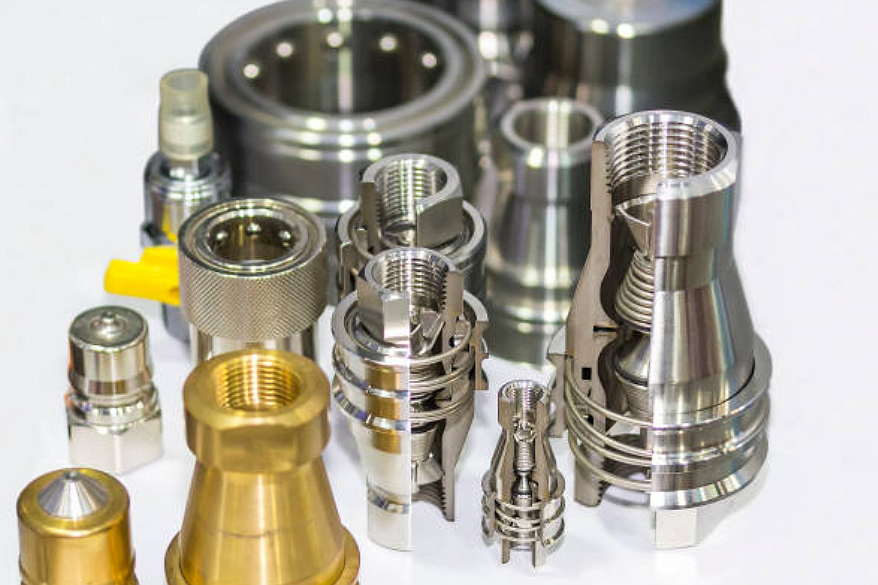
CNC machining is often the right prototype route when the buyer needs accurate external geometry, machined datums, threads, bores, sealing faces, flat mounting surfaces, and assembly interfaces. CNC machined metal prototypes can support fit checks, fixture trials, functional samples, and dimensional inspection before the buyer commits to production tooling or a different manufacturing route.
The RFQ should include the material grade, 3D model, 2D drawing, tolerance map, surface finish requirement, threaded holes, datum scheme, and inspection needs. CNC machining prototyping is less useful when the main question is casting flow, molded shrinkage, or additive manufacturing lattice behavior. In those cases, the buyer should consider whether another process or a combined prototype route is needed.
When Does Metal 3D Printing Fit Rapid Prototype Parts?
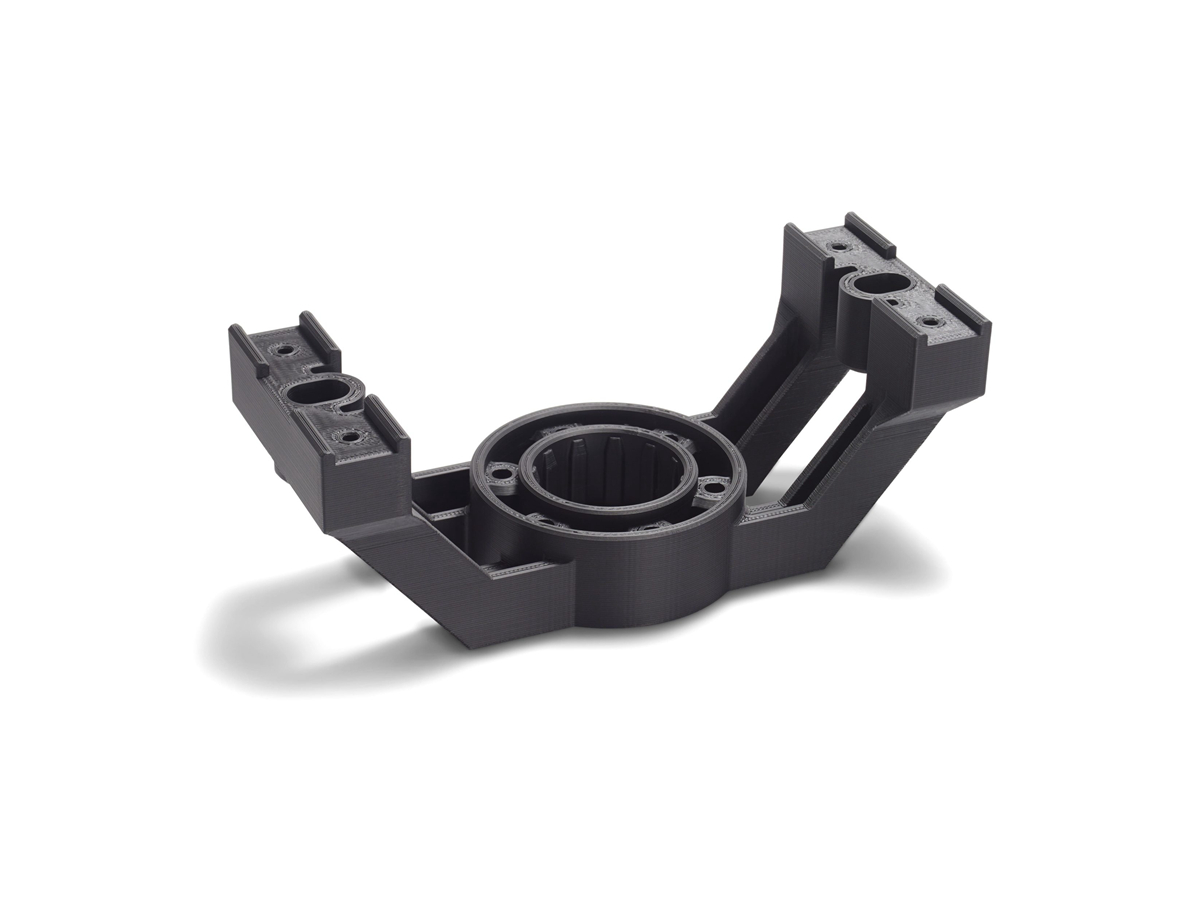
Metal 3D printing can fit rapid prototype parts when the design includes complex internal channels, lightweight structures, consolidated geometry, or shapes that are difficult to machine from billet. Metal 3D printing may help buyers explore manifolds, heat-transfer features, lattice structures, topology-driven brackets, and early functional concepts.
The buyer should still define the prototype's inspection and finishing needs. Additive surfaces, support removal, build orientation, internal powder removal, heat treatment review, and post-machining may affect whether the prototype answers the engineering question. If the final production process will be CNC machining, die casting, investment casting, or MIM, the buyer should explain how the 3D printed sample will be used for validation.
When Should Casting Or Rapid Tooling Be Used For Prototype Metal Parts?
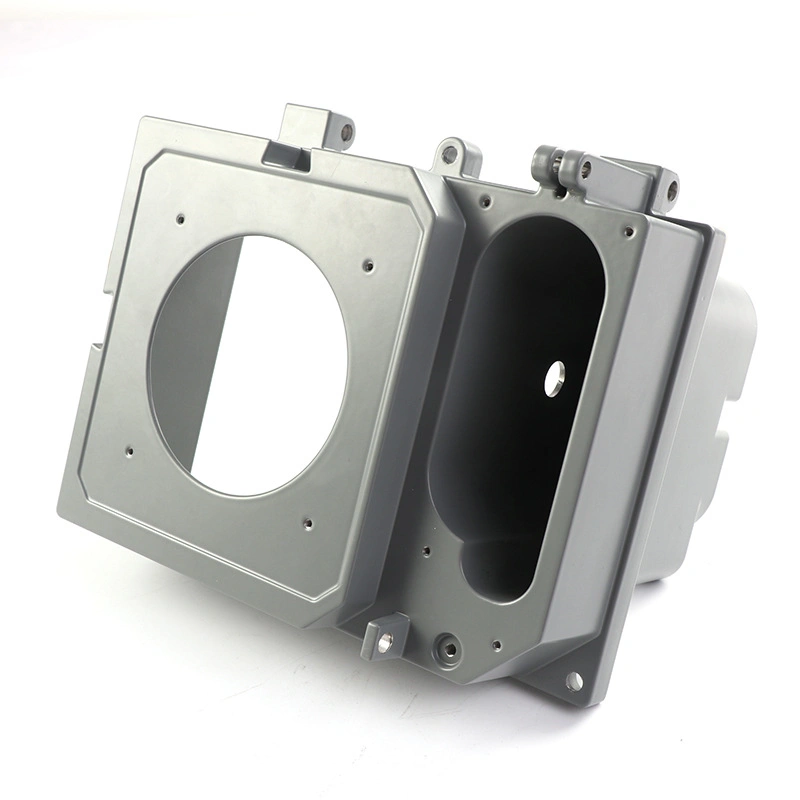
Casting or rapid tooling should be considered when the prototype must evaluate production-like casting behavior, tooling direction, parting line, gate location, shrinkage risk, porosity-sensitive zones, trimming, or finishing response. Casting prototype routes can be relevant for die cast parts, investment cast parts, sand cast parts, gravity cast parts, or other metal casting projects.
The buyer should state whether the prototype is a design sample or a process-risk sample. A design sample may only need geometry and assembly evidence. A process-risk sample may need material, casting route, gating review, inspection, machining allowance, surface finishing, and sample approval criteria. This distinction keeps the prototype RFQ aligned with the final production path.
Prototype Manufacturing Method | Best Buyer Question | Metal Part Features To Validate | RFQ Information Needed |
|---|---|---|---|
CNC machining prototyping | Does the machined geometry fit the assembly and drawing? | Datums, bores, threads, sealing faces, mounting pads, and external profiles | Material grade, 3D model, 2D drawing, tolerance map, and finish requirement |
Metal 3D printing prototyping | Can the complex geometry or internal feature work as designed? | Internal channels, lattice structures, manifolds, lightweight brackets, and heat paths | Build material, orientation concerns, support-removal needs, and test plan |
Casting prototype | Does the cast route reveal tooling, shrinkage, or finishing risks? | Parting line, gates, ribs, bosses, wall transitions, trim areas, and machined stock | Casting process target, alloy, critical zones, machining allowance, and inspection needs |
Rapid tooling sample | Can the buyer validate a production-like process before full tooling? | Tooling direction, cavity layout, surface marks, sample repeatability, and finish response | Production intent, sample quantity, approval gate, and DFM flexibility |
How Do CNC Machining, Metal 3D Printing, And Casting Compare?
CNC machining, metal 3D printing, and casting compare by validation purpose, geometry, material behavior, surface condition, dimensional control, and production relevance. CNC machining usually gives strong evidence for machined interfaces. Metal 3D printing usually gives strong evidence for complex geometry exploration. Casting usually gives stronger evidence for a future casting route.
The right process depends on what the buyer must learn. If the buyer needs a machined aluminum bracket to test assembly, CNC machining may be the practical route. If the buyer needs an internal flow path inside a manifold, metal 3D printing may be more useful. If the buyer needs to understand casting defects, machining stock, and finishing response, a casting or rapid tooling prototype may be more relevant.
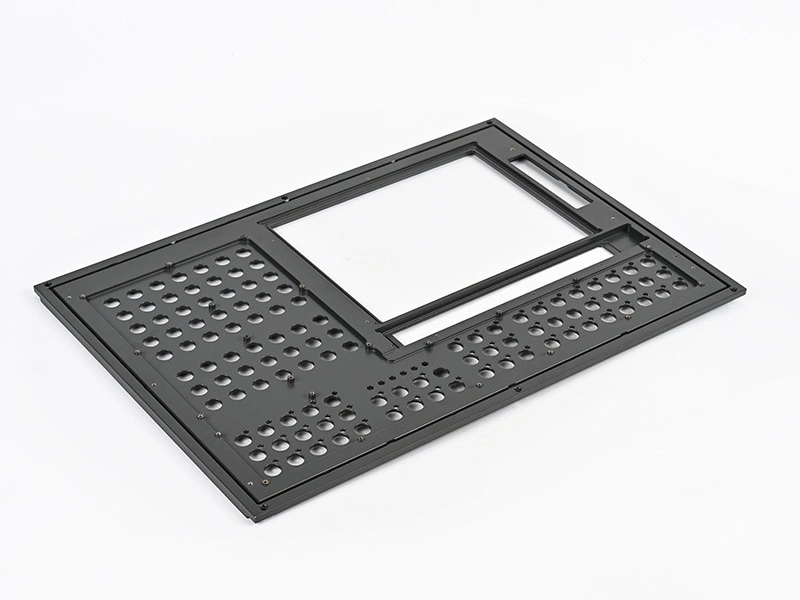
What Inspection And Testing Should Be Included For Metal Prototypes?
Inspection and testing should be selected from the prototype purpose. Dimensional inspection may include critical dimensions, datum alignment, thread checks, bore checks, flatness, and assembly fit. Functional testing may include load direction review, thermal behavior, sealing, flow, mounting, or field-simulation tests defined by the buyer.
Surface finishing should also be part of the prototype plan when appearance or corrosion behavior affects buyer approval. A prototype that only proves shape may not need the final finish. A prototype used for customer approval may need deburring, blasting, coating, polishing, painting, or other finishing steps that match the intended product review. Buyers should state the acceptance criteria before quotation.
What Should Buyers Provide To Select The Fastest Reliable Prototype Route?
Buyers should provide the 3D model, 2D drawing, material requirement, prototype purpose, target production process, critical dimensions, tolerance requirements, surface finish, functional testing plan, sample quantity, and any assembly constraints. If the buyer is comparing CNC machining, metal 3D printing, and casting, the RFQ should ask the supplier to explain which process answers each validation question.
The fastest reliable prototype route is the route that provides the needed evidence without overbuilding the sample. A visual model, a functional prototype, a machining validation part, and a casting-risk sample are different deliverables. Clear RFQ inputs help the supplier quote a prototype that supports the next buyer decision instead of producing a sample that cannot answer the intended question.
Buyer Decision | Prototype Evidence Needed | Relevant Process Entity | Next Manufacturing Decision |
|---|---|---|---|
Assembly fit | Datums, mounting holes, mating surfaces, connector openings, and fasteners | CNC machining prototyping or finished prototype assembly | Drawing release, fixture planning, or tolerance update |
Complex internal geometry | Channels, lightweight structures, manifolds, and thermal passages | Metal 3D printing prototyping and post-machining review | Geometry freeze, test plan update, or production-route comparison |
Casting readiness | Wall thickness, ribs, bosses, parting line, gates, trim areas, and porosity zones | Casting prototype or rapid tooling sample | Tooling approval, casting DFM update, or sample validation plan |
Functional testing | Load, thermal, sealing, flow, appearance, and installation behavior | Functional metal prototype with inspection and test criteria | Design correction, production approval, or buyer-side validation |
Rapid prototyping metal parts works best when the prototype is tied to a specific manufacturing decision. CNC machining, metal 3D printing, casting, and rapid tooling can all be useful, but they should not be treated as interchangeable. Buyers should choose the process that answers the RFQ question about geometry, material, inspection, function, and the final production route.
Related FAQs
What is the best process for metal parts prototype manufacturing?
Is CNC machining or 3D printing better for rapid metal prototypes?
How do prototype metal parts reduce production risk before tooling?
What tests should be performed on functional prototype parts?
What information should buyers provide for an accurate prototype quote?
How does Neway support the transition from prototype to mass production?
What materials can Neway work with for rapid prototyping service?