Rapid Prototyping: Accelerating Development and Market Entry with 3D Printing
3D Printing Rapid Prototyping RFQ Decision: This article explains how buyers can use 3D printing prototyping to accelerate product development for visual prototypes, functional prototypes, fit-check parts, lightweight housings, brackets, ducts, covers, tooling aids, and early metal or polymer parts. The practical RFQ problem is selecting the right additive manufacturing process, material, surface finish, tolerance target, test plan, and transition path before requesting a prototype quote.
Rapid prototyping with 3D printing can shorten design iteration because parts can be built directly from digital files without production tooling. The buyer still needs to define prototype purpose. A visual prototype, ergonomic model, functional test part, assembly fixture, and metal validation part each requires different material properties, dimensional expectations, finishing, and inspection.
When Should Buyers Choose 3D Printing For Rapid Prototyping?
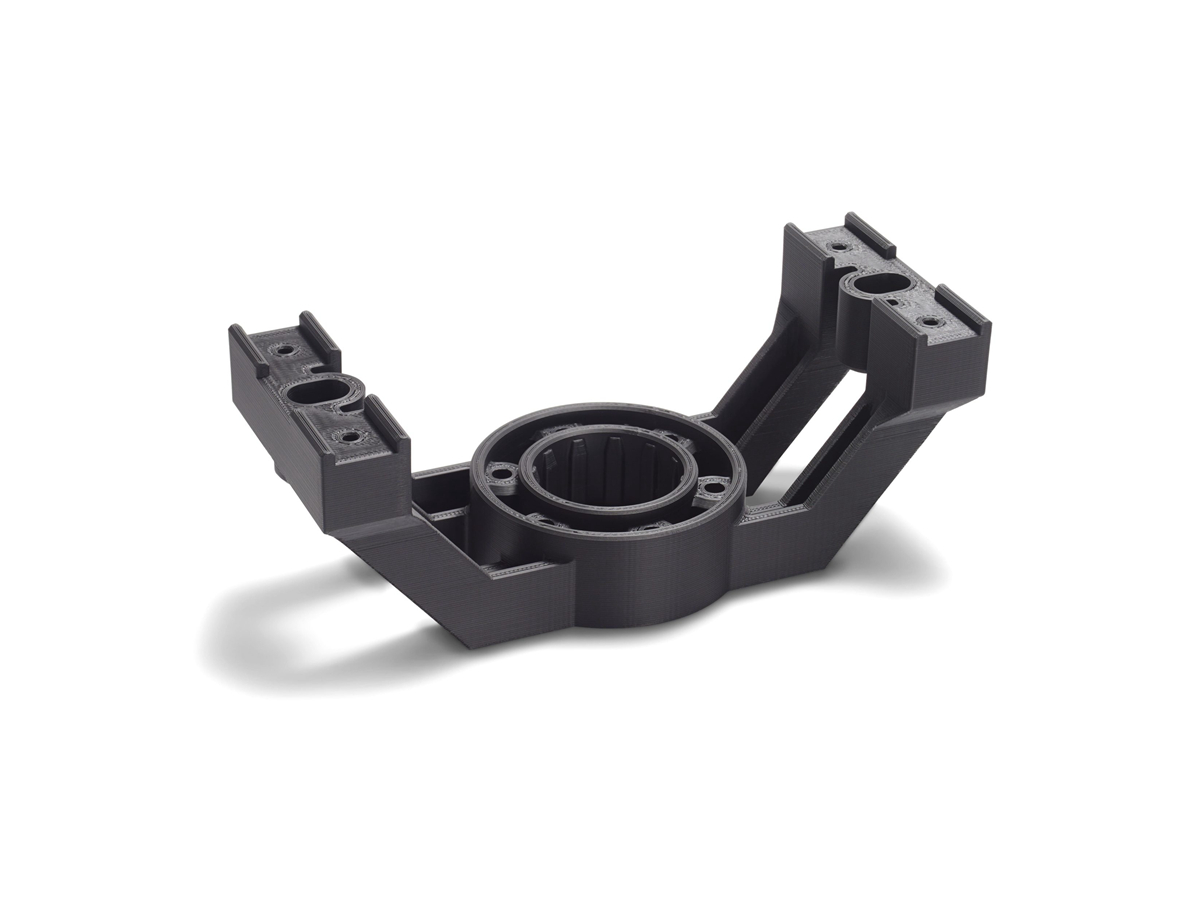
Buyers should choose 3D printing for rapid prototyping when the design needs quick iteration, complex geometry, part consolidation review, ergonomic feedback, assembly fit checks, or early functional testing before tooling or production machining. Additive manufacturing is especially useful when the design is not yet fixed and the buyer expects revision cycles.
The decision should be based on prototype purpose rather than the broad label "rapid prototype." A visual model may prioritize appearance and handling. A functional prototype may prioritize material behavior, wall thickness, thread inserts, strength direction, or post-processing. A metal prototype may require heat treatment, support removal, machining allowances, and inspection.
Buyers can use a general 3D printing process classification guide to compare additive manufacturing routes before sending the RFQ.
Which 3D Printing Process Fits The Prototype Stage?
The 3D printing process should match the prototype stage, material requirement, geometry, surface expectation, and test plan. FDM can support early form and fit models with thermoplastic materials. MJF can support functional polymer prototypes and complex internal features. DMLS and SLM can support metal prototypes when metal behavior, heat resistance, or machined post-processing is part of validation.
Buyers should not select a process only because the part is complex. The RFQ should state what the prototype must prove. If the prototype only checks packaging space, a lower-cost polymer route may be enough. If the prototype checks load, heat, fluid path, or assembly interface, the selected process and material must support that test.
3D Printing Process | Prototype Purpose | RFQ Detail To Provide |
|---|---|---|
FDM 3D printing | Early form, fit, ergonomic, and fixture prototypes | CAD file, build orientation concern, material need, and finish expectation |
MJF 3D printing | Functional polymer parts, clips, ducts, covers, and complex internal shapes | Material requirement, wall thickness, assembly interface, and inspection need |
DMLS 3D printing | Metal prototypes with complex geometry or integrated features | Metal grade, support-removal areas, heat treatment, and machining allowance |
SLM 3D printing | Metal prototypes where density, geometry, and post-processing matter | Material grade, critical surfaces, test plan, and finish requirement |
Related process pages include FDM 3D printing, MJF 3D printing, DMLS 3D printing, and SLM 3D printing for metal parts.
How Should Buyers Define Prototype Function?
Buyers should define prototype function in the first RFQ because function controls material choice, dimensional inspection, surface finish, and testing. A visual prototype should focus on appearance, shape, and user handling. A fit-check prototype should focus on mating surfaces, holes, clips, and assembly clearances. A functional prototype should focus on loads, heat, motion, sealing, fluid flow, or other buyer-defined performance checks.
Prototype function also decides whether 3D printing alone is enough. Some prototypes may need thread inserts, secondary CNC machining, sanding, bead blasting, dyeing, painting, heat treatment, or sealing. These secondary operations should be stated before quotation because they affect part condition and inspection.
The buyer remains responsible for deciding whether a prototype is acceptable for the intended validation use. The RFQ should state the planned test and acceptance criteria so the supplier can recommend process options and risk areas.
Which Materials Support Rapid Prototype Decisions?
Material selection should follow prototype purpose. Polymer materials may support early fit checks, ergonomic models, fixture parts, and lightweight covers. Metal additive materials may support heat, strength, or geometry validation when a polymer model cannot represent the planned application. Material pages may include options such as ABS for 3D printing, aluminum for 3D printing, and AlSi10Mg for metal 3D printing.
The RFQ should state required properties such as stiffness, impact behavior, temperature exposure, wear, chemical exposure, conductivity, weight, or surface appearance. If the material can be changed, the buyer should identify which properties are flexible and which properties are fixed.
Material selection also affects build orientation, support strategy, surface texture, shrinkage behavior, and post-processing. These factors can influence the prototype result, so material expectations should be discussed before printing.
How Do File Quality And Design Details Affect Prototype Speed?
File quality and design details affect prototype speed because additive manufacturing depends on build-ready geometry. The RFQ should include a 3D model in an accepted format, a 2D drawing if tolerances matter, revision status, units, material requirements, critical dimensions, surface finish zones, and post-processing scope.
Common file and design issues include non-manifold geometry, missing wall thickness, unsupported thin features, unclear assembly interfaces, very small text, sharp internal corners, and unmarked critical surfaces. These issues can delay quotation or require design repair before printing.
Buyers should clearly mark critical faces, holes, threads, inserts, sealing areas, and cosmetic surfaces. If the prototype is only for form review, the RFQ can state that dimensional inspection is limited. If the prototype is for functional testing, the RFQ should state the inspection method and required records.
What Prototype Tests Should Be Planned Before Printing?
Prototype tests should be planned before printing because the test determines the process, material, finishing, and inspection. Typical checks include visual review, assembly fit, ergonomic review, dimensional inspection, thread engagement, snap-fit behavior, airflow or fluid path review, thermal exposure, strength screening, and surface finish review.
The supplier should know whether the buyer needs a visual model, a functional prototype, or a part for design verification. A prototype used for assembly fit may need accurate interface dimensions. A prototype used for presentation may need finish quality. A prototype used for load screening may need attention to build direction, material behavior, and post-processing.
Prototype Test Entity | Prototype Feature Checked | RFQ Requirement |
|---|---|---|
Visual review | Shape, color, texture, and handling surface | Appearance priority, finish target, and cosmetic faces |
Assembly fit check | Mating surfaces, holes, clips, and clearance zones | Critical interfaces, drawing tolerances, and sample quantity |
Functional screening | Load path, heat exposure, flow path, or motion feature | Test condition, material need, and buyer acceptance criteria |
Transition review | Features that may move to CNC machining, molding, casting, or tooling | Production intent, flexible design areas, and future process notes |
How Does 3D Printing Support Market Entry Decisions?
3D printing supports market entry decisions by giving teams physical parts for review before hard tooling, production fixtures, or final manufacturing routes are fixed. Buyers can test shape, assembly, user handling, internal routing, packaging, and early functional assumptions while the design is still easier to revise.
This does not mean every printed prototype should become a production part. Buyers should decide whether the prototype is only for learning, for functional validation, or for a bridge before production. That decision affects material choice, inspection, and whether a follow-up process such as CNC machining, injection molding, die casting, investment casting, or rapid tooling should be reviewed.
For metal prototype route comparison, buyers can review CNC machining, 3D printing, and casting for rapid metal prototypes.
What Should A 3D Printing Rapid Prototype RFQ Include?
A 3D printing rapid prototype RFQ should include the 3D model, drawing if dimensions matter, material preference, prototype purpose, production stage, sample quantity, cosmetic surfaces, functional surfaces, surface finish, post-processing, inspection records, testing plan, and any future manufacturing route under consideration. The RFQ should also identify flexible design areas for supplier feedback.
Buyers should state whether the part is a visual prototype, functional prototype, assembly sample, test fixture, or metal validation part. The supplier can then recommend a process, material, build orientation, support strategy, and secondary operation plan that fits the intended use.
Rapid prototyping with 3D printing is most useful when the buyer connects prototype purpose, additive process, material, test method, and production transition from the start. A clear RFQ helps the supplier quote the right prototype instead of guessing what the printed part must prove.
Related FAQs