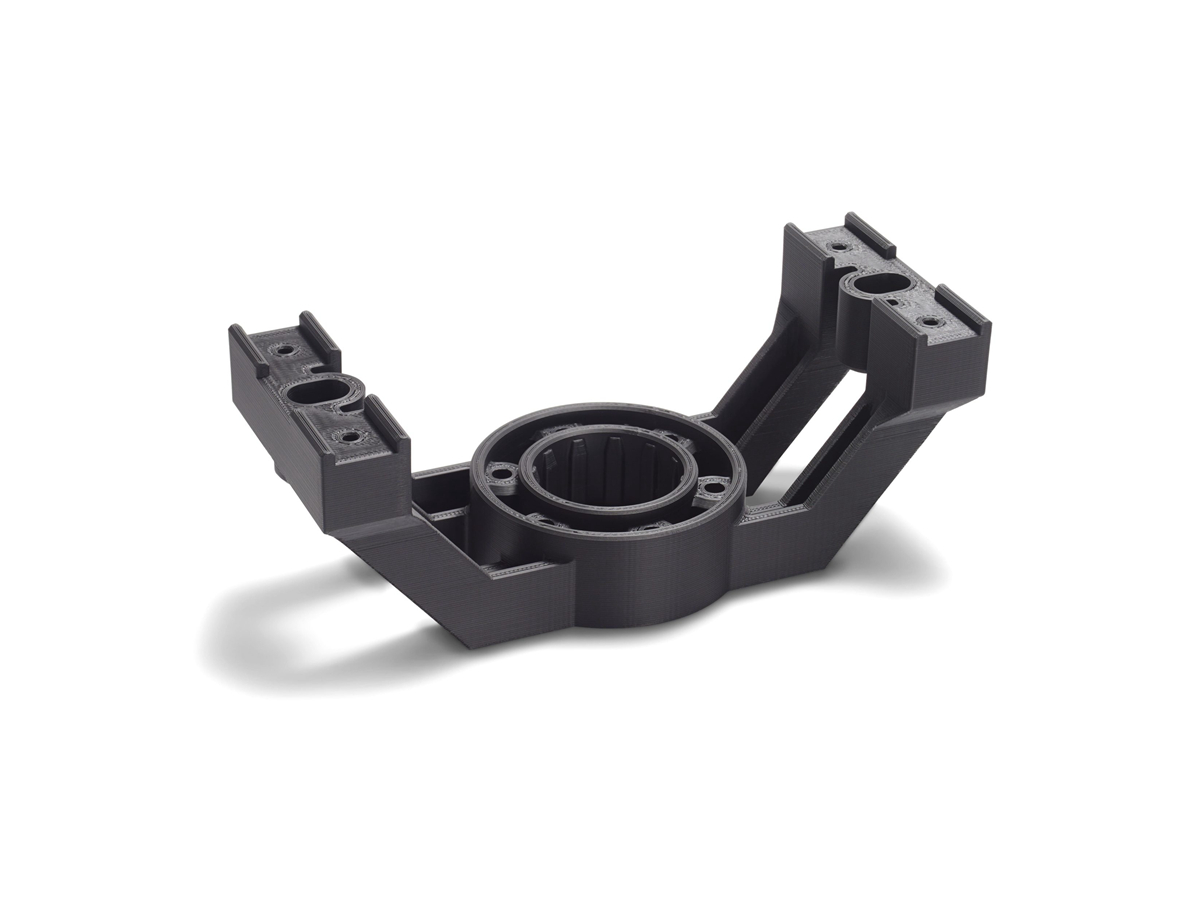
Selective Laser Melting (SLM): 3D Printing Service for Metal And Superalloys
Selective Laser Melting SLM RFQ Decision: Selective Laser Melting (SLM) is a metal powder-bed additive manufacturing process used to build metal and superalloy prototype parts, lightweight structures, internal-channel parts, tooling inserts, brackets, and complex components from 3D CAD data. This article explains how buyers should review SLM material selection, powder-bed build strategy, support structures, residual stress, heat treatment, HIP, CNC machining, surface finishing, inspection, and validation before requesting a quote. The practical RFQ problem is deciding whether SLM can meet the metal part function better than DMLS, CNC machining, casting, or another prototype route.
SLM is often considered when a buyer needs a metal part with geometry that is difficult to machine, cast, or assemble from multiple pieces. SLM still requires serious manufacturing review. The buyer should define the metal grade, application risk, load direction, critical dimensions, surface finish, post-processing, inspection evidence, and qualification plan before treating an SLM prototype as production-ready.
What SLM Metal 3D Printing Is
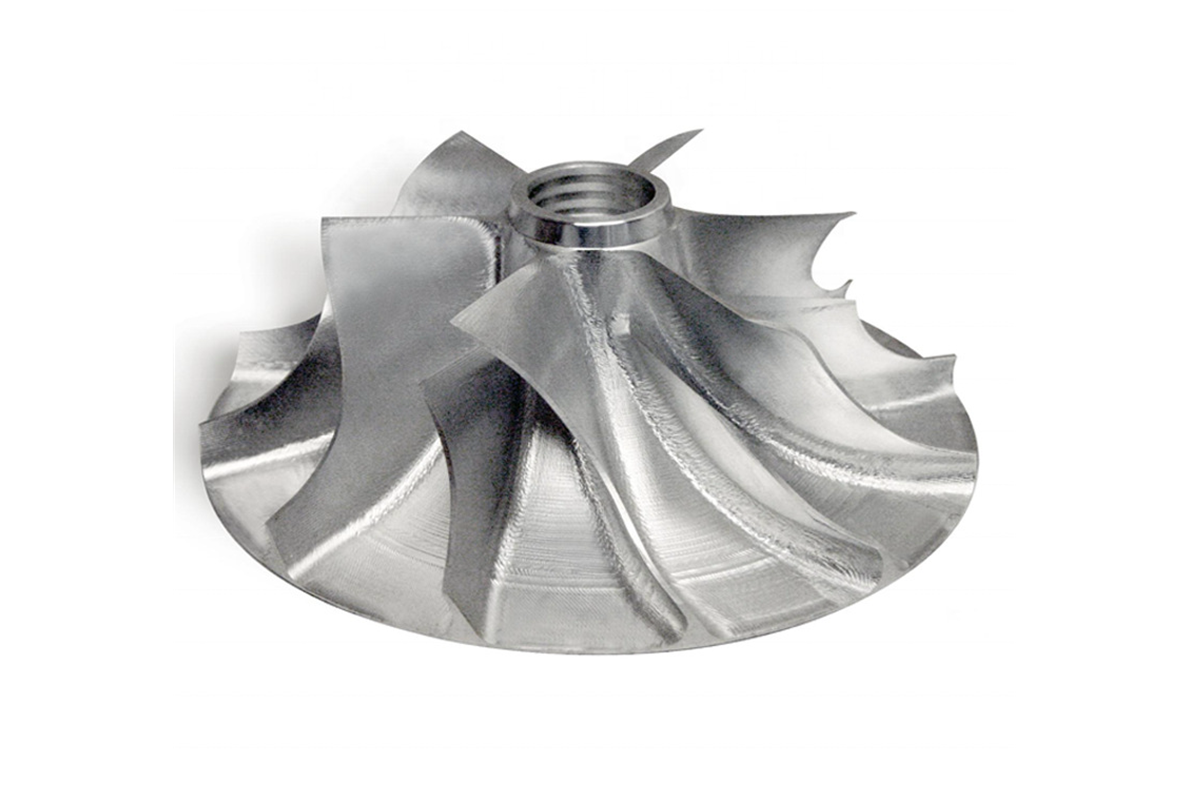
SLM uses a laser to melt selected areas of metal powder layer by layer inside a powder bed. After each layer is fused, the build platform lowers, new powder is spread, and the laser scans the next cross-section. The final part is removed from the powder bed and normally requires support removal, stress relief, heat treatment, surface finishing, and machining for critical features.
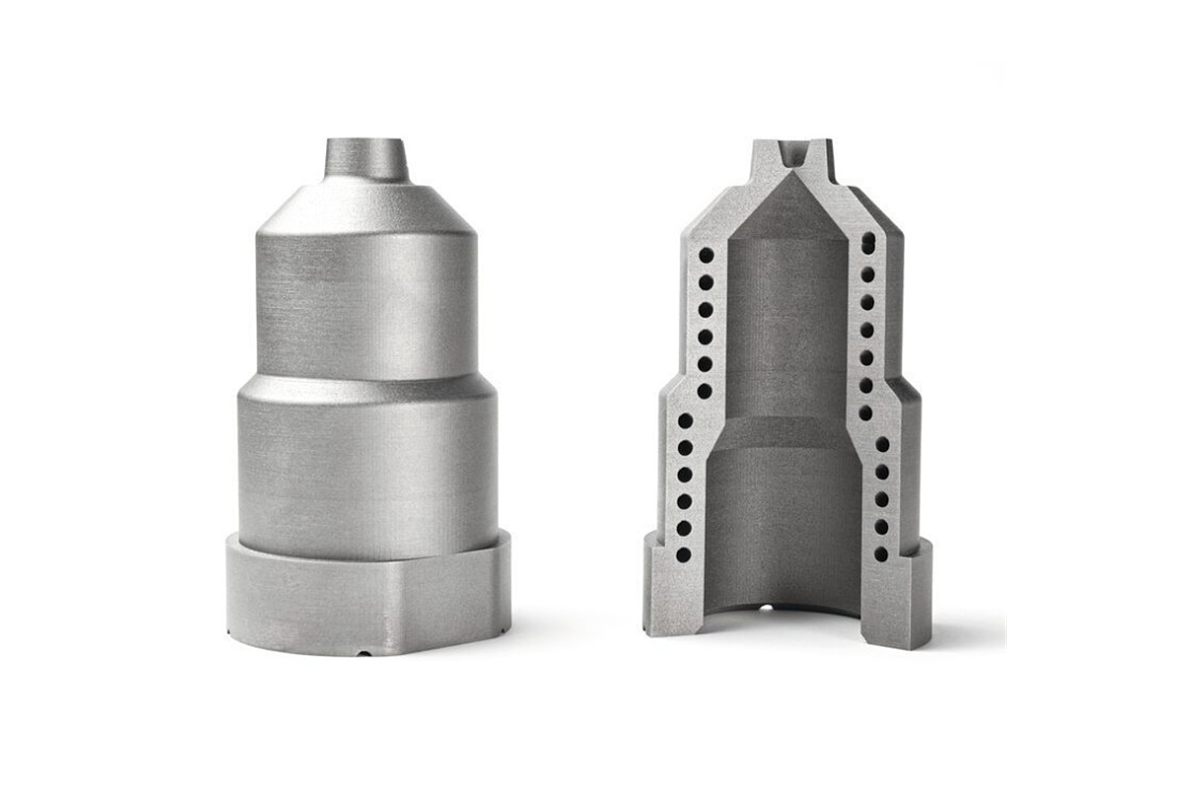
The buyer question is whether a fully metal powder-bed route is the right way to answer the prototype or production question. SLM may fit internal channels, lightweight metal structures, complex brackets, conformal cooling features, and high-temperature material trials. If the part is simple and prismatic, CNC machining may be faster to evaluate and easier to inspect.
How SLM Builds Metal and Superalloy Parts
The SLM workflow begins with a 3D CAD model, material powder selection, design-for-additive review, build orientation, support generation, laser melting, cool-down, powder removal, build-plate separation, support removal, heat treatment, optional HIP service, CNC machining, surface finishing, and inspection. Each step can affect cost, schedule, and acceptance evidence.
Build orientation and support design are especially important. Support structures help manage heat, distortion, and overhangs, but supports also create removal work and surface marks. The RFQ should identify no-support surfaces, sealing faces, machined datums, threaded holes, internal passages, cosmetic surfaces, and inspection datums.
Which SLM Materials and Part Features Buyers Should Define
SLM material selection should match the real metal part requirement. Buyers may review aluminum powders such as AlSi10Mg, nickel alloys such as Inconel 718 or Inconel 625, and high-temperature alloys such as Hastelloy X. The final material decision should come from the drawing, operating environment, and buyer validation requirement.
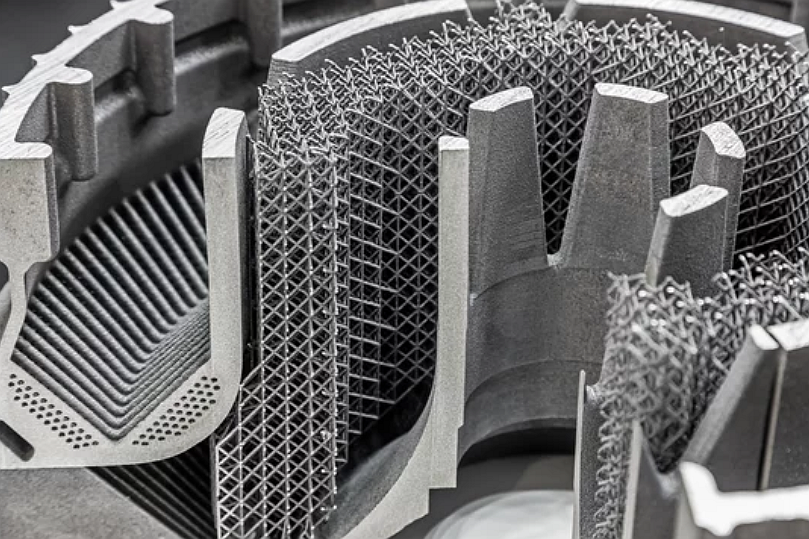
Feature review is just as important as material selection. Thin walls, lattice structures, deep holes, internal channels, overhangs, sharp corners, large flat areas, sealing grooves, threaded holes, and bearing seats can all affect build strategy. Critical features may need machining after printing because as-built metal surfaces and holes may not match final functional requirements.
How Supports, Stress Relief, HIP, and CNC Machining Affect the Quote
SLM quotation should include the complete manufacturing route, not only the print time. Support removal, stress relief, heat treatment, HIP, shot blasting, polishing, CNC machining, thread cutting, leak testing, and dimensional inspection can all change the cost and schedule. A small metal part with many critical surfaces may need more post-processing than a larger non-critical prototype.
Buyers should define the surfaces that can remain as-built, the surfaces that need machining, and the surfaces that need inspection. If a part has an O-ring groove, pressure boundary, threaded interface, bearing seat, or precision datum, the RFQ should state the acceptance criteria and requested report.
SLM Buyer Requirement | Manufacturing Risk | RFQ Detail Needed | Inspection or Process Evidence |
|---|---|---|---|
Internal passage or conformal channel | Trapped powder, rough internal surface, or blocked passage. | Channel size, access openings, cleaning requirement, and flow or thermal need. | Powder removal review and functional test if required. |
Superalloy bracket or loaded feature | Residual stress, support scars, or property mismatch. | Material grade, load direction, heat treatment, and validation plan. | Material record, heat treatment record, and dimensional report if requested. |
Sealing surface or threaded interface | As-built roughness, porosity exposure, or thread failure. | Surface finish, thread standard, machining allowance, and leak requirement. | CNC machining record, thread gauge, leak test, or CMM report when required. |
Thin wall or lattice structure | Distortion, incomplete fusion, or difficult inspection access. | Wall thickness, inspection method, support strategy, and acceptance criteria. | Build review, visual inspection, and buyer-defined functional validation. |
How SLM Differs From DMLS, SLS, FDM, and CNC Prototyping
SLM and DMLS are both metal powder-bed additive manufacturing routes, and terminology can vary by supplier and machine platform. Buyers should focus on material grade, build density expectation, heat treatment, post-processing, and inspection rather than relying only on the process label. DMLS 3D printing is a closely related metal prototype topic.
SLS, FDM, MJF, and SLA are usually reviewed for polymer prototypes and should not be treated as proof of metal performance. CNC machining may be better for simple metal prototypes, tight machined surfaces, or production-intent billet material. SLM may be better when internal channels, lightweight geometry, or difficult-to-machine metal features are central to the buyer decision.
What Inspection and Qualification Buyers Should Define
SLM inspection should be defined before quotation. Buyers may request dimensional inspection, CMM reports, surface roughness checks, material certificates, heat treatment records, hardness checks, density-related evidence, leak testing, pressure testing, or non-destructive testing. The correct evidence depends on the part function and buyer acceptance criteria.
If the SLM part is connected to safety, high temperature, pressure, regulated use, or structural loading, final qualification remains the buyer's responsibility. Neway Precision can review manufacturability, post-processing, and inspection access, but the buyer must define the qualification route and acceptance standard.
What Neway Precision Reviews for SLM Metal and Superalloy Parts
Neway Precision reviews SLM RFQs by checking the metal material, part geometry, wall thickness, overhangs, support risk, internal channels, heat treatment, HIP need, CNC machining scope, surface finishing, inspection requirements, and validation plan. The review also considers whether 3D printing prototyping, CNC machining, casting, or another route better supports the buyer's next decision.
A complete RFQ should include the 3D model, 2D drawing, metal grade, prototype purpose, quantity, critical dimensions, surface finish, heat treatment requirement, post-machining scope, inspection documents, and validation requirements.
Related FAQs
What Information Should Buyers Provide For An Accurate Prototype Quote?
What Files And Specifications Are Needed For Custom 3D Prototyping Services?
Is CNC Machining Or 3D Printing Better For Rapid Metal Prototypes?
What Is The Best Process For Metal Parts Prototype Manufacturing?
How Do Prototype Metal Parts Reduce Production Risk Before Tooling?
Can 3D Printed Parts Achieve The Same Strength As Traditionally Manufactured Parts?
What Are The Limitations Of 3D Printing In Industrial Applications?