Stereolithography (SLA) vs. Fused Deposition Modeling (FDM): Understanding the Differences
SLA vs FDM 3D Printing RFQ Decision: Stereolithography (SLA) and Fused Deposition Modeling (FDM) are two different additive manufacturing processes used for prototype parts, fit-check models, plastic housings, fixtures, visual models, and limited functional prototypes. SLA cures photopolymer resin with light, while FDM extrudes thermoplastic filament through a heated nozzle. The practical RFQ problem is choosing the process that fits the buyer's surface finish, detail level, material behavior, strength direction, support removal, post-processing, inspection, and validation needs.
The simple answer is that SLA is usually reviewed when fine detail and smoother surfaces matter, while FDM is usually reviewed when thermoplastic behavior, larger prototype parts, or lower tooling commitment matter. The final decision still depends on the part geometry, resin or filament material, functional surfaces, tolerance expectations, load direction, environmental exposure, and prototype purpose.
How SLA and FDM Differ for Prototype RFQs
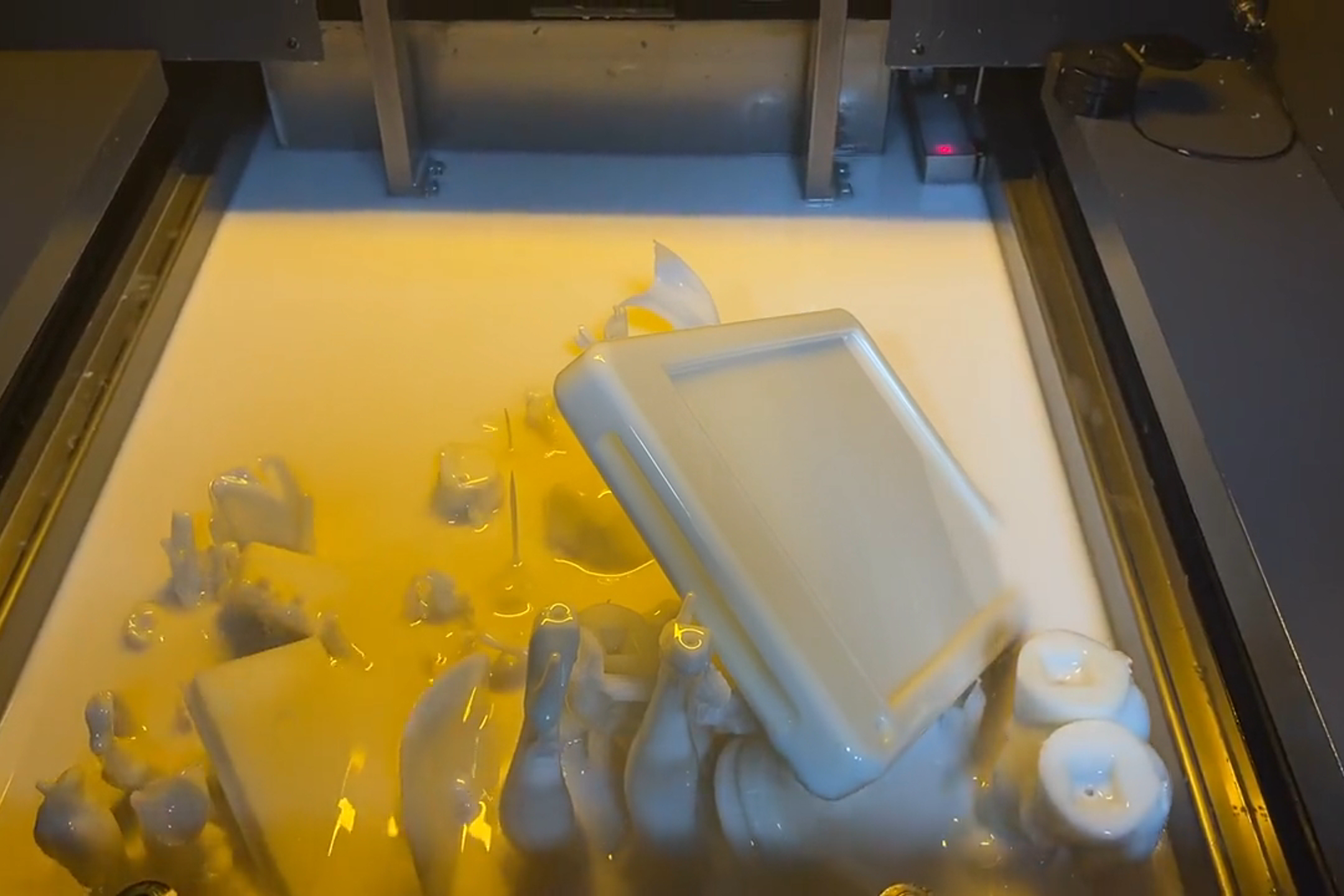
SLA and FDM should be compared by buyer requirement, not by a generic process ranking. SLA builds parts by curing liquid resin in layers, then usually requires cleaning, support removal, and post-curing. FDM builds parts by depositing melted thermoplastic filament in layers, then usually requires support removal and possible surface finishing or insert installation.
For an RFQ, the buyer should identify whether the prototype is for visual review, assembly fit, ergonomic testing, fixture use, early functional testing, or production-route discussion. A visual housing may favor SLA for smooth surfaces. A bracket or fixture concept may favor FDM when thermoplastic behavior and quick design iteration are more important than fine cosmetic detail.
What SLA 3D Printing Does Well
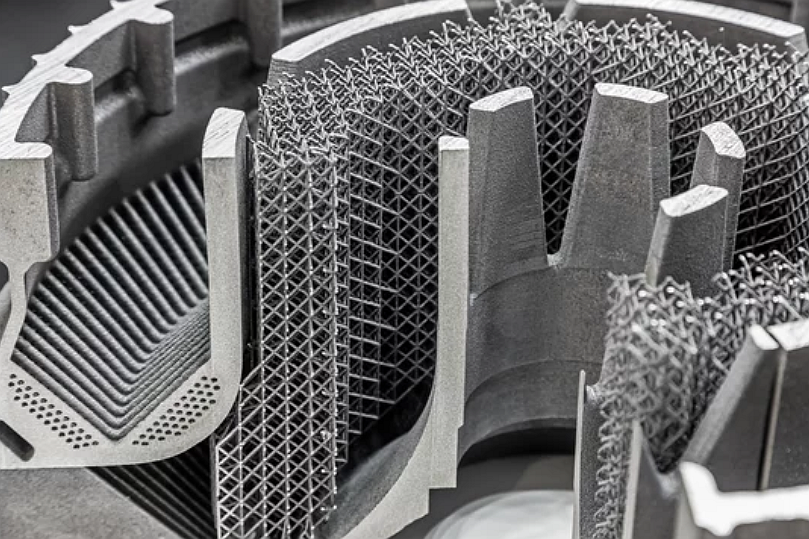
SLA 3D printing is often selected for prototypes that need fine features, smooth surfaces, sharp detail, thin visual walls, or clear design presentation. The light-cured resin process can make models that are useful for appearance review, fluid-path discussion, small component geometry, and detail-heavy parts where FDM layer lines would distract from the evaluation.
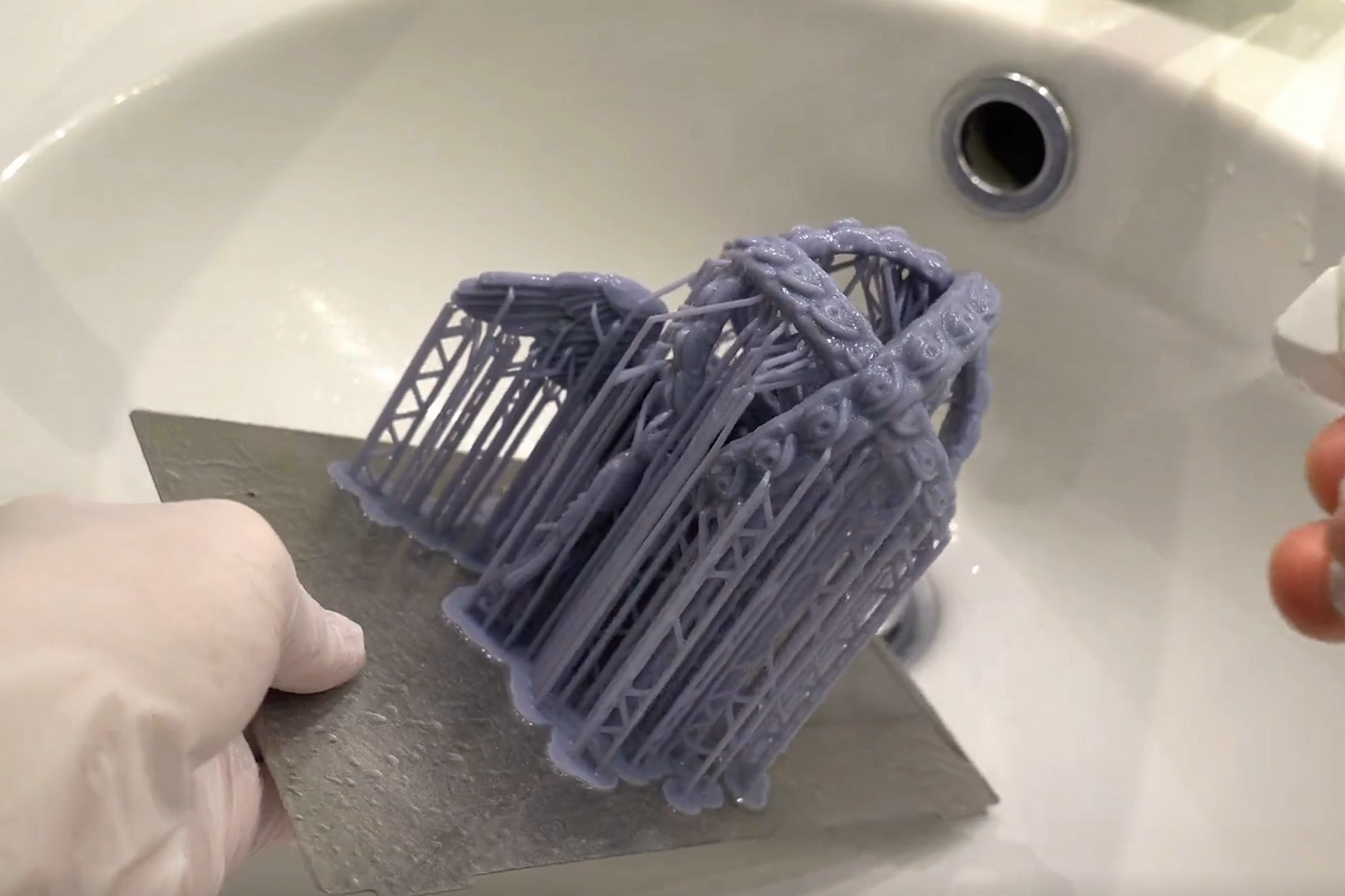
SLA also has limitations. Resin parts may be sensitive to material brittleness, post-curing conditions, heat exposure, chemical exposure, and long-term functional use. Support scars and resin drainage features can affect small surfaces. Buyers should define the required resin behavior, cosmetic side, support-sensitive surfaces, and whether the part is only for visual review or for functional testing.
What FDM 3D Printing Does Well
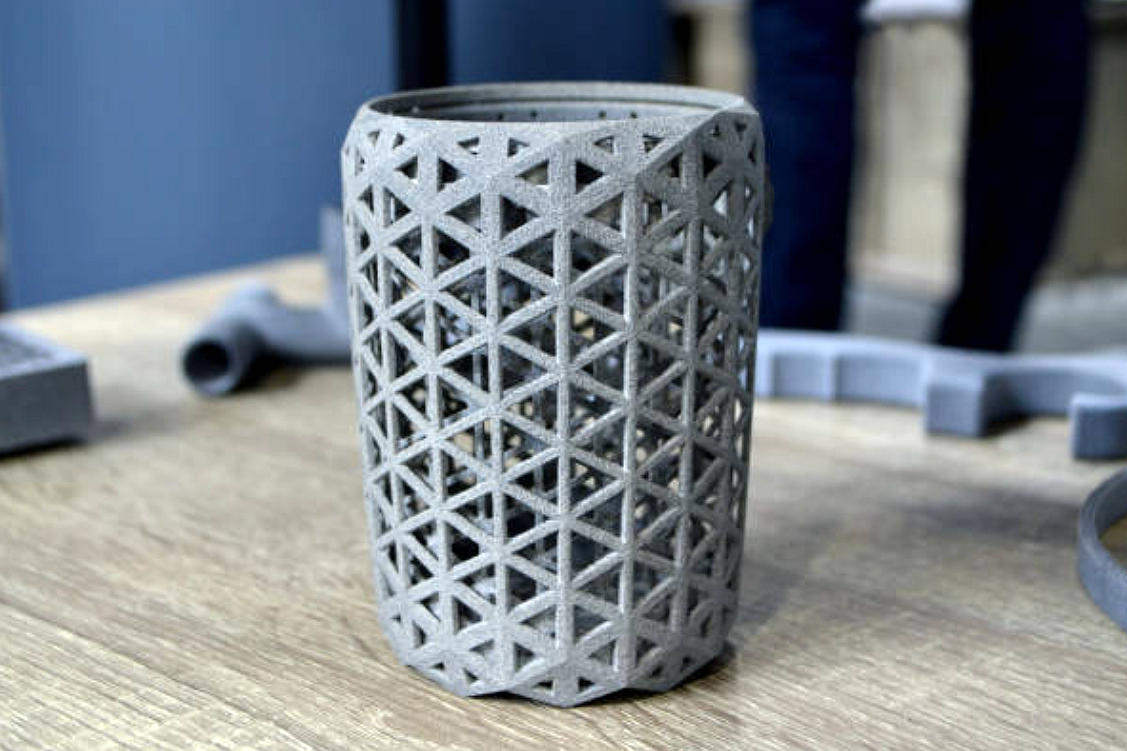
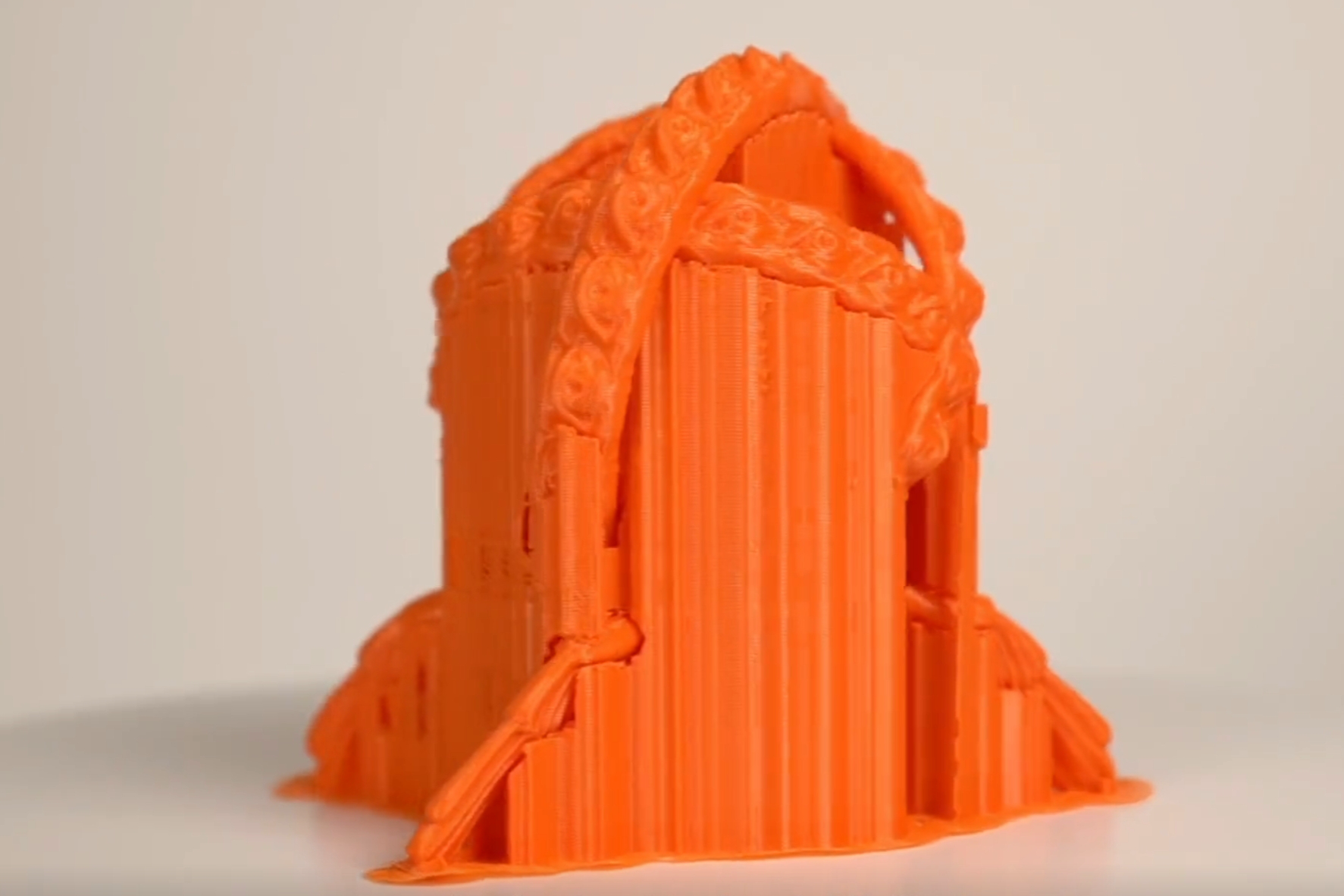
FDM 3D printing is often selected for fast thermoplastic prototypes, larger models, fixtures, fit-check parts, and concept parts where visible layer lines are acceptable. FDM materials such as ABS, polycarbonate PC, PET, and TPU are reviewed when the buyer needs different stiffness, flexibility, heat behavior, or handling characteristics.
FDM also has limitations. Layer direction can affect strength, support removal can mark surfaces, and thin posts or snap features can fail differently from molded parts. Buyers should define load direction, mating features, threaded holes, inserts, surface finish, and functional test conditions before relying on an FDM part for performance decisions.
How Material, Surface Finish, and Strength Requirements Change the Process Choice
Material behavior is often the deciding factor. SLA resin may offer fine appearance and detail, but the buyer should verify whether the resin behavior matches the intended test. FDM thermoplastic filament may better represent certain plastic handling needs, but FDM layer bonding and build orientation can limit strength in specific directions.
Surface finish also changes the choice. SLA is usually reviewed for smoother as-printed surfaces and small details. FDM is usually reviewed when layer lines, support marks, or post-processing are acceptable. If the prototype must simulate an injection molded cosmetic surface, the buyer should define the expected appearance standard and ask whether post-processing or another process is needed.
Buyer Requirement | SLA 3D Printing Fit | FDM 3D Printing Fit | RFQ Detail Needed |
|---|---|---|---|
Fine visual detail | Often stronger for smooth surfaces, small detail, and presentation models. | May show layer lines and support marks that affect appearance review. | Cosmetic side, finish expectation, and acceptable support marks. |
Thermoplastic prototype behavior | Depends on available resin behavior and post-curing conditions. | Often reviewed for ABS, PC, PET, TPU, and similar filament choices. | Material requirement, temperature exposure, load direction, and test purpose. |
Snap fits, clips, and loaded bosses | Can be sensitive to brittle resin behavior and support placement. | Can be sensitive to layer direction and notch effects. | Mating part data, cycle test if required, and design-change flexibility. |
Large fit-check housing | May need review for build size, resin cost, and support strategy. | May be practical when layer finish is acceptable. | Part size, assembly interfaces, critical dimensions, and inspection method. |
How Accuracy, Support Structures, and Post-Processing Affect the Quote
Accuracy is not only a machine specification. SLA and FDM accuracy can be affected by part size, orientation, material shrinkage, support structures, thin walls, tall features, thermal behavior, and post-processing. A quotation should separate critical dimensions from non-critical surfaces so the supplier can review where inspection matters.
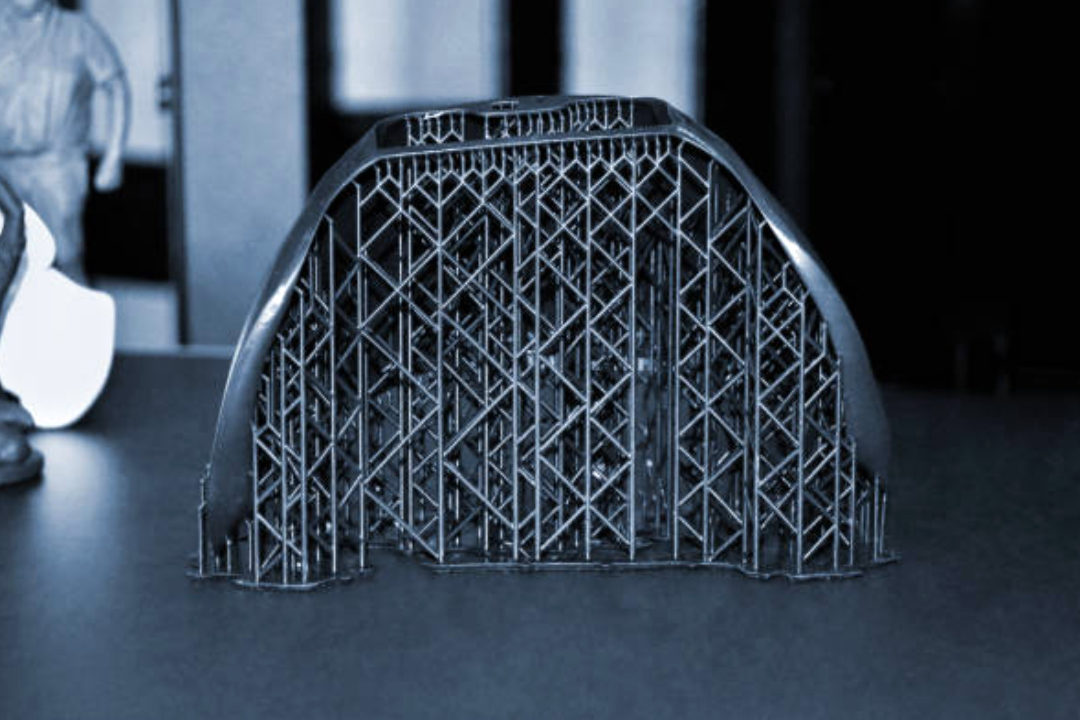
Support structures are a major process difference. SLA supports can leave marks on delicate resin surfaces. FDM supports can affect underside finish and small features. Post-processing such as sanding, painting, drilling, tapping, insert installation, bonding, or polishing should be defined before quotation because post-processing changes both cost and inspection expectations.
When Buyers Should Choose SLA, FDM, or Another Prototype Route
Choose SLA when the prototype decision depends on fine detail, smooth appearance, small visual features, or resin-based design presentation. Choose FDM when the prototype decision depends on thermoplastic handling, quick form-and-fit review, larger fixtures, or practical iteration. Consider SLS, MJF, CNC machining, or rapid tooling when the prototype needs different material behavior, production-like strength, surface finish, or dimensional control.
The buyer should also state what decision the prototype must support. If the goal is appearance approval, SLA may be enough. If the goal is checking screw boss location and assembly clearance, FDM may be enough. If the goal is validating final mechanical performance, the buyer should define the test and confirm whether 3D printing is an acceptable route for that validation.
What Neway Precision Reviews for SLA and FDM Prototype Parts
Neway Precision reviews SLA and FDM prototype RFQs by checking the CAD model, part size, surface finish, material behavior, critical dimensions, support-sensitive surfaces, build orientation, wall thickness, thin features, holes, inserts, post-processing scope, and inspection requirements. The review also considers whether 3D printing prototyping, CNC machining, SLS, MJF, rapid molding, or another route is better for the buyer's decision.
A complete RFQ should include the 3D model, drawing if critical dimensions exist, material preference, prototype purpose, quantity, cosmetic surfaces, functional surfaces, post-processing requirements, mating parts, and requested inspection evidence. Final performance validation remains the buyer's responsibility when the prototype is used for strength, heat exposure, safety-related review, or regulated testing.
Related FAQs