What industries benefit most from adopting 3D printing?
Industries that benefit most from 3D printing are usually those needing rapid prototypes, low-volume parts, complex internal geometry, lightweight structures, custom fixtures, design iteration, or difficult tooling economics. This FAQ helps buyers in aerospace, medical-device equipment, automotive, robotics, energy, consumer products, electronics, and industrial equipment decide whether 3D printing fits prototypes, functional test parts, jigs, fixtures, housings, manifolds, brackets, and end-use components for an RFQ.
What industries benefit most from adopting 3D printing?
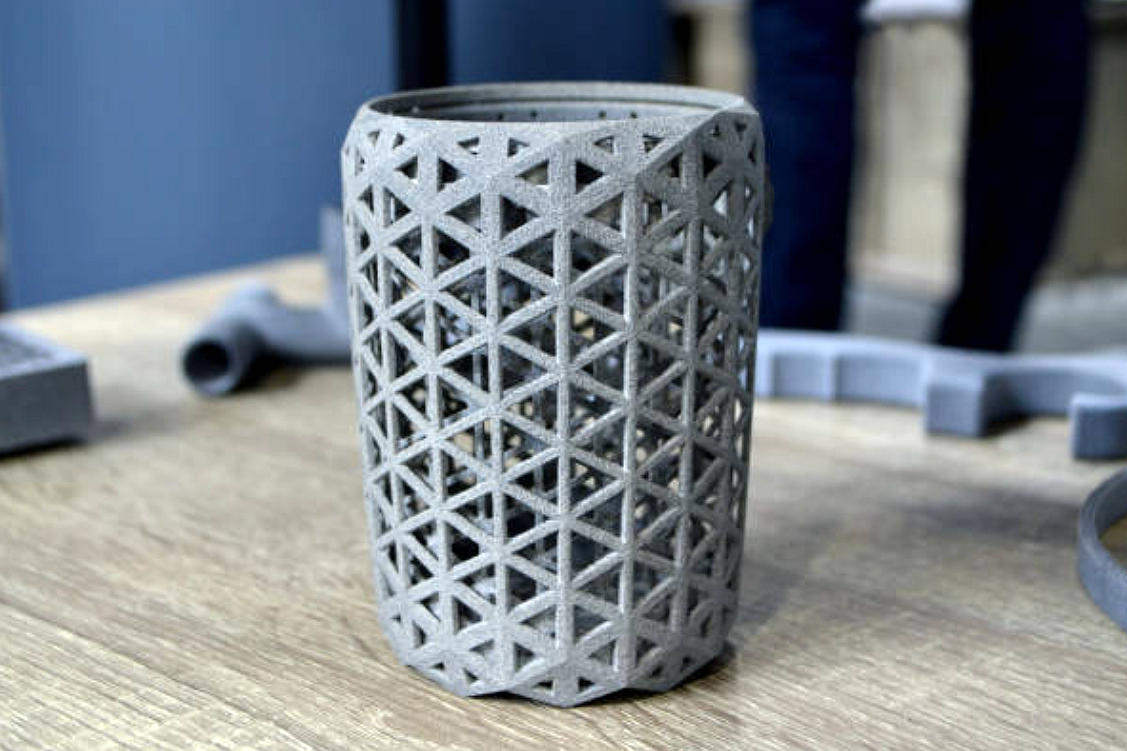
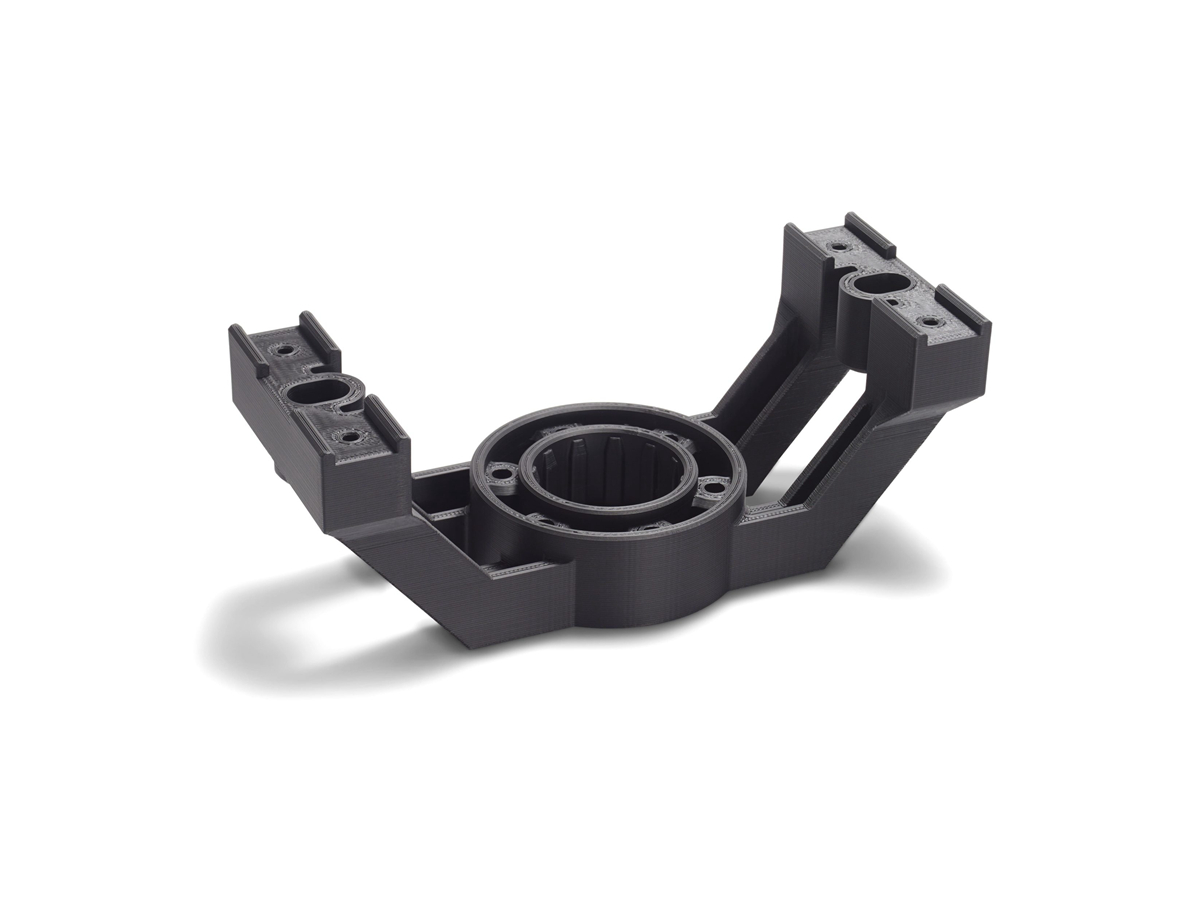
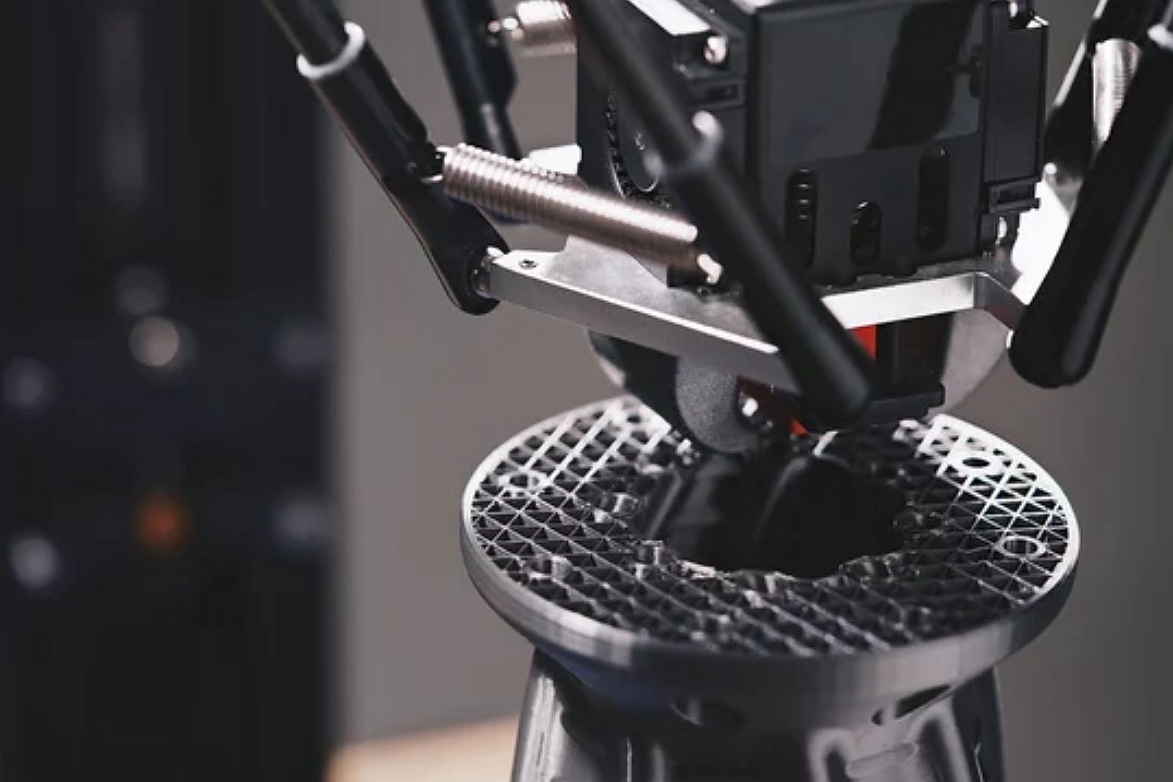
Industries benefit from 3D printing prototyping when the part value comes from speed, geometry freedom, customization, or low-volume flexibility rather than from high-volume unit cost. 3D printing can be useful for concept models, engineering prototypes, functional test parts, assembly fixtures, lightweight brackets, ducts, manifolds, and complex housings.
Buyers should confirm part function before choosing 3D printing. A printed prototype for fit testing has different requirements from a functional bracket, fluid manifold, medical-device equipment part, or heat-exposed metal component.
Industry or buyer scenario | Useful 3D printing application | Why 3D printing may fit | RFQ risk to check |
|---|---|---|---|
Aerospace and lightweight equipment | Brackets, ducts, housings, test fixtures, and complex prototype parts | Supports lightweight geometry, part consolidation, and design iteration | Material performance, heat exposure, surface finish, inspection, and final qualification |
Medical-device equipment and dental workflows | Models, guides, housings, trays, fixtures, and customized non-implant components | Supports customization, small batches, and rapid design feedback | Biocompatibility, cleaning, sterilization, documentation, and buyer validation requirements |
Automotive and mobility | Prototype brackets, intake components, interior samples, tooling aids, and test parts | Supports fast iteration before tooling or machining is finalized | Temperature, vibration, fatigue, dimensional stability, and assembly fit |
Robotics and automation | End-effectors, sensor mounts, grippers, cable guides, and custom fixtures | Supports geometry changes and application-specific tooling | Wear, stiffness, thread strength, mounting accuracy, and repeat use |
Energy and industrial equipment | Manifold prototypes, pump components, brackets, covers, and maintenance fixtures | Supports complex passages, low-volume spares, and functional development | Pressure, temperature, corrosion exposure, sealing surfaces, and inspection method |
Consumer products and electronics | Enclosures, ergonomic samples, buttons, clips, bezels, and cosmetic prototypes | Supports appearance checks, fit testing, and design iteration before tooling | Surface finish, color, texture, snap-fit durability, and coating needs |
Why do aerospace and lightweight components use 3D printing?
Aerospace and lightweight equipment buyers may use 3D printing when the design needs reduced mass, complex geometry, duct routing, internal channels, or consolidated assemblies. The process can help engineers test geometry that would be expensive or difficult to machine early in development.
For flight, safety, or regulated use, the printed part still needs material review, inspection, post-processing, and buyer-controlled qualification. The RFQ should state whether the part is for concept evaluation, ground testing, tooling, or an approved production application.
How can medical-device equipment and dental buyers use 3D printing?
Medical-device equipment and dental buyers often use 3D printing for models, guides, trays, fixture parts, housings, and customized workflow components. The main advantage is rapid customization and small-batch iteration when part geometry changes from project to project.
Buyers should define material requirements, cleaning conditions, surface finish, and documentation needs. Any clinical, implant, or patient-contact use requires buyer-led validation and appropriate regulatory review before use.
Why do automotive and robotics teams use 3D printed parts?
Automotive teams use 3D printing for prototype brackets, interior samples, airflow parts, tooling aids, and assembly checks before committing to injection molding, die casting, stamping, or machining. Robotics teams use 3D printing for grippers, end-effectors, sensor brackets, cable guides, and custom automation fixtures.
The RFQ should define load, heat, vibration, wear, dimensional accuracy, and expected use cycles. A part that works for a visual mockup may not be suitable for repeated mechanical service without material and process review.
How do energy and industrial equipment buyers evaluate 3D printing?
Energy and industrial equipment buyers may use 3D printing for manifold prototypes, pump and valve development, maintenance tools, protective covers, low-volume spares, and assembly fixtures. 3D printing can support complex shapes and fast development when tooling or casting would be slow for early trials.
Industrial use often introduces pressure, temperature, corrosion, wear, sealing, and surface finish risks. Buyers should define operating environment and inspection requirements before deciding whether printed polymer, printed metal, CNC machining, casting, or fabrication is the better route.
When should consumer product and electronics teams consider 3D printing?
Consumer product and electronics teams should consider 3D printing for ergonomic studies, enclosure prototypes, button feel, clip geometry, connector clearance, fixture design, and early visual samples. Printed parts allow engineers to test fit and usability before production tooling.
Cosmetic requirements must be stated clearly. Printed layer lines, surface texture, color, coating behavior, and snap-fit durability can differ from injection molded or machined parts, so the RFQ should identify whether the printed part is visual, functional, or both.
What RFQ information helps match 3D printing to an industry application?
A useful RFQ includes part purpose, industry, material preference, 3D model, drawing, quantity, tolerance, surface finish, strength requirement, temperature exposure, chemical exposure, post-processing needs, inspection method, and whether the part is a prototype, fixture, or end-use component.
With those details, the supplier can recommend polymer 3D printing, metal 3D printing, CNC machining, casting, molding, or fabrication. 3D printing is strongest when the buyer needs geometry freedom, speed, customization, or low-volume flexibility, and weakest when the main goal is high-volume unit cost with stable geometry.
Related FAQs