Understanding Selective Laser Sintering (SLS): A Comprehensive Guide
Selective Laser Sintering SLS RFQ Decision: Selective Laser Sintering (SLS) is a powder-bed additive manufacturing process that uses a laser to fuse polymer powder into prototype parts and low-volume functional parts. Buyers usually review SLS for nylon-like housings, ducts, brackets, clips, lattice structures, fixtures, and complex plastic prototypes that do not fit FDM or SLA requirements. The practical RFQ problem is confirming the powder material, part geometry, powder removal access, surface finish, dimensional requirement, strength direction, post-processing, and validation plan before quotation.
In many prototype procurement discussions, SLS refers to polymer powder-bed sintering. Metal powder routes such as SLM or DMLS should be treated as separate 3D printing processes with different materials, machines, supports, heat treatment, and inspection requirements. Buyers should state whether the part is a polymer SLS prototype, a metal additive part, or a process comparison request.
What SLS 3D Printing Is for Prototype Buyers
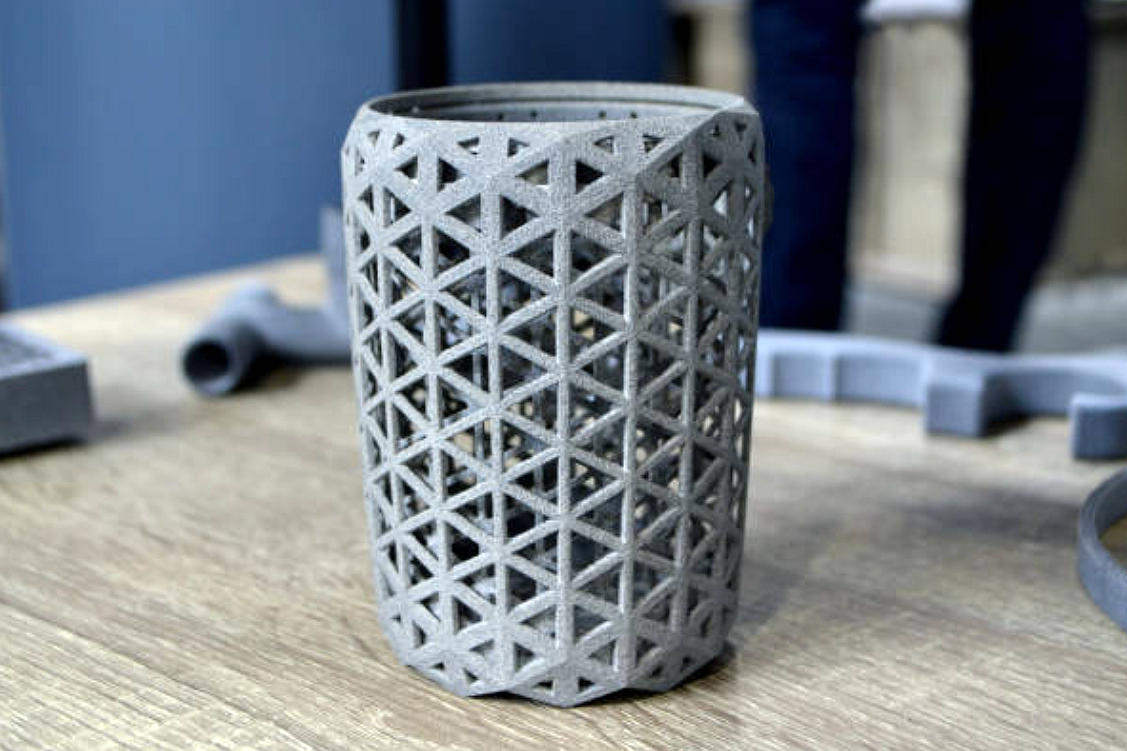
SLS 3D printing builds a part inside a bed of powder. A laser selectively sinters each cross-section of the part, the powder bed lowers, a new layer of powder is spread, and the cycle repeats until the full part is formed. The surrounding loose powder supports the part during the build, so SLS often avoids the traditional support structures used in FDM or SLA.
The buyer question is whether SLS supports the intended prototype decision. SLS can be useful when the part has complex geometry, internal passages, thin but supported features, multiple small parts in one build, or functional shapes that need more freedom than FDM support structures allow. SLS still needs review for powder removal, surface texture, warpage, feature size, material behavior, and inspection access.
How SLS Builds Parts in a Powder Bed
The SLS workflow starts with a 3D CAD model, nesting and orientation review, powder material selection, layer-by-layer laser sintering, controlled cooling, powder breakout, cleaning, and post-processing. Post-processing may include bead blasting, dyeing, smoothing, drilling, insert installation, assembly, or dimensional inspection depending on the buyer's drawing.
Build orientation matters because it affects surface texture, dimensional stability, and how powder exits internal channels. Cooling and powder handling can also affect distortion or surface condition. Buyers should identify sealed cavities, blind holes, thin walls, clips, snap features, mating surfaces, and cosmetic areas before quotation.

Which SLS Part Features Need RFQ Review
SLS can create geometries that are difficult for FDM or SLA, but design review is still necessary. Internal channels must allow powder removal. Thin walls and long flat surfaces must be reviewed for warpage. Snap fits and clips must be reviewed for material behavior and load direction. Threads, precision holes, sealing faces, and tight mating features may need machining, inserts, or another process.
The RFQ should include the 3D model, part purpose, material requirement, quantity, surface finish, color requirement if relevant, critical dimensions, inspection method, and post-processing expectation. If the buyer needs functional testing, the test conditions should be described because SLS part behavior depends on material, geometry, process settings, and build orientation.
How SLS Compares With FDM, SLA, MJF, and DMLS or SLM
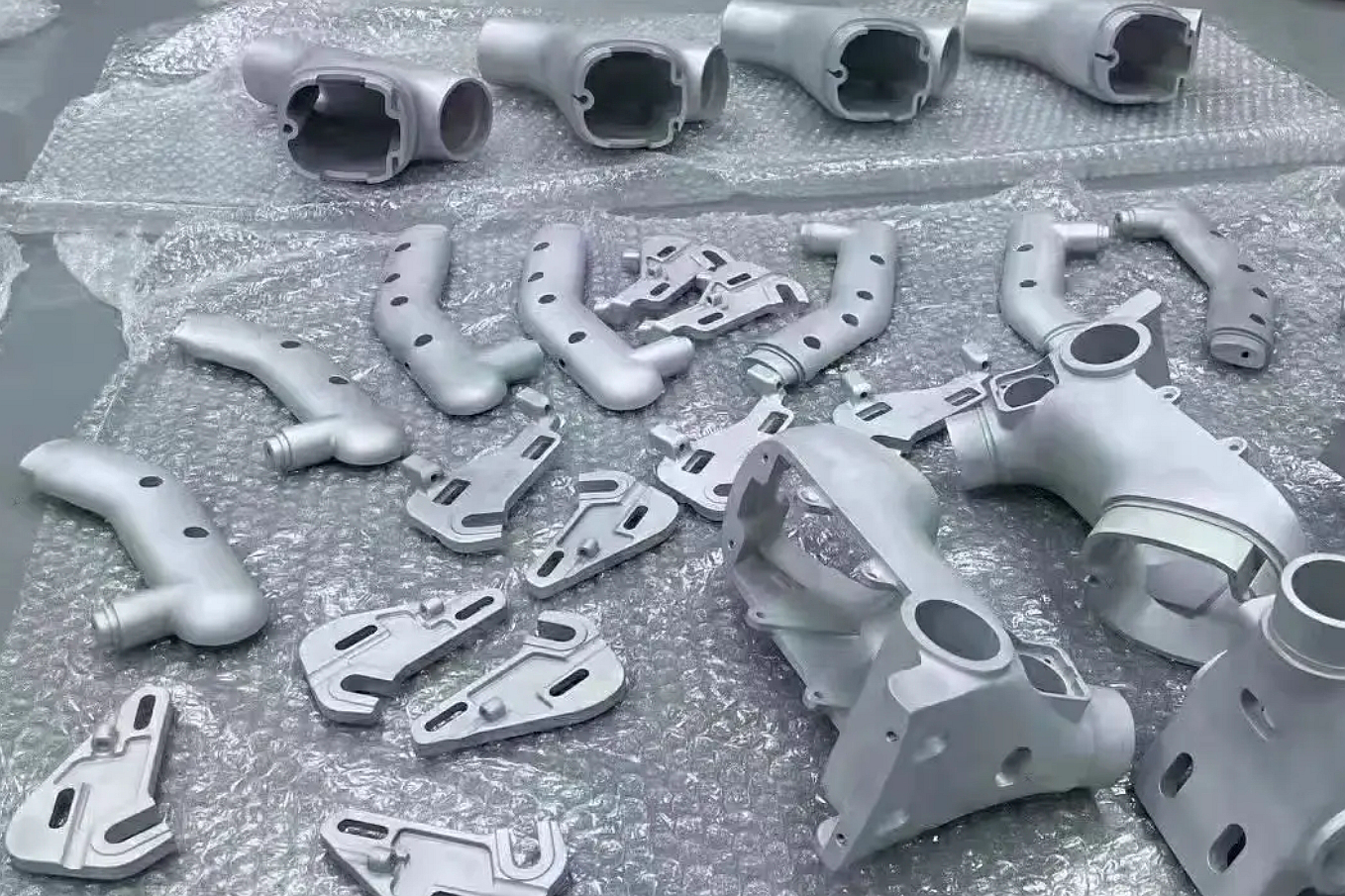
SLS is often compared with FDM 3D printing, SLA 3D printing, MJF, and metal additive processes. FDM may be practical for quick thermoplastic form-and-fit models. SLA may be better for fine visual surfaces. SLS may fit complex polymer prototypes that need unsupported geometry and more functional handling than resin models. Metal SLM or DMLS should be reviewed when the part requirement is a metal prototype or superalloy part.
Process choice should follow the buyer's decision. If the decision is appearance, SLA may fit. If the decision is fixture geometry, FDM may fit. If the decision is a complex nylon-like functional prototype, SLS may fit. If the decision is metal performance, SLM or DMLS 3D printing may need review instead.
What Materials, Surface Finish, and Post-Processing Affect
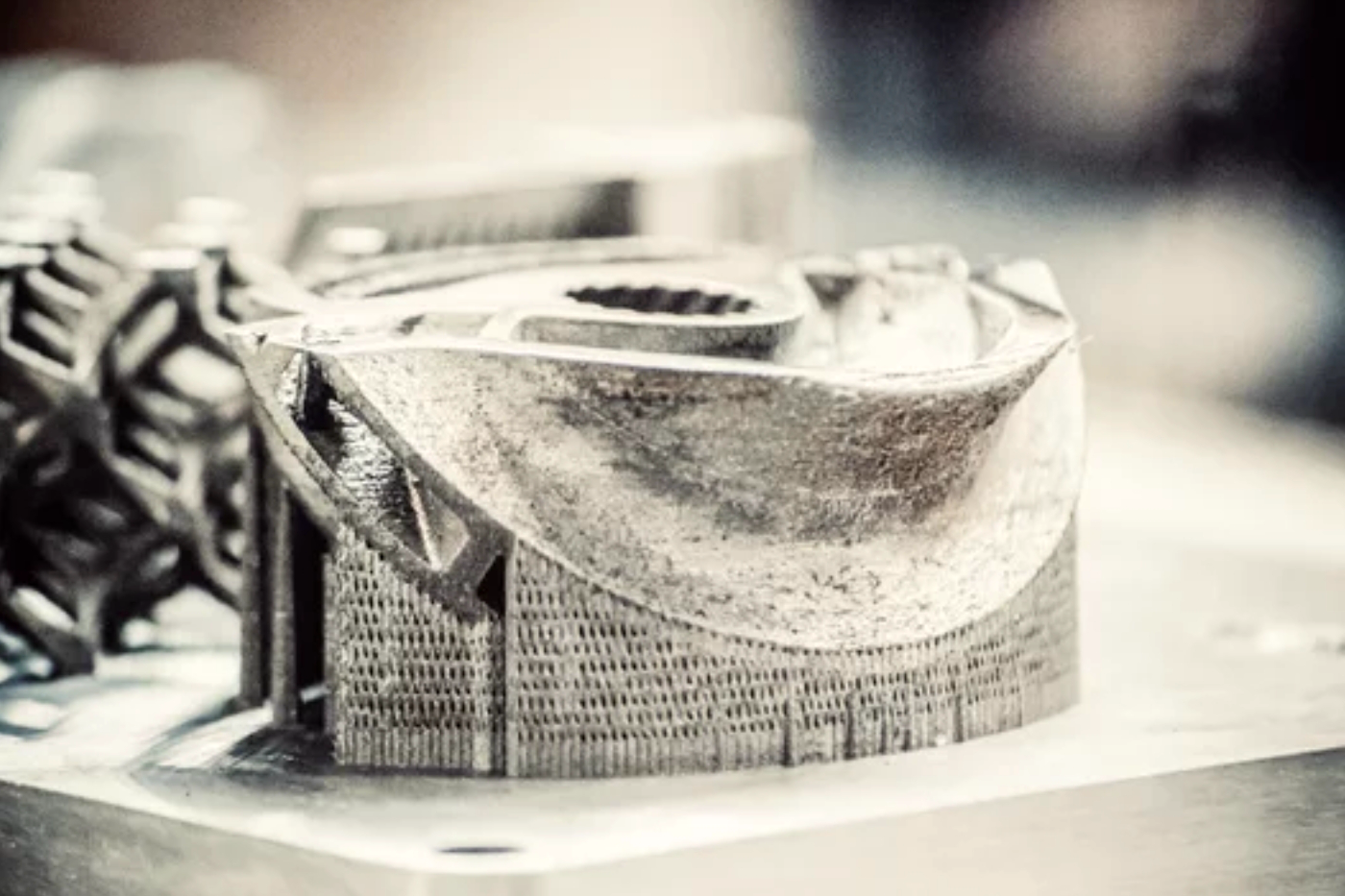
SLS material selection should be tied to the prototype function. Buyers may request nylon-like powder behavior, flexibility, stiffness, heat exposure, wear resistance, color, or surface texture. The exact material option should be confirmed during quotation because available powders and post-processing routes vary by supplier and application.
Surface finish is a frequent buyer decision. SLS parts usually have a powder-based texture that differs from FDM layer lines and SLA resin surfaces. If the prototype needs a cosmetic appearance, the buyer should define acceptable texture, color, dyeing, smoothing, or coating requirements. If the prototype needs assembly function, the buyer should define mating surfaces, hole quality, and insert locations.
SLS Buyer Requirement | Manufacturing Risk | RFQ Detail Needed | Review Evidence |
|---|---|---|---|
Internal channel or hollow feature | Trapped powder, blocked passage, or difficult cleaning. | Channel size, exit openings, cleaning requirement, and functional flow need. | Powder removal review and visual or functional check. |
Snap fit or flexible clip | Cracking, weak engagement, or fatigue during repeated use. | Load direction, mating part data, cycle expectation, and material requirement. | Assembly fit check and buyer-defined functional test if required. |
Cosmetic enclosure surface | Powder texture, color variation, or visible post-processing marks. | Cosmetic side, color target, smoothing or coating expectation. | Visual standard and surface finish review. |
Precision hole or mating datum | Dimensional variation, rough hole wall, or fit mismatch. | Datum scheme, hole function, tolerance requirement, and inspection method. | Dimensional report, gauge check, or post-machining review. |
What Inspection and Validation Buyers Should Define
Inspection should match the prototype decision. A concept model may need only visual review and main dimensions. A fixture may need hole position, flatness, and assembly checks. A functional prototype may need material data, dimensional inspection, load test, heat exposure test, or repeated-use evaluation defined by the buyer.
SLS can reduce support-related design constraints, but it does not remove the need for validation. Buyers should define critical features, non-critical surfaces, acceptance criteria, and whether the SLS part is allowed to represent final production behavior. Final product validation remains the buyer's responsibility.
What Neway Precision Reviews for SLS Prototype Parts
Neway Precision reviews SLS prototype RFQs by checking the CAD model, part size, powder material requirement, wall thickness, internal channels, trapped powder risk, snap features, mating surfaces, post-processing, surface finish, dimensional inspection, and functional test scope. The review also considers whether 3D printing prototyping, FDM, SLA, MJF, CNC machining, or metal additive manufacturing better supports the buyer's next decision.
A complete RFQ should include the 3D model, drawing if critical dimensions exist, material expectation, prototype purpose, quantity, surface finish, color requirement, powder removal concerns, mating parts, post-processing requirements, and requested inspection evidence.
Related FAQs