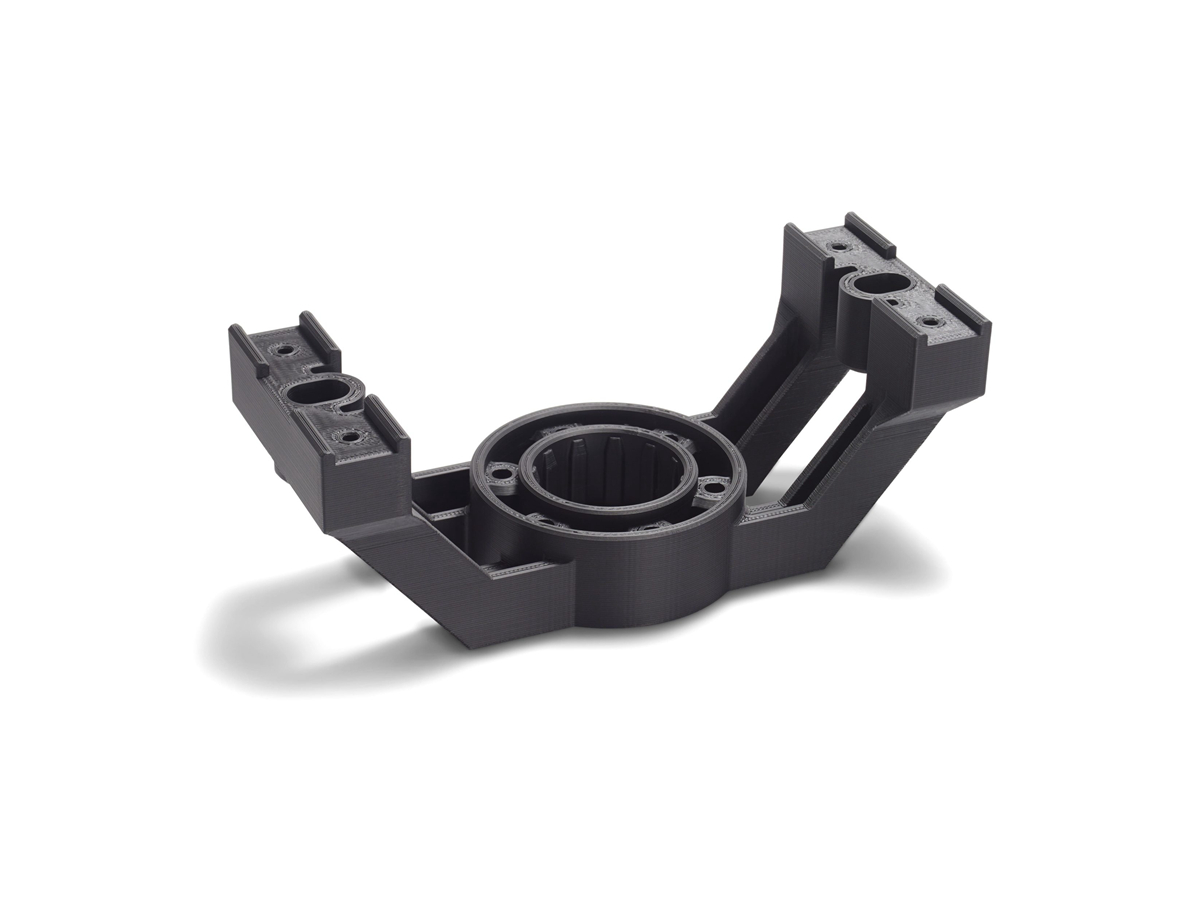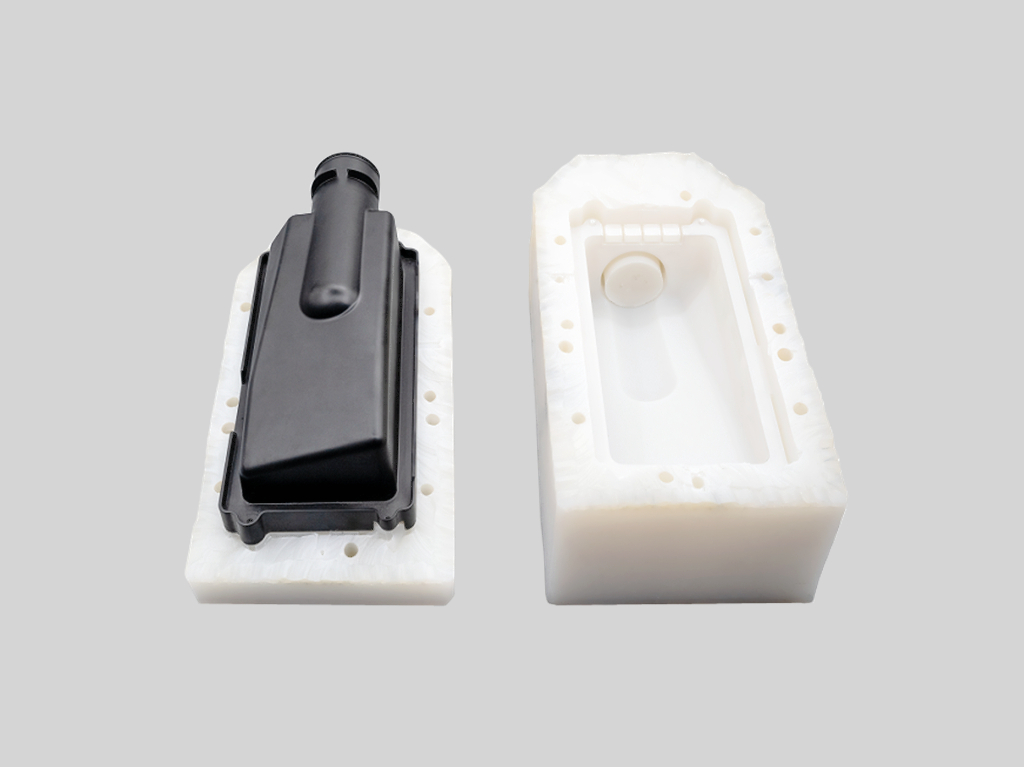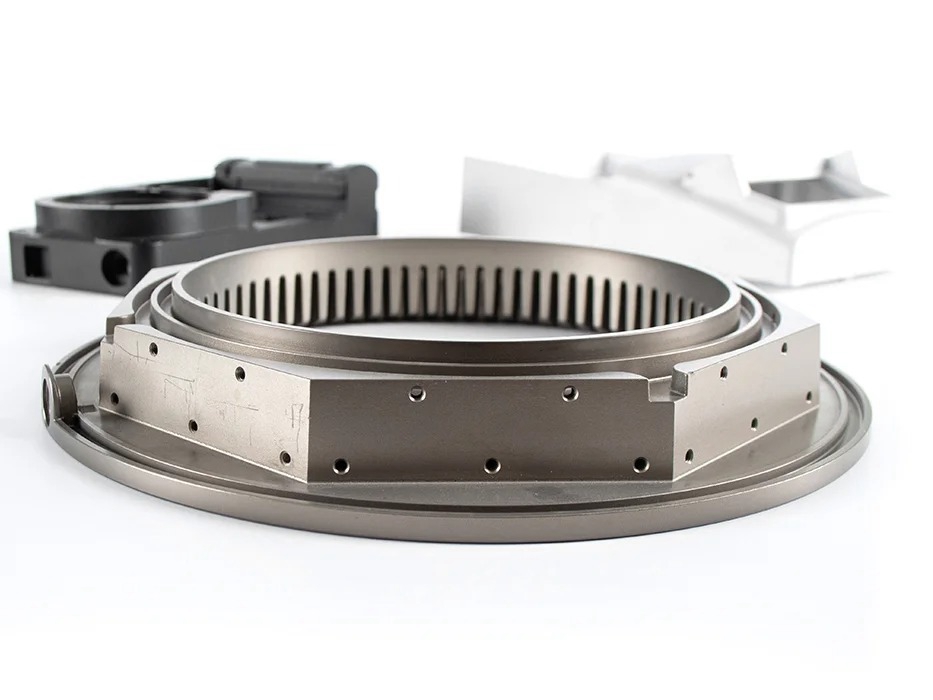
How does Neway support the transition from prototype to mass production?
Neway supports the transition from prototype to mass production by turning prototype results into a controlled manufacturing plan for custom metal and plastic parts. The transition usually includes prototype review, DFM optimization, process selection, tooling or fixture planning, pilot production, dimensional inspection, functional validation, and production quality control. The practical RFQ problem is to show which prototype evidence is already proven and which production risks still need review before Neway quotes tooling, fixtures, pilot lots, or mass production.
How does Neway support the transition from prototype to mass production?
Neway supports the transition by reviewing the prototype purpose, measured results, functional test feedback, material selection, critical dimensions, surface finish, and target production volume. This review turns a prototype project into a production route with defined process steps, inspection points, tooling needs, and quality evidence.
The transition should not be treated as a simple repeat order. A prototype may prove fit, appearance, or function, but mass production also needs stable cycle time, repeatable tolerances, supplier-controlled materials, fixture strategy, inspection plans, and documentation.
Transition Stage | Neway Review Focus | Buyer Decision Supported |
|---|---|---|
Prototype result review | Fit, function, test feedback, inspection data, and design changes | Whether the design is ready for production planning |
DFM optimization | Wall thickness, draft, ribs, holes, threads, tolerances, and finishing risk | Which design changes reduce manufacturing risk |
Process selection | CNC machining, die casting, sheet metal, MIM, 3D printing, injection molding, or hybrid route | Which manufacturing route fits volume, tolerance, material, and cost targets |
Tooling and fixture planning | Mold, die, jig, fixture, machining setup, gauge, and secondary operation needs | What investment is needed before production release |
Pilot production | Small batch output, process stability, inspection reports, and corrective actions | Whether the part is ready for repeatable mass production |
Mass production quality control | Incoming material, in-process inspection, final inspection, packaging, and documentation | How production consistency will be controlled after launch |
What should be reviewed after prototype validation?
After prototype validation, buyers and Neway should review what the prototype actually proved. The review should cover assembly fit, functional tests, material behavior, dimensional inspection, surface finish, customer comments, failed features, design revisions, and unresolved production risks.
The engineering reason is that a prototype result can be incomplete. A CNC machined prototype may prove geometry and fit, but it may not prove die casting shrinkage, injection molding warpage, sheet metal springback, MIM sintering shrinkage, or mass production cycle stability. A 3D printed prototype may prove shape, but it may not prove final material behavior or production tolerance.
For risk planning, see how prototype metal parts reduce production risk before tooling and functional prototype testing requirements.
How does DFM change from prototype to mass production?
DFM changes from prototype to mass production because the manufacturing process changes from making a few samples to repeating the part at scale. Prototype features that are acceptable for one-off machining or 3D printing may need redesign for tooling, fixture access, cycle time, material flow, secondary machining, finishing, inspection, and packaging.
Neway may review wall thickness, draft angle, rib design, gate location, ejector marks, machining allowance, bend radius, hole depth, thread method, surface finish class, and tolerance stack-up. The goal is to reduce defects, rework, unstable dimensions, and avoidable cost before production tools or fixtures are built.
The RFQ should identify the target production process and annual volume. A buyer planning CNC mass production needs a different DFM review from a buyer planning die casting, injection molding, metal injection molding, sheet metal fabrication, or additive manufacturing.
How is the mass production process selected after prototyping?
The mass production process is selected by comparing part material, tolerance, geometry, surface finish, annual volume, tooling budget, unit cost target, inspection requirement, and delivery schedule. Neway can use prototype results to recommend CNC machining, die casting, sheet metal fabrication, plastic injection molding, metal injection molding, 3D printing, or a combined route.
The buyer decision should be stated directly. If the priority is low-volume precision, CNC machining may remain the production route. If the priority is higher-volume metal parts with lower unit cost, die casting or MIM may become practical after tooling review. If the priority is complex plastic housings at volume, injection molding may be the production route.
For process comparison, see metal parts prototype manufacturing process selection and CNC machining and 3D printing for rapid metal prototypes.
What happens during tooling, fixture, and pilot production planning?
Tooling, fixture, and pilot production planning turns the approved design into a repeatable production setup. Neway may define mold or die requirements, CNC fixtures, assembly jigs, inspection gauges, machining allowances, secondary operations, surface finishing, packaging, and pilot-lot acceptance criteria.
Pilot production is important because it tests the manufacturing route before full-scale production. A pilot lot can reveal dimensional drift, fixture instability, burr issues, surface defects, heat treatment variation, coating problems, assembly interference, or packaging damage.
Production Planning Item | Typical Evidence Needed | RFQ Impact |
|---|---|---|
Tooling or mold plan | Tool layout, material flow, parting line, draft, shrinkage allowance, and expected life | Affects upfront investment, lead time, and unit price |
Fixture and jig plan | Clamping strategy, datum control, repeatability, and operator access | Affects dimensional stability and production cycle time |
Secondary operations | CNC machining, tapping, deburring, heat treatment, coating, assembly, or marking | Affects routing, cost, inspection scope, and delivery schedule |
Pilot lot inspection | CMM report, critical dimension report, gauges, functional tests, and visual inspection | Supports approval before larger-volume release |
Corrective action | Design adjustment, tool adjustment, fixture adjustment, process parameter change, or inspection update | Reduces repeat defects before mass production |
How does quality control change for mass production?
Quality control changes from checking a few prototype samples to controlling a repeatable production process. Mass production quality control may include incoming material checks, first article inspection, in-process inspection, final inspection, CMM reports, functional tests, surface finish checks, traceability, packaging review, and shipment documentation.
The engineering reason is that mass production risk is statistical and process-based. A prototype can pass inspection, but production still needs controls for tool wear, fixture wear, operator variation, material batch variation, finishing variation, and packaging damage.
The RFQ should state required reports, critical-to-quality features, sampling plan, functional tests, visual standards, material certificates, and packaging requirements. Neway can then align the quality plan with the buyer's production approval process.
What information should buyers provide for production transition support?
Buyers should provide final or latest CAD, 2D drawings, prototype test results, failed sample notes, material requirements, target production volume, target process, tolerance requirements, surface finish requirements, inspection reports, assembly requirements, packaging needs, and launch schedule. These inputs allow Neway to quote the transition from prototype manufacturing to scalable production.
Buyers should also identify which decisions remain open. Open decisions may include material grade, production process, tooling budget, annual volume, test method, surface finish, tolerance level, or approval standard. Clear open decisions help Neway focus DFM feedback and quotation assumptions.
For RFQ details, see what buyers should provide for an accurate prototype quote and files and specifications for custom 3D prototyping services.
Related FAQs
How do prototype metal parts reduce production risk before tooling?
What tests should be performed on functional prototype parts?
Which process should buyers choose for metal parts prototype manufacturing?
Is CNC machining or 3D printing better for rapid metal prototypes?
What information should buyers provide for an accurate prototype quote?
What files and specifications are needed for custom 3D prototyping services?
How does Neway ensure smooth transition from prototype to mass production?
If a test fails, can Neway support quick redesign and re-prototyping?