How does Neway ensure smooth transition from prototype to mass production?
Neway supports a controlled transition from prototype to mass production by turning prototype findings into DFM updates, material decisions, tooling assumptions, pilot-run checks, secondary-operation plans, and production inspection requirements. For RFQs involving CNC prototypes, 3D printed samples, MIM parts, molded plastic components, cast metal parts, or assembled mechanisms, the practical buyer problem is making sure the approved prototype can be manufactured repeatedly by the intended production process.
How does Neway move from prototype to mass production?
The transition starts by identifying what the prototype proved and what still needs production validation. A prototype may confirm fit, appearance, or function, but production still requires DFM review, tooling planning, material control, process setup, inspection planning, and buyer approval criteria.
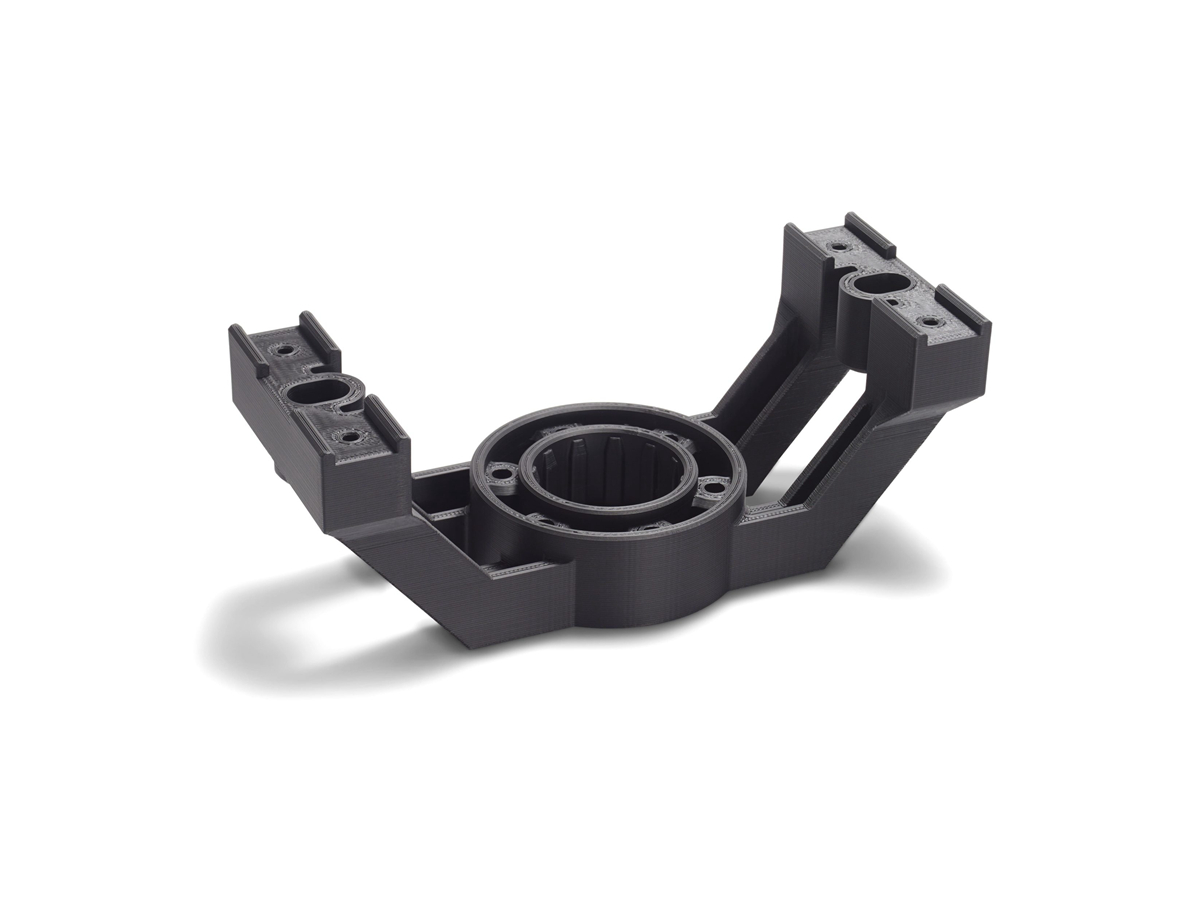
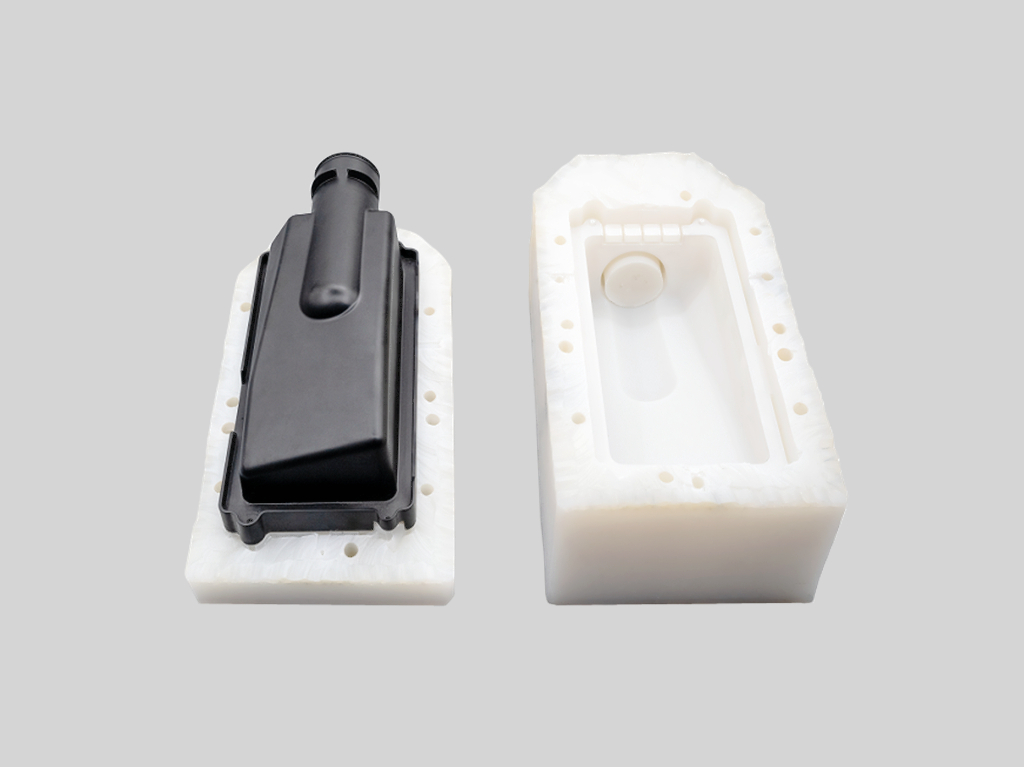
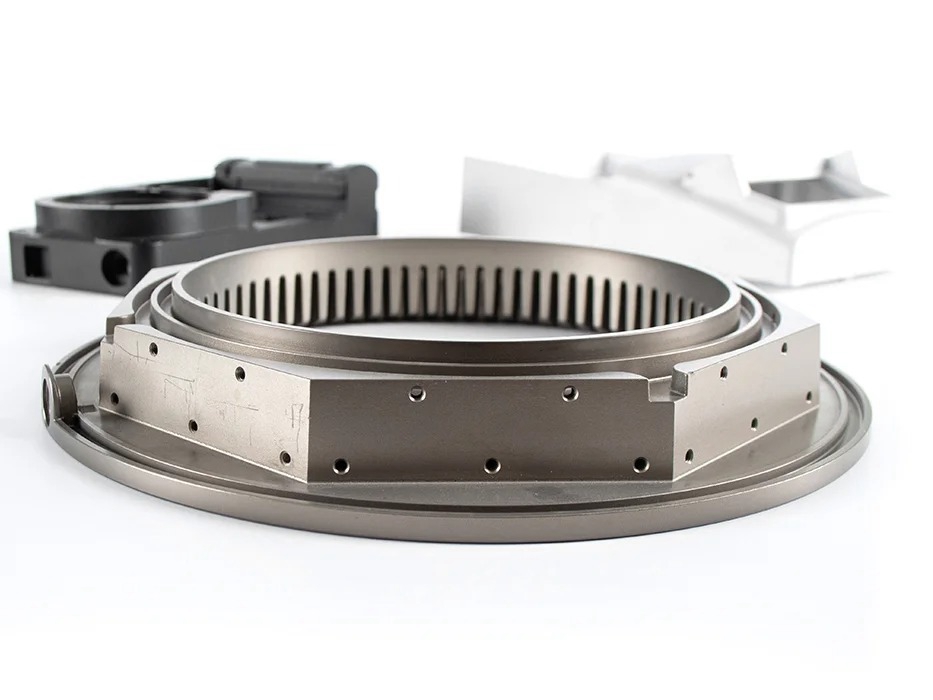
If the prototype was made by CNC machining prototyping or 3D printing prototyping, Neway reviews what must change for metal injection molding, plastic injection molding, precision casting, machining, or another production route. A good transition plan does not assume that a prototype process and a mass-production process share the same limits.
Transition stage | Buyer question | Neway review focus | Approval output |
|---|---|---|---|
Prototype review | What did the sample prove? | Fit, assembly, function, material behavior, surface finish, and remaining risks | Prototype feedback and design-change list |
DFM update | Can the design be produced by the target process? | Wall thickness, draft, radii, shrinkage, parting line, gate, machining stock, and inspection access | Production-ready drawing revision or open issues |
Material and finish freeze | Which material and secondary operations are locked? | Production material, heat treatment, coating, polishing, passivation, color, and texture | Approved material and finishing route |
Tooling and pilot run | Does the process make repeatable parts? | Tooling, fixtures, sintering, molding, casting, machining, and process parameters | First article or pilot approval data |
Production quality plan | How will key characteristics be controlled? | Inspection method, sampling, gauges, reporting, traceability, and nonconformance response | Control plan and production release criteria |
What changes between a prototype and a production part?
The main changes are process constraints, material behavior, tooling effects, and inspection expectations. A CNC prototype may have sharper internal corners than a molded part. A 3D printed part may show geometry that needs draft, wall-thickness changes, or support changes for injection molding. A prototype made from substitute material may not represent heat, wear, stiffness, or corrosion behavior.
Buyers should treat the prototype as evidence for a specific decision, not as automatic proof of mass-production readiness. The production process may require design changes for gate marks, ejector marks, sintering shrinkage, casting allowance, machining stock, coating thickness, or assembly tolerances.
How does DFM prepare MIM, molding, or casting for production?
DFM prepares production by converting prototype lessons into process-specific geometry. For MIM, Neway reviews feedstock flow, gate position, debinding, sintering shrinkage, support, secondary machining, and key dimensions. For plastic injection molding, Neway reviews draft, wall thickness, ribs, bosses, sink, warpage, texture, and gate location. For casting, Neway reviews wall thickness, fillets, feeding, machining allowance, heat treatment, and inspection access.
The buyer should confirm which surfaces are functional and which surfaces are cosmetic or reference-only. That distinction helps assign tight control to the right features and avoid unnecessary cost on surfaces that do not affect fit, load, sealing, or motion.
How are materials and secondary operations frozen?
Materials and secondary operations are frozen by matching test results with production requirements. The final decision may include material grade, substitute material restrictions, heat treatment, machining, polishing, passivation, anodizing, coating, texture, color, cleaning, and assembly operations.
This step matters because secondary operations can change dimensions, surface roughness, hardness, corrosion behavior, color, and assembly fit. The RFQ and drawing should define which operations happen before inspection and which surfaces must remain uncoated, unpolished, or protected.
What does pilot production validate?
Pilot production validates that the target process can make acceptable parts repeatedly under controlled conditions. It checks tooling behavior, process settings, material handling, dimensional trends, finishing quality, assembly fit, and inspection workflow.
Pilot samples should be reviewed against the agreed drawing and control plan. For MIM parts, pilot production may review molding, debinding, sintering, secondary machining, and final inspection. For molded plastic parts, pilot production may review gate, texture, sink, warpage, inserts, and cosmetic approval. For cast parts, pilot production may review casting quality, machining allowance, heat treatment, and surface finish.
How are quality plans and key dimensions transferred?
Quality plans are transferred by identifying key characteristics before production release. Key characteristics may include critical dimensions, datum surfaces, threads, bores, sealing faces, snap-fit features, gear teeth, coating thickness, surface roughness, hardness, and assembly checks.
Neway can use first article inspection, CMM measurement, optical inspection, gauges, hardness testing, surface checks, functional tests, and SPC monitoring depending on the part risk. The buyer should confirm reporting format, sample size, acceptance criteria, and any application-specific validation that remains under buyer responsibility.
What must buyers approve before full production?
Before full production, buyers should approve the final drawing revision, CAD model, material grade, process route, tooling assumptions, pilot samples, secondary operations, inspection plan, packaging, and change-control process. These approvals help prevent prototype assumptions from drifting during scale-up.
For regulated, safety, medical, automotive, aerospace, electrical, or high-load applications, final product qualification should follow the buyer's own validation plan. Neway can provide manufacturing feedback and production data, but buyer approval defines whether the part is ready for its final system.
What RFQ inputs reduce prototype-to-production risk?
A strong RFQ includes prototype purpose, production process target, material grade, annual volume, drawing revision, critical dimensions, functional tests, cosmetic zones, finishing requirements, inspection method, sampling plan, and buyer approval criteria.
Neway can support the transition more effectively when the buyer explains which prototype result should carry into production and which prototype result was only for early learning. That clarity helps align DFM, tooling, pilot production, and quality control before the first production lot.
Related FAQs