Does Neway offer functional testing for prototype parts?
Yes. Neway can support functional testing for prototype parts when the RFQ defines the part function, prototype process, material, load case, assembly condition, environment, inspection method, and acceptance criteria. For CNC prototypes, 3D printed samples, molded plastic parts, MIM trial parts, housings, brackets, gears, clips, seals, and small mechanisms, the practical buyer problem is deciding which test proves the next design or production decision.
Does Neway offer functional testing for prototype parts?
Neway can support prototype functional testing through fit checks, dimensional inspection, assembly checks, torque tests, pull-out tests, load checks, snap-fit evaluation, sealing checks, surface finish review, heat-treatment verification, coating checks, and production-route feedback. The exact test scope depends on the part type and the buyer's acceptance criteria.
Prototyping should be planned around the test question. A prototype for shape review needs different evidence than a prototype for load, wear, sealing, heat, or customer approval. Neway can help prepare samples and inspection data, while final product qualification and system-level validation should follow the buyer's application standard.
Prototype test goal | Typical prototype route | Functional check | RFQ input needed |
|---|---|---|---|
Fit and assembly | 3D printing, CNC machining, molded sample | Component clearance, screw fit, connector access, stack-up, and assembly sequence | Assembly model, mating parts, datum scheme, and critical dimensions |
Mechanical load | CNC machining prototyping or target-process sample | Bending, torque, pull-out, compression, snap-fit, or hinge action | Load direction, force target, cycle count, and failure criteria |
Material behavior | CNC sample, molded sample, MIM trial part, cast sample | Strength, hardness, heat response, wear, corrosion, or chemical exposure | Target material, substitute material permission, environment, and test method |
Housing performance | 3D printed, CNC, or molded housing sample | Snap-fit, drop risk, sealing compression, EMI-shielding layout, and cosmetic surface review | Internal components, gasket design, finish, coating, and assembly requirement |
Production route review | MIM, plastic injection molding, casting, or machined sample | Shrinkage, warpage, secondary machining, surface finish, and inspection capability | Production process target, annual volume, key characteristics, and reporting plan |
What should the functional test prove?
The functional test should prove one defined buyer decision. It may answer whether a clip holds, a housing seals, a gear meshes, a thread survives assembly torque, a bracket carries load, a surface resists wear, or a prototype fits the final assembly.
Buyers should avoid asking a single prototype to prove every future production condition. Early prototypes may prove geometry and assembly. Later prototypes may prove material, finishing, and production-process behavior. The RFQ should state which decision is being tested and what result will allow the project to move forward.
Which tests fit CNC prototypes?
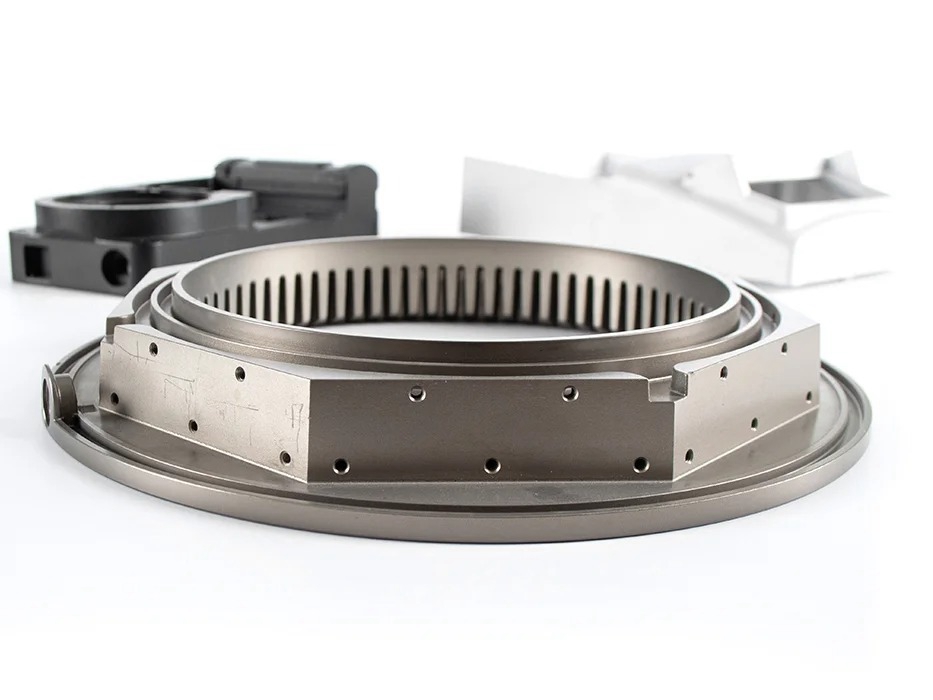
CNC prototypes fit functional tests that need real material behavior, precise local surfaces, threads, bores, flats, sealing faces, or assembly datums. CNC samples can be useful for torque checks, press-fit checks, pull-out testing, motion checks, and fixture-based load evaluation.
The buyer should mark the features that carry load or control alignment. CNC machining can create high-confidence functional surfaces, but a CNC prototype may not show molding, MIM, casting, or sintering risks. If production will use another process, Neway should also review what will change before production tooling.
Which tests fit 3D printed or molded prototypes?
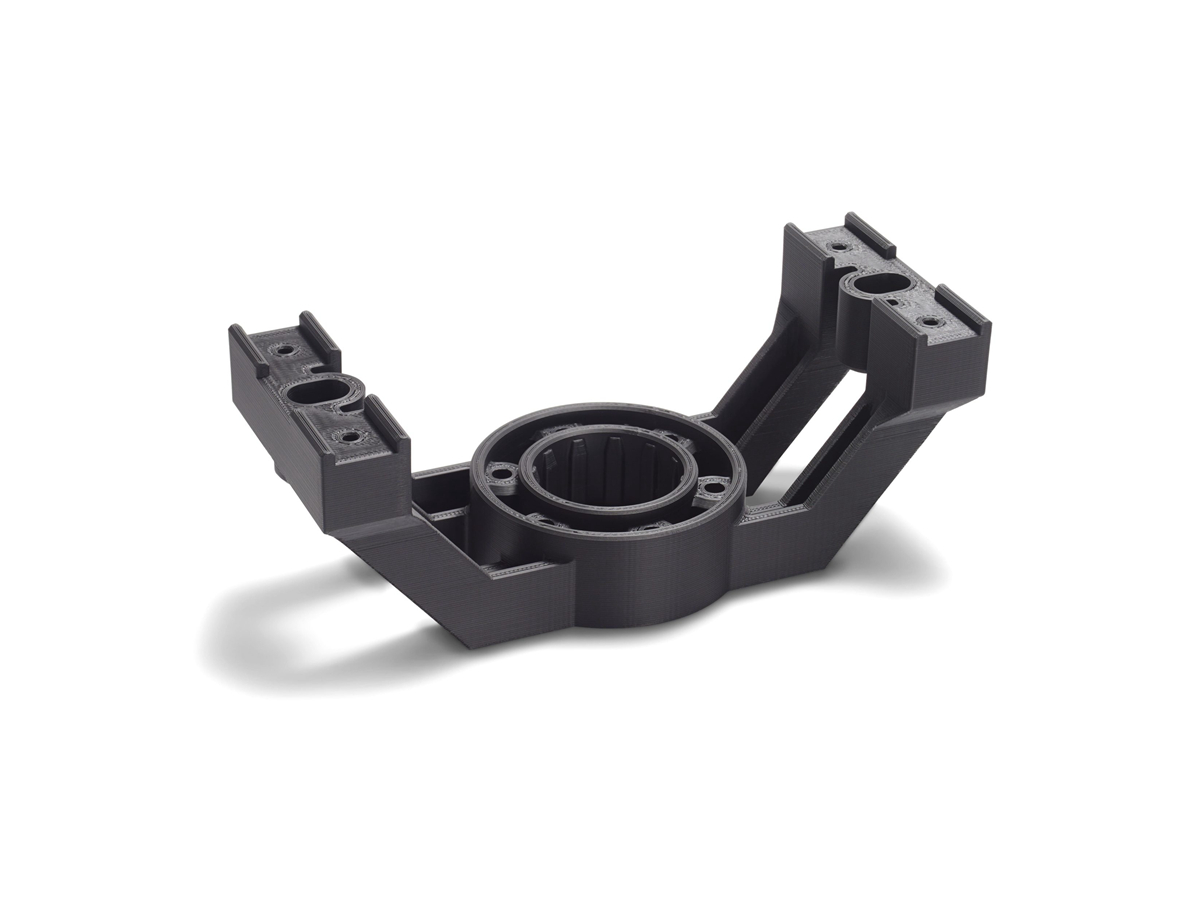
3D printed prototypes fit geometry, ergonomics, internal packaging, flow path, and early assembly checks. They may also support limited functional testing when the printed material and build orientation are appropriate for the question being asked.
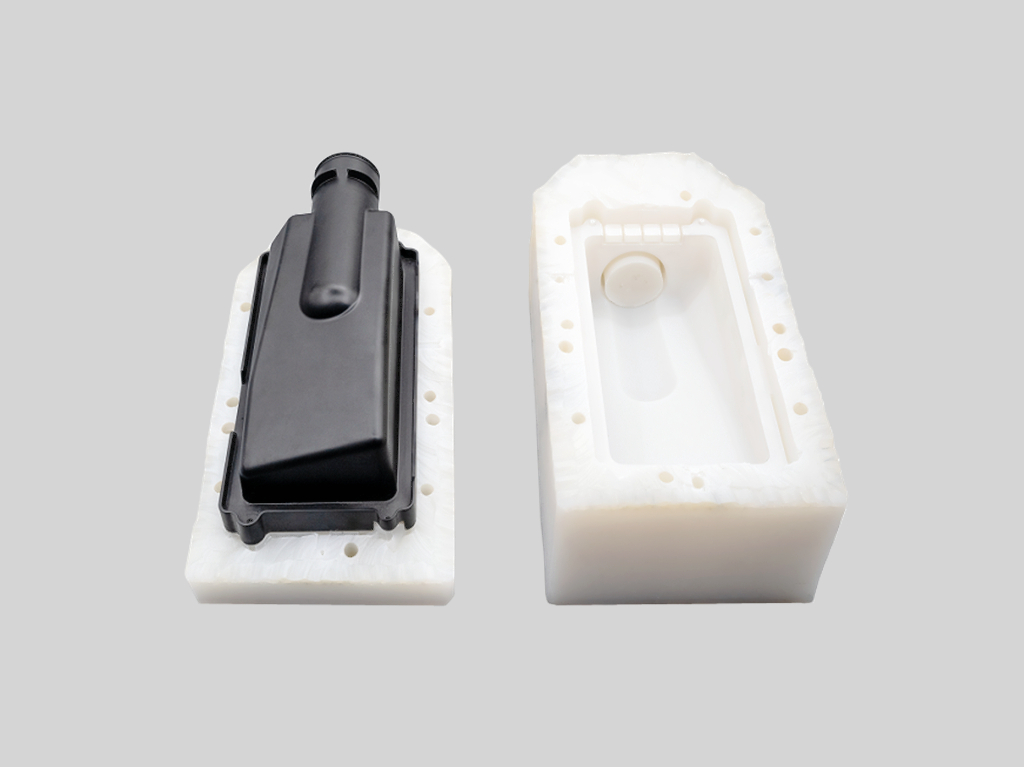
Molded prototypes fit production-like plastic behavior, including snap-fit response, sink, warpage, gate marks, surface texture, and assembly fit. If the test depends on resin flow, material stiffness, heat, or surface finish, a molded sample may be more useful than a printed model.
How do materials and surface treatments affect testing?
Materials and surface treatments can change the result of a functional test. A substitute plastic may be acceptable for fit review but unsuitable for heat or snap-fit testing. A raw machined metal sample may pass fit checks but behave differently after heat treatment, anodizing, passivation, coating, polishing, or tumbling.
Buyers should state which material properties matter: stiffness, strength, hardness, wear, corrosion, conductivity, insulation, heat resistance, or surface friction. If the final part requires a coating or finish, the prototype test should define whether that finish must be included in the sample.
What inspection reports can support prototype testing?
Inspection reports should support the test question. Useful records may include dimensional reports, CMM data, optical measurement, thread gauge checks, surface roughness checks, hardness results, coating thickness, material certificates, weight checks, density-related review for MIM, and functional gauge results.
The buyer should specify whether the report is for internal engineering review, customer approval, supplier qualification, or regulatory documentation. Report format, sampling count, and acceptance criteria should be agreed before prototypes are built.
What remains the buyer's validation responsibility?
The buyer remains responsible for final product validation, system-level testing, regulatory approval, and end-use acceptance. Neway can provide prototype samples, manufacturing feedback, functional checks, and inspection evidence, but the buyer's application team should confirm whether the part meets the final product requirement.
This distinction matters for medical, automotive, aerospace, electrical, sealing, safety, and high-load applications. Prototype testing can reduce design risk, but it should be connected to the buyer's full validation plan.
What RFQ details are needed for functional testing?
A functional testing RFQ should include CAD files, drawings, material target, prototype process, production process target, mating parts, assembly condition, load direction, test force, cycle count, environment, temperature, surface finish, coating, inspection method, report requirement, and pass-fail criteria.
Neway can recommend a prototype route and test plan when the buyer defines what the prototype must prove. The clearer the test question, the more useful the prototype result becomes for design changes, tooling decisions, or production approval.
Related FAQs