Can Neway provide full solutions from design to manufacturing?
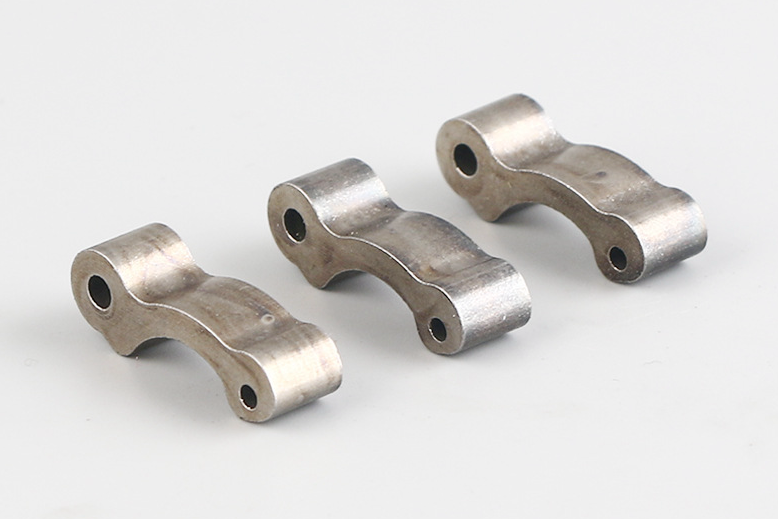
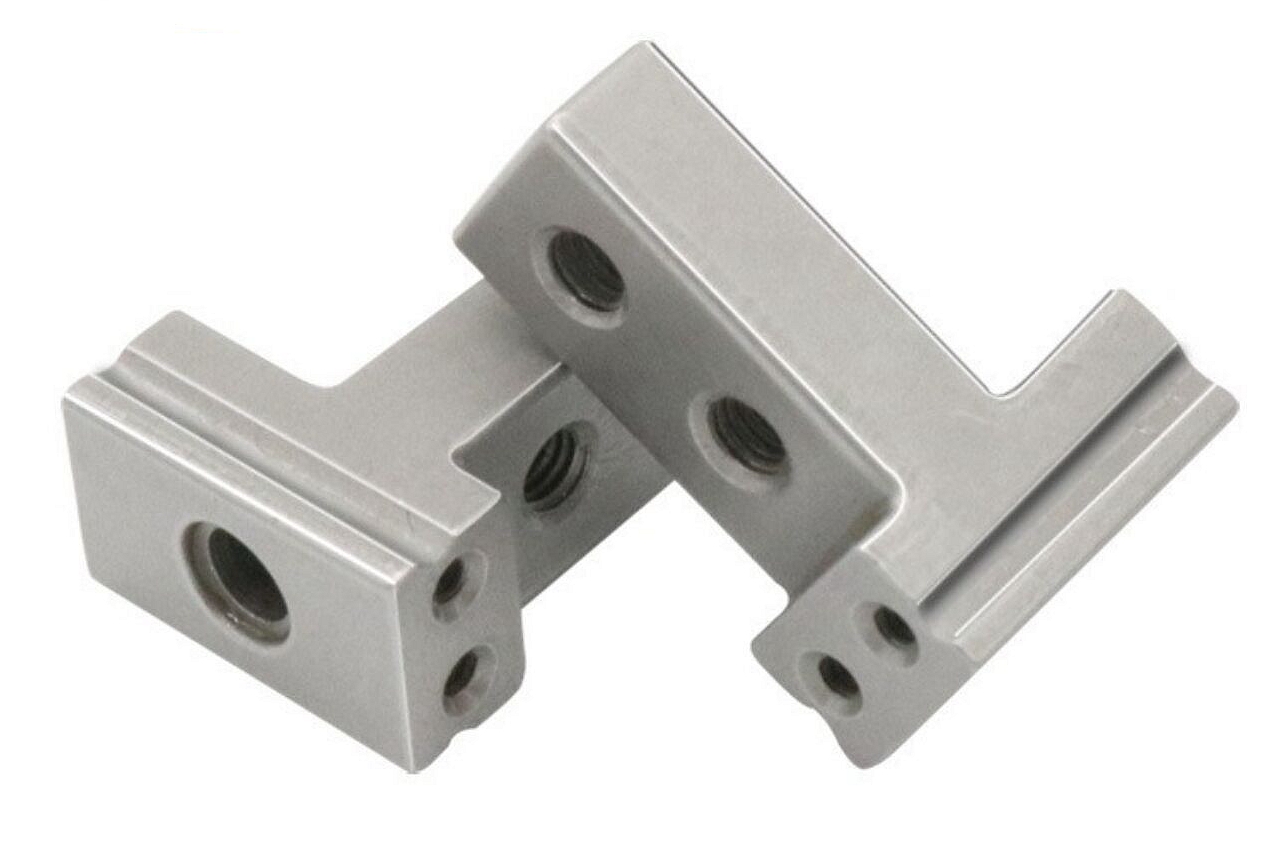
Neway can support design-to-manufacturing projects when the RFQ defines the part function, material target, tolerance risks, prototype plan, production volume, secondary operations, and inspection requirements. For MIM parts such as small metal housings, brackets, gears, locking parts, medical components, electronics hardware, and internal mechanisms, the practical buyer problem is how to move from an early design to a manufacturable, inspectable, repeatable production route.
Can Neway provide full solutions from design to manufacturing?
Yes. Neway can support the full route from design review to production for suitable custom parts, including DFM review, material selection, process selection, prototyping, tooling, metal injection molding, secondary machining, finishing, assembly support, and quality inspection.
The scope should be defined during RFQ review. A simple MIM bracket may need DFM, tooling, sintering, and inspection. A complex product module may need MIM, CNC machining prototyping, heat treatment, coating, insert assembly, and functional checks. Clear input data helps Neway select the process path instead of treating every project as the same production model.
Project stage | Buyer question | Neway support | RFQ output |
|---|---|---|---|
Design review | Can the part be made by MIM or another process? | DFM review, tolerance review, feature-risk review, and material discussion | Manufacturability comments and drawing feedback |
Material and process selection | Which process and material match the function? | MIM, casting, injection molding, ceramic molding, machining, and prototyping comparison | Suggested route, material candidates, and secondary operation notes |
Prototype and validation | What should be tested before tooling? | Prototype samples, fit checks, functional review, and inspection planning | Prototype feedback and production design updates |
Tooling and production setup | How will the production process control repeatability? | Tooling design, process setup, sintering review, fixtures, and pilot run checks | Tooling plan, sample review, and quality control plan |
Finishing and assembly | Which secondary operations are needed? | Machining, heat treatment, polishing, passivation, coating, and assembly support | Finished-part route and inspection criteria |
What RFQ information starts a design-to-manufacturing project?
A strong RFQ starts with 3D CAD, 2D drawings, material preference, application environment, functional surfaces, tolerance-critical dimensions, annual volume, prototype quantity, assembly constraints, finish requirements, and inspection method. For MIM projects, the drawing should also identify threads, datum faces, sealing surfaces, bearing seats, and any areas that cannot accept gate marks or ejector marks.
This information helps separate functional requirements from cosmetic or reference geometry. Without this separation, a project may carry unnecessary tolerance cost or miss the real assembly risk. The earlier the RFQ defines the part's job, the easier it is to select MIM, CNC machining, casting, plastic injection molding, or ceramic injection molding with realistic expectations.
How does DFM connect MIM design to production?
DFM connects the MIM design to production by checking wall thickness, corner radius, parting line, gate location, ejection, sintering shrinkage, support needs, and secondary machining allowance. A part may look compact in CAD but still need changes for tool release, feedstock flow, debinding, sintering, or inspection access.
For small metal parts, DFM also checks fragile ribs, internal pockets, cross-holes, thin walls, and datum strategy. If a surface must be precise after sintering, the production plan may include post-machining, coining, sizing, grinding, or inspection gauges. DFM should happen before tooling because late changes can affect tool cost, validation, and schedule.
How are material and process routes selected?
Material and process routes are selected by matching the part function to the manufacturing method. MIM materials may fit small complex metal components. Precision casting may fit larger or thicker metal parts. Injection molding may fit plastic housings or covers. Ceramic injection molding may fit insulating or wear-resistant ceramic components.
Buyers should define load, temperature, corrosion, wear, conductivity, insulation, weight, cosmetic surface, and regulatory or application requirements. These requirements influence whether Neway reviews stainless steel MIM, tool steel MIM, titanium alloy MIM, nickel alloy MIM, plastic injection molding, ceramic molding, casting, or machining.
How do prototypes and tooling reduce production risk?
Prototyping helps check fit, assembly, function, and buyer assumptions before committing to production tooling. CNC or additive prototypes can be useful for early validation, while pilot MIM samples are needed to confirm the actual molded and sintered production route.
Tooling review should include gate position, parting line, ejection, shrinkage allowance, fixture needs, and secondary machining stock. Buyers should not assume that a CNC prototype is identical to a MIM production part. The prototype may validate function, while MIM tooling validates manufacturability, repeatability, and production inspection.
What manufacturing and secondary operations can be combined?
Neway can combine primary manufacturing with secondary operations when the project requires a finished component instead of only a raw formed part. For MIM projects, the route may include debinding, sintering, heat treatment, CNC machining, tapping, reaming, polishing, passivation, tumbling, coating, and assembly support.
Heat treatment may be needed for hardness or strength. Machining may be needed for threads, bores, flats, sealing faces, or bearing seats. Surface finishing may be needed for corrosion resistance, cosmetic requirements, cleanliness, or sliding contact. These steps should be included in the RFQ so quotation, sampling, and inspection match the final product requirement.
How is quality controlled from pilot to mass production?
Quality is controlled by defining the inspection plan before production scale-up. First article inspection, material checks, dimensional inspection, CMM measurement, optical inspection, gauges, hardness testing, surface checks, functional tests, and SPC monitoring may be used depending on the part risk.
For MIM parts, quality planning should also cover feedstock lot, molding conditions, debinding, sintering, furnace loading, shrinkage control, secondary machining, heat treatment, and finishing. Buyers should define key characteristics, acceptance criteria, reporting format, sampling requirements, and any application-specific validation that remains under the buyer's final approval.
What should buyers confirm before approving the route?
Before approving the route, buyers should confirm the drawing revision, material grade, process route, prototype purpose, tooling assumptions, secondary operations, critical dimensions, surface finish, cosmetic criteria, inspection method, packaging, and production volume. These items determine whether Neway is quoting only one process or a full design-to-manufacturing workflow.
The most effective design-to-manufacturing projects have clear responsibilities on both sides. Neway can provide manufacturing feedback, process options, samples, production execution, and inspection data. The buyer should provide application requirements, acceptance criteria, and final product validation decisions.
Related FAQs
Can Neway deliver full enclosure solutions from design to production?
What should OEM buyers provide when requesting a quote for custom stainless steel MIM parts?
How can buyers evaluate the reliability of a China metal injection molding supplier?
How do China metal injection molding suppliers control part quality during mass production?
What certifications should buyers look for in a China MIM manufacturer?
Can OEM metal injection molding services produce complex stainless steel parts with custom features?