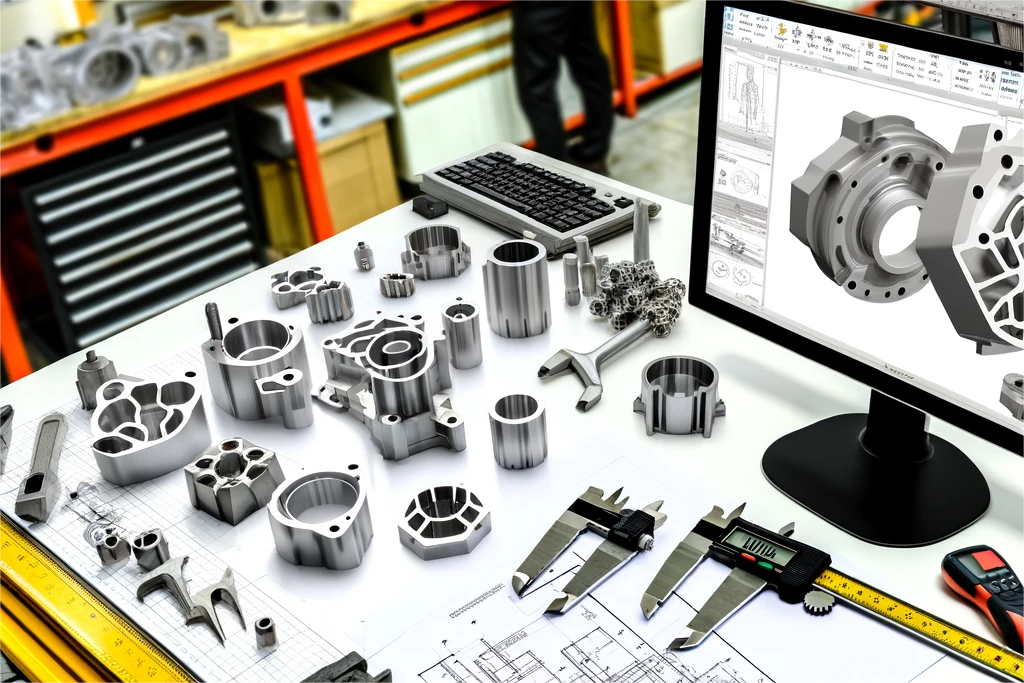
Can Neway deliver full enclosure solutions from design to production?
Neway can support full enclosure solutions from design to production when the RFQ clearly defines the enclosure process route, aluminum die cast housing requirements, plastic or sheet metal companion parts, surface finishing, assembly interfaces, and inspection plan. For buyers sourcing telecom housings, industrial control enclosures, consumer device shells, medical equipment covers, lighting housings, and power tool frames, the practical RFQ problem is coordinating aluminum die casting, prototyping, tooling, machining, finishing, and final assembly without separating responsibility across disconnected suppliers.
Can Neway deliver full enclosure solutions from design to production?
Yes. Neway can support enclosure programs from early design review through DFM, prototype validation, tooling, die casting or molding, secondary operations, surface finishing, assembly, and production inspection. The strongest fit is a project where the buyer needs a coordinated manufacturing route for metal housings, plastic covers, inserts, gaskets, fasteners, and visible exterior surfaces.
The buyer should still define the finished enclosure requirement before choosing the process. A full enclosure program may include aluminum die cast frames, plastic injection molding covers, sheet metal fabrication shields, threaded inserts, EMI contact features, seals, and cosmetic coatings. The RFQ must describe how those parts fit, seal, mount, dissipate heat, and pass inspection.
What does full enclosure support include for aluminum die cast housings?
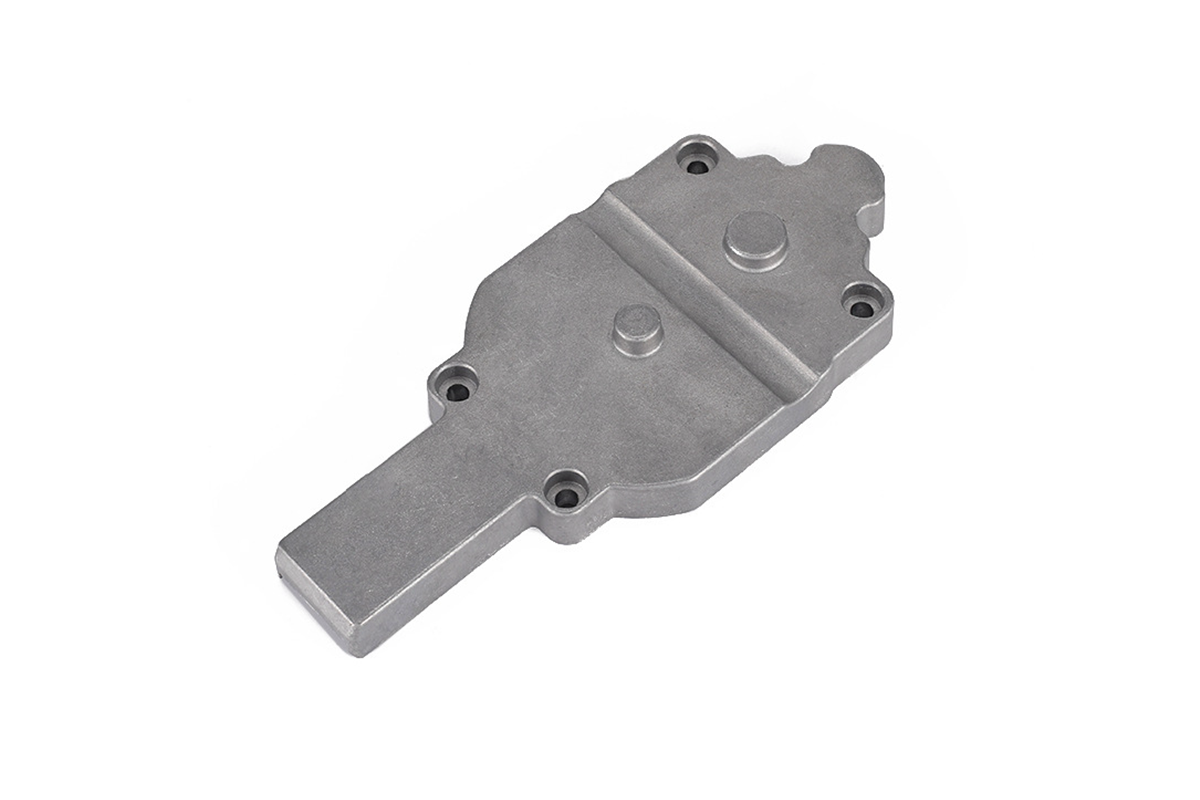
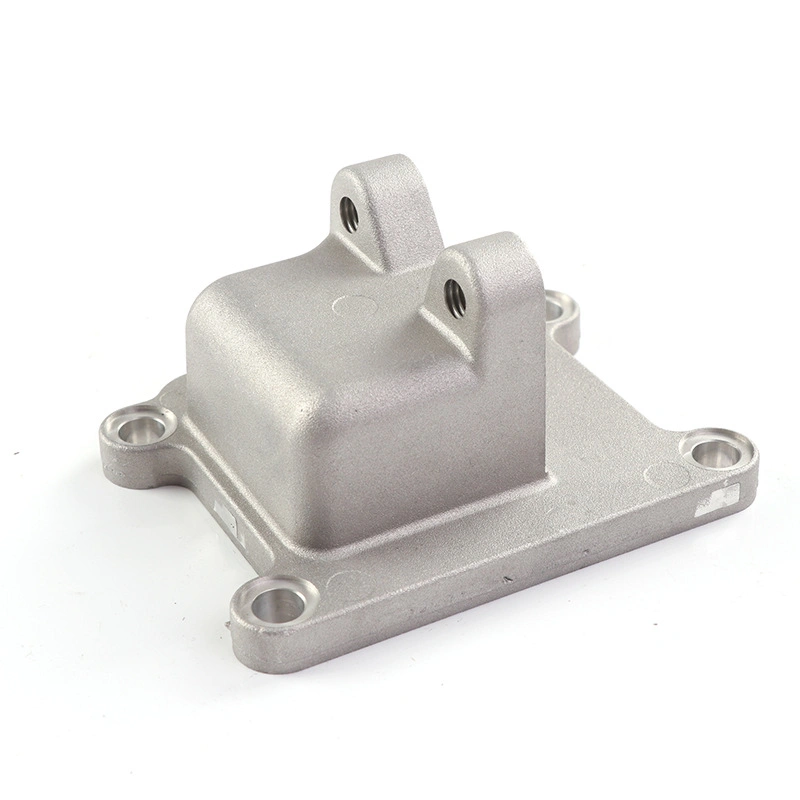
Full enclosure support includes the manufacturing stages that turn a housing concept into repeatable production parts. For an aluminum die cast enclosure, the work usually begins with DFM review and continues through alloy selection, die design, casting trials, CNC machining of critical features, deburring, cleaning, surface finishing, dimensional inspection, and assembly support.
Buyers should separate structural requirements from cosmetic requirements. Structural requirements include wall thickness, ribs, mounting bosses, sealing grooves, threaded holes, heat dissipation fins, and impact loads. Cosmetic requirements include visible surfaces, coating color, texture, parting line expectations, and acceptable marks around ejector or gate areas.
How does DFM choose aluminum die casting, plastic molding, or sheet metal?
DFM chooses the enclosure route by matching each feature to the right manufacturing process. Aluminum die casting is useful for housings that need stiffness, heat transfer, integrated bosses, complex 3D geometry, and repeatable metal structure. Plastic injection molding is useful for insulated covers, cosmetic shells, lightweight components, and snap-fit features. Sheet metal fabrication is useful for shields, simple covers, brackets, and flat panels.
A hybrid enclosure may use more than one route. For example, a telecom module may use an aluminum die cast heat-dissipation frame, a molded plastic cover, a sheet metal shield, and machined sealing surfaces. The buyer should define the function of each enclosure component before asking the supplier to optimize cost, tooling, and assembly sequence.
How are prototypes used before die cast enclosure tooling?
Prototyping reduces tooling risk before the buyer commits to die cast enclosure production. CNC machined prototypes, 3D printed models, soft tooling samples, or prototype castings can check fit, gasket compression, PCB clearance, connector alignment, thermal path, handle feel, and assembly access.
Prototype results should feed back into the production design. If a prototype reveals difficult tool access, weak rib layout, poor cable routing, sealing interference, or a cosmetic issue, the design should be corrected before the die casting mold or injection mold is released. This step protects the RFQ timeline because late changes after tooling can be more expensive and slower to correct.
Which production stages need coordination?
The production stages need coordination because one enclosure decision can affect several downstream operations. A rib added for stiffness can change casting flow, machining access, coating drainage, assembly clearance, and inspection datum planning. A coating change can affect gasket compression, thread fit, and electrical contact areas.
Enclosure production stage | Buyer question | Manufacturing issue to control | RFQ information to provide |
|---|---|---|---|
DFM and process selection | Which route should make each enclosure part? | Wall thickness, draft, undercuts, material behavior, and assembly sequence | 3D CAD, 2D drawings, use environment, and annual volume |
Prototype validation | What should be checked before tooling? | Fit, sealing, heat path, connector position, and service access | Prototype purpose, test plan, and critical interfaces |
Tooling and die design | How will production parts be made repeatedly? | Gate location, venting, cooling, ejection, slides, and parting lines | Cosmetic surfaces, tolerance priorities, and change-control status |
Casting or molding production | How will quality stay stable across batches? | Porosity, shrinkage, warpage, sink marks, and process drift | Batch volume, inspection frequency, and acceptance criteria |
Secondary operations | Which features need machining or inserts? | Thread quality, sealing flatness, bore alignment, and insert retention | Thread standards, datum scheme, insert drawings, and torque loads |
Finishing and assembly | How should the enclosure look and function after coating? | Coating thickness, masked zones, gasket fit, and cosmetic consistency | Finish specification, color target, masking map, and assembly drawing |
How are surface finishing and machining specified?
Surface finishing and machining should be specified as part of the enclosure function, not as a late cosmetic note. Aluminum die cast housings may need CNC machining for sealing surfaces, bearing seats, threaded holes, connector windows, datum pads, and heat-transfer interfaces. Surface finishing may include powder coating, painting, anodizing on suitable aluminum routes, conversion coating, masking, or local conductive contact areas.
The RFQ should identify which surfaces must remain uncoated, which surfaces are visible, and which dimensions are measured after finishing. Coating thickness can change fit around covers, seals, threaded holes, and sliding interfaces, so the drawing should show final-part requirements after all secondary operations.
What inspection and assembly details should buyers define?
Buyers should define inspection and assembly details that affect enclosure function. Important items include datum structure, critical-to-function dimensions, flatness of sealing faces, thread gauges, coating thickness, color standards, torque requirements, gasket compression, PCB mounting, connector alignment, leak checks, thermal contact areas, and packaging protection.
For regulated or safety-related products, Neway can manufacture to the buyer's documented specifications, but the buyer or system owner should confirm final product validation requirements. The enclosure supplier can support dimensional inspection, process control, and manufacturing records when those requirements are included in the RFQ.
What RFQ package helps Neway quote an enclosure program?
The most useful RFQ package includes 3D CAD, 2D drawings, assembly drawings, expected production volume, target process route, aluminum alloy preference such as A380 or ADC12 when known, plastic material requirements, finish specification, visible surface map, tolerance priorities, mating-part drawings, test requirements, and target delivery stages for prototypes and production samples.
If the buyer is unsure whether the enclosure should use aluminum die casting, injection molding, sheet metal fabrication, or a hybrid route, the RFQ should state the product function and constraints first. Neway can then review heat, weight, stiffness, sealing, appearance, and production volume to recommend a practical route for quotation.
Related FAQs
What information is needed for an aluminum die casting service quote?
What types of aluminum die casting parts can Neway manufacture?
Which aluminum alloys are commonly used for die casting parts?
How should buyers choose between A380 and ADC12 aluminum die casting?
What surface finishes are suitable for aluminum die casting parts?
How can aluminum die casting defects be reduced in mass production?
How does Neway support aluminum die cast prototypes before mass production?