What types of aluminum die casting parts can Neway manufacture?
Neway can manufacture custom aluminum die casting parts such as housings, covers, brackets, frames, heat dissipation parts, motor housings, mounting components, machined die cast parts, and surface-finished aluminum components. The practical RFQ problem is to confirm whether the part type, aluminum alloy, geometry, tolerance, machining scope, surface finish, inspection requirement, and production volume fit an aluminum die casting route.
Which aluminum die casting parts can Neway manufacture?
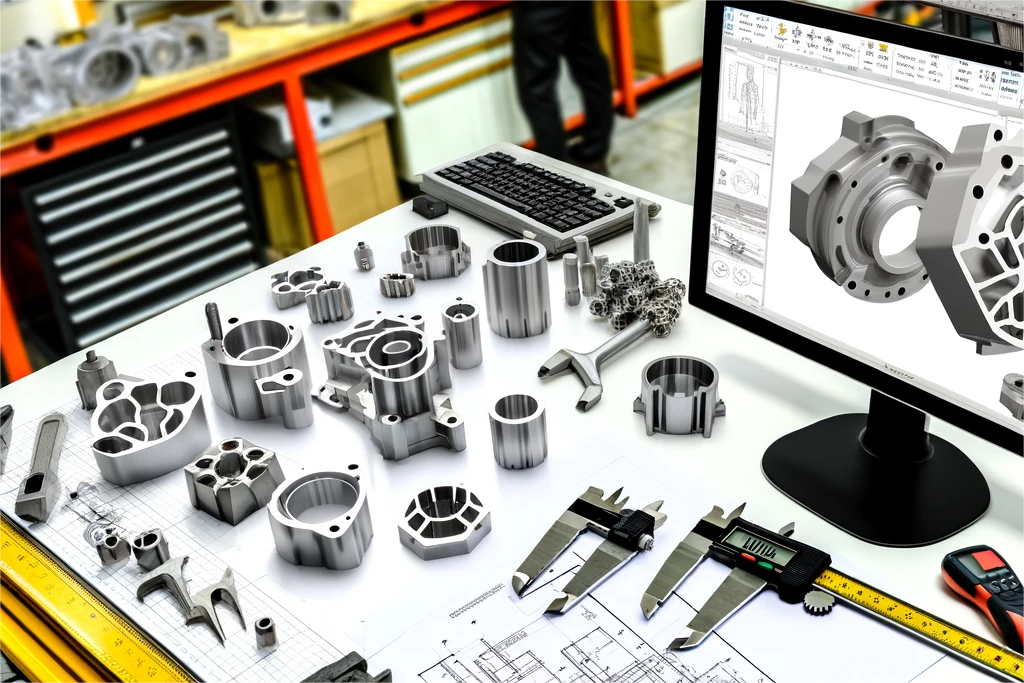
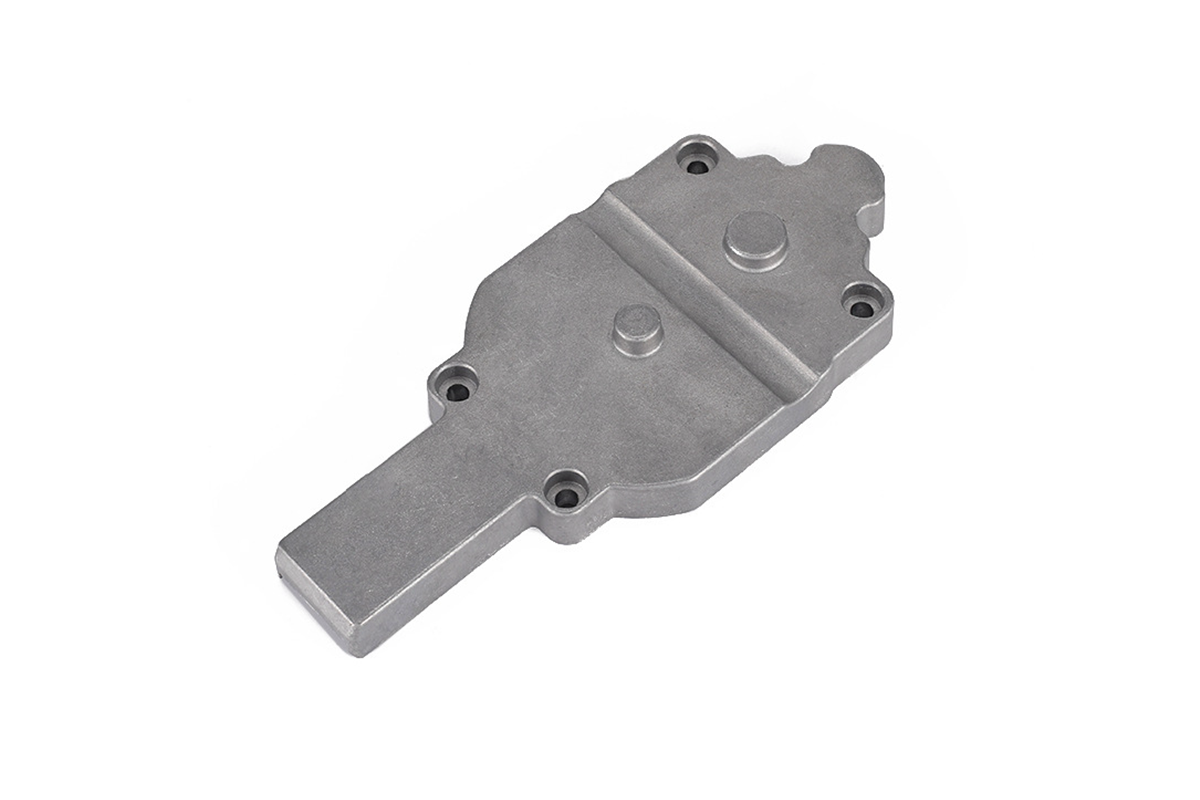
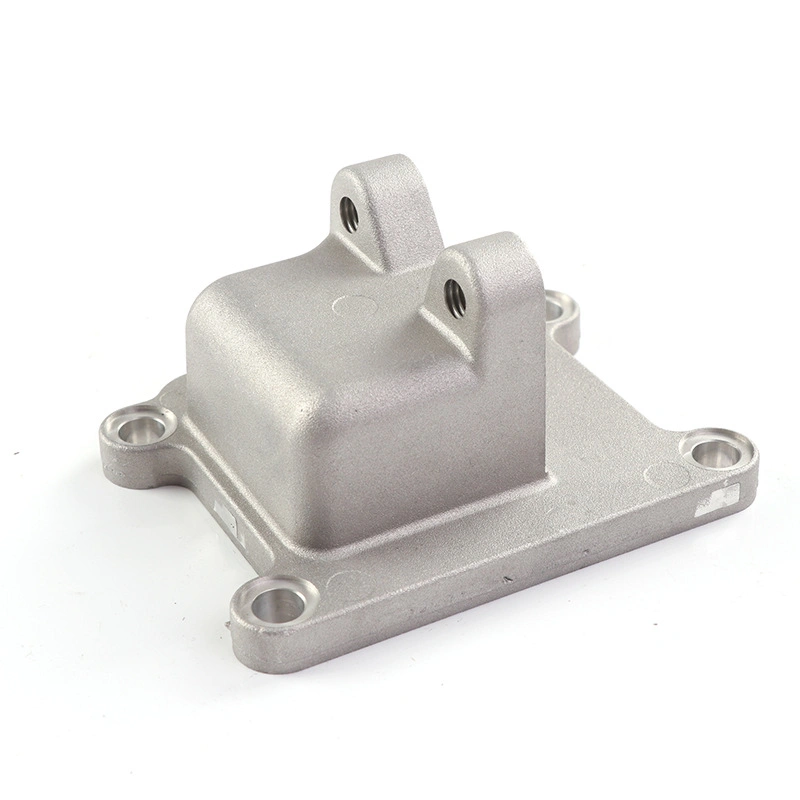
Neway can manufacture aluminum die casting parts for OEM products that need stable metal structure, controlled weight, repeated production, and optional secondary operations. Common part types include equipment housings, electronic covers, lighting bodies, heat sink bases, motor housings, pump or tool housings, brackets, frames, mounting plates, and customized die cast components.
These parts usually need more than casting alone. Many aluminum die cast parts also need CNC machining, drilling, tapping, deburring, surface finishing, inspection, and protective packaging. Buyers should describe the finished part requirement rather than only asking whether the shape can be cast.
Aluminum Die Casting Part Type | Typical Buyer Requirement | RFQ Detail to Provide |
|---|---|---|
Housings and covers | Protect internal components and provide cosmetic or assembled surfaces | Visible faces, wall thickness, screw bosses, mating parts, and finish |
Brackets and frames | Support load, alignment, mounting, or structural connection | Load direction, datums, flatness, hole positions, and inspection method |
Heat dissipation parts | Support heat transfer, surface area, and thermal contact | Thermal interface, fin geometry, machined contact face, and finish condition |
Motor and equipment housings | Combine strength, alignment, sealing, and machined bearing or mounting areas | Bores, sealing surfaces, datums, threads, and CMM requirements |
Machined die cast components | Control critical features after casting | Machined feature list, tolerances, thread calls, and inspection reports |
When are housings, covers, frames, and brackets good candidates?
Housings, covers, frames, and brackets are good candidates for aluminum die casting when the part needs integrated geometry, repeated production, moderate weight, and functional surfaces that can be finished after casting. These parts often include ribs, bosses, flanges, screw holes, mounting pads, connector openings, and cosmetic faces.
The buyer should identify which surfaces are structural, cosmetic, sealed, mounted, or machined. A cover may prioritize appearance and fit. A bracket may prioritize load path and hole position. A frame may prioritize flatness and assembly alignment. Those differences affect tooling, machining, finishing, and inspection.
For quotation preparation, see what information is needed for an aluminum die casting service quote and what buyers should provide when requesting aluminum die casting services.
When are heat dissipation parts and motor housings considered?
Heat dissipation parts and motor housings are considered when the aluminum die cast component must combine thermal, structural, and assembly requirements. Heat dissipation parts may need fins, thermal contact faces, controlled flatness, and finish compatibility. Motor housings may need bores, bearing seats, threaded holes, sealing features, and machined mounting datums.
These parts should not be quoted only from a product photo. Neway needs the 3D CAD model, 2D drawing, alloy requirement, machined feature list, critical dimensions, and inspection method. If thermal contact or bearing alignment matters, the drawing should define the surface condition after machining or finishing.
Which machined or surface-finished aluminum die cast components can be quoted?
Neway can quote aluminum die cast components that require post-casting machining and surface finishing. Common machined features include threads, bores, sealing faces, mounting pads, datum surfaces, flat contact areas, and precision holes. Common finish routes include deburring, tumbling, polishing, painting, powder coating, anodizing when suitable, and conversion coating.
Machining and finishing should be defined early because these operations affect cost, inspection, masking, packaging, and final acceptance. Buyers should separate as-cast surfaces from machined surfaces, coated surfaces, visible surfaces, and hidden surfaces.
Related pages include CNC machining after aluminum die casting and surface finishes available for aluminum die casting services.
How do alloy, tolerance, and volume shape part selection?
Aluminum alloy, tolerance scope, and production volume help determine whether a part should use aluminum die casting. A380, ADC12/383, 360, A356, B390, or another alloy may be reviewed depending on castability, strength, corrosion exposure, thermal behavior, machinability, and finishing needs.
Tolerances should be applied to functional features rather than every surface by default. Production volume matters because aluminum die casting requires tooling. A part with recurring demand and integrated geometry may justify tooling more clearly than a very low-volume design with many precision-machined features.
For material and tolerance planning, see materials commonly used in aluminum die casting services and typical aluminum die casting tolerances.
Part Selection Factor | How It Affects Aluminum Die Casting | Buyer Control Point |
|---|---|---|
Integrated geometry | May reduce separate components or repeated machining | Provide 3D CAD, assembly function, and feature priorities |
Critical dimensions | May require CNC machining and CMM inspection | Define datums, tolerances, and post-finish inspection needs |
Surface finish | Affects masking, coating, appearance, and packaging | Define visible zones, finish type, color, roughness, and acceptance criteria |
Production volume | Affects tooling justification and cavity planning | Provide first order quantity, annual demand, and production life |
Defect sensitivity | Affects gating, venting, inspection, and release controls | Mark sealing faces, cosmetic faces, leak areas, and porosity limits |
What RFQ details help Neway confirm manufacturability?
Neway can confirm aluminum die casting manufacturability more accurately when the RFQ includes 3D CAD, 2D drawing, part application, aluminum alloy requirement, annual volume, critical dimensions, machined features, surface finish, defect limits, inspection reports, assembly needs, packaging requirements, and target production schedule.
Buyers should state the part type and practical decision directly. If the part is a heat sink, explain thermal surfaces. If the part is a housing, define cosmetic and assembly faces. If the part is a bracket, define loads and datums. If the part is a machined die casting, define which features are inspected after CNC machining and finishing.
For cost and quality planning, see design factors that affect aluminum die casting cost and how aluminum die casting defects can be reduced in mass production.
Related FAQs
What information is needed for an aluminum die casting service quote?
What should buyers provide when requesting aluminum die casting services?
What materials are commonly used in aluminum die casting services?
What tolerances can aluminum die casting services typically achieve?
What surface finishes are available for aluminum die casting services?
What design factors affect the cost of aluminum die casting parts?
How can aluminum die casting defects be reduced in mass production?