Can aluminum die cast parts be CNC machined after casting?
Aluminum die cast parts can be CNC machined after casting when critical holes, threads, datums, sealing faces, bores, flat mounting surfaces, or thermal contact faces need tighter control than the as-cast condition. The practical RFQ problem is to separate as-cast features from machined features so Neway can quote aluminum die casting, CNC finishing, surface treatment, inspection, and packaging as one manufacturing route.
Can aluminum die cast parts be CNC machined after casting?
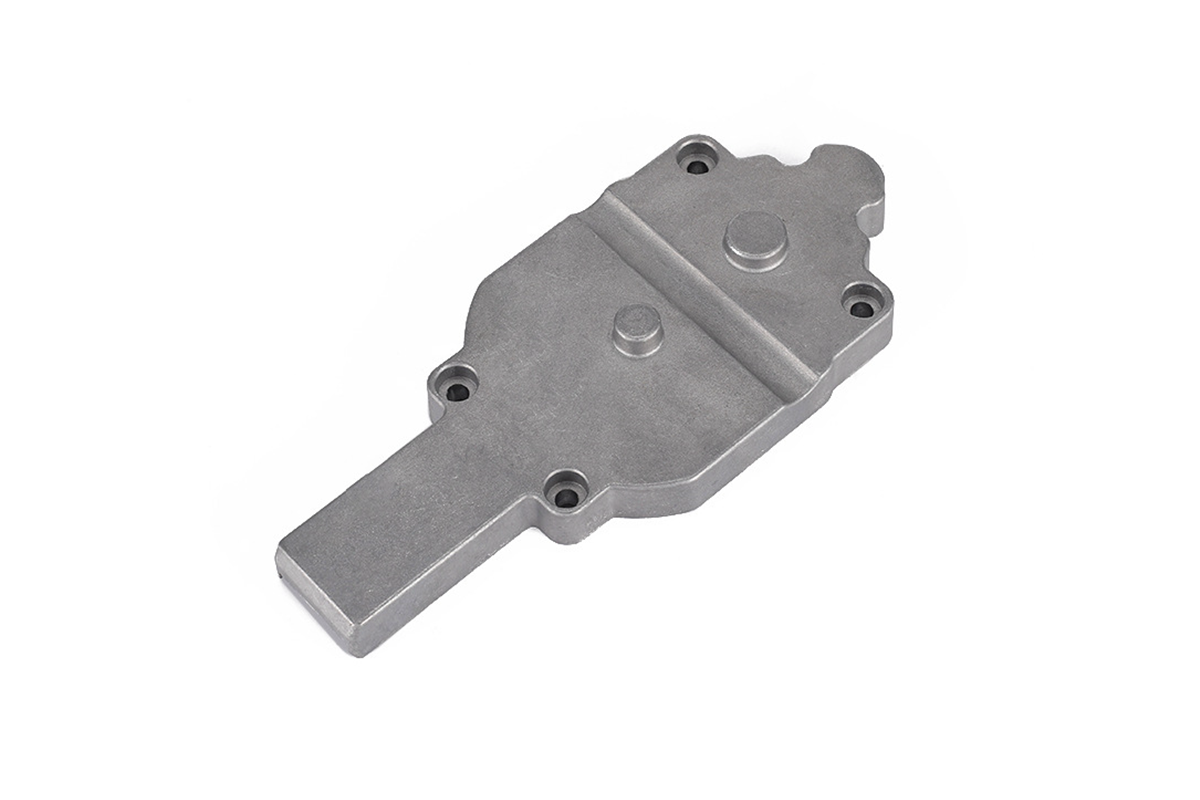
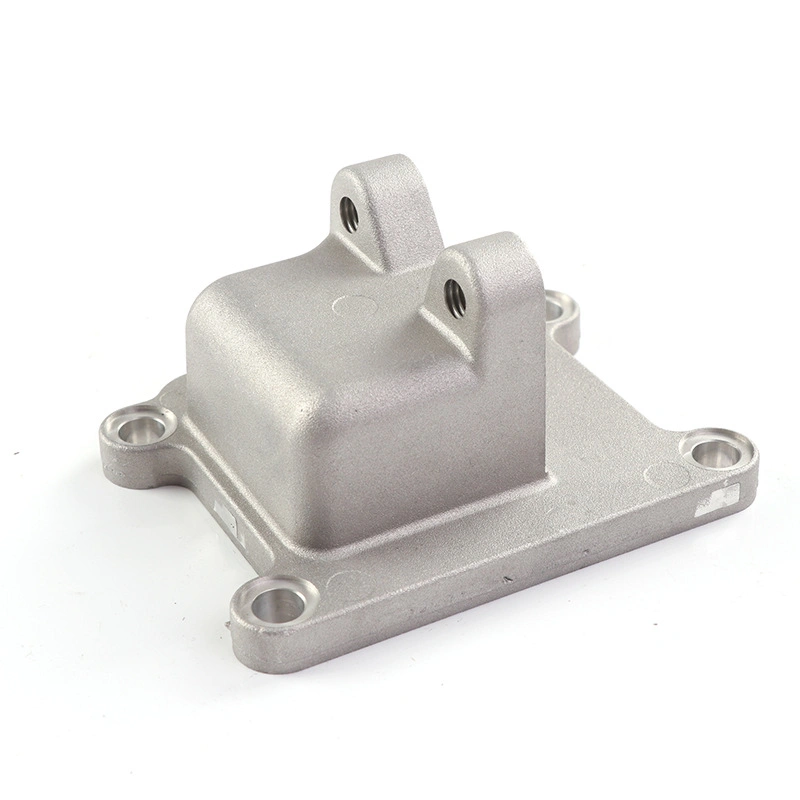
Yes, aluminum die cast parts can be CNC machined after casting. Die casting creates the near-net shape, while CNC machining controls selected functional features that need more accurate dimensions, threads, flatness, or surface quality.
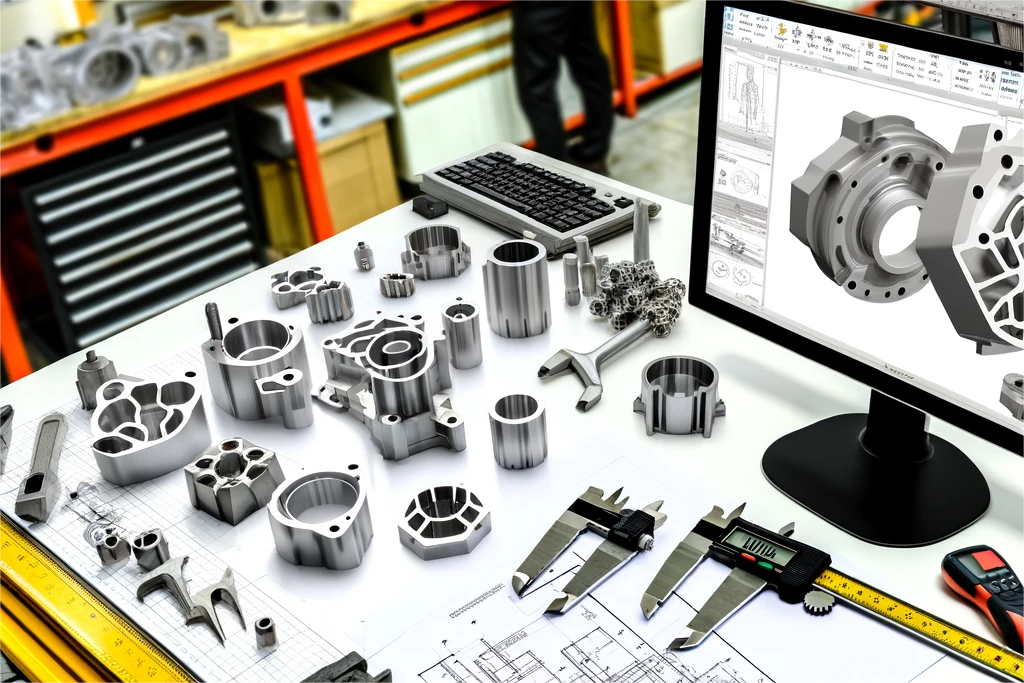
This combined route is common for housings, covers, motor housings, heat sink bases, brackets, frames, pump bodies, and equipment components. The buyer should avoid treating every surface as a machined surface because unnecessary machining can increase cost. The drawing should identify which features truly need CNC finishing.
Post-Machined Feature | Why CNC Machining Is Used | RFQ Detail to Provide |
|---|---|---|
Threaded holes | Controls thread size, depth, and engagement after casting | Thread callout, depth, position tolerance, and gauge requirement |
Bores and bearing seats | Controls roundness, diameter, alignment, and functional fit | Diameter tolerance, datum references, roughness, and inspection method |
Flat mounting faces | Controls flatness, contact, and assembly alignment | Flatness, datum structure, mating part data, and CMM requirement |
Sealing surfaces | Controls contact area, roughness, and leak-sensitive interfaces | Surface finish, sealing method, inspection condition, and defect limits |
Thermal contact faces | Controls heat transfer contact and assembly surface condition | Flatness, roughness, coating condition, and thermal interface notes |
Which features usually need CNC machining?
Features that commonly need CNC machining include tapped holes, precision bores, bearing seats, gasket surfaces, sealing faces, flat mounting pads, locating datums, connector openings, slots, and thermal contact areas. These features often control assembly fit, leakage, rotation, alignment, or heat transfer.
As-cast features may be enough for ribs, walls, covers, noncritical bosses, hidden surfaces, and general external geometry when those features do not control the functional interface. Buyers should mark critical and noncritical features clearly so Neway can quote the right machining scope.
For tolerance planning, see typical aluminum die casting tolerances.
How should buyers separate as-cast and machined surfaces?
Buyers should separate as-cast and machined surfaces directly on the 2D drawing. The drawing should identify datums, tolerance callouts, machined feature symbols, thread notes, roughness requirements, and any features inspected after machining or after finishing.
This separation matters because aluminum die casting and CNC machining solve different problems. Die casting forms the overall geometry. CNC machining controls the selected functional interfaces. If every feature is treated as critical, the quote may include machining that does not help the part. If critical features are not marked, the quote may miss required machining.
For RFQ input, see what information is needed for an aluminum die casting service quote.
How do machining, tolerances, finishing, and inspection interact?
Machining, tolerances, finishing, and inspection should be planned together. A machined hole may be inspected before coating, after coating, or after assembly depending on the functional requirement. A sealing face may need a controlled roughness and protection during packaging. A coated thread may need masking or post-finish checking.
Surface finishing can affect machined features through coating thickness, masking, polishing, or post-finish handling. Buyers should define which surfaces are machined, coated, masked, visible, sealed, or measured after final finish.
Planning Issue | Manufacturing Impact | Buyer Control Point |
|---|---|---|
Machining before coating | Coating may change final dimension or fit | Define coating thickness, masking, and final inspection condition |
Machining after coating | Machining may expose bare aluminum or change appearance | Define corrosion requirement and exposed-surface acceptance |
Threaded holes | Threads may need protection from coating buildup | Define masking, thread gauge, and final thread condition |
Sealing faces | Surface roughness and flatness affect leakage risk | Define roughness, flatness, gasket interface, and leak test if required |
Cosmetic near machined areas | Tool marks or handling marks can affect visible surfaces | Define visible zones, burr limits, and packaging protection |
For finish planning, see surface finishes available for aluminum die casting services.
What cost risks come from over-machining or missing machined features?
Over-machining increases cost because it adds setups, fixtures, cycle time, inspection, and handling. Missing a required machined feature creates quality risk because the part may fail fit, sealing, alignment, or functional testing. The buyer should define the real functional features instead of applying tight requirements to all surfaces.
Machining cost also depends on the alloy, part size, fixture access, datum design, tolerance, finish sequence, and volume. For material context, see common aluminum alloys used for die casting parts and A380 versus ADC12 aluminum die casting selection.
What RFQ details help quote machined aluminum die cast parts?
Neway can quote machined aluminum die cast parts more accurately when the RFQ includes 3D CAD, 2D drawing, aluminum alloy, annual volume, machined feature list, datum structure, tolerance requirements, roughness targets, thread callouts, surface finish, inspection report needs, assembly information, packaging requirements, and final application.
The buyer should state the manufacturing decision directly. If the part needs casting for overall shape and CNC machining only for functional features, mark those features. If the buyer is comparing fully machined aluminum with machined aluminum die casting, provide the current process, target volume, critical features, and cost driver.
Related pages include types of aluminum die casting parts Neway can manufacture, design factors that affect aluminum die casting cost, and how aluminum die casting defects can be reduced in mass production.
Related FAQs
What tolerances can aluminum die casting services typically achieve?
What surface finishes are available for aluminum die casting services?
What information is needed for an aluminum die casting service quote?
Which aluminum alloys are commonly used for die casting parts?
How should buyers choose between A380 and ADC12 aluminum die casting?
What types of aluminum die casting parts can Neway manufacture?
What design factors affect the cost of aluminum die casting parts?
How can aluminum die casting defects be reduced in mass production?