How long from file submission to first prototypes?
The time from file submission to first prototypes depends on the prototype process, material, part geometry, tolerance level, surface finish, inspection scope, and whether the sample must represent the final production route. For RFQs involving CNC prototypes, 3D printed parts, MIM samples, molded samples, cast samples, or assembly prototypes, buyers should define what the first prototype must prove before asking for a schedule.
How long from file submission to first prototypes?
First prototype timing cannot be answered accurately from a file upload alone. Neway needs to review the 3D model, 2D drawing, material, target process, tolerance-critical features, finish, quantity, and test purpose before confirming a schedule.
In general, direct-build routes such as CNC machining prototyping and 3D printing prototyping are usually faster for early fit and function checks. Tooling-based or process-representative routes such as metal injection molding, injection molding, and precision casting usually require more engineering review because the first samples must reflect tooling, shrinkage, material behavior, and inspection needs.
Prototype route | What the first sample proves | Why timing changes | Buyer action before quotation |
|---|---|---|---|
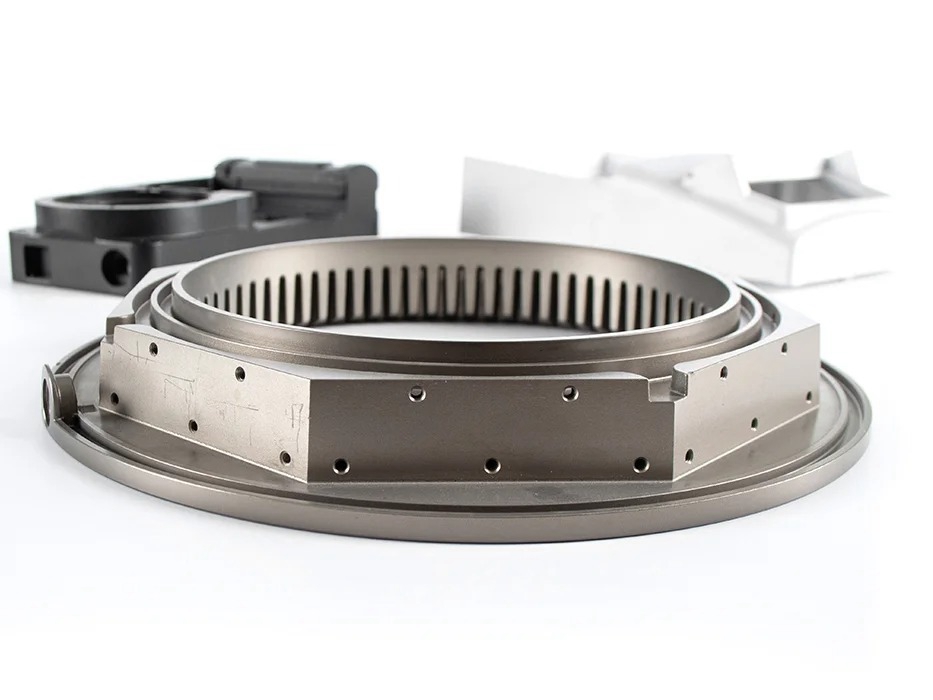
CNC machining prototype | Metal or plastic fit, assembly, reachable precision surfaces, and functional testing | Material availability, setup count, tool access, burr control, and tolerance level | Mark critical dimensions, thread standards, surface finish, and test quantity |
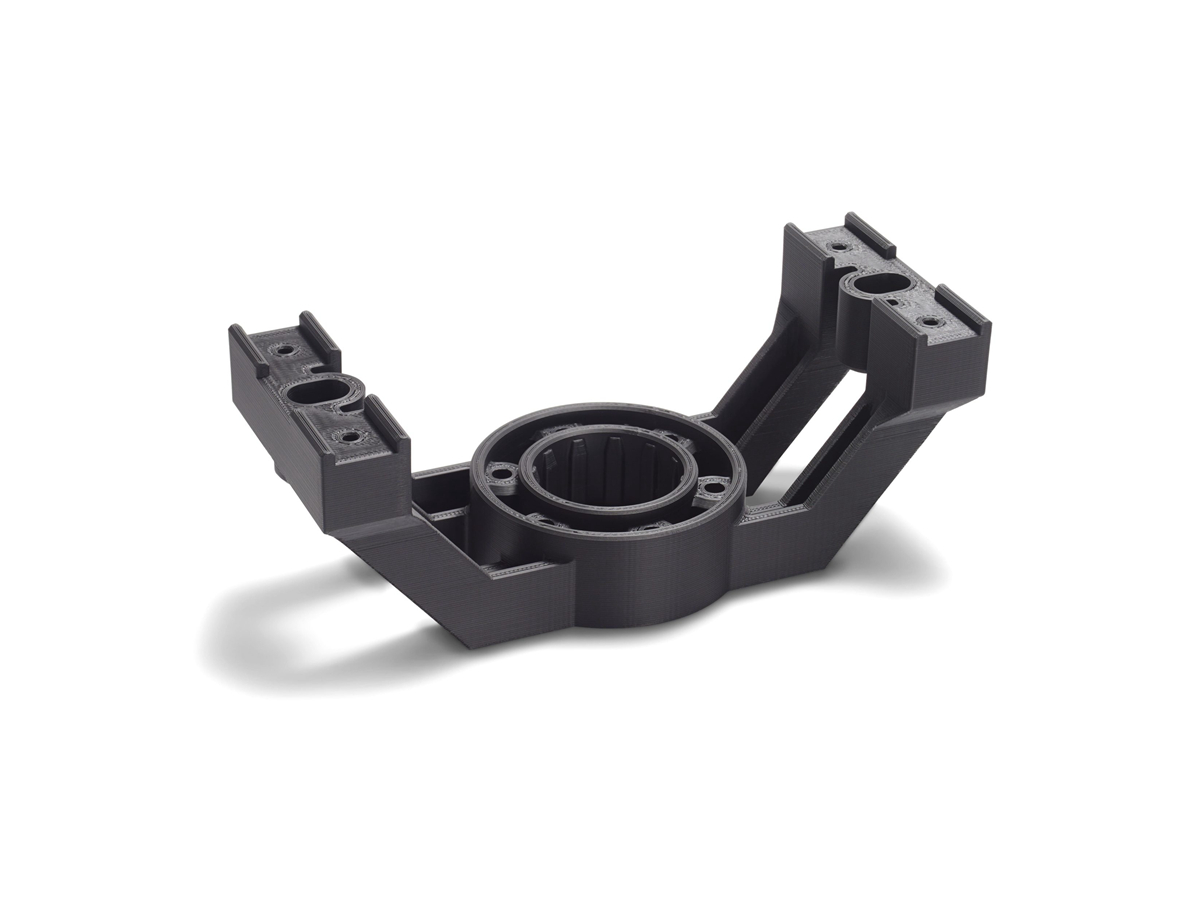
3D printing prototype | Form, fit, concept validation, internal geometry review, or early functional checks | Material choice, build orientation, post-processing, and strength requirement | State whether the prototype is visual, assembly, or functional |
MIM sample | Molded and sintered metal behavior, shrinkage control, and production-intent geometry | Tooling, feedstock review, debinding, sintering, post-machining, and inspection | Define material grade, annual volume, critical features, and sample approval criteria |
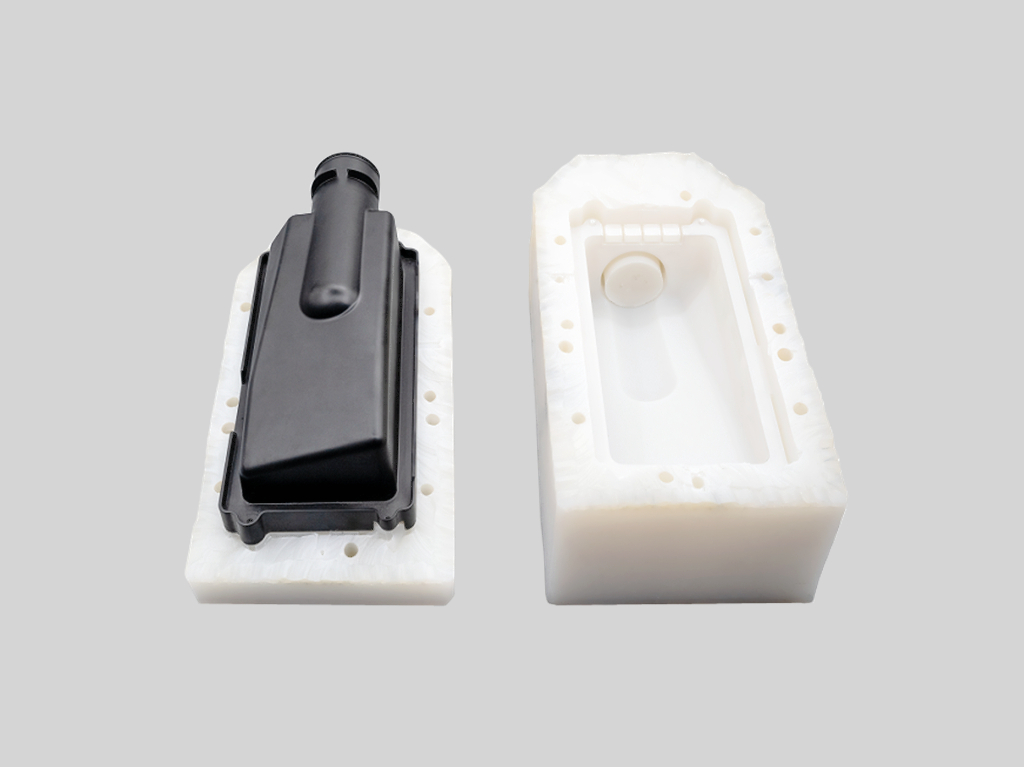
Molded plastic sample | Production-like plastic behavior, surface texture, assembly fit, and dimensional stability | Tooling, resin selection, mold flow, texture, inserts, and secondary operations | Provide resin target, cosmetic surfaces, texture notes, and assembly constraints |
Cast metal sample | Cast structure, wall thickness, internal passage, machining allowance, and finishing route | Pattern or tooling needs, casting trial, heat treatment, machining, and inspection | Define casting material, machined datums, heat treatment, and acceptance tests |
What files help Neway confirm prototype timing?
The most useful files are the 3D CAD model and a controlled 2D drawing. The CAD model shows geometry, internal features, surfaces, and assembly relationships. The drawing defines material, tolerances, datum references, threads, surface finish, heat treatment, coating, and inspection requirements.
If the buyer only submits a model with no drawing, Neway can still review the geometry, but the schedule may remain conditional. Tolerance-critical dimensions, cosmetic surfaces, and functional tests affect programming, tooling, inspection, and finishing. A clear drawing reduces back-and-forth before the first prototype order starts.
When are CNC machining and 3D printing the fastest routes?
CNC machining and 3D printing are often the fastest routes when the buyer needs early physical samples without production tooling. CNC machining is useful for metal or plastic parts that need mechanical strength, threads, bores, flats, or functional assembly surfaces. 3D printing is useful for concept models, complex internal geometry, lightweight structures, and early fit checks.
The buyer should state whether the sample must pass mechanical testing or only confirm shape and assembly. A visual prototype, an assembly prototype, and a load-bearing prototype may require different materials, build routes, post-processing, and inspection effort.
When do MIM, molding, or casting prototypes take longer?
MIM, molding, and casting prototypes usually take longer when the first sample must represent the production process. These routes require DFM review, tooling or pattern preparation, process setup, material-specific shrinkage review, and inspection planning.
For MIM samples, Neway must review feedstock, gate position, debinding, sintering, shrinkage, support, and secondary machining. For molded plastic samples, resin, mold flow, texture, inserts, and cosmetic surfaces matter. For cast samples, wall thickness, casting method, heat treatment, machining allowance, and internal passage risk affect the plan. These steps help make the prototype useful for production approval instead of only shape checking.
How do tolerances, surface finish, and inspection affect prototype schedules?
Tolerances, surface finish, and inspection can change prototype timing because they add programming, fixturing, finishing, measuring, and reporting work. Tight local tolerances may need slower machining, more setups, post-machining after MIM or casting, or additional gauge checks.
Surface finish can also change the schedule. Polishing, bead blasting, anodizing, passivation, electropolishing, heat treatment, coating, and cleaning require additional routing and inspection. Buyers should mark which surfaces are functional or cosmetic so the prototype plan does not over-process noncritical areas.
What should buyers define before requesting fast prototypes?
Buyers should define the purpose of the first prototype before requesting speed. A prototype for visual review, a prototype for assembly fit, a prototype for mechanical testing, and a prototype for production approval need different manufacturing routes.
The RFQ should include prototype quantity, target material, substitute material permission, critical dimensions, finish, test plan, required report, delivery location, and whether production will later use MIM, CNC machining, plastic injection molding, casting, or another process. If a quick CNC sample is only a bridge toward MIM production, the buyer should ask for MIM DFM feedback at the same time.
How can Neway help move from first prototype to production?
Neway can use the first prototype to identify assembly problems, material concerns, tolerance risks, finishing issues, and production-route changes. If the first prototype is made by CNC machining or 3D printing, Neway can also review what must change before MIM tooling, injection molding tooling, or casting tooling.
This step is important because a prototype route and a production route may not share the same constraints. A CNC prototype may validate function but still need wall-thickness changes for MIM. A 3D printed prototype may prove shape but still require different materials, surface finish, or tolerance planning for production.
What RFQ details help Neway confirm the first prototype plan?
A complete prototype RFQ includes CAD files, drawings, target process, target material, acceptable substitute material, prototype quantity, production volume estimate, critical dimensions, surface finish, heat treatment, coating, assembly parts, inspection report needs, functional tests, and buyer approval criteria.
When these details are clear, Neway can recommend the practical first prototype route and explain which steps affect the schedule. The goal is not only to make the first sample quickly, but to make a sample that answers the buyer's RFQ question.
Related FAQs