Which prototyping method suits complex electronic housings?
Complex electronic housings should be prototyped with the method that matches the buyer's validation goal: form and fit, snap-fit strength, EMI shielding, sealing, heat management, cosmetic finish, or production tooling risk. For RFQs involving handheld device shells, IoT enclosures, RF housings, wearable housings, connector covers, or rugged electronic cases, buyers should compare CNC machining, 3D printing, prototype molding, overmolding, insert molding, and finishing requirements before choosing the sample route.
Which prototyping method suits complex electronic housings?
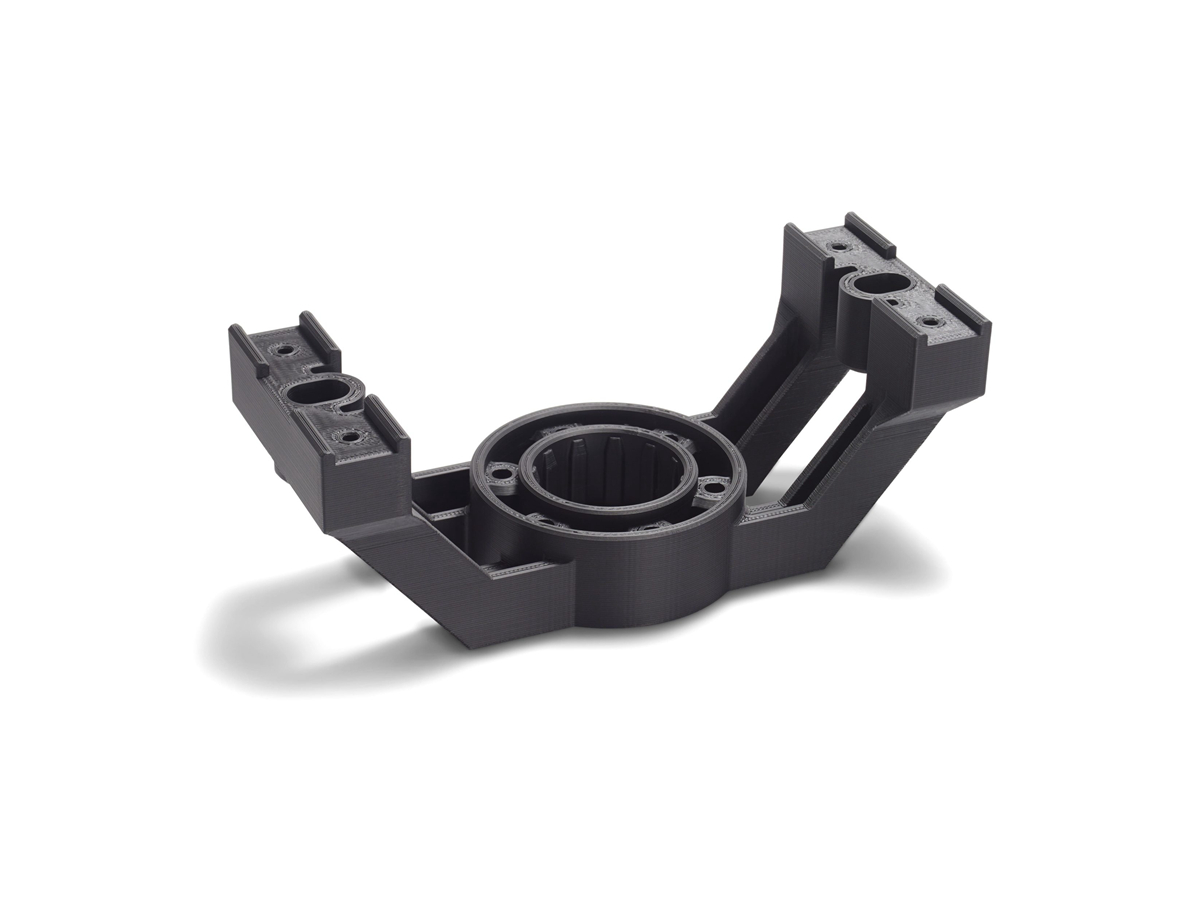
The suitable method depends on what the electronic housing prototype must prove. 3D printing prototyping is useful for early form, fit, ergonomics, internal packaging, and complex internal features. CNC machining prototyping is useful for functional plastic or aluminum housing samples with tighter local surfaces, screw bosses, inserts, and snap-fit testing. Prototype molding or low-volume plastic injection molding review is useful when the buyer needs production-like resin behavior, draft, gate, texture, warpage, and assembly feedback.
For housings with soft-touch zones, sealing lips, grip areas, cable strain relief, or gasket-like features, overmolding and insert molding should be reviewed early. These routes help check material bonding, insert retention, sealing compression, and assembly stack-up before production tooling.
Prototype goal | Process route to review | What the prototype answers | RFQ detail to define |
|---|---|---|---|
Shape, ergonomics, internal packaging | 3D printing prototyping | Hand feel, component clearance, connector access, internal routing, and early assembly | Visual grade, functional grade, internal features, and required material behavior |
Snap-fit, screws, bosses, structural checks | CNC machining prototyping | Assembly strength, local dimensions, threads, inserts, and functional plastic or aluminum behavior | Critical dimensions, resin or metal target, load test, and fixture needs |
Production-like plastic behavior | Prototype molding or injection molding review | Draft, gate marks, sink, warpage, texture, gloss, and parting-line effects | Resin, wall thickness, cosmetic surfaces, texture, and sample approval criteria |
Soft-touch or sealing design | Overmolding | Bonding, grip feel, sealing compression, TPE or TPU behavior, and multi-shot assembly risk | Substrate material, soft material, sealing pressure, and peel or pull test |
Metal inserts or embedded hardware | Insert molding and machining support | Insert position, pull-out strength, heat staking, thread quality, and assembly repeatability | Insert drawing, torque requirement, pull-out requirement, and inspection method |
When is CNC machining the stronger housing prototype route?
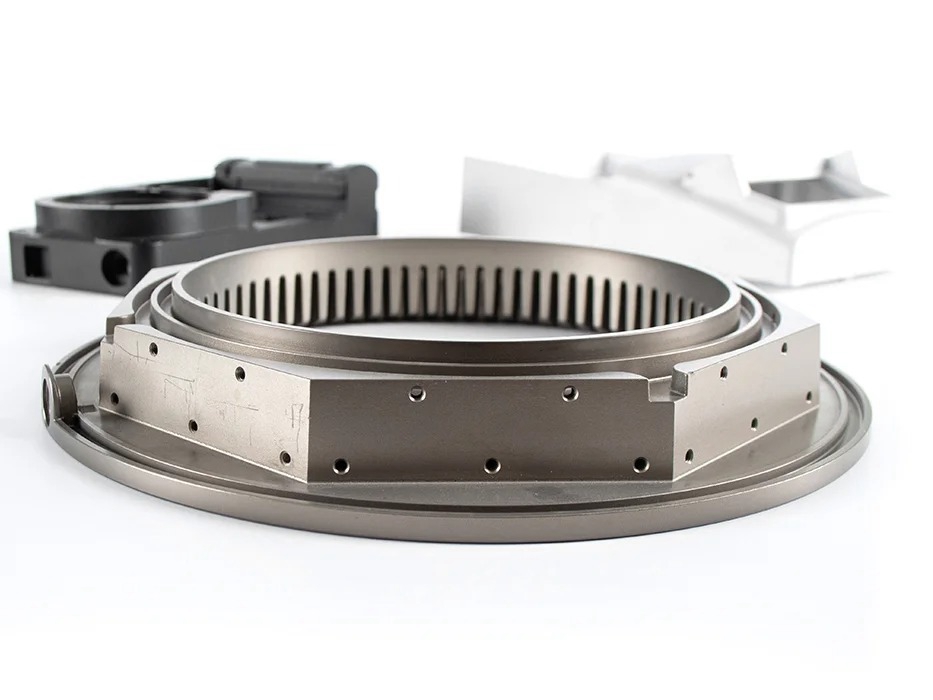
CNC machining is often stronger for electronic housing prototypes when the buyer needs functional testing in engineering plastics or aluminum. CNC samples can support snap-fit tuning, screw boss review, hinge testing, insert checks, sealing face review, and local dimensional inspection.
The engineering reason is that CNC machining can create stable, testable surfaces from selected stock material. The RFQ should identify thin walls, ribs, bosses, gasket faces, mounting points, heat-sink contact zones, display windows, and connector openings. If the final part will be injection molded, the CNC prototype should be reviewed together with molding DFM because machined corners and molded corners may behave differently.
When does 3D printing fit electronic enclosure prototypes?
3D printing fits electronic enclosure prototypes when the buyer needs quick design iteration, internal clearance review, ergonomic checks, or complex internal pathways. It is useful before committing to CNC machining, prototype tooling, or injection molding tooling.
Buyers should not treat every printed enclosure as a production-equivalent plastic part. Printed materials, layer orientation, surface finish, thread quality, snap-fit behavior, and heat resistance may differ from molded ABS, PC, PC-PBT, PEEK, or other production plastics. The RFQ should define whether the printed housing is only for visual review or for functional testing.
When should buyers use prototype molding or injection molding review?
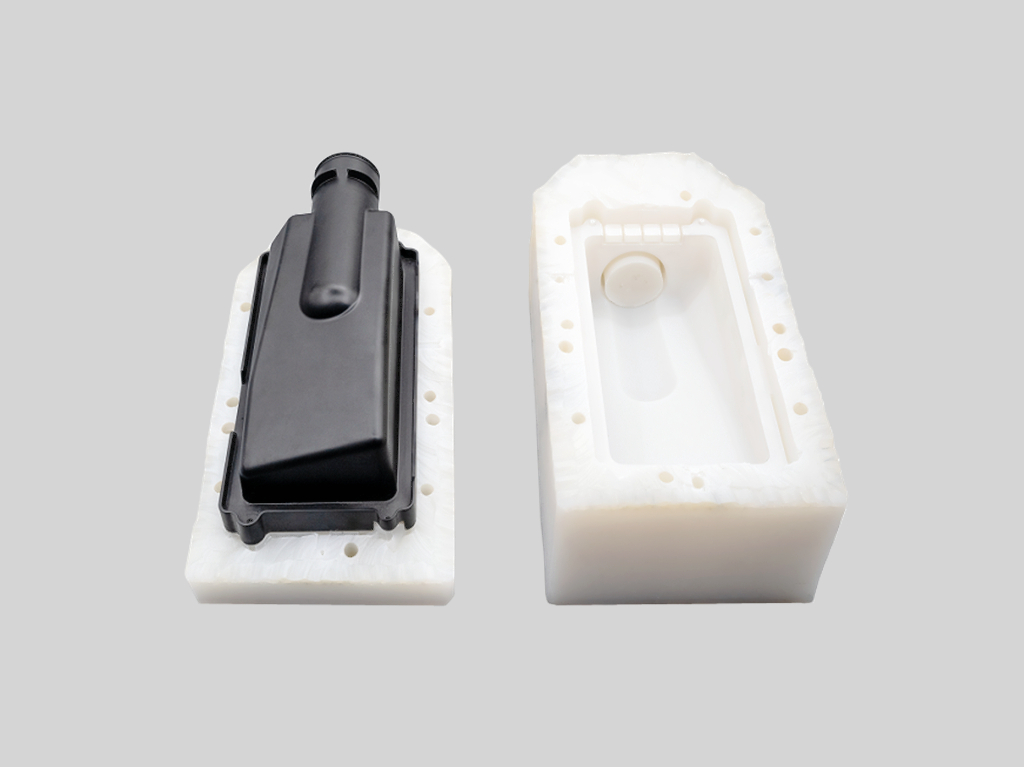
Prototype molding or injection molding review is useful when the buyer must understand production-like plastic behavior. This includes gate location, sink marks, weld lines, warpage, texture, gloss, draft, ejector marks, insert loading, and snap-fit performance after molding.
This route is important for consumer electronics and visible housings because appearance and assembly can change after molding. If the housing requires a textured surface, tight parting line, thin wall, or cosmetic Class A surface, the buyer should define cosmetic zones and acceptance criteria before sample tooling.
When do overmolding and insert molding need prototype validation?
Overmolding and insert molding need prototype validation when the electronic housing includes soft-touch grips, sealing ribs, cable strain relief, metal threaded inserts, clips, magnets, connectors, or embedded hardware. These features affect assembly force, sealing compression, bonding, pull-out strength, and long-term reliability.
The RFQ should specify substrate material, soft material, insert material, adhesive restrictions, sealing requirement, torque, pull-out load, and inspection method. A visual model cannot validate these risks. The prototype should test the actual mechanical or sealing function that the housing must perform.
How should materials be selected for electronic housing prototypes?
Material selection should start from the housing's operating environment. ABS, PC, PC-ABS, polycarbonate PC, PC-PBT, PEEK, aluminum, and TPU may all be considered depending on stiffness, impact, heat, chemical exposure, flame requirement, outdoor exposure, sealing, and cosmetic finish.
The prototype material should match the test purpose. A 3D printed resin may be fine for shape review but not for snap-fit life testing. A CNC-machined PC or aluminum prototype may be better for functional load testing. A molded prototype may be needed when resin flow, texture, and warpage must be evaluated.
How should surface finish, EMI, and durability be validated?
Surface finish, EMI shielding, and durability should be validated with tests that match the housing risk. Painting, anodizing, PVD, texture, bead blasting, polishing, and coating can change appearance, scratch behavior, thickness, and assembly fit. EMI shielding may require conductive coating, metal inserts, gasket compression, or material changes.
Durability validation may include drop testing, screw boss testing, snap-fit cycling, hinge testing, insert pull-out, thermal cycling, UV exposure, corrosion exposure, and assembly checks. Buyers should state which tests are required for prototype samples and which tests continue during production approval.
What RFQ details help Neway choose the prototyping route?
A complete RFQ includes CAD files, drawings, target material, prototype purpose, quantity, production process target, cosmetic zones, wall thickness concerns, internal components, connector openings, screw and insert details, sealing requirement, EMI requirement, surface finish, color target, test plan, and required inspection report.
Neway can compare prototyping, CNC machining, 3D printing, injection molding, overmolding, insert molding, finishing, and inspection routes when the buyer explains what the complex electronic housing must prove. The right prototype is the one that answers the next design or manufacturing decision.
Related FAQs