How to achieve a premium look while keeping costs controlled?
A premium look with controlled cost comes from matching the enclosure process, material, texture, finish, and inspection standard before tooling begins. For buyers quoting plastic housings, handheld device shells, telecom covers, aluminum die cast enclosures, zinc die cast trim, and consumer product covers, the practical RFQ problem is choosing whether injection molding, molded texture, painting, powder coating, anodizing, PVD accents, overmolding, or insert molding can deliver the required appearance without adding unnecessary machining, coating area, rework, or assembly labor.
How to achieve a premium look while keeping costs controlled?
Achieve a premium look by letting the manufacturing process create as much of the appearance as possible. Molded texture, molded color, clean parting line planning, controlled radii, hidden gates, and integrated fasteners can reduce secondary finishing while still giving the enclosure a refined surface and accurate fit.
The buyer decision should separate appearance needs from cost drivers. A metallic color, soft-touch feel, satin texture, glossy front surface, hidden screw design, or tight panel gap may each require a different process route. The RFQ should define which surfaces are visible, which surfaces are touched, and which features only need function.
Which process gives the right appearance for the production volume?
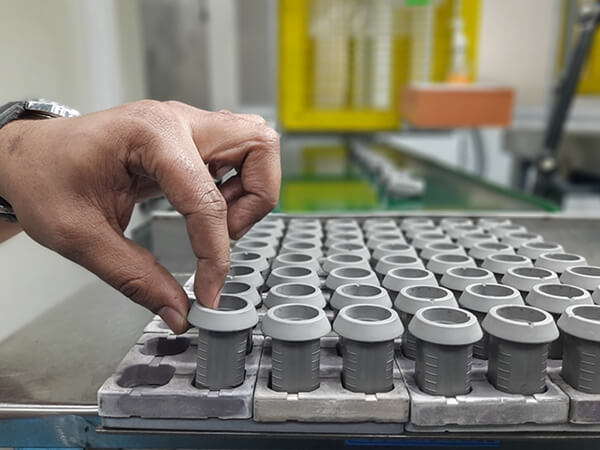
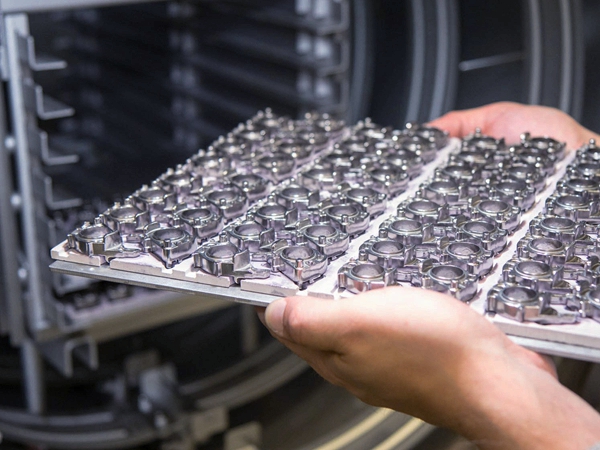
Plastic injection molding can be cost controlled when annual volume supports tooling and when texture, color, ribs, clips, and bosses can be molded into the part. For metal-like stiffness or heat transfer, aluminum die casting or zinc die casting may create a solid feel with less machining than a fully CNC-machined enclosure.
Low-volume projects may need a different route. Prototype tooling, CNC prototypes, 3D printed appearance models, or sheet metal samples can help confirm the look before the buyer commits to production tooling. Buyers should compare the full finished part cost, including finishing, inspection, assembly, and rework risk.
When should molded texture replace secondary finishing?
Molded texture should replace secondary finishing when the plastic housing can meet color, gloss, grip, and scratch-hiding requirements directly from the mold. Mold texture can reduce painting steps, coating thickness variation, masking, drying time, and finish-related scrap. It also helps keep dimensions stable because the part does not need an added coating layer.
Molded texture still needs DFM review. Texture depth, draft angle, weld lines, gate location, ejector marks, parting lines, and resin flow can affect visible surfaces. For RFQs, buyers should provide surface class, texture target, color target, viewing distance, and any areas where parting lines or gate marks are unacceptable.
Which materials create a premium appearance without extra finishing?
Material choice can reduce the finishing budget when the selected material already supports the desired appearance. ABS and PC/ABS can provide clean molded surfaces for indoor housings, PC can support transparent or impact-resistant covers, PA and PBT can support technical internal structures, and metallic-looking plastic grades may be considered when the buyer needs an insulated part with a metal-like appearance.
Metal parts can also reduce appearance cost when the process matches the design. Aluminum die cast housings can use controlled blasting, painting, powder coating, or suitable anodizing routes. Zinc die cast parts can support detailed small features and decorative finishes. Buyers should specify whether the priority is appearance, wear resistance, heat transfer, insulation, or weight reduction before selecting the material.
How should painting, powder coating, anodizing, and PVD be chosen?
Choose the finish by matching visual target, substrate, durability, and cost exposure. Painting is useful for specific color, gloss, metallic effect, or soft-touch feel on plastic or metal. Powder coating is practical for larger metal housings that need a thicker protective exterior. Anodizing can suit compatible aluminum routes when the buyer wants a metallic surface. PVD coating should usually be reserved for selected visible or wear areas when the added coating cost is justified.
The finish should be selected early because it affects tolerances, masking, edge design, color consistency, and inspection. A premium look can become expensive when every hidden surface receives the same finish as the visible A-surface.
How can design features reduce appearance cost?
Design features reduce appearance cost by hiding process marks and reducing separate parts. Snap fits can reduce visible screws, ribs can support flat surfaces without heavy walls, molded bosses can reduce hardware, and overmolding can add grip or soft-touch zones without separately bonded pads. Insert molding can place metal reinforcement only where the enclosure needs thread strength or local appearance detail.
The design should not hide manufacturing realities. Gate vestige, ejector location, sink marks, coating edges, masking steps, and parting line placement should be discussed before tooling. Small CAD changes can often reduce finishing cost more than changing coating suppliers after the tool is built.
What prototypes and inspection control appearance?
Prototyping helps buyers validate appearance before production tooling. Appearance models can check color, texture, gloss, edge feel, button fit, panel gap, and user handling. Functional prototypes can check whether ribs, bosses, clips, and inserts create sink marks or surface distortion near visible zones.
Inspection should include practical cosmetic criteria. Buyers should define A/B/C surfaces, acceptable color range, gloss range, texture standard, viewing distance, lighting condition, scratch or rub tests, coating thickness, masking zones, and final-part dimensions after finishing. Clear inspection rules help avoid subjective disputes during production approval.
What RFQ details help quote premium appearance at controlled cost?
The RFQ should include 3D CAD, 2D drawings, visible surface map, target material, annual volume, target process route, color and texture references, finish specification, acceptable parting line and gate areas, assembly drawing, critical dimensions after finish, expected wear or cleaning exposure, and sample approval requirements.
Appearance decision | Cost driver | Manufacturing route to review | RFQ detail to provide |
|---|---|---|---|
Molded texture | Tool texture, draft, and visible surface planning | Plastic injection molding | Texture target, resin, A-surface map, and parting line limits |
Painted plastic housing | Masking, adhesion, drying, rework, and cosmetic inspection | Injection molding plus painting | Color, gloss, chemical exposure, scratch test, and coating thickness limit |
Powder coated metal enclosure | Coating thickness, edge coverage, and masked zones | Aluminum die casting, sheet metal, or machined metal | Finish class, masking drawing, final dimensions, and outdoor exposure |
Anodized aluminum appearance | Alloy compatibility, surface preparation, and color consistency | Compatible aluminum route | Alloy, visible surface class, color target, and acceptable variation |
Selective PVD accent | Coating area, fixture setup, and substrate polish | Small metal trim or high-touch detail | Coated area, substrate material, wear requirement, and appearance sample |
Related FAQs
What finishing options are available for custom molded parts?
Which surface treatments resist daily scratches and wear best?
Which materials are best suited for both a metallic appearance and electrical insulation?
When does injection molding become cheaper than sheet metal?
What surface finishes are suitable for aluminum die casting parts?
What design factors affect the cost of aluminum die casting parts?
What surface finishes are available for zinc die cast parts?