What surface finishes are available for zinc die cast parts?
Common surface finishes for zinc die cast parts include deburring, polishing, brushing, electroplating, chrome plating, painting, powder coating, black appearance finishes, and post-machined surfaces. The practical RFQ problem is to choose a finish that supports cosmetic appearance, corrosion protection, wear behavior, assembly fit, coating thickness control, and inspection without adding unnecessary finishing work to hidden or nonfunctional surfaces.
Which surface finishes are commonly used on zinc die cast parts?
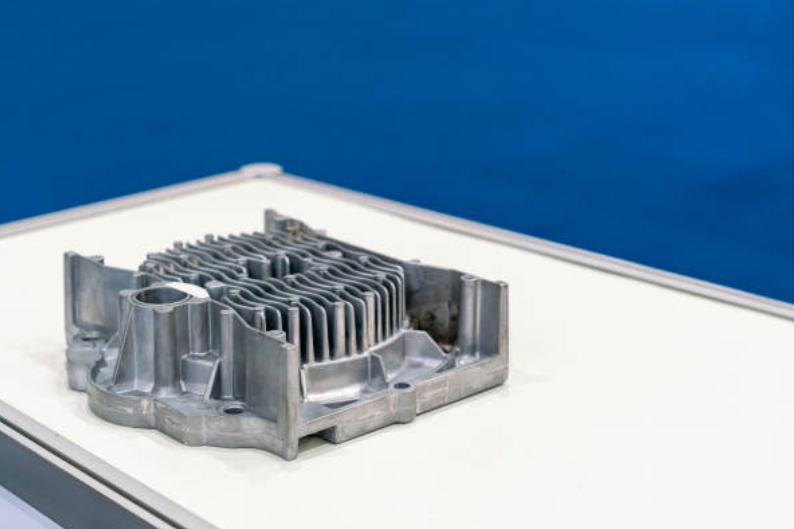
Zinc die cast parts commonly use both mechanical and coating-based finishes. Mechanical finishes include deburring, trimming, polishing, brushing, and localized machining. Coating-based finishes include electroplating, chrome plating, painting, powder coating, and black appearance finishes when the design and application support that route.
The finish should be selected by function and visibility. A decorative lock part may need polishing and plating. A consumer electronics housing may need painting, coating, or controlled texture. A hidden bracket may only need deburring and basic surface protection. A threaded or mating feature may need machining and inspection after finishing.
Zinc Die Cast Finish | Main Buyer Requirement | RFQ Detail to Define |
|---|---|---|
Deburring and trimming | Remove flash, gate marks, and handling risks | Burr limits, critical edges, and visible zones |
Polishing or brushing | Improve decorative surface smoothness or texture direction | Cosmetic surfaces, texture direction, and visual acceptance criteria |
Electroplating or chrome plating | Support metallic appearance, surface protection, and wear behavior | Plating type, appearance standard, corrosion requirement, and masking |
Painting or powder coating | Add color, texture, and protective surface coverage | Color, gloss, coating thickness, adhesion requirement, and cosmetic zones |
Post-machined surfaces | Control datums, threads, bores, sealing faces, and fit features | Machined feature list, roughness, tolerance, and inspection method |
When should buyers use electroplating or chrome plating?
Electroplating is often used when zinc die cast parts need metallic appearance, controlled decorative quality, corrosion protection, or improved surface behavior. It is common for handles, lock hardware, decorative trim, consumer electronics details, and visible metal components.
Chrome plating may be considered when a bright metallic appearance and surface durability are important. Buyers should define the appearance standard, corrosion exposure, masking, visible surfaces, base surface quality, and any functional areas where plating thickness could affect fit.
Useful process references include electroplating process for durability and appearance, electroplating techniques for mirror, matte, and textured finishes, and chrome plating for custom parts.
When should buyers use painting, powder coating, or black finishes?
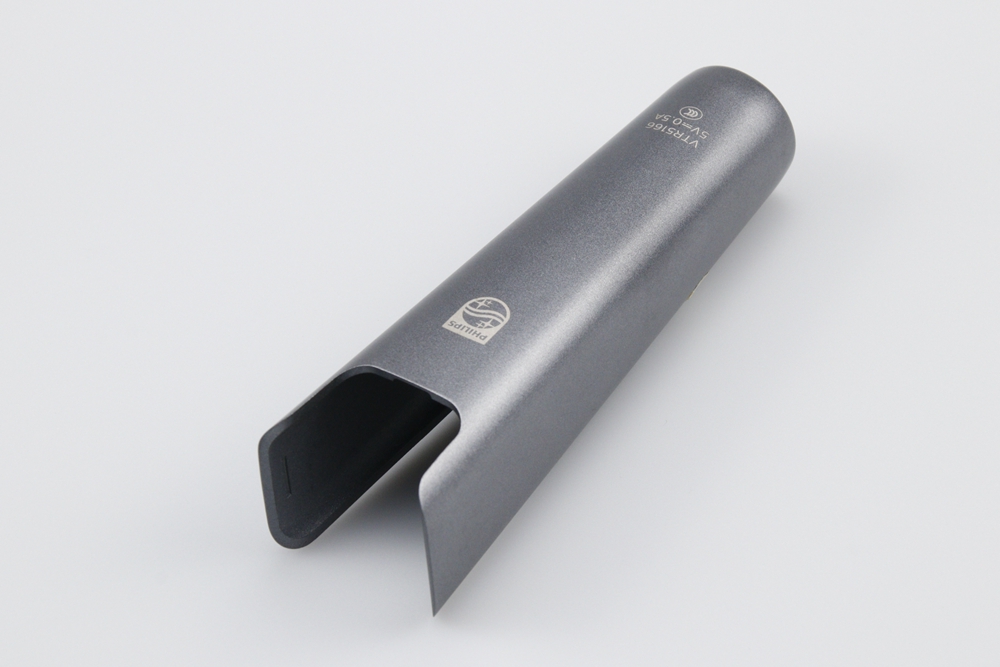
Painting and powder coating are often considered when the zinc die cast part needs color, texture, branding, or protective surface coverage. These finishes are useful when the buyer needs a controlled visual finish without a metallic plated appearance.
Black finishes should be defined by appearance, corrosion exposure, part function, and process compatibility. A buyer should not only request a black part; the RFQ should state whether the priority is color, low reflectivity, corrosion behavior, wear contact, or cosmetic consistency. Masked threads, pins, holes, and mating faces should be identified before coating.
Related finishing references include painting process techniques, materials, and benefits, powder coating for metal parts, and black oxide coating considerations.
How do polishing, brushing, and as-machined surfaces affect finish quality?
Polishing and brushing affect the visual surface before plating, painting, or final inspection. These operations can reduce visible casting texture, create a directional finish, or prepare the surface for a decorative route. Buyers should define which surfaces are visible and which surfaces can remain as-cast or only deburred.
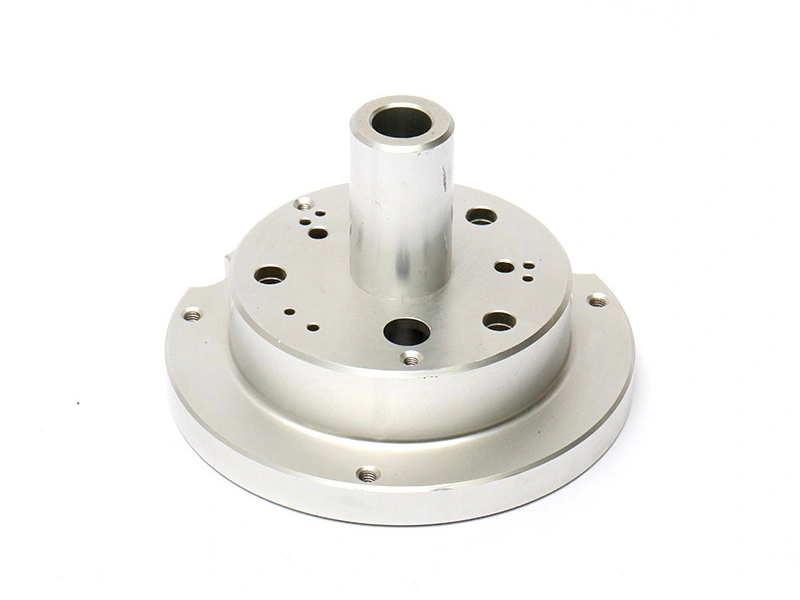
As-machined surfaces are used when function depends on datums, threads, bores, sealing faces, flat mounting areas, or controlled mating features. These surfaces may need protection after machining, and inspection should occur after the final surface condition when coating or plating can affect dimensions.
For process background, see polishing process functions and defect solutions and as-machined surface finishes.
How do finishes affect dimensions, assembly, and inspection?
Surface finishes can affect zinc die cast part dimensions, assembly fit, cosmetic acceptance, and inspection sequence. Plating and coating add thickness. Polishing can soften edges. Deburring changes edge condition. Machining removes material from functional surfaces. Masking may be needed around threads, holes, pins, sliding surfaces, and tight-fit areas.
The RFQ should identify cosmetic faces, functional faces, coated areas, masked features, post-machined features, and inspection points. If a thread, bore, latch surface, or mating datum is sensitive to finishing buildup, the drawing should call out masking, post-finish machining, or final inspection after finishing.
Surface Finish Risk | Manufacturing Impact | Buyer Control Point |
|---|---|---|
Plating or coating buildup | Can affect threads, holes, latch features, and assembly clearance | Define masking, thickness limits, and final inspection method |
Uneven visible surface | Can affect plated, painted, or polished cosmetic quality | Define visible zones and visual acceptance criteria |
Sharp edges or flash | Can affect handling, coating coverage, and assembly | Define deburring standard and burr limit |
Surface porosity or casting marks | Can affect plating appearance or coating consistency | Define defect limits and cosmetic zones before tooling review |
Machined surface exposure | May need protection after machining or finishing | Define operation order and inspection after final finish |
For quality planning, see how zinc die cast components are inspected before shipment and how common zinc die casting defects can be prevented.
What finish details should buyers include in a zinc die casting RFQ?
Buyers should provide the finish type, color or plating requirement, gloss or texture, visible surfaces, masked areas, corrosion exposure, wear surfaces, coating thickness limits, inspection standard, packaging method, and any customer-specific cosmetic criteria. The RFQ should also identify zinc alloy, part application, annual volume, critical dimensions, machined features, and assembly needs.
Finish selection should be linked to the part's function. If the finish is decorative, provide visual criteria. If the finish is protective, provide exposure conditions. If the finish affects assembly, provide mating part data and clearance limits. This helps Neway quote zinc die casting, secondary operations, inspection, and packaging as one complete manufacturing route.
For related RFQ and part decisions, see what buyers should provide for a custom zinc die casting quote, which zinc alloy fits custom zinc die casting parts, and common zinc die casting parts and components.
Related FAQs