Zinc Die Casting Components: Design, Materials, and Manufacturing Guide
Zinc Die Casting Components RFQ Decision: This article explains how buyers can design and source zinc die casting components made through zinc alloy selection, DFM review, die tooling, high-pressure die casting, trimming, secondary machining, surface finishing, inspection, and production validation. The component types include connector bodies, lock housings, latch parts, brackets, frames, decorative covers, small gears, handles, knobs, and precision assembly hardware. The practical RFQ problem is deciding which zinc alloy, design features, manufacturing workflow, finishing route, and inspection evidence are needed before a custom zinc component moves into tooling or production.
Zinc die casting components carry functional responsibility inside an assembly. A zinc component may locate another part, carry load, provide appearance, support a locking mechanism, protect electronics, or create a metal interface. Buyers should connect component function to die casting design rules, alloy selection, machined features, and inspection records before evaluating suppliers.
What Are Zinc Die Casting Components?
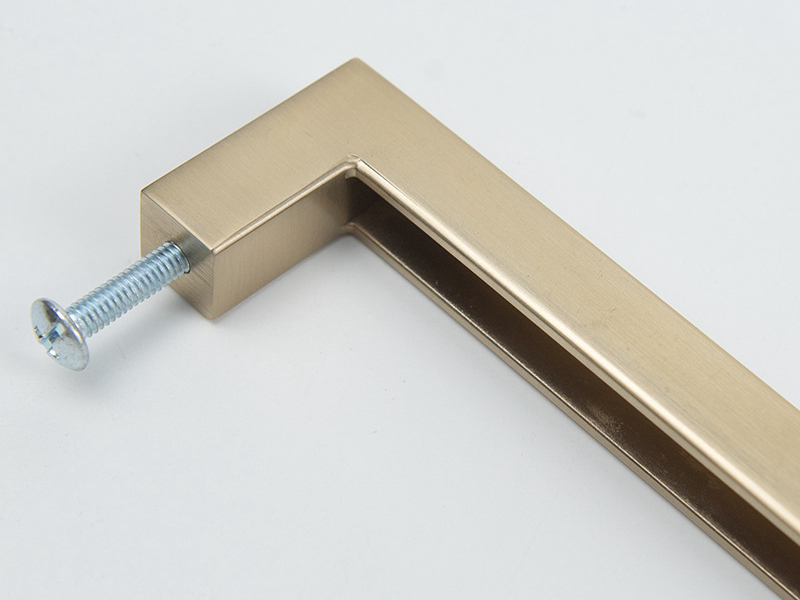
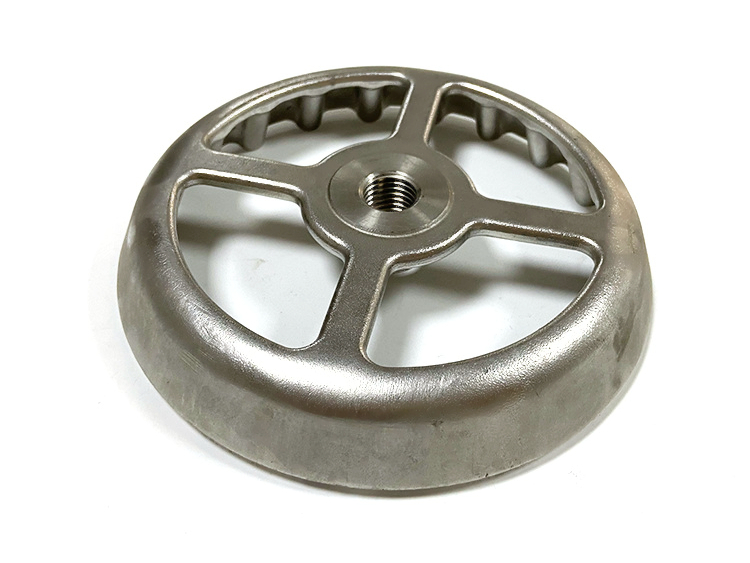
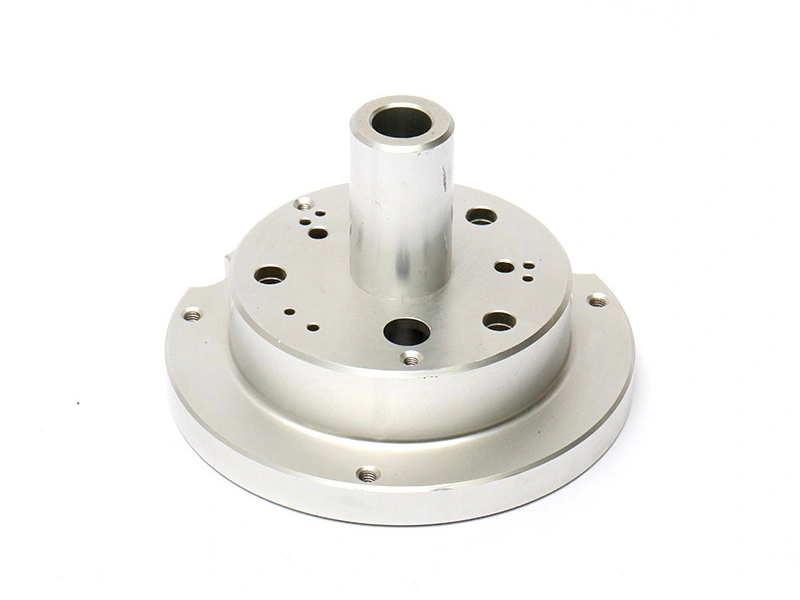
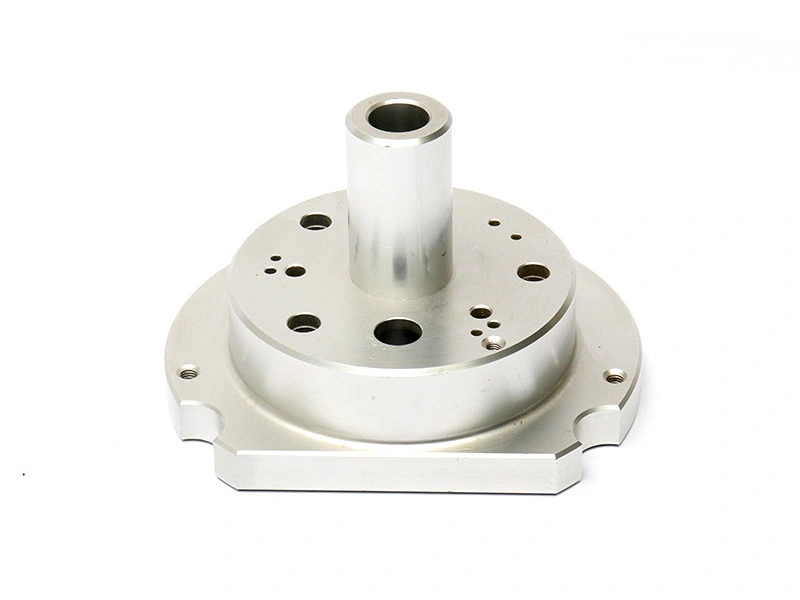
Zinc die casting components are functional metal parts formed by injecting molten zinc alloy into a die cavity, then trimming, machining, finishing, and inspecting the component as required. Unlike a simple blank or generic casting, a zinc component often includes assembly features, visible surfaces, fastener points, hinge areas, clips, or mating geometry.
The engineering reason is that zinc die casting can combine shape, strength, surface potential, and repeatable production in one manufacturing route. The RFQ should define the component role because a decorative cover, connector frame, lock housing, and gear-like part each require different alloy review, tooling decisions, finishing steps, and inspection evidence.
Why Are Zinc Alloys Used For Precision Components?
Zinc alloys are used for precision components when buyers need detailed features, dimensional repeatability, good surface potential, and practical production for compact metal parts. Zinc alloys can support complex die cavity filling, thin-wall zones, integrated bosses, ribs, decorative forms, and features that may reduce assembly steps.
Buyers should still define performance conditions before selecting the alloy. Zamak 3, Zamak 5, Zamak 7, ZA-8, AcuZinc, and EZAC can be reviewed for different strength, wear, surface, casting, and application needs. The supplier needs to understand load, wear, corrosion exposure, plating, finish, and assembly requirements before recommending a material route.
Zinc Alloy Option | Component Requirement To Review | RFQ Detail To Provide | Manufacturing Decision Supported |
|---|---|---|---|
Zamak 3 | General zinc die casting component with good casting behavior | Geometry, finish, assembly function, and inspection requirement | Whether a general-purpose zinc alloy route fits the part |
Zamak 5 | Component needing higher strength or wear-related review | Load case, wear surface, mating material, and finish requirement | Whether stronger zinc alloy behavior is needed |
Zamak 7 | Component where casting behavior and surface quality are priorities | Visible surface, plating, thin wall, and cosmetic standard | Whether surface and casting behavior drive material choice |
ZA-8, AcuZinc, or EZAC | Component with special strength, bearing, or performance requirements | Functional load, operating condition, and buyer validation plan | Whether an alternative zinc alloy should be quoted |
Which Applications Use Zinc Die Cast Components?
Zinc die cast components are commonly reviewed for locks, electronics, consumer products, industrial hardware, mechanical assemblies, connectors, decorative hardware, small mechanisms, handles, knobs, frames, and mounting parts. The application should be translated into measurable requirements.
A lock housing may need wear surfaces and accurate assembly fit. A connector component may need plating and mating geometry. A frame may need flatness and cosmetic finish. A small gear-like component may need tooth geometry, wear review, and inspection. The RFQ should state component function before requesting tooling, because tooling choices depend on that function.
Which Design Guidelines Matter For Zinc Die Casting Components?
Important design guidelines include wall thickness, draft angle, ribs, bosses, holes, parting line, gate location, ejector marks, trim edges, fillets, undercuts, and machining allowance. Buyers should identify cosmetic surfaces, functional datums, machined features, and assembly interfaces before tooling design.
The most common die casting risks include porosity, flash, sink, cold shuts, trim variation, visible gate marks, and exposed porosity during machining. A good RFQ identifies which risks matter to the buyer's part. For example, a decorative component may prioritize surface finish, while a connector component may prioritize mating geometry and plating.
How Should Buyers Plan The Zinc Die Casting Manufacturing Workflow?
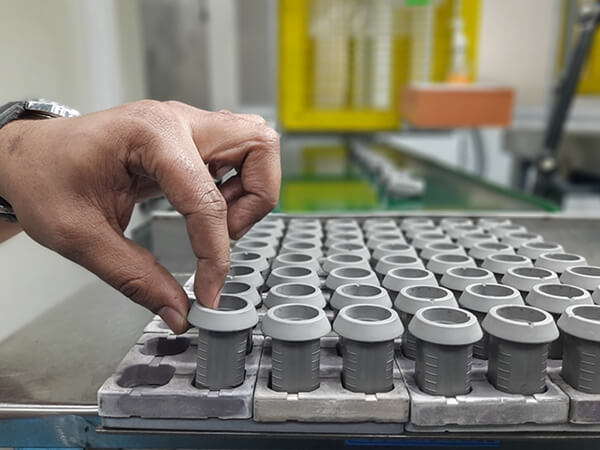
The manufacturing workflow should be planned from DFM review through die design, casting, trimming, machining, finishing, inspection, packaging, and production validation. Buyers should not treat casting, machining, and finishing as separate decisions because each step can affect the next step.
Die design affects gates, runners, cooling, venting, parting line, ejector locations, and trim. Casting affects porosity and surface condition. Machining affects datums, threads, bores, and mating surfaces. Finishing affects appearance and corrosion behavior. Inspection confirms whether the component meets buyer approval criteria.
Manufacturing Stage | Buyer Question | Evidence To Request | RFQ Detail To Define |
|---|---|---|---|
DFM and tooling | Can the component be filled, ejected, and trimmed correctly? | DFM feedback, parting line review, gate review, and draft notes | Wall sections, undercuts, cosmetic surfaces, and functional datums |
Casting and trimming | Can the die cast component control shape and visible defects? | Sample inspection and defect review | Porosity concerns, trim edges, flash zones, and gate mark limits |
Secondary machining | Which features need post-casting control? | CMM report, gauge check, thread check, or fixture inspection | Threads, bores, datums, sealing faces, and mating interfaces |
Surface finishing | Which appearance or corrosion requirement applies? | Finish sample, visual standard, or coating inspection | Plating, polishing, painting, coating, color, and texture |
How Should Zinc Die Cast Components Be Inspected?
Inspection should focus on the component features that affect buyer approval. Useful records can include dimensional reports, CMM checks, thread gauges, visual inspection, surface finish review, plating or coating inspection, assembly checks with mating parts, and defect response notes.
The buyer should separate cosmetic and functional requirements. A visible cover may need surface standard and color review. A lock component may need bore location and movement checks. A connector body may need mating geometry and coating inspection. The RFQ should state which inspections are required for samples and which inspections continue during production.
What Should Buyers Include In A Zinc Die Casting Component RFQ?
A complete RFQ should include CAD files, 2D drawings, zinc alloy preference, component function, production stage, expected volume, wall thickness concerns, critical dimensions, cosmetic surfaces, machined features, surface finish, inspection records, mating parts, packaging, and buyer validation tests.
Important decisions should be stated directly. If the component needs Zamak 5 for wear review, state the wear condition. If the component requires plating, define visible surfaces and corrosion exposure. If a bore or thread must be machined, mark the feature and inspection method. If the buyer is comparing zinc with aluminum die casting, provide the same geometry, volume, finish, and inspection requirements for both routes.
Related FAQs