What are common zinc die casting parts and components?
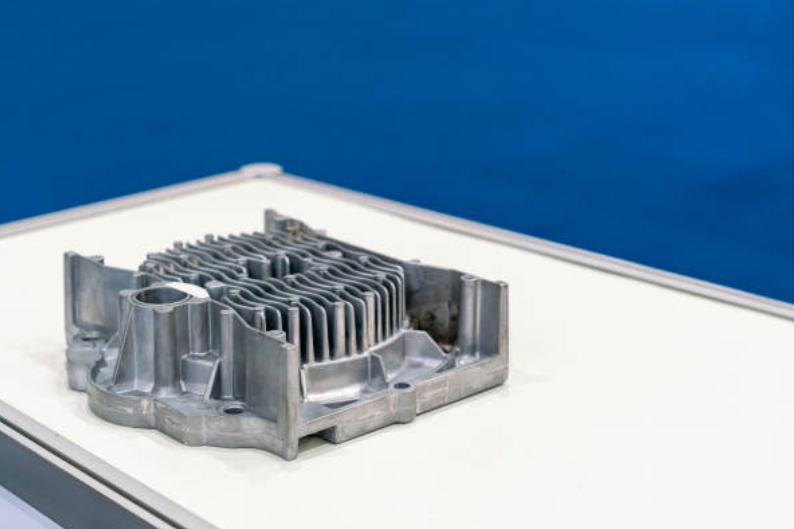
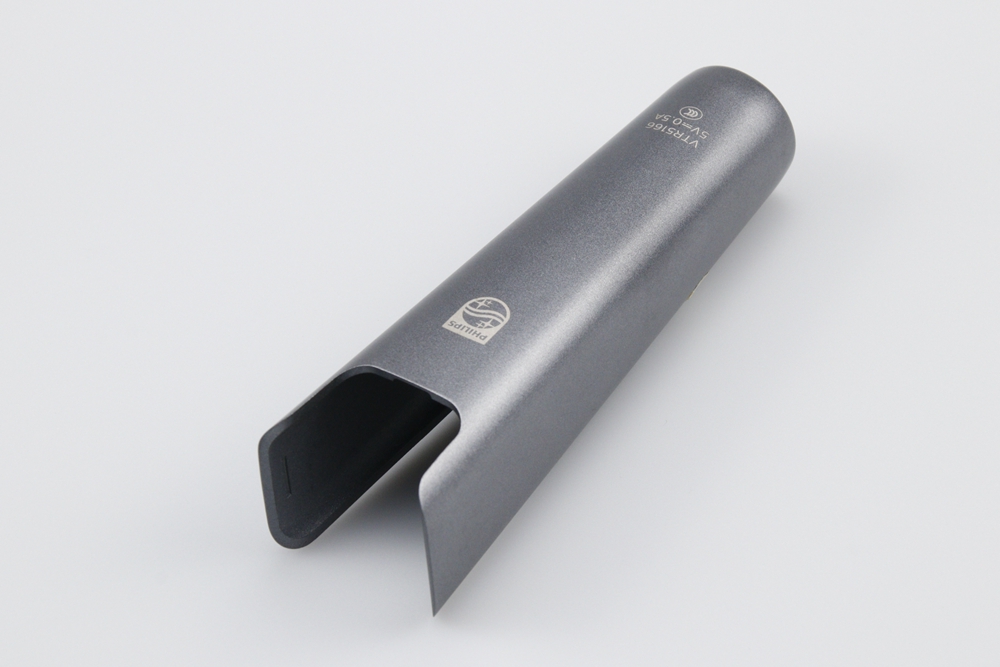
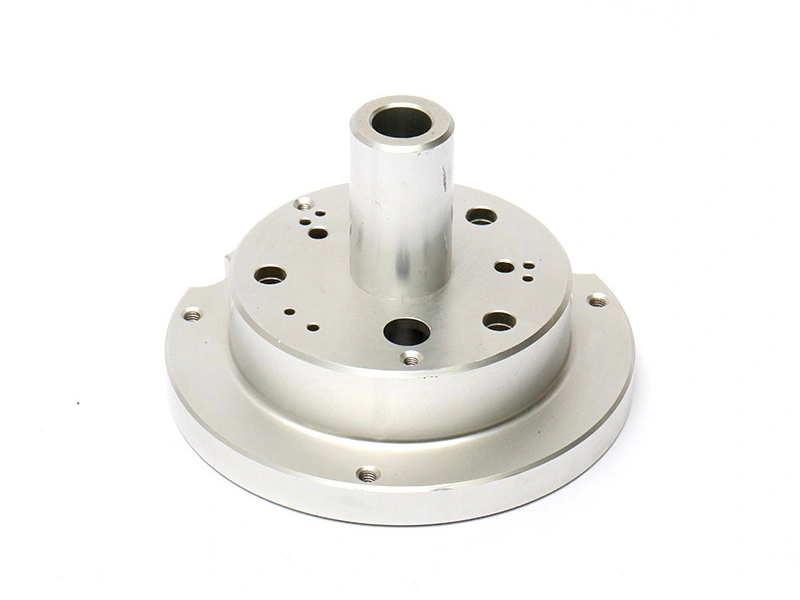
Common zinc die casting parts include consumer electronics housings, lock components, hinges, handles, decorative trim, connector shells, small brackets, lighting hardware, power tool parts, and custom OEM hardware. The practical RFQ problem is to decide whether a zinc die cast component can meet the buyer's part function, detail level, surface finish, assembly fit, inspection requirement, and production volume before tooling and unit price are quoted.
Which product categories use zinc die casting components?
Zinc die casting components are common in product categories that need compact metal parts with fine detail, stable dimensions, and controlled surface appearance. These product categories often include consumer electronics, locking systems, automotive hardware, appliance hardware, power tools, lighting products, connectors, badges, handles, hinges, brackets, and decorative metal parts.
The reason is practical: zinc alloys can reproduce small features, thin walls, logos, ribs, bosses, holes, and cosmetic surfaces while supporting secondary operations. Buyers should still confirm alloy, wall thickness, finish, and inspection requirements because each product category has different functional risks.
Zinc Die Casting Application | Common Part Types | Buyer Requirement to Define |
|---|---|---|
Consumer electronics | Housings, frames, covers, buttons, connector shells, and decorative trim | Cosmetic surface, fit with plastic parts, coating, and scratch protection |
Locks and hardware | Lock bodies, handles, latch parts, hinges, knobs, and key components | Strength, wear surfaces, assembly fit, plating, and functional testing |
Automotive and mobility hardware | Small brackets, clips, housings, knobs, trim parts, and connector-related components | Dimensional control, surface protection, vibration risk, and inspection method |
Power tools and appliances | Switch parts, covers, handles, mounts, gear-related parts, and housing inserts | Load direction, wear behavior, threaded features, and assembly interfaces |
Lighting and decorative products | Bezels, trim rings, brackets, caps, badges, and visible hardware | Finish appearance, corrosion exposure, color, masking, and packaging |
Why are lock, hardware, and electronics parts common zinc die casting applications?
Lock, hardware, and electronics parts often use zinc die casting because these parts combine shape detail, assembly features, surface appearance, and repeatable dimensions. A lock body may need screw bosses, latch features, plated surfaces, and functional testing. An electronics housing may need thin walls, cosmetic faces, shielding function, and tight assembly fit.
For these parts, the RFQ should identify which features are cosmetic and which features are functional. A decorative logo, hinge surface, latch contact area, threaded boss, sealing face, and connector fit may need different process controls even when those features are on the same zinc die cast component.
Related buyer guidance includes important design features for zinc die casting components and products commonly made by zinc die casting.
When do thin walls, fine detail, or appearance make zinc die casting useful?
Zinc die casting is often useful when the part needs thin walls, fine details, small bosses, text, logos, decorative surfaces, or integrated assembly features. These requirements are common in compact hardware and consumer-facing metal components where a machined-from-solid route may add unnecessary material removal.
Buyers should provide wall thickness, rib geometry, draft expectations, parting line preferences, visible surface zones, and surface finish requirements. Thin walls and fine details can improve part integration, but they also require careful review of mold filling, venting, gate position, ejection, and defect limits.
For geometry-related planning, see thin-wall and complex custom zinc die casting parts.
Which secondary operations are common for zinc die cast parts?
Common secondary operations for zinc die cast parts include deburring, trimming, drilling, tapping, CNC machining, polishing, plating, painting, powder coating, passivation, hardware insertion, and assembly. The required operations depend on part function, cosmetic requirement, mating components, and inspection scope.
A decorative component may need polishing and plating. A functional bracket may need tapped holes and dimensional inspection. A consumer electronics housing may need masked coating, cosmetic inspection, and protective packaging. Buyers should separate as-cast features, machined features, coated surfaces, and assembled areas in the RFQ.
Secondary Operation | Why It Is Used on Zinc Die Cast Components | RFQ Detail to Provide |
|---|---|---|
Deburring and trimming | Removes flash, gate marks, and sharp edges | Burr limit, critical edges, and visible surfaces |
Drilling, tapping, or CNC machining | Controls threads, holes, datums, and mating features | Machined feature list, tolerance, thread size, and inspection method |
Polishing and plating | Supports decorative appearance and surface protection | Finish type, visual standard, masking, and corrosion requirement |
Painting or powder coating | Adds color, texture, and protective surface coverage | Color, gloss, texture, coating thickness, and cosmetic zones |
Assembly or hardware insertion | Combines die cast part with pins, screws, inserts, springs, or other components | Mating part data, assembly sequence, torque, and functional test requirement |
For finish planning, see surface finishes available for zinc die cast parts.
What inspection and RFQ details should buyers define?
Buyers should define critical dimensions, datum structure, surface finish, visual criteria, material grade, functional tests, sampling plan, packaging requirements, and any inspection report needs. Zinc die cast parts may require dimensional inspection, thread checks, visual inspection, coating inspection, functional gauging, or first article review depending on the part application.
Defect criteria should be linked to function. A small mark on a hidden internal surface may not matter, while a defect on a plated cosmetic surface, latch contact area, hinge surface, or sealing face may be unacceptable. The RFQ should mark these zones clearly so tooling, finishing, inspection, and packaging are quoted correctly.
For quality planning, see how zinc die cast components are inspected before shipment and how common zinc die casting defects can be prevented.
How should buyers decide if zinc die casting fits their part?
Buyers should consider zinc die casting when the part needs compact metal geometry, fine detail, repeatable dimensions, cosmetic or plated surfaces, and production quantities that can support tooling. The decision should compare part function, alloy choice, tooling complexity, secondary operations, inspection scope, and total finished-part cost.
A complete RFQ should include 3D CAD, 2D drawing, part application, zinc alloy requirement, annual volume, first order quantity, finish requirement, critical dimensions, assembly requirements, inspection method, and packaging needs. This information helps Neway decide whether zinc die casting, aluminum die casting, CNC machining, stamping, or another route should be reviewed for the buyer's part.
For quotation and material decisions, see what buyers should provide for a custom zinc die casting quote and which zinc alloy fits custom zinc die casting parts.
Related FAQs