Can zinc die casting produce thin-wall and complex custom parts?
Custom zinc die casting can produce many thin-wall and complex custom parts when the geometry, zinc alloy, tooling plan, gating, venting, secondary operations, and inspection requirements are defined early. The practical RFQ problem is to decide whether ribs, bosses, clips, holes, text, decorative surfaces, and assembly features can be cast directly or need CNC machining, tapping, polishing, plating, or functional inspection after casting.
Can zinc die casting make thin-wall custom parts?
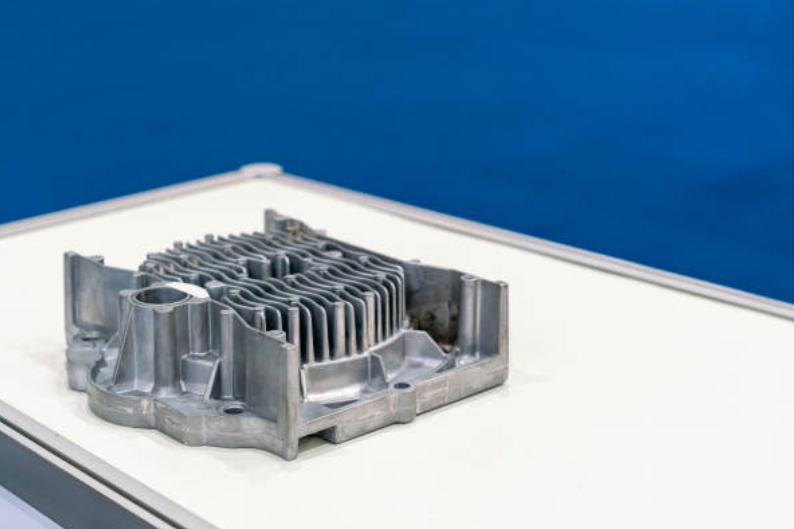
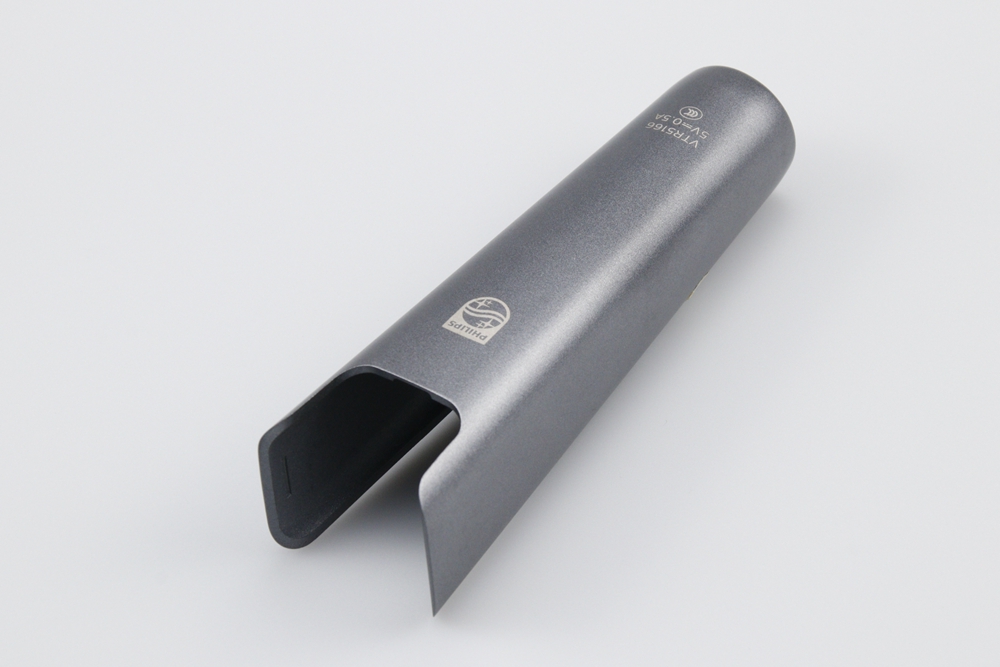
Zinc die casting can often make thin-wall custom parts because zinc alloys can fill detailed mold cavities and reproduce compact features in production. This makes the process useful for small housings, connector shells, lock parts, consumer electronics frames, decorative covers, brackets, clips, and hardware components.
The buyer should not assume that every thin wall is automatically manufacturable. Wall thickness, wall transitions, ribs, bosses, holes, parting line, gate location, ejector layout, and surface finish all affect the final die casting plan. Neway needs the 3D CAD model and 2D drawing to review these details before quotation.
Material selection also matters. Buyers can review zinc alloy options such as Zamak 3, Zamak 5, and Zamak 7 when comparing flow behavior, strength, detail reproduction, and surface quality.
Which complex zinc die cast features should buyers define?
Buyers should define the complex features that control part function, assembly, and appearance. Common examples include thin walls, ribs, bosses, snap clips, latch features, hinge areas, threaded holes, decorative logos, knurling, texture, connector openings, mounting pads, and cosmetic faces.
Each feature creates a different manufacturing question. A boss may need draft and reinforcement. A clip may need controlled flex behavior. A threaded hole may need tapping after casting. A decorative logo may need surface quality and plating control. A connector opening may need dimensional inspection after secondary machining.
Complex Zinc Die Cast Feature | Manufacturing Question | RFQ Detail to Provide |
|---|---|---|
Thin walls and ribs | Can the mold fill consistently without cold shut or distortion? | Wall thickness, rib height, wall transition, and critical zones |
Bosses and mounting pads | Can the feature support assembly load and ejection? | Screw size, load direction, boss height, and mating part data |
Clips, latch areas, and hinges | Can the feature meet assembly movement and wear requirements? | Functional test, contact surface, movement range, and inspection method |
Text, logos, and decorative texture | Can the surface reproduce detail and support finishing? | Visible zones, texture depth, plating requirement, and cosmetic criteria |
Holes, slots, and threads | Should the feature be cast, machined, tapped, or inspected after finishing? | Hole size, thread callout, datum structure, and tolerance requirement |
When do CNC machining and secondary operations remain necessary?
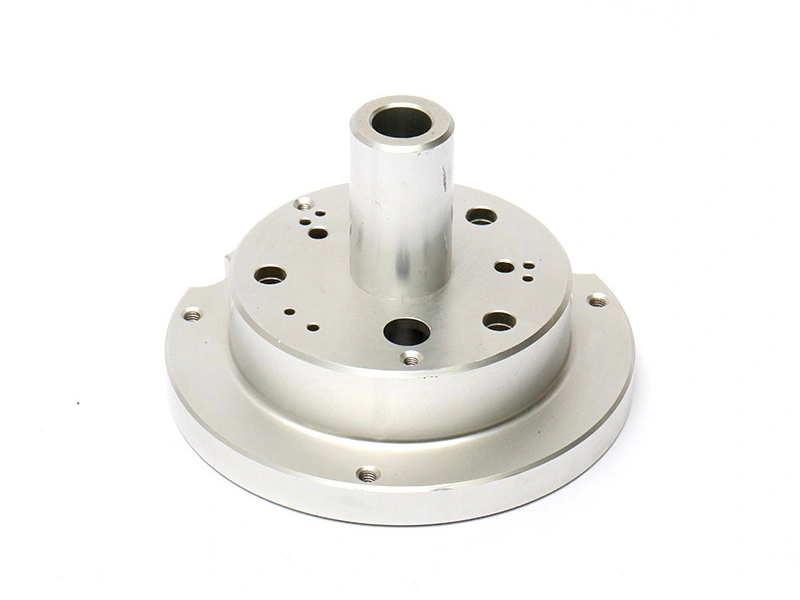
CNC machining and secondary operations remain necessary when the zinc die cast part has critical datums, threads, tight-fit holes, sealing faces, flat mounting surfaces, or features that cannot rely only on the as-cast condition. Zinc die casting can create complex near-net geometry, but functional features may still need finishing after casting.
Common secondary operations include trimming, deburring, drilling, tapping, CNC machining, polishing, plating, painting, powder coating, hardware insertion, and assembly. Buyers should separate as-cast surfaces from machined, coated, masked, or assembled surfaces in the RFQ.
For related planning, see surface finishes available for zinc die cast parts and important design features for zinc die casting components.
How do alloy, tooling, and defect control affect thin-wall parts?
Alloy choice, tooling design, gate layout, venting, process control, and trimming design affect thin-wall zinc die cast parts. Thin sections need reliable filling. Decorative faces need surface control. Tall bosses and deep ribs need attention to shrinkage, flash, ejection marks, and dimensional stability.
Buyers should identify defect-sensitive zones before tooling review. A cold shut on a hidden rib, flash around a mating edge, porosity on a plated surface, or distortion near a connector opening can have different quality consequences. Clear drawings help Neway quote the right process control and inspection plan.
Thin-Wall Manufacturing Risk | Possible Impact on Zinc Die Cast Part | Buyer Control Point |
|---|---|---|
Incomplete fill or cold shut | Can affect thin walls, ribs, text, and decorative features | Provide wall thickness, feature priority, and visible zones |
Flash near parting line | Can affect assembly fit, cosmetic edges, and handling | Mark mating edges, burr limits, and trim requirements |
Porosity or surface defects | Can affect plating, cosmetic quality, or functional surfaces | Define defect limits, cosmetic faces, and inspection method |
Distortion or dimensional variation | Can affect connector openings, flatness, and assembly alignment | Define datums, critical dimensions, and CMM or gauge checks |
Ejector or gate marks | Can affect visible faces or mating surfaces | Identify visible surfaces and surfaces that cannot accept marks |
For quality topics, see how common zinc die casting defects can be prevented.
What dimensions and inspection details should buyers define?
Buyers should define critical dimensions, datum structure, thread requirements, flatness, concentricity, hole position, cosmetic zones, coating thickness limits, and functional test requirements. These details tell Neway which features can remain as-cast and which features need machining or post-finish inspection.
Inspection should match the feature risk. A decorative cover may need visual inspection and coating checks. A connector shell may need gauge checks and mating part validation. A hinge or latch part may need functional testing. A mounting bracket may need CMM inspection of datums and holes.
For inspection planning, see how zinc die cast components are inspected before shipment.
What RFQ details help Neway evaluate complex zinc die cast parts?
Neway can evaluate thin-wall and complex zinc die cast parts more accurately when the RFQ includes 3D CAD, 2D drawing, part application, zinc alloy preference, annual volume, visible surfaces, critical dimensions, machined features, surface finish, defect limits, inspection reports, assembly requirements, and packaging needs.
The buyer should state the main decision directly: whether the part needs thin-wall fill, fine detail, cosmetic appearance, strength, wear behavior, assembly fit, or cost control. This helps Neway connect zinc alloy choice, mold design, secondary operations, inspection, and quotation scope.
For RFQ support, see what buyers should provide for a custom zinc die casting quote and which zinc alloy fits custom zinc die casting parts.
Related FAQs