What zinc alloy is best for custom zinc die casting parts?
For custom zinc die casting parts, the suitable zinc alloy depends on part function, geometry, wall thickness, surface finish, strength, wear behavior, inspection requirements, and production volume. The practical RFQ problem is to compare Zamak 3, Zamak 5, Zamak 7, ZA-8, ACuZinc5, EZAC, and other zinc alloy options before Neway quotes tooling, unit price, secondary operations, and quality control for the custom zinc die cast part.
Which zinc die casting alloy should buyers start with?
Many zinc die casting projects start with Zamak alloys because these materials support detailed features, stable production, and useful surface quality for custom components. The buyer should not choose the alloy by name alone. The alloy should match the part's load, appearance, detail level, mating features, finishing route, and inspection plan.
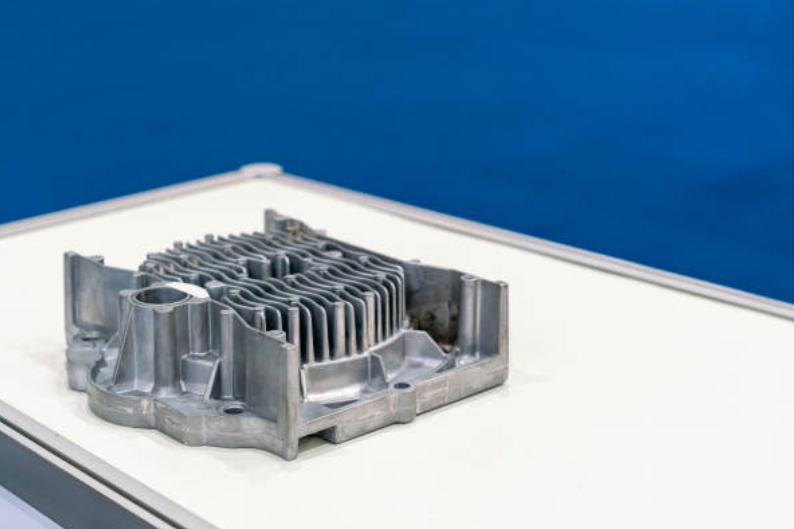
Zinc alloy selection is especially important for small precision parts, decorative components, connector housings, lock parts, consumer electronics parts, and hardware components. These zinc die cast parts often combine thin walls, small details, cosmetic surfaces, and assembled features in one design.
Zinc Die Casting Alloy | Common Selection Reason | Buyer Decision to Confirm |
|---|---|---|
Common starting point for balanced casting, dimensional stability, and surface quality | Whether the part needs a practical general-purpose zinc die casting material | |
Often reviewed when added strength or hardness is useful | Whether the part has load, wear, or assembly stresses beyond a cosmetic function | |
Often reviewed for improved flow behavior and fine detail reproduction | Whether thin walls, small features, or cosmetic detail drive the material choice | |
Often considered when higher strength is needed in a zinc alloy route | Whether strength and dimensional control justify a ZA alloy review | |
Often reviewed for specialized wear, creep, or performance requirements | Whether the application needs a specialized zinc alloy rather than a standard Zamak grade |
When should buyers choose Zamak 3, Zamak 5, or Zamak 7?
Zamak 3 is often a practical starting material when the zinc die cast part needs balanced manufacturability, dimensional stability, and a clean surface for finishing. Buyers often review Zamak 3 for general custom zinc die casting parts such as housings, covers, decorative trim, brackets, and small mechanical components.
Zamak 5 is often reviewed when the part needs more strength or hardness than a purely cosmetic part. This can matter for latch parts, hardware components, load-bearing features, or assembled parts with repeated handling. Zamak 7 is often reviewed when flow behavior, thin-wall filling, or fine surface detail is a stronger priority.
For application context, see common zinc die casting parts and components and thin-wall and complex custom zinc die casting parts.
When should buyers review ZA-8, ACuZinc5, or EZAC?
ZA-8, ACuZinc5, and EZAC should be reviewed when the application has a clear performance reason for moving beyond a standard Zamak selection. The reason may involve higher strength, wear behavior, creep resistance, load-bearing features, or a demanding service condition.
A specialized alloy may increase material cost or change the production route, so the RFQ should state the performance requirement directly. If the part needs strength, the buyer should provide load direction and assembly conditions. If the part needs wear resistance, the buyer should identify contact surfaces and motion. If the part needs dimensional stability, the buyer should identify datums, critical dimensions, and inspection method.
How do wall thickness, detail, and surface finish affect alloy selection?
Wall thickness, feature detail, and surface finish can change zinc alloy selection because the alloy must fill the mold cavity, reproduce small features, and support the required final appearance. Thin walls, deep ribs, small bosses, sharp lettering, decorative textures, and plated surfaces should be identified before Neway confirms the material direction.
Surface finish is part of the alloy decision. A part that needs polishing, plating, painting, powder coating, or strict cosmetic sorting may require different attention to surface quality than a hidden structural component. The buyer should define visible surfaces, masked areas, coating thickness limits, and defect acceptance before quotation.
Related planning pages include surface finishes available for zinc die cast parts and important design features for zinc die casting components.
How do strength, wear, inspection, and cost affect the RFQ?
Strength, wear behavior, inspection scope, and cost should be stated as buyer requirements, not left as assumptions. A zinc die cast lock part, connector shell, handle component, decorative badge, gear-related part, and electronics housing may all use zinc die casting, but the alloy logic and inspection focus can be different.
Inspection requirements also influence alloy and process planning. If the part has critical dimensions, Neway may need CMM inspection, functional gauging, thread checks, visual inspection, coating checks, or first article reporting. If surface defects, flash, porosity, or dimensional variation are unacceptable in specific zones, the drawing should mark those zones clearly.
Buyer Requirement | How It Affects Zinc Alloy Choice | RFQ Information to Provide |
|---|---|---|
Fine detail or thin walls | May favor alloys and tooling choices that support fill behavior | Wall thickness, rib geometry, text, bosses, and critical small features |
Higher load or assembly stress | May require review of strength-focused zinc alloy options | Load condition, mating parts, screw bosses, hinges, and latch function |
Wear or sliding contact | May require specialized alloy review and surface treatment planning | Contact surfaces, movement, expected cycles, and lubrication condition |
Cosmetic or plated finish | May affect material, surface preparation, and defect criteria | Visible surfaces, finish type, color, plating requirement, and visual standard |
Cost control | May favor a standard alloy unless performance requires a specialized grade | Annual volume, first order quantity, application risk, and target process route |
What alloy information should buyers send to Neway?
Buyers should send the required zinc alloy grade if the drawing already specifies one. If the drawing does not specify a grade, the RFQ should describe the part function, load condition, cosmetic requirement, finish process, critical dimensions, inspection method, assembly environment, annual demand, and cost target. This allows Neway to connect zinc alloy selection with mold design, die casting process control, secondary operations, and production inspection.
A useful RFQ explains whether the buyer cares most about thin-wall fill, surface appearance, strength, wear behavior, dimensional control, plating quality, assembly fit, or cost. When the priority is clear, Neway can recommend a zinc die casting material route that matches the actual part instead of treating all zinc alloys as interchangeable.
For RFQ preparation and quality planning, see what buyers should provide for a custom zinc die casting quote, inspection before zinc die cast component shipment, and prevention of common zinc die casting defects.
Related FAQs
What information should buyers provide for a custom zinc die casting quote?
Can zinc die casting produce thin-wall and complex custom parts?
What surface finishes are available for zinc die cast parts?
What design features are important for zinc die casting components?
What are the primary benefits of using zinc alloys in die casting?