What products are commonly made by zinc die casting?
Products commonly made by zinc die casting include consumer electronics frames, lock bodies, handles, hinges, decorative trim, connector shells, lighting hardware, small brackets, power tool components, badges, knobs, and custom OEM hardware. The practical RFQ problem is to decide whether the product needs zinc alloy strength, fine detail, surface finish quality, assembly fit, inspection control, and production volume that justify a zinc die casting route.
Which products are commonly made by zinc die casting?
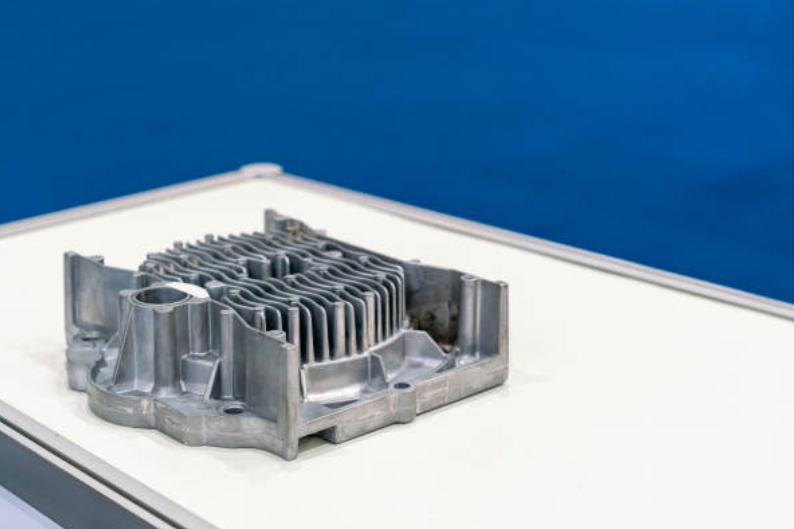
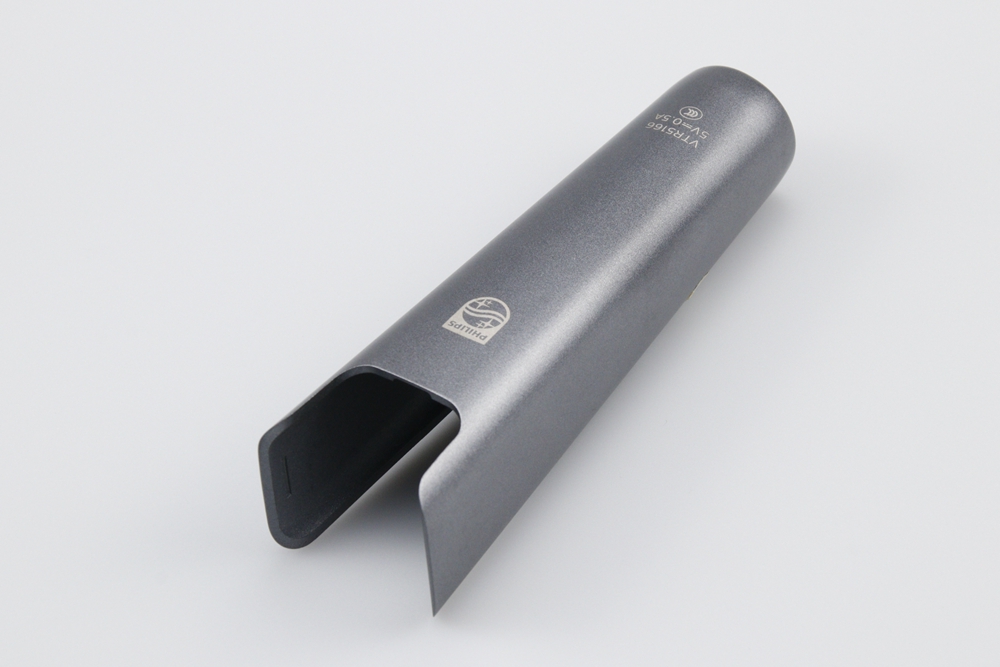
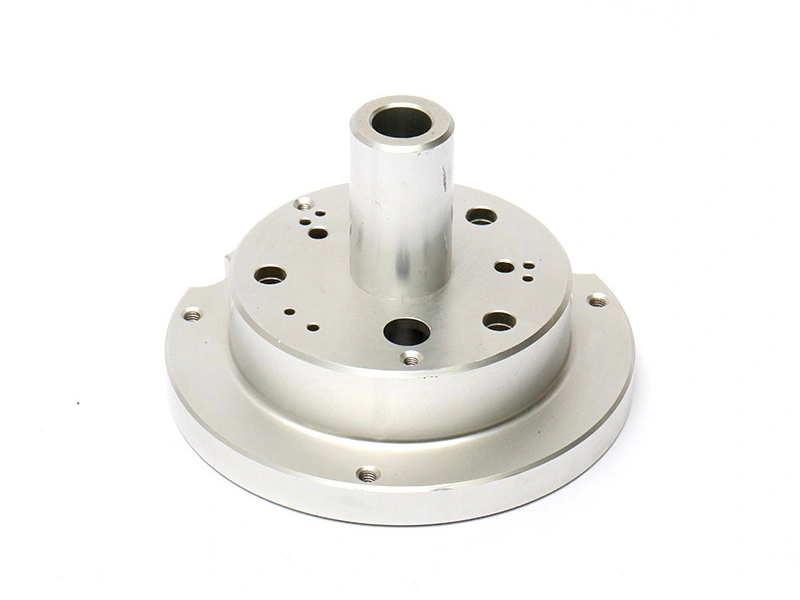
Zinc die casting is commonly used for products that combine compact metal geometry, repeatable dimensions, decorative surfaces, and integrated features. Typical products include consumer electronics housings, lock components, handles, hinges, bezels, knobs, brackets, small frames, connector shells, lighting parts, tool housings, and hardware assemblies.
These products often need more than a simple metal shape. A zinc die casting product may need thin walls, screw bosses, clips, logos, textured surfaces, plated appearance, machined threads, and inspection evidence. The buyer should define which features are functional and which surfaces are cosmetic before quotation.
Zinc Die Casting Product Group | Common Product Examples | Buyer Requirement to Define |
|---|---|---|
Consumer electronics | Frames, shells, covers, buttons, connector housings, and decorative trims | Cosmetic finish, fit with plastic parts, shielding, coating, and packaging |
Locks and architectural hardware | Lock bodies, handles, latch parts, hinges, knobs, and key-related parts | Strength, wear surfaces, plating, assembly fit, and functional testing |
Automotive and mobility hardware | Small brackets, trim parts, connector shells, knobs, clips, and housings | Dimensional control, vibration exposure, surface protection, and traceability |
Lighting and decorative products | Bezels, trim rings, end caps, visible brackets, and decorative covers | Surface finish, corrosion exposure, color, gloss, and visual acceptance |
Power tools and industrial hardware | Switch parts, covers, handles, mounting components, and gear-related parts | Load condition, wear behavior, threaded features, and inspection method |
Why are consumer electronics and lock products common zinc die casting uses?
Consumer electronics and lock products often use zinc die casting because these products need compact metal parts with fine details, clean appearance, and stable assembly features. Electronics products may need thin housings, connector openings, cosmetic faces, and precise fit. Lock products may need strength, plating, latch contact surfaces, and repeated functional use.
For these product types, the RFQ should include the part application, mating components, visible surfaces, screw or latch function, coating or plating requirement, and inspection criteria. This information helps Neway evaluate whether the zinc die cast product should prioritize appearance, strength, assembly fit, or cost control.
For related part examples, see common zinc die casting parts and components.
Which automotive, lighting, tool, and hardware products use zinc die casting?
Automotive hardware, lighting products, power tool components, and industrial hardware can use zinc die casting when the product needs detailed metal features in repeated production. Examples include trim pieces, small brackets, housings, knobs, clips, switch components, visible bezels, handles, and mounting parts.
These products usually need different quality controls. Automotive and mobility parts may need traceability and dimensional consistency. Lighting products may need decorative finish and corrosion resistance. Power tool or industrial parts may need wear behavior, threaded features, and functional testing. Buyers should define the product environment instead of only naming the part.
How do part geometry, alloy, and finish affect product selection?
Part geometry, zinc alloy, and finish determine whether a product is a good fit for zinc die casting. Thin walls, ribs, bosses, clips, logos, decorative texture, and integrated mounting features can favor zinc die casting when production volume supports tooling. Zinc alloy selection affects strength, detail reproduction, dimensional behavior, and finishing route.
Surface finish also affects product selection. A visible product may require polishing, plating, painting, powder coating, black appearance, or careful packaging. A hidden bracket may need only deburring and functional inspection. Buyers should identify visible surfaces, functional surfaces, masked areas, and coating-sensitive features.
Related pages include which zinc alloy fits custom zinc die casting parts, thin-wall and complex custom zinc die casting parts, and surface finishes available for zinc die cast parts.
Product Selection Factor | Why It Matters for Zinc Die Casting | RFQ Detail to Provide |
|---|---|---|
Thin-wall or detailed geometry | Affects filling, gates, vents, and defect risk | 3D CAD, wall thickness, ribs, bosses, and detail priority |
Zinc alloy requirement | Affects strength, wear, dimensional behavior, and cost | Zamak grade, ZA alloy, or performance target |
Cosmetic finish | Affects polishing, plating, painting, coating, and packaging | Visible zones, color, texture, plating requirement, and visual criteria |
Assembly fit | Affects machined features, threads, connector openings, and gauges | Mating part data, tolerance, thread calls, and functional test needs |
Production volume | Affects tooling justification and repeat cost evaluation | Prototype quantity, first order quantity, annual demand, and ramp plan |
What inspections and RFQ details are needed for zinc die casting products?
Inspection requirements should match the product risk. A decorative product may need visual inspection, plating checks, color review, and scratch protection. A functional product may need CMM inspection, thread gauges, fit checks, load testing, or functional testing. A product with both appearance and assembly needs may require both inspection routes.
Buyers should include 3D CAD, 2D drawing, part application, zinc alloy, critical dimensions, visible surfaces, finish requirement, machined features, assembly information, defect limits, inspection reports, packaging method, and target production volume in the RFQ.
For quality and design support, see important design features for zinc die casting components, inspection before zinc die cast component shipment, and prevention of common zinc die casting defects.
When should buyers compare zinc die casting with another process?
Buyers should compare zinc die casting with another process when the product has low quantity, very large size, aluminum-specific weight needs, unusual material requirements, or features that require extensive machining. CNC machining, aluminum die casting, metal injection molding, stamping, or 3D printing may need review depending on the product stage and performance target.
The comparison should use finished-part requirements: product function, material behavior, tooling cost, annual volume, surface finish, assembly fit, inspection evidence, and packaging. Zinc die casting is most useful when the product benefits from detailed metal geometry and repeat production after tooling.
For RFQ and cost planning, see what buyers should provide for a custom zinc die casting quote and zinc die casting cost considerations for custom metal parts.
Related FAQs