Revolutionizing Prototyping and Production with Rapid Molding Techniques
Rapid Molding Prototyping And Production Decision: This article explains how buyers can evaluate rapid molding prototyping for custom molded parts that need production-intent plastic material, molded geometry, pilot lots, functional testing, or bridge production before full production tooling. The practical RFQ problem is deciding whether rapid tooling, resin choice, part design, surface finish, dimensional inspection, and validation requirements can support the transition from prototype to production.
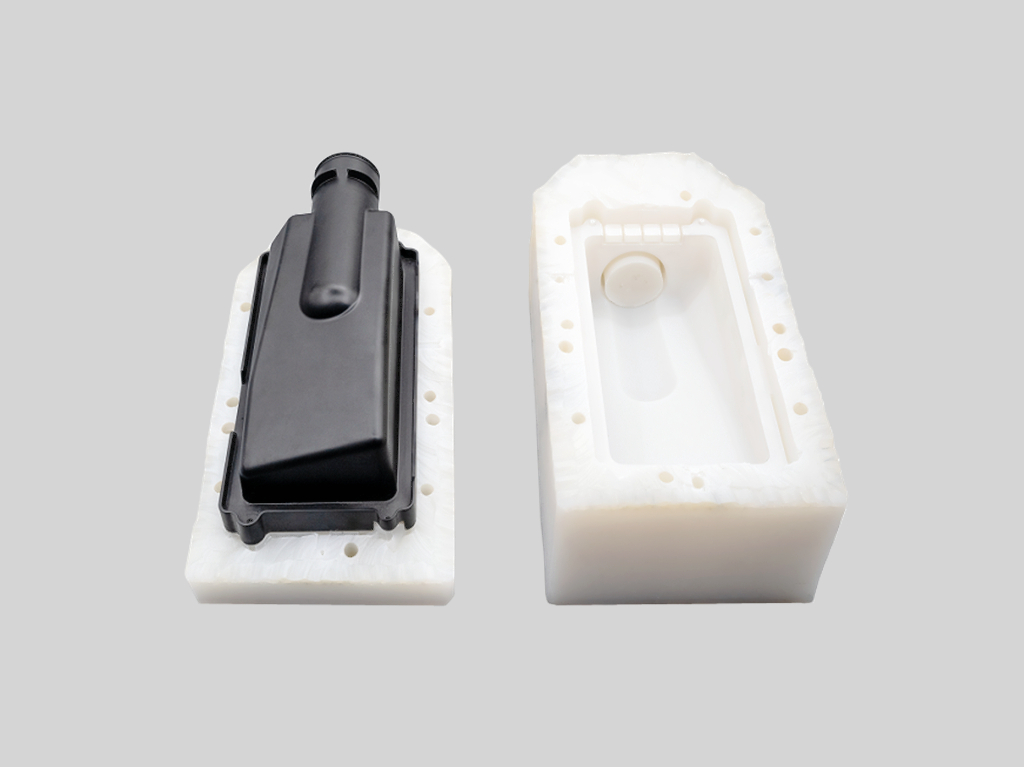
How Does Rapid Molding Bridge Prototyping And Production?
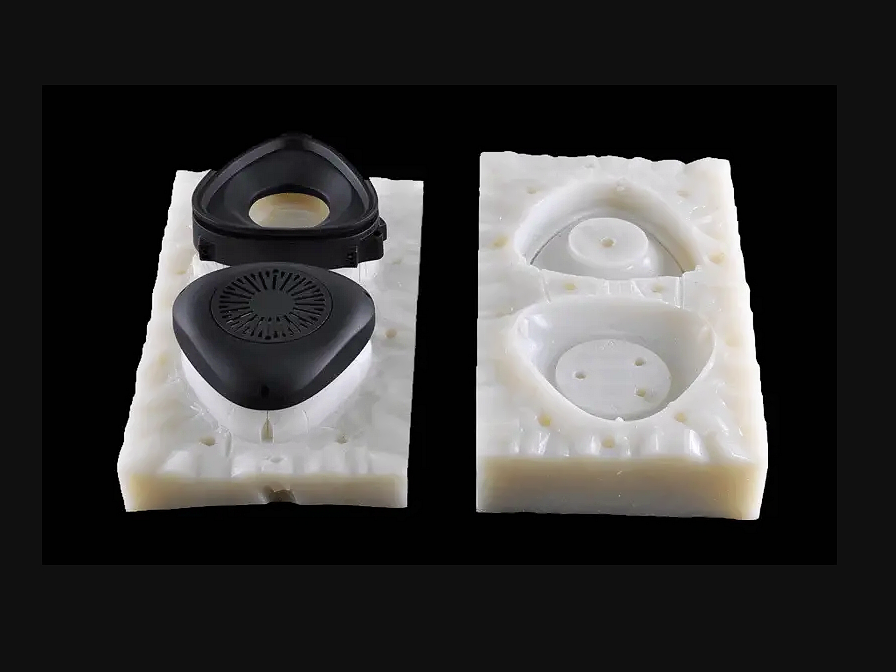
Rapid molding bridges prototyping and production by using faster tooling and molding routes to produce parts in materials closer to the intended production resin. This helps buyers test fit, function, surface, assembly, and material behavior before committing to full production tooling.
Rapid molding is different from 3D printing because it can use molded plastic flow, gate vestige, shrinkage, weld lines, ejector marks, and production-intent resin behavior. It is also different from full production injection molding because rapid tooling may have limits in tool life, cavity count, automation, cooling, and long-run durability.
The buyer should define the stage clearly. A concept sample, engineering validation lot, pilot run, and bridge production order require different tooling decisions and inspection evidence.
Which Rapid Molding Techniques Should Buyers Compare?
Rapid molding can include rapid injection molding, prototype tooling, soft tooling, bridge tooling, silicone molding, and molded parts supported by 3D printed or CNC machined master patterns. The right route depends on geometry, material, quantity, and validation purpose.
Rapid Molding Technique | Best Fit | Buyer Decision Point |
|---|---|---|
Rapid injection molding | Production-intent thermoplastic parts for validation, pilot lots, and bridge production | Confirm resin, gate location, cosmetic surface, quantity, and inspection plan. |
Prototype mold tooling | Testing molded geometry before investing in full production tooling | Confirm expected revisions, tool material, sample quantity, and design freeze status. |
Soft tooling or bridge tooling | Low-to-medium quantities before final production tooling is approved | Confirm tool life expectation, dimensional control, and production release timing. |
Silicone molding or urethane casting | Small batches, visual samples, and material simulations where exact injection molding behavior is not required | Confirm whether the molded part must represent production resin behavior. |
3D printed or CNC master-supported molding | Early sample programs and bridge validation using a master pattern | Confirm surface finish, shrinkage, dimensional limits, and pattern accuracy. |
The technique should be selected from the buyer's test objective. If the buyer needs molded resin behavior, rapid injection molding is usually more relevant than a visual-only sample route.
Which Materials Fit Rapid Injection Molding?
Rapid injection molding can support common thermoplastics when the part design, tool design, and process conditions fit the resin. Material selection should be based on mechanical load, heat exposure, chemical exposure, appearance, flexibility, electrical behavior, and validation requirements.
Rapid Molding Material | Common Prototype Or Pilot Use | RFQ Confirmation Needed |
|---|---|---|
Housings, covers, brackets, cosmetic samples, and assembly validation parts | Confirm color, texture, impact requirement, and surface finish. | |
Durable transparent or impact-resistant prototypes and engineering validation parts | Confirm drying, optical surfaces, stress cracking risk, and test requirements. | |
Living hinge prototypes, chemical-resistant parts, caps, covers, and functional samples | Confirm hinge testing, shrinkage, weld line risk, and assembly conditions. | |
Low-friction parts, gears, guides, latch parts, and mechanical validation samples | Confirm fit surfaces, wear contact, dimensional stability, and ejection risk. | |
Elastomeric or flexible resin | Seals, grips, flexible covers, and soft-touch validation parts | Confirm hardness, tear risk, compression behavior, and functional testing. |
If the final production resin is already known, the RFQ should state it. If the final resin is not known, the buyer should describe the operating environment and required tests so the rapid molding route can be reviewed.
Which Applications Benefit From Rapid Molding?
Rapid molding is useful when buyers need molded parts earlier than full production tooling would allow, or when the product team needs to validate production-intent material behavior before design freeze. It is common in consumer products, automotive, medical device development, electronics, appliances, robotics, and industrial equipment.
Application Stage | Rapid Molded Part Example | Buyer Validation Requirement |
|---|---|---|
Engineering validation | Housing, cover, bracket, clip, latch, or connector body made in production-intent resin | Confirm fit, load, thermal exposure, assembly, and dimensional inspection. |
Design verification | Parts used to compare gate marks, shrinkage, weld lines, sink risk, and surface finish | Confirm cosmetic surfaces, critical dimensions, and sample approval criteria. |
Pilot production | Small batches for assembly line trials, packaging checks, and customer approval | Confirm quantity, inspection plan, and revision control. |
Bridge production | Molded parts supplied before hard production tooling is ready | Confirm tool life, production schedule, quality records, and transition plan. |
Regulated product development | Medical device, automotive, aerospace-related, or energy-related development parts | Confirm buyer specifications, material records, and validation responsibility. |
Rapid molding does not remove the need for product validation. It helps create molded parts for testing, but buyer approval still depends on the defined acceptance criteria.
What Design And Tooling Limits Should Buyers Review?
Rapid molding has tooling and design limits that should be reviewed before quotation. Common issues include undercuts, deep ribs, thin walls, thick bosses, sink marks, warpage, draft angle, gate location, ejector marks, parting lines, and material shrinkage.
Design Or Tooling Issue | Rapid Molding Risk | Buyer Action Before RFQ |
|---|---|---|
Undercuts and side actions | Can increase tool complexity or make rapid tooling less practical | Identify required undercuts and whether design changes are allowed. |
Uneven wall thickness | Can create sink, warpage, and cooling variation | Review wall transitions and mark cosmetic surfaces. |
Gate location | Can affect appearance, weld lines, flow, and trimming | Mark visible surfaces and no-gate zones. |
Tool material and cavity count | Affects sample capacity, tool life, cycle behavior, and dimensional repeatability | Confirm expected quantity and whether bridge production is needed. |
Production tooling transfer | Rapid tool results may not fully match final production tool behavior | Define which findings must transfer to full production tooling. |
Buyers should not treat rapid tooling as a shortcut around design-for-molding review. The more the prototype must represent production behavior, the more important molding design review becomes.
When Should Buyers Choose Rapid Molding Instead Of 3D Printing Or Production Injection Molding?
Rapid molding should be compared with 3D printing prototyping and plastic injection molding based on product stage, material requirement, and production plan.
Manufacturing Route | Best Fit | When To Avoid This Route |
|---|---|---|
3D printing | Early design iteration, visual samples, complex geometry, and tooling-free prototypes | When molded resin behavior, gate marks, shrinkage, or surface texture must be validated. |
Rapid molding | Production-intent resin samples, pilot lots, engineering validation, and bridge production | When geometry is still changing daily or full production tooling is already approved. |
Production injection molding | Stable high-volume production with final tool design, automation, and long-run quality plan | When the design is not frozen or the buyer needs a small validation lot first. |
The buyer should define the test question. If the question is "does the shape fit," 3D printing may be enough. If the question is "does the molded material and gate layout work," rapid molding may be more useful.
Which Inspection And Validation Steps Matter?
Rapid molded parts may need the same inspection discipline as production-intent parts. Common evidence includes first article inspection, dimensional reports, CMM reports, visual standards, material certificates, resin lot records, surface finish checks, color checks, hardness or durometer checks, pull tests, torque tests, leak tests, and assembly trials.
Validation should match the intended use. A pilot lot for consumer products may focus on assembly and cosmetic review. A medical or automotive development part may require buyer-defined documentation, cleaning exposure, mechanical testing, or traceability. A bridge production part may need repeatable inspection until the production tool is ready.
Inspection should be tied to the drawing. Critical dimensions, sealing surfaces, snap fits, hinge features, screw bosses, and cosmetic surfaces should be identified before rapid molding starts.
What Should A Rapid Molding RFQ Include?
A rapid molding RFQ should include the CAD model, 2D drawing, material grade, intended use, required quantity, production stage, surface finish, color, texture, critical dimensions, inspection evidence, and expected transition plan. If the buyer expects production tooling later, the RFQ should explain what must be learned from the rapid molding stage.
RFQ Information | Why It Matters For Rapid Molding | Buyer Confirmation Needed |
|---|---|---|
CAD model and drawing | Defines molded geometry, parting line, gates, critical dimensions, and cosmetic surfaces | Confirm revision, controlled dimensions, and no-change areas. |
Material and finish | Controls flow, shrinkage, strength behavior, texture, color, and validation relevance | State resin grade, color, texture, finish, and material certificate need. |
Quantity and production stage | Determines rapid tool design, cavity count, tool material, and inspection plan | Confirm prototype, engineering validation, pilot lot, or bridge production use. |
Critical surfaces and tests | Links rapid molded parts to measurable performance evidence | Identify snap fits, threads, sealing areas, load points, and functional tests. |
Transition plan | Helps compare rapid tooling findings with future production tooling decisions | State whether the project will move to full production injection molding. |
Rapid molding techniques can support prototyping and production planning when the buyer defines the stage, material, molded features, test plan, and inspection evidence. The strongest projects use rapid molding to answer specific engineering questions before final tooling is released.
Related FAQs