Is rapid injection molding suitable for high-volume production?
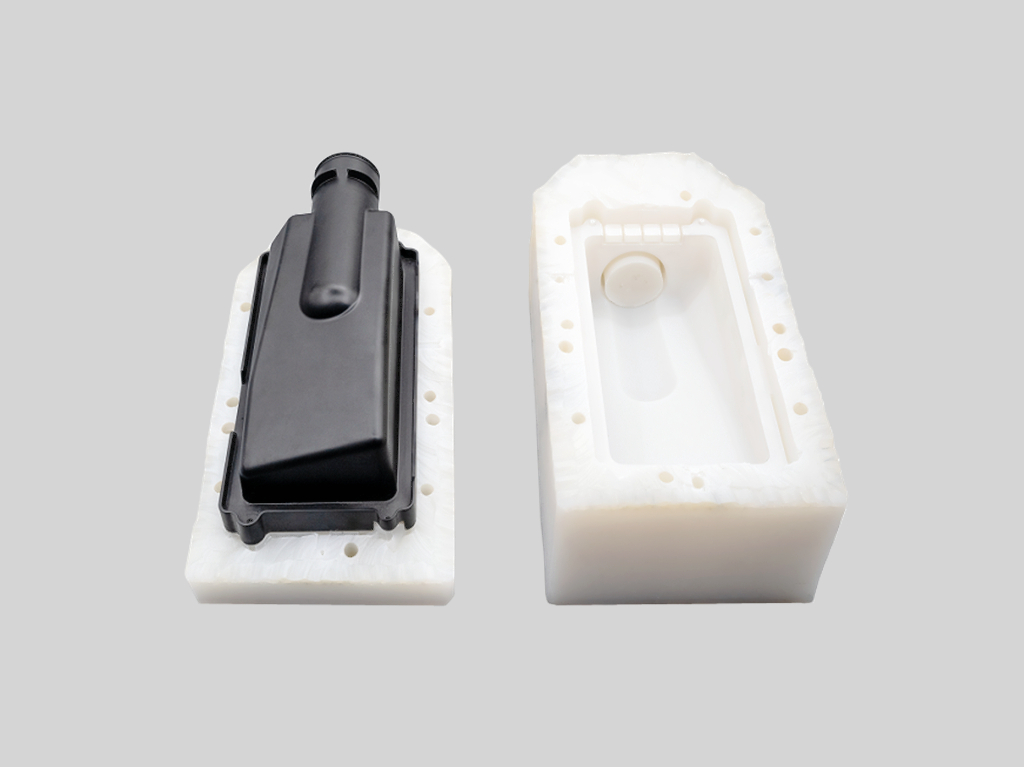
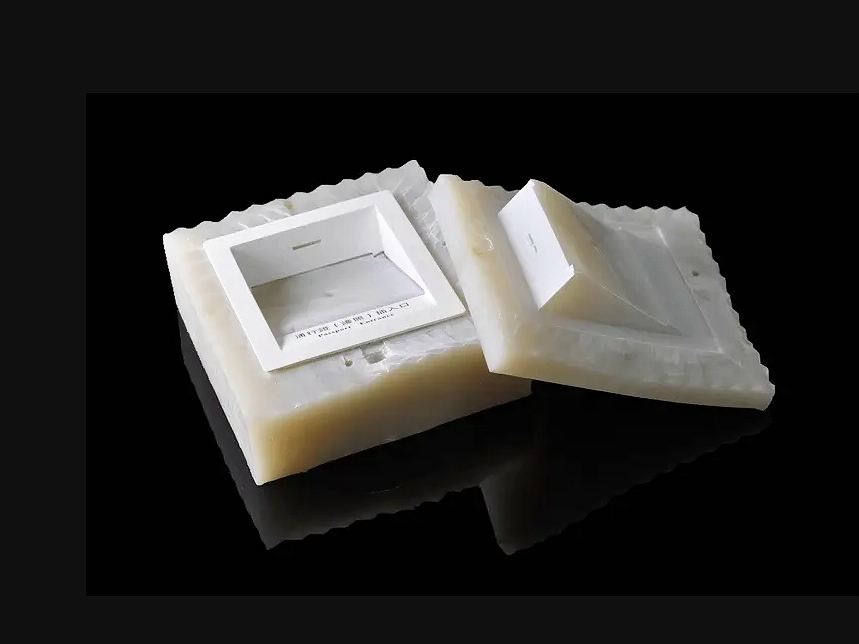
Rapid injection molding can support bridge production, pilot production, market testing, and early molded part validation, but it is usually not the default route for long-term high-volume production. For a rapid injection molding RFQ, the practical problem is deciding whether the buyer needs a fast prototype tool, a bridge tool, or a production injection mold based on quantity, material, tool life, part consistency, inspection depth, and launch risk.
Is rapid injection molding suitable for high-volume production?
Rapid injection molding may support limited production needs, but high-volume production usually requires a production mold designed for longer tool life, faster cycles, automation, stable cooling, cavity balance, and repeatable quality control. Rapid tooling is mainly valuable when speed, design learning, pilot validation, or bridge supply is more important than long-term mold efficiency.
The buyer should define the manufacturing stage before choosing the tooling route. A design validation stage may need fast molded samples. A bridge production stage may need enough molded parts for launch, testing, or early customers. A mature high-volume stage may need a hardened production mold, multi-cavity layout, and detailed process validation.
Rapid molding and production molding are not enemies. A well-planned project can start with rapid molding to reduce early risk, then move to production tooling after the part design, material, gate location, tolerance plan, and cosmetic requirements are stable.
How do rapid tooling and production tooling differ?
Rapid tooling and production tooling differ in tool material, tool construction, cavity count, cooling design, expected maintenance, automation, cycle optimization, and validation depth. The correct tooling choice depends on the buyer's schedule, quantity, quality requirements, and how mature the product design is.
Tooling route | Best use case | Primary advantage | Buyer risk to review |
|---|---|---|---|
Prototype samples, bridge parts, pilot launch, early customer trials | Faster tool build and useful molded plastic feedback | Tool life, manual handling, limited automation, and later design changes | |
Long-term production with stable design and recurring demand | Better repeatability, process control, and production efficiency | Higher upfront tool planning and less flexibility after design freeze | |
Bridge tooling strategy | Supply parts while production tooling is being designed or qualified | Supports launch timing and engineering validation | Bridge parts must be matched carefully with the final production intent |
Prototype-to-production plan | Projects where design still needs molded feedback before scale-up | Reduces risk before committing to a full production mold | Requires clear decisions on what sample data transfers to production |
When does rapid injection molding make sense before production?
Rapid injection molding makes sense before production when the buyer needs molded plastic samples to validate resin behavior, shrinkage, snap-fit performance, living hinges, assembly fit, surface texture, gate vestige, insert installation, or customer handling. These are risks that 3D printing or CNC machining may not fully represent.
Rapid molding is also useful when production tooling will take longer to design, build, or approve. Bridge parts can support market testing, pilot builds, regulatory samples, sales demonstrations, or early field trials while the final mold is still under development.
The buyer should define the decision that rapid molded parts must support. If the samples are only for appearance, the tool may be simpler. If the samples are for mechanical or customer validation, material, gate location, process settings, and inspection become more important.
What limits rapid injection molding for long-term volume production?
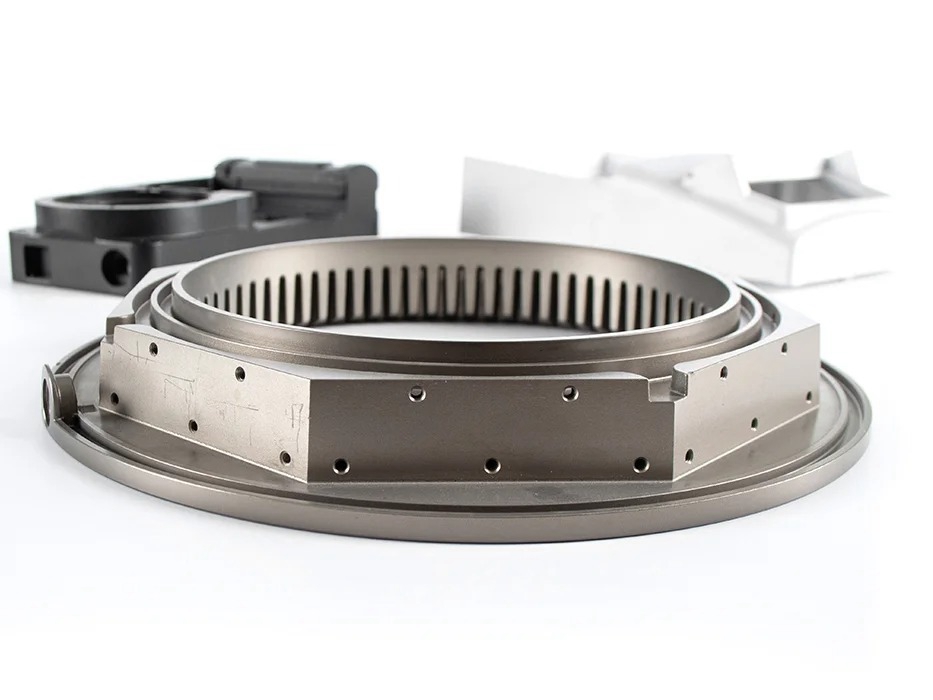
Rapid injection molding can be limited by tool durability, cooling efficiency, cavity count, automation readiness, process window, dimensional stability over repeated runs, surface finish consistency, and maintenance needs. These limits do not make rapid molding weak; they simply mean the tool was built for speed and learning rather than maximum long-term output.
Production molds are usually reviewed more deeply for cooling channels, steel selection, parting line life, slide durability, vent maintenance, automated ejection, runner balance, cycle consistency, and spare components. These details become more important when the design is stable and recurring production demand is clear.
For high-volume decisions, buyers should ask whether the project needs rapid samples, bridge parts, or a production mold. The answer should be based on product maturity, demand forecast, material requirements, quality documentation, and long-term supply plan.
How should buyers plan the transition from rapid molding to production molding?
Buyers should plan the transition by documenting what was learned from rapid molding. Useful feedback includes resin shrinkage, warpage, gate location, weld lines, sink marks, texture acceptance, assembly fit, insert performance, dimensional inspection, and functional test results.
The production mold should not simply copy the rapid tool without review. A production tool may need different cavity count, cooling, runner system, gate strategy, steel selection, ejection, venting, and automation features. Some dimensions or cosmetic requirements may also change after rapid sample testing.
A good transition plan names which features are frozen, which features are still flexible, and which sample results must be improved before production tooling. This helps prevent repeating prototype limitations in a long-term mold.
What RFQ information is needed to choose between rapid and high-volume molding?
A useful RFQ should include the 3D CAD model, 2D drawing, material grade, target quantity for each stage, launch schedule, critical dimensions, surface finish, cosmetic zones, inserts, assembly requirements, inspection reports, and whether the design is still changing.
The buyer should also share the production forecast and project stage. A one-time pilot run, bridge build, market test, and mature production program should not be quoted with the same tool assumptions. Tooling strategy follows the business decision as much as the plastic part geometry.
Neway can review rapid molding, bridge tooling, and production injection molding options after receiving the project files. The best route is the one that supports the buyer's schedule, validation need, and long-term production plan without hiding tooling tradeoffs.
Related FAQs