Benefits of Rapid Molding Service for Product Development
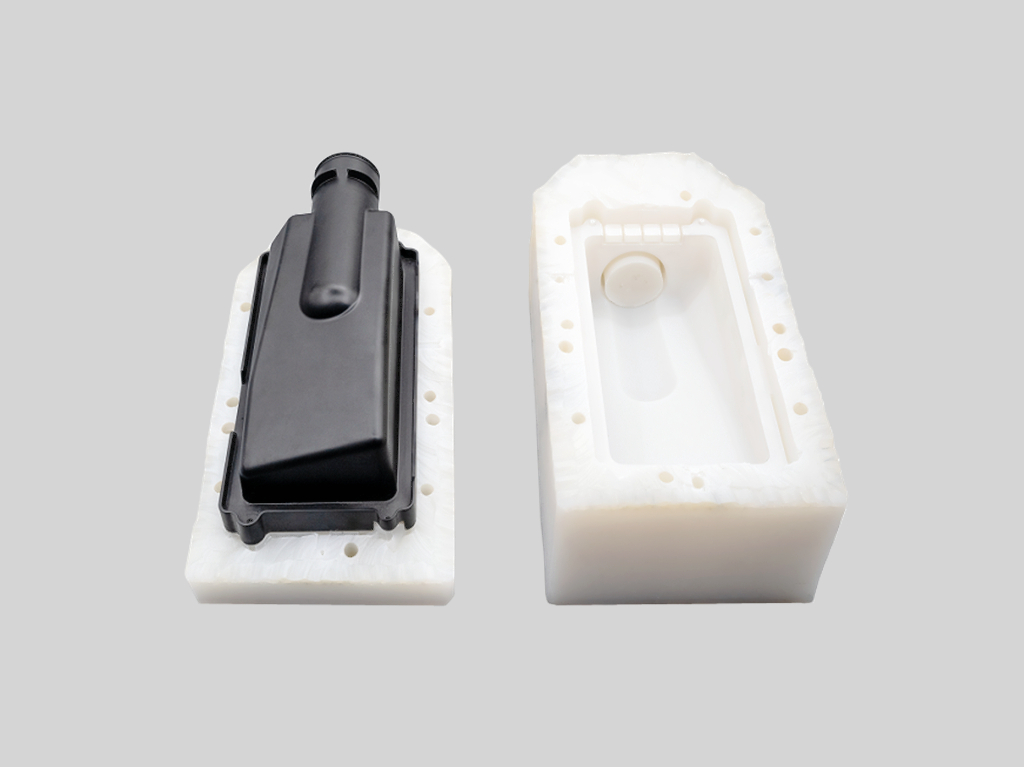
Rapid molding service helps product development teams make molded prototype parts and low-volume plastic parts before full production tooling is approved. The practical RFQ problem is deciding which product-development risk the rapid molded housing, cover, clip, enclosure, connector, bracket, or assembly component must reduce: design fit, material behavior, molding defects, cost exposure, or transition to production.
What benefits does rapid molding provide during product development?
Rapid molding provides the most value when a buyer needs molded-part evidence before approving production tooling. The process can help validate material selection, wall thickness, ribs, bosses, draft, gate location, ejection behavior, surface finish, assembly fit, and molding defects such as sink, flash, short shots, and warpage.
The buyer should connect each benefit to a specific product-development question. Rapid molding is not only a faster sample route; rapid molding is a way to learn whether a plastic design is ready for tooling, pilot builds, customer samples, or design revision.
Rapid molding benefit | Manufacturing entity involved | Product development decision supported |
|---|---|---|
Molded material validation | ABS, PC, PP, POM, nylon, or other molding resin options | Confirm whether the selected resin supports function, appearance, and assembly |
Design iteration | Rapid tooling, mold insert changes, CAD revision, mold trial feedback | Revise wall thickness, ribs, bosses, snap features, and parting line details |
Assembly fit testing | Clips, holes, inserts, mating surfaces, enclosures, and covers | Check interference, fastener fit, sealing contact, and installation behavior |
Molding defect review | Sink marks, warp, flash, short shots, gate marks, ejector marks | Identify design or tooling issues before production mold investment |
Low-volume molded parts | Prototype mold, soft tooling, CNC machined aluminum tooling | Support pilot builds, market samples, or functional testing without full tooling |
Cost-risk visibility | Tooling complexity, undercuts, surface finish, inspection, material choice | Learn which features increase tooling and molding cost |
Production route learning | Gate location, draft angle, ejection, shrinkage, cooling behavior | Prepare better requirements for the final production mold |
Customer or stakeholder samples | Molded appearance, color, texture, parting line, and surface finish | Review product feel and appearance with more realistic molded samples |
How does rapid molding improve design iteration and tooling-risk review?
Rapid molding improves design iteration by giving the product team molded-part feedback before a production mold is fully committed. A 3D printed part can show shape, and a CNC machined plastic part can show accurate geometry, but a rapid molded part can show how resin fills, cools, shrinks, ejects, and displays gate or parting line marks.
That feedback is useful when the product includes snap fits, clips, thin walls, ribs, bosses, living hinge concepts, gasket surfaces, insert features, or cosmetic outer surfaces. If the rapid molded part shows sink, warp, flash, ejection marks, or assembly difficulty, the design can be adjusted before the production mold becomes more expensive to change.
The RFQ should explain whether the buyer wants engineering feedback or only sample parts. If the goal is design learning, the supplier should review part geometry, tooling approach, gate location, ejector placement, material, and inspection points instead of treating the part as a simple sample order.
Why is rapid molding useful for material validation?
Rapid molding is useful for material validation because the part is formed from molding resin in a mold cavity. This can show behavior that a printed or machined prototype may not capture, including shrinkage, surface gloss, texture response, weld or knit line risk, gate vestige, and molded assembly feel.
Buyers can use rapid molding to compare material families such as ABS, polycarbonate, polypropylene, POM, nylon, or other approved resins when those materials are suitable for the part. The buyer should confirm the required properties, such as impact behavior, heat resistance, chemical exposure, stiffness, flexibility, wear, color, or regulatory limitations.
If the final production material is not available for a rapid tool trial, the RFQ should state whether a substitute material is acceptable and which test results will still be meaningful. Material substitution may support early learning, but final validation should be based on the material required for the application.
How does rapid molding support low-volume production and pilot builds?
Rapid molding can support low-volume molded parts when a buyer needs pilot builds, market samples, customer approval parts, engineering test parts, or bridge quantities before production tooling is ready. This is useful when the buyer needs molded material behavior but does not yet need or cannot yet justify full production tooling.
Low-volume rapid molding also helps purchasing teams compare process routes. A buyer may compare rapid molding against CNC machining, 3D printing, vacuum casting, or traditional injection molding based on part purpose, required material, finish, quantity, tolerance, and assembly requirements.
The buyer should still understand the boundary between rapid tooling and production tooling. A rapid mold may support development needs, but high-volume production may require a different mold design, different tool steel, more cooling control, more cavity planning, and a broader production quality plan.
How can rapid molding reduce cost risk during product development?
Rapid molding can reduce cost risk by exposing expensive design features before final tooling. Undercuts, deep ribs, thick sections, tight cosmetic requirements, side-action features, insert molding needs, tight tolerances, and difficult ejection can all change tooling cost and molding risk.
By reviewing those issues during a rapid molding project, the buyer can decide whether to redesign the part, change the material, accept a different surface finish, split the component, simplify a snap feature, or move a tolerance to a functional-only dimension.
Cost reduction should not mean removing needed controls. A functional molded prototype may still need dimensional inspection, assembly testing, material confirmation, and surface review. The benefit is that the buyer can target those controls at the features that matter most for the next development decision.
What information should buyers provide for a rapid molding RFQ?
A useful rapid molding RFQ should include the 3D CAD file, 2D drawing, target resin, quantity, prototype purpose, expected production process, critical dimensions, cosmetic surfaces, texture and color needs, gate or parting line concerns, insert requirements, assembly hardware, finishing requirements, and inspection needs.
The RFQ should also state whether the parts are for design validation, material testing, assembly review, customer samples, pilot production, or bridge production. This use case tells the supplier whether the rapid mold should prioritize speed, molded-part realism, surface appearance, inspection evidence, or preparation for production tooling.
The main benefit of rapid molding for product development is practical evidence. Buyers can use rapid molded parts to make better decisions about design changes, resin selection, tooling investment, and production readiness before moving into a more committed molding process.
Related FAQs
What Is Rapid Molding, and How Does It Differ from Traditional Molding Processes?
What Are the Typical Tolerances Achievable in Rapid Injection Molding?
Is Rapid Injection Molding Suitable for High-Volume Production?
What Design Features Should Be Avoided in Rapid Injection Molding?
What Are the Cost Benefits of Rapid Molding Compared to Traditional Methods?