Rapid Injection Molding Service: Everything You Need To Know
Rapid Injection Molding Service RFQ Decision: This article explains how buyers should request rapid molding prototyping for injection molded plastic parts such as housings, covers, clips, brackets, connectors, knobs, enclosures, and functional prototypes. The practical RFQ problem is defining resin, tool purpose, sample quantity, part geometry, tolerance priorities, surface finish, inspection records, and transition plans before rapid injection molding is quoted.
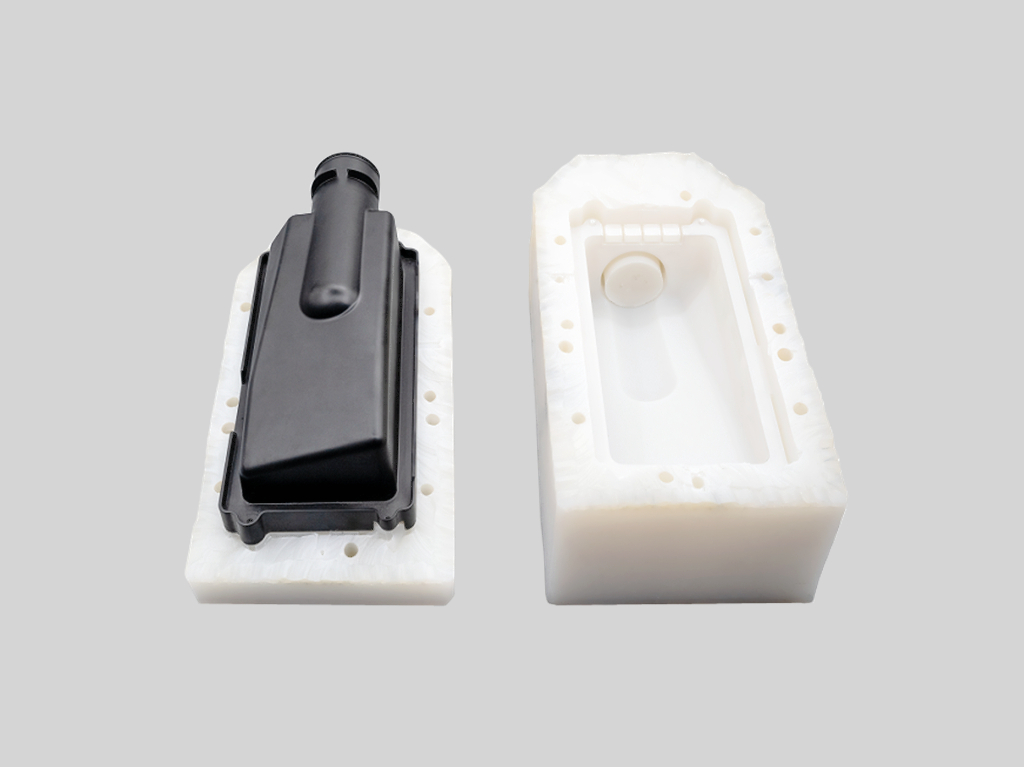
Rapid injection molding is useful when buyers need molded plastic samples or short-run parts faster than a full production tooling program may allow. The process can support design validation, customer samples, functional testing, and bridge production, but the result still depends on resin behavior, mold design, gate location, ejection, wall thickness, and sample approval criteria.
What Is Rapid Injection Molding Used For?
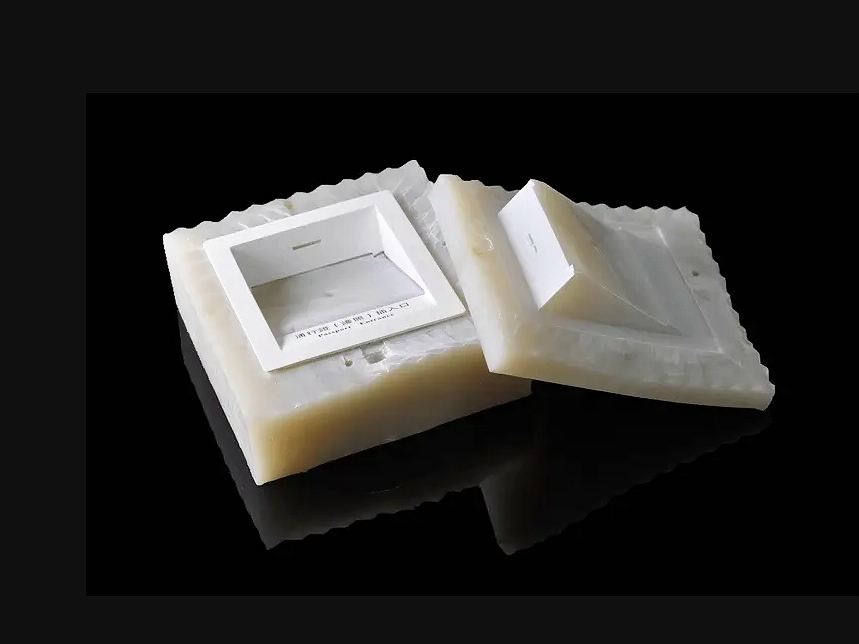
Rapid injection molding is used for molded plastic prototypes, functional samples, customer review parts, low-volume molded parts, and bridge-production components. It helps buyers evaluate molded resin behavior, gate marks, parting lines, snap features, clips, bosses, threads, inserts, cosmetic surfaces, and assembly fit before committing to a larger production strategy.
The buyer should define the project stage. If the design is still rough, 3D printing may be enough for early shape review. If the design needs molded material behavior, rapid injection molding becomes more relevant. If the design is stable and production demand is defined, full injection molding may deserve comparison.
Rapid injection molding should be quoted as a manufacturing route, not just a quick sample request. Tool design, resin choice, molded geometry, inspection, and validation should all be visible in the RFQ.
Which RFQ Inputs Are Needed For Rapid Injection Molding?
A rapid injection molding RFQ needs the 3D model, 2D drawing, resin grade, color, sample quantity, tool purpose, production stage, revision status, critical dimensions, surface finish, cosmetic faces, insert requirements, inspection records, and expected design-change process. These inputs let the supplier decide how much tool complexity and validation planning the project requires.
If the buyer expects engineering changes after first samples, the RFQ should state that expectation. A rapid tool can support development, but late design changes may still require tool modifications or resampling. The supplier should know whether the tool is for one validation loop, several iterations, or bridge production.
Rapid Injection Molding Input | Why It Matters | Buyer RFQ Detail |
|---|---|---|
Resin grade | Controls shrinkage, flow, strength, surface, and validation behavior | Approved resin, color, substitute rules, and required properties |
Tool purpose | Controls tool material, insert strategy, and expected sample plan | Prototype, validation, bridge, or production-intent requirement |
Critical dimensions | Controls inspection and molded part acceptance | Functional dimensions, datum references, and required records |
Cosmetic surfaces | Controls gate, parting line, ejector mark, polish, and texture planning | Visible faces, texture requirement, and acceptable mark locations |
How Should Buyers Choose Materials For Rapid Injection Molding?
Material choice should follow part function. ABS, PC, nylon, TPE, POM, PP, and other thermoplastics can support different combinations of impact resistance, stiffness, flexibility, wear behavior, heat exposure, surface appearance, and dimensional stability. The RFQ should state the exact resin if the material is fixed.
If the resin is not fixed, the RFQ should describe the required properties and operating environment. A rigid enclosure, flexible seal, snap-fit clip, transparent cover, sliding feature, or heat-exposed bracket may require different resin behavior. The supplier can review material options only if the buyer explains the function.
Related material pages include ABS rapid molding, PC rapid molding, POM rapid molding, and PP rapid molding.
Which Design Features Need Review Before Tooling?
Design features that need review include wall thickness, draft, ribs, bosses, snap fits, hinges, undercuts, parting line, gate location, ejector areas, threads, inserts, and cosmetic faces. Rapid injection molding is faster and more predictable when the design already follows injection molding principles.
Buyers should identify flexible features before the quote. A non-critical radius, rib thickness, draft angle, gate zone, or internal boss may be adjusted to reduce tool complexity. A critical sealing surface, connector interface, snap feature, or mating hole should be protected and inspected.
Design-for-manufacturing feedback is especially important when a part combines cosmetic surfaces, tight assembly features, and difficult undercuts. If slides, inserts, or secondary operations are acceptable, the RFQ should say so.
How Do Tolerances And Inspection Work In Rapid Injection Molding?
Tolerances and inspection should be based on part function. Critical dimensions, mating features, insert locations, snap fits, sealing areas, and datum surfaces may need inspection records. General molded surfaces should be specified separately so non-critical geometry does not drive unnecessary cost or delay.
Inspection may include visual review, dimensional checks, first article inspection, color review, surface finish review, insert checks, assembly fit checks, and buyer-defined functional tests. The RFQ should define which records are required and whether samples are inspected as molded, after trimming, after insert installation, or after finishing.
For accuracy-focused planning, buyers can review precision in rapid molded parts.
How Does Rapid Injection Molding Compare With Other Prototype Routes?
Rapid injection molding should be compared with 3D printing, CNC machining, urethane casting, and production injection molding by the question the prototype must answer. 3D printing is often useful for early geometry review. CNC machining can support stock material behavior and machined datum surfaces. Rapid injection molding is better suited when molded resin behavior, gate location, surface texture, and molded assembly fit matter.
The buyer should also compare cost and schedule at the project level. Rapid injection molding may be more practical than production tooling when the design still needs validation. Production tooling may be more appropriate when the design is stable and production expectations are clear.
For route planning, buyers can review rapid molding lead time planning and rapid molding cost efficiency.
Which Risks Should Buyers Resolve Before Ordering Samples?
Buyers should resolve resin selection, tool purpose, design maturity, critical dimensions, cosmetic surfaces, sample quantity, inspection records, and design-change rules before ordering samples. These risks can affect tool design and sample approval more than the basic molding process.
Late resin changes can shift shrinkage and molding behavior. Late cosmetic requirements can change gate, parting line, or texture planning. Late inspection requirements can delay sample approval. A complete RFQ reduces these risks before tooling begins.
Rapid Injection Molding Risk | Project Impact | Buyer Action Before RFQ |
|---|---|---|
Unclear tool purpose | May overbuild or underbuild the rapid tool | State prototype, validation, bridge, or production-intent use |
Late resin approval | May change shrinkage, process conditions, and validation outcome | List approved resin or material selection criteria |
Unmarked cosmetic face | May cause disagreement over gate marks, ejector marks, or texture | Mark visible faces and acceptable mark locations |
Undefined inspection records | May delay sample approval after molded parts are ready | Define critical dimensions, FAI need, and buyer-side tests |
What Should A Rapid Injection Molding RFQ Include?
A rapid injection molding RFQ should include the 3D model, 2D drawing, resin grade, color, sample quantity, production stage, tool purpose, revision status, critical dimensions, general tolerances, cosmetic surfaces, texture requirement, gate or parting-line concerns, insert requirements, inspection records, functional tests, packaging needs, and expected design-change process.
Buyers should state what the molded samples must prove. If the goal is assembly fit, the RFQ should protect mating features. If the goal is cosmetic review, the RFQ should protect visible surfaces. If the goal is bridge production, the RFQ should describe repeatability and inspection expectations.
Rapid injection molding works best when material, tool scope, geometry, inspection, and validation requirements are defined before the quote. A clear RFQ helps buyers get molded samples that answer the right engineering question.
Related FAQs
What is rapid molding and how does it differ from traditional molding processes?
What are the benefits of rapid molding service for product development?
What are the typical tolerances achievable in rapid injection molding?
What design features should be avoided in rapid injection molding?
What are the cost benefits of rapid molding compared to traditional methods?
Is rapid injection molding suitable for high-volume production?