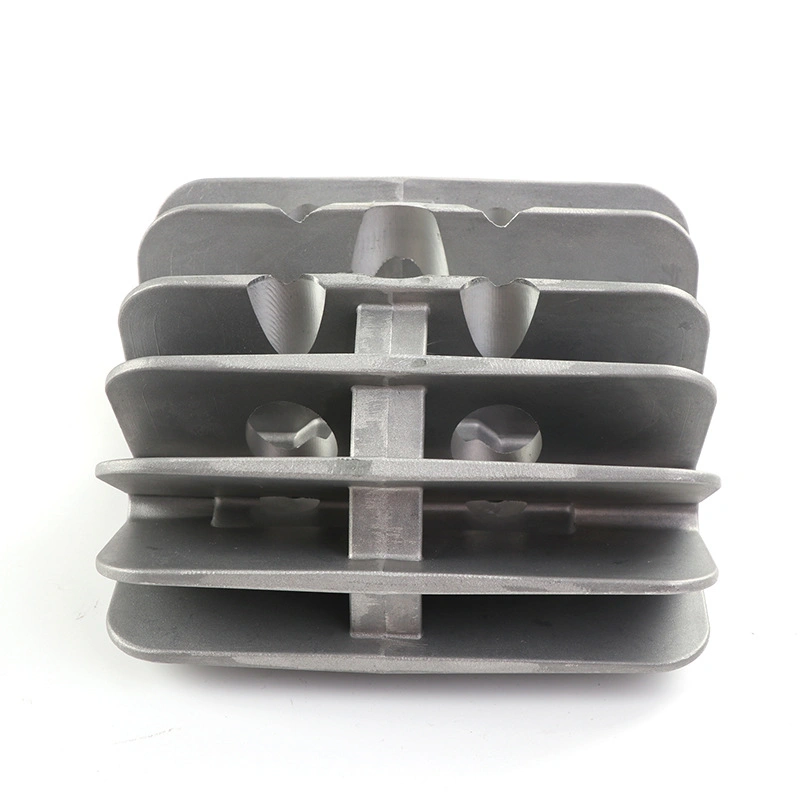
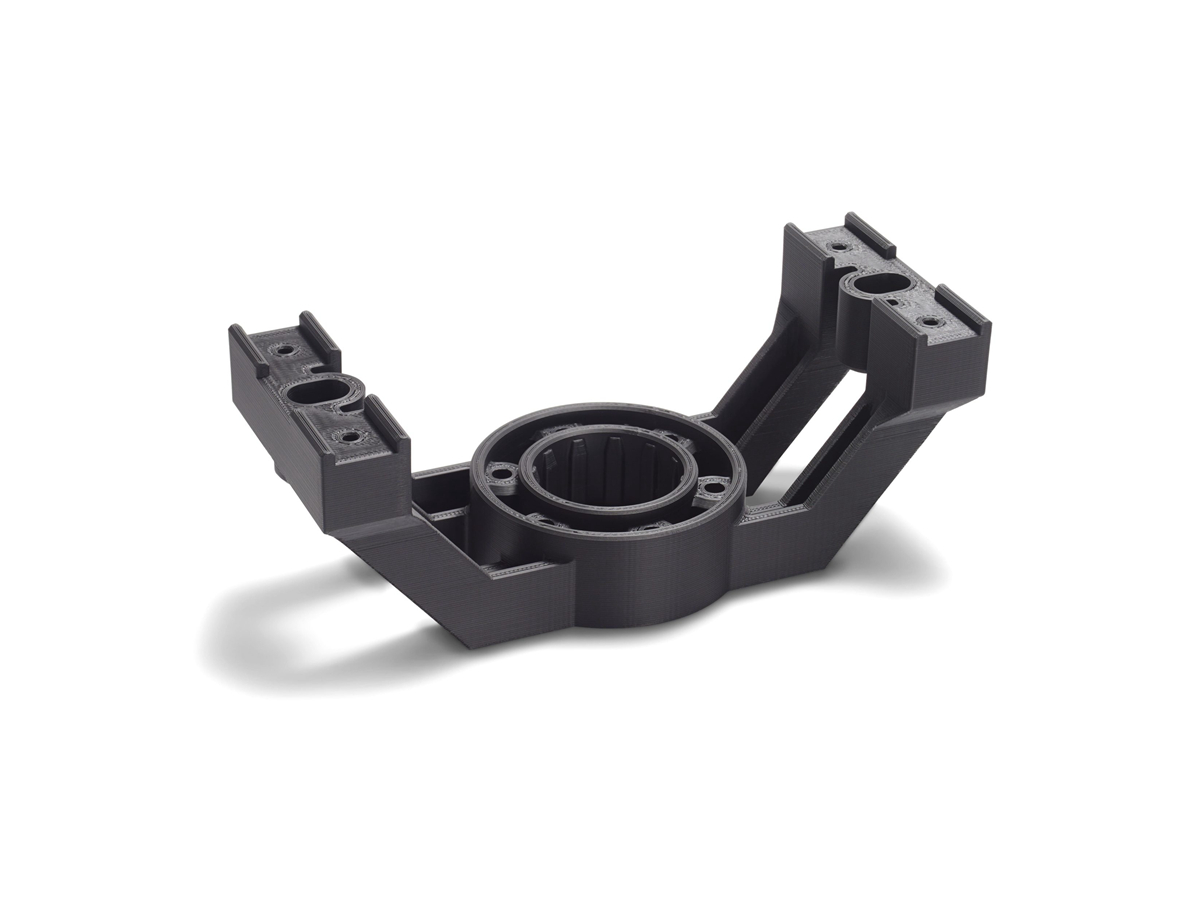
What Are The Manufacturing Methods For Custom Thermoplastic Parts?
This article explains manufacturing methods for custom thermoplastic parts, including plastic injection molding, rapid molding, overmolding, insert molding, CNC plastic machining, 3D printing, vacuum forming, and thermoforming. The practical RFQ problem is deciding which process fits the thermoplastic material, part geometry, wall thickness, tolerance target, surface finish, prototype stage, tooling budget, production volume, insert or soft-touch requirement, and inspection evidence before asking suppliers to quote.
The short answer is that injection molding is usually the strongest route for repeatable production plastic parts, rapid molding is useful for bridge production or prototype tooling, CNC machining and 3D printing are useful for prototypes or low-volume validation, and overmolding or insert molding should be selected when the design needs multiple materials or embedded hardware. Buyers should define the finished part requirement before choosing a process.
Neway supports related plastic injection molding, rapid molding prototyping, overmolding, insert molding, and CNC machining prototyping evaluations for custom thermoplastic parts.
Custom Thermoplastic Parts Manufacturing Method RFQ Decision
The first buyer question is whether the thermoplastic part is a prototype, a bridge-production sample, or a production component. The answer affects tooling, material, tolerance, surface finish, and inspection. A 3D printed model, a CNC-machined plastic prototype, a rapid mold sample, and a production injection molded part provide different evidence.
The manufacturing reason is that thermoplastics melt, flow, cool, shrink, and respond to stress differently by grade. ABS, PC, nylon PA, POM, PP, PBT, PMMA, PPS, PEEK, PEI, TPU, and other thermoplastics require different processing windows and design rules. The same CAD model may need different draft, ribs, bosses, snap fits, inserts, and surface finish depending on the chosen process.
Buyer Requirement | Process Route to Review | RFQ Information Needed |
|---|---|---|
Production plastic part with repeatable geometry | Plastic injection molding | Material grade, annual volume, wall thickness, cosmetic surfaces, and inspection criteria |
Prototype or bridge-production plastic part | Rapid molding, CNC plastic machining, or 3D printing | Prototype purpose, quantity, material substitute, test plan, and revision stage |
Soft-touch, grip, seal, or multi-material part | Overmolding | Substrate material, overmold material, bonding requirement, and interface design |
Plastic part with metal inserts or hardware | Insert molding | Insert material, insert geometry, pull-out requirement, location tolerance, and assembly load |
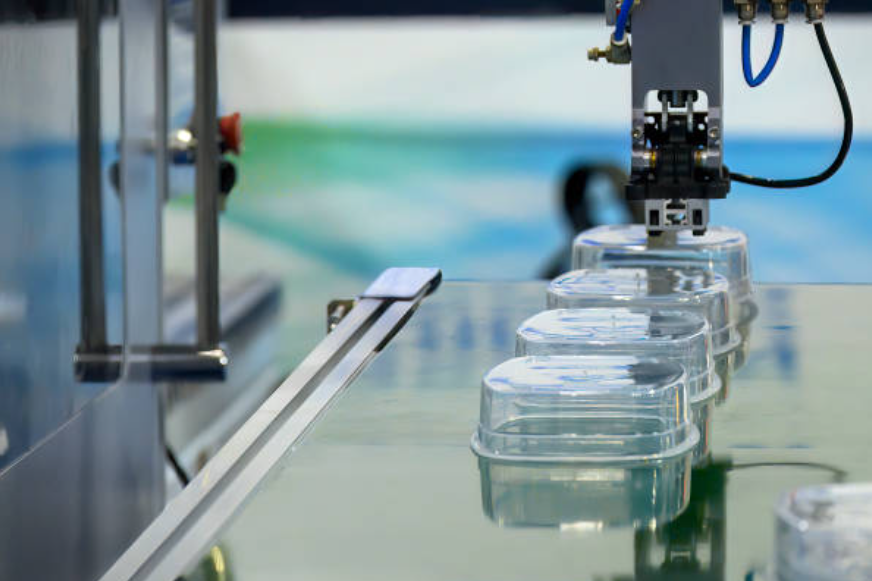
Injection Molding and Rapid Molding for Production Plastic Parts
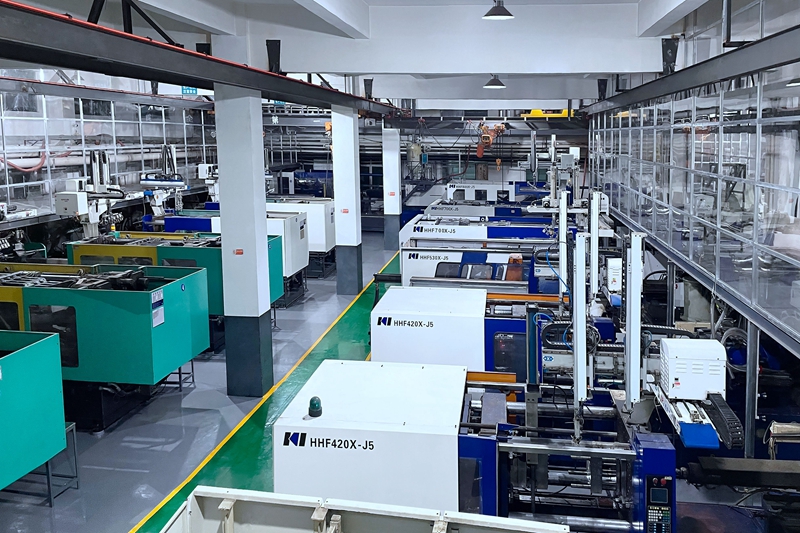
Injection molding is suitable when the part design is stable and the production volume can justify tooling. The process can form housings, covers, clips, brackets, connectors, enclosures, trays, and many other thermoplastic components from a wide range of plastic grades.
Rapid molding is useful when the buyer needs molded parts before full production tooling, or when bridge production is needed while the design is still being validated. Rapid molding can help test mold filling, shrinkage, surface finish, insert placement, and assembly fit more realistically than a purely machined or printed sample.
The RFQ implication is that buyers should provide material grade, target quantity, wall sections, draft, parting line preferences, gate-sensitive surfaces, color, texture, and critical dimensions. For process background, see what plastic injection molding service includes.
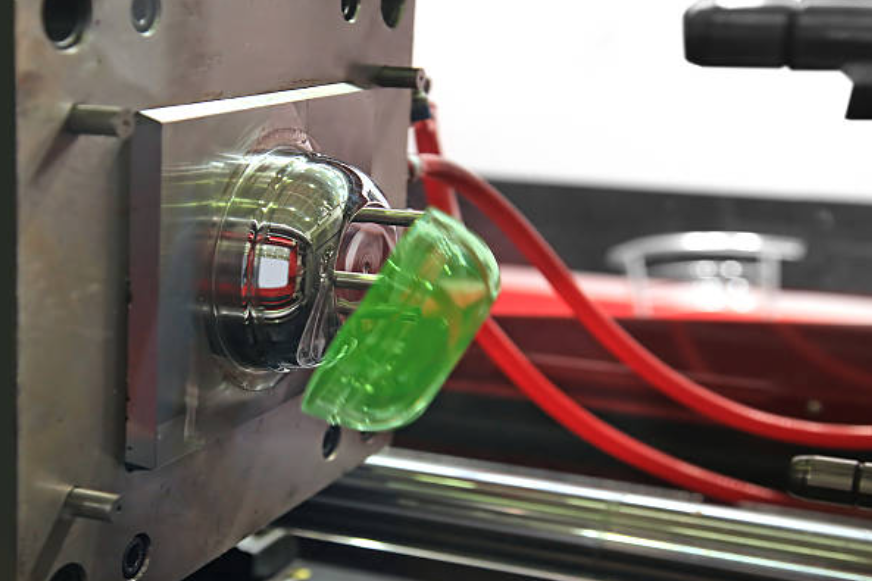
Overmolding and Insert Molding for Multi-Material Thermoplastic Parts
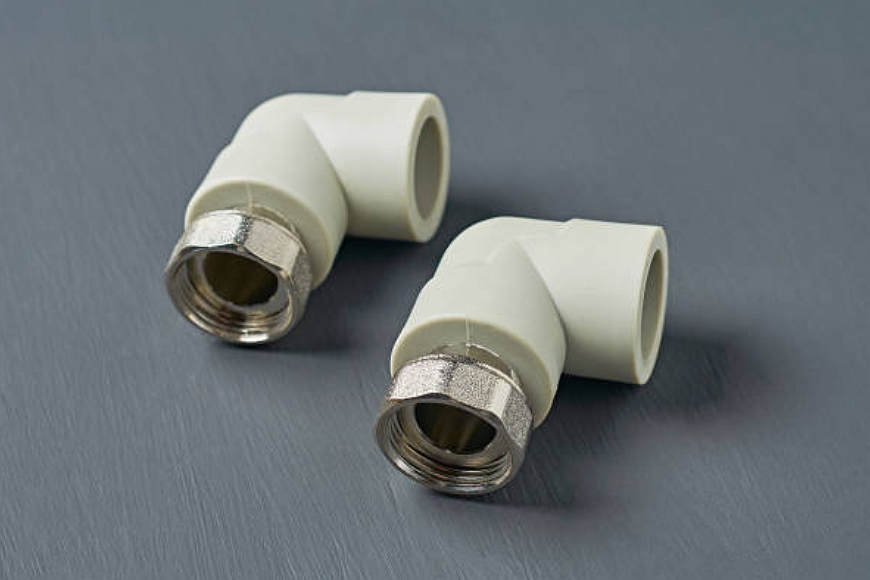
Overmolding should be reviewed when the part needs a soft grip, seal, impact surface, vibration damping, color contrast, or multi-material interface. The buyer should define the substrate resin, overmold resin, bond requirement, surface texture, and where the second material is allowed to flash.
Insert molding should be reviewed when the part needs metal inserts, threaded bushings, pins, contacts, shafts, magnets, or other hardware molded into plastic. Insert location, plastic flow around the insert, thermal expansion, pull-out force, and inspection method should be defined before tooling.
The RFQ implication is that multi-material and insert designs need more than a plastic material callout. The supplier needs the insert drawing, overmold interface, bonding requirement, assembly load, and functional test plan.
CNC Machining, 3D Printing, Vacuum Forming, and Thermoforming for Prototypes or Low Volume
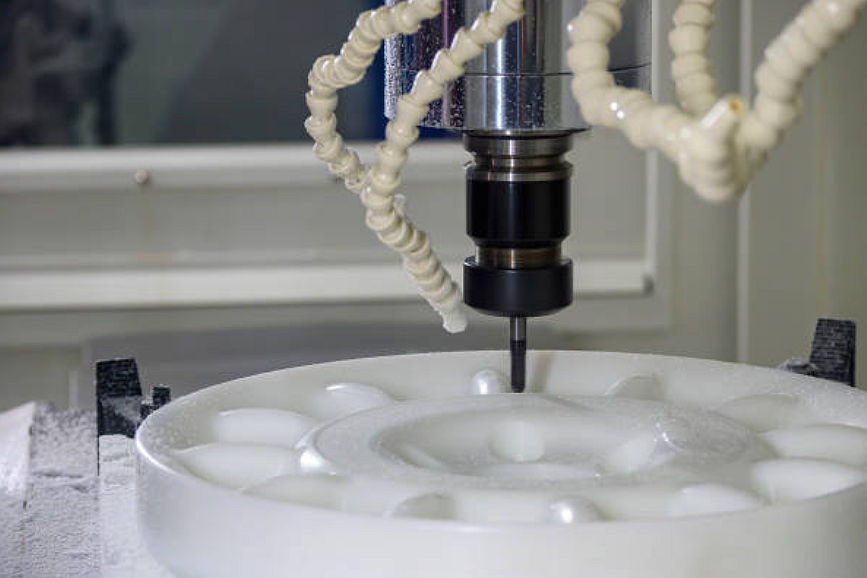
CNC machining can be useful for low-volume thermoplastic parts or functional prototypes made from sheet, rod, or block stock. CNC plastic machining can validate dimensions and assembly without injection mold tooling, but machined surfaces and material stress may differ from molded parts.
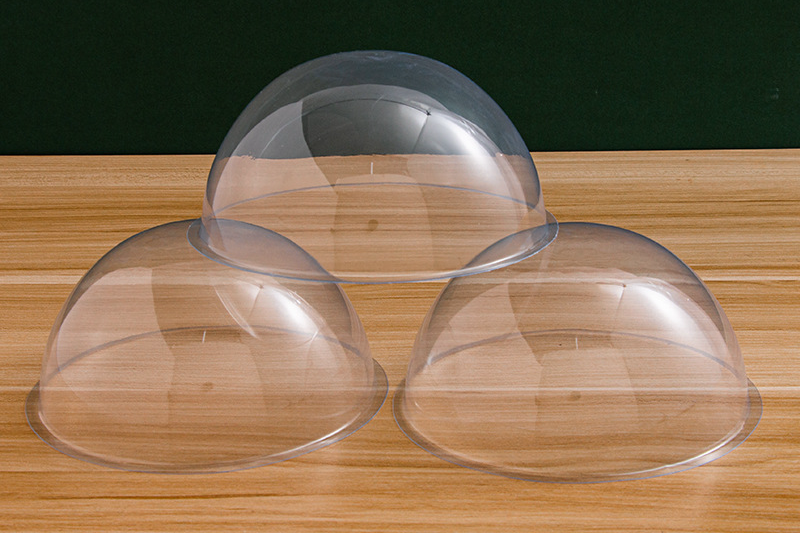
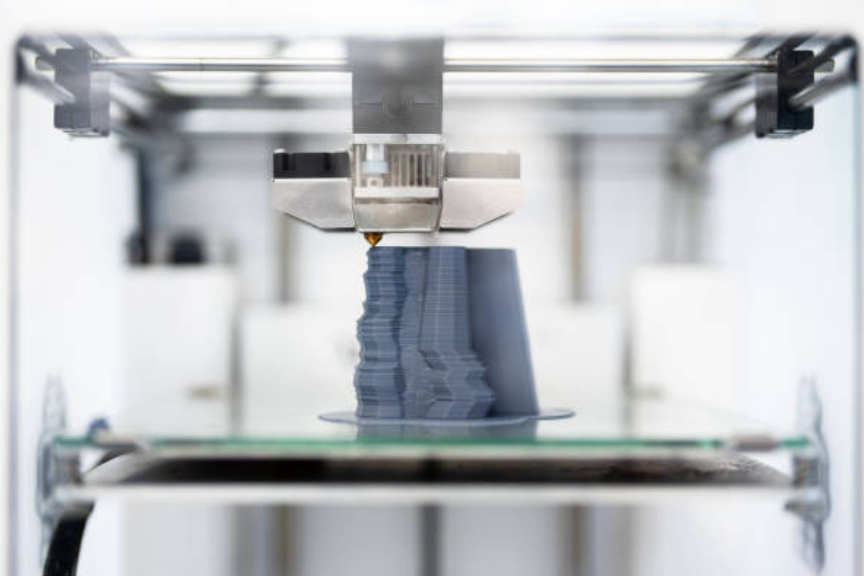
3D printing can help with early geometry validation, fit checks, and complex shapes. The buyer should state whether the 3D printed part must be functional, cosmetic, or only a geometry model. Vacuum forming and thermoforming can be useful for larger thin-walled shells, trays, covers, and packaging-style parts when sheet forming matches the requirement.
Thermoplastic Material Selection for Manufacturing Method Choice
Material choice affects every manufacturing method. ABS may be reviewed for general housings. PC may be reviewed for impact resistance and clarity requirements. Nylon PA may be reviewed for wear or mechanical parts. POM may be reviewed for low-friction components. PP and PE may be reviewed for chemical resistance and flexible designs. PEEK, PPS, PEI, and LCP may be reviewed when higher temperature or engineering performance is needed.
The RFQ implication is that buyers should list the operating environment, temperature exposure, chemical exposure, UV exposure, load, wear surface, color, texture, flame rating requirement if applicable, and whether recycled or filled resin is acceptable. The supplier can then evaluate injection molding, CNC machining, 3D printing, rapid molding, or forming with the right material constraints.
Material Question | Why It Matters | Manufacturing Impact |
|---|---|---|
Is the grade fixed? | Some materials mold, machine, print, or thermoform better than others | Controls process route, shrinkage, tool design, and testing |
Is the part structural or cosmetic? | Load and appearance drive material, surface finish, and inspection | Changes resin selection, wall thickness, texture, and defect criteria |
Will the part contact heat, chemicals, or UV? | Environment can eliminate lower-performance plastics | Requires grade review and sometimes functional testing |
Does the part include inserts or soft material? | Insert molding and overmolding need interface compatibility | Requires bond review, insert drawing, and pull-out or adhesion tests |
Cost, Tooling, Tolerance, Surface, and Inspection Factors
Process cost should include tooling, unit price, material, secondary operations, finishing, inspection, and packaging. Injection molding may have higher tooling cost but lower unit cost at suitable volume. CNC machining and 3D printing can reduce tooling cost for prototypes but may cost more per part. Rapid molding sits between prototype and production tooling.
Tolerance and surface finish should be tied to function. A snap fit, sealing surface, cosmetic face, threaded insert, and hinge feature each need different inspection evidence. Common checks can include dimensional reports, visual criteria, color and texture review, insert pull checks, assembly fit, warpage checks, and functional tests.
RFQ Checklist for Custom Thermoplastic Parts
A useful RFQ should let the supplier compare injection molding, rapid molding, CNC machining, 3D printing, vacuum forming, overmolding, and insert molding against the same finished-part requirement.
RFQ Item | Why It Matters | Recommended Buyer Input |
|---|---|---|
Part files | Geometry drives process selection and tooling risk | STEP file, 2D drawing, revision, units, and marked CTQ dimensions |
Material requirement | Thermoplastic grade controls flow, shrinkage, machining, printing, and forming | Required resin, allowed alternatives, color, filler, operating environment, and test requirement |
Production stage | Prototype, bridge, and production runs need different methods | Prototype quantity, annual demand, ramp plan, validation purpose, and revision risk |
Critical features | Functional areas may need special tooling or secondary operations | Snap fits, ribs, bosses, inserts, threads, seals, cosmetic faces, and assembly interfaces |
Surface finish | Texture, color, polish, coating, and visible defects affect tooling and inspection | Texture, color standard, visible side, gloss, roughness, and cosmetic acceptance criteria |
Inspection evidence | Acceptance should match the part function and process route | Dimensional report, visual criteria, material confirmation, insert test, fit check, or functional test |
Related FAQs