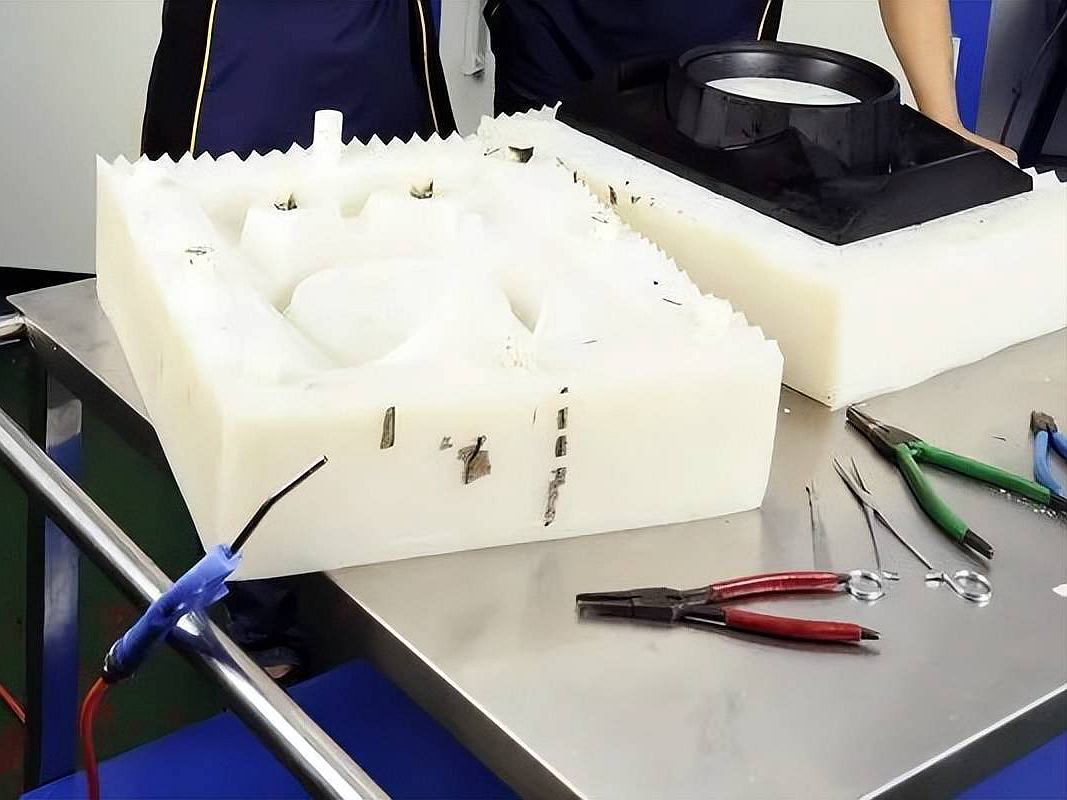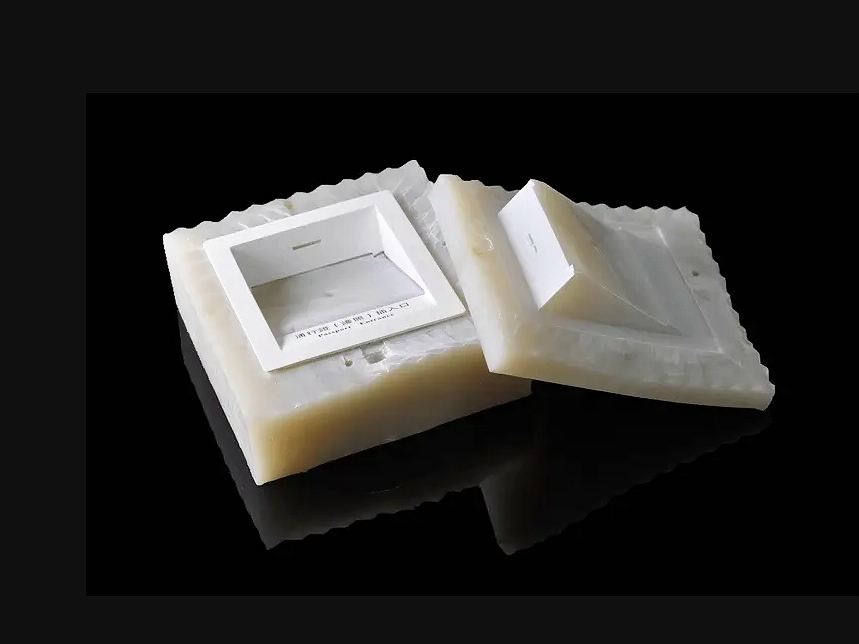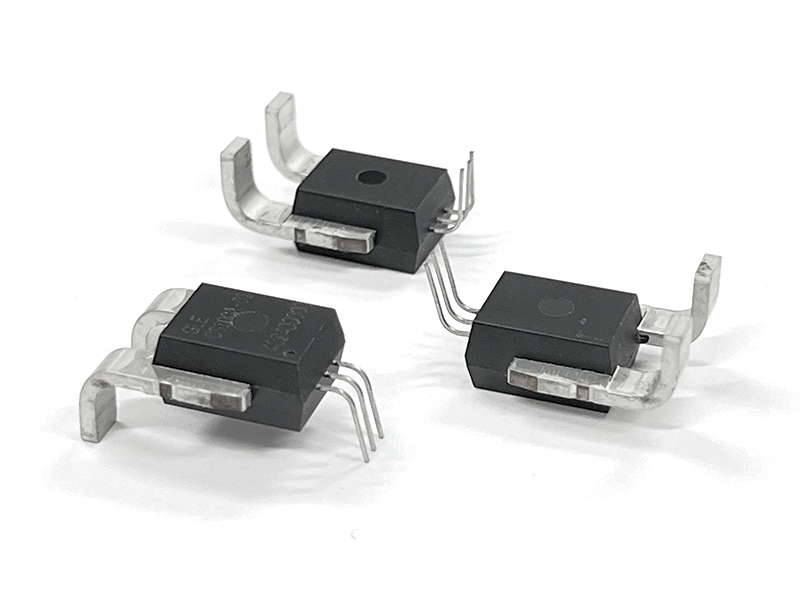
Cost Savings: Maximizing Efficiency with Economic Rapid Molding Techniques
Rapid Molding Cost Efficiency RFQ Decision: This article explains how buyers can evaluate rapid molding prototyping for cost-efficient plastic housings, covers, clips, brackets, knobs, connectors, enclosures, and molded functional samples. The practical RFQ problem is defining resin, tool scope, part geometry, quantity range, inspection records, surface finish, and expected design changes so the supplier can quote the right level of rapid tooling effort.
Rapid molding can reduce avoidable cost when a project needs molded parts without immediately committing to a full production mold. Cost efficiency depends on the maturity of the part design, the selected resin, mold complexity, sample quantity, tolerance priorities, surface requirements, and validation plan. Buyers should compare total project cost, not only the first mold or first sample price.
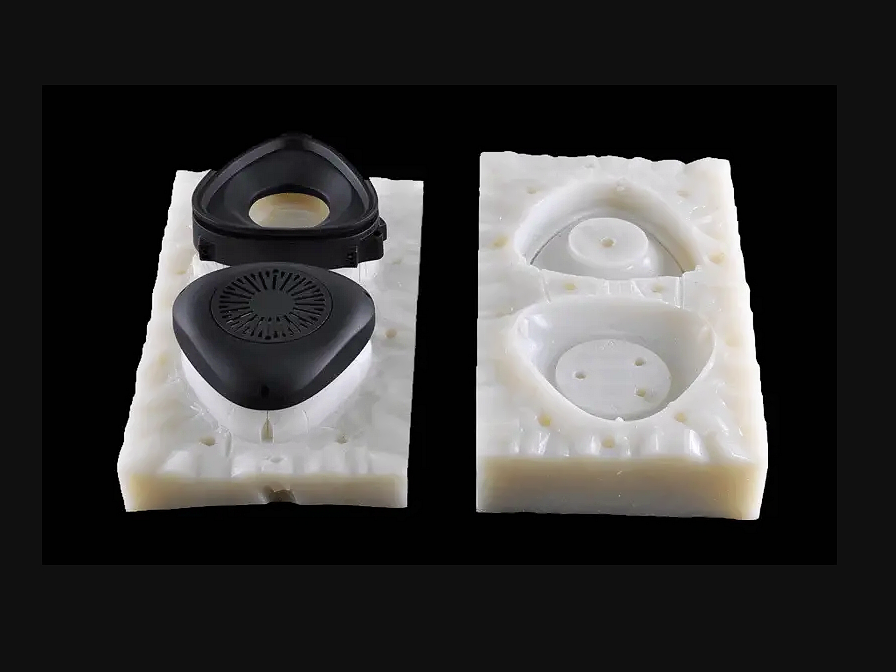
When Does Rapid Molding Improve Cost Efficiency?
Rapid molding improves cost efficiency when the buyer needs molded part behavior, short-run samples, design validation, customer review, or bridge production before a full production tool is justified. The process can help buyers avoid premature tooling investment while still testing molded resin flow, gate location, parting line, clip behavior, and assembly fit.
The cost decision should be connected to the product stage. Early concept parts may be better served by 3D printing. Machined plastic prototypes may be useful for selected datum features. Rapid molding becomes more relevant when the buyer needs actual molded material behavior or when several molded samples are needed for validation.
Buyers should state the expected use of the tool. A rapid tool for engineering samples can be different from a bridge-production tool. A quote is easier to compare when the buyer defines whether the goal is design learning, function validation, customer samples, or pre-production review.
Which Cost Drivers Should A Rapid Molding RFQ Separate?
A rapid molding RFQ should separate tool cost, resin cost, sample quantity, design-change cost, inspection cost, finishing cost, and secondary operation cost. If all of these items are bundled without explanation, the buyer may not know which requirement is driving the quote.
Tooling cost is affected by cavity layout, parting line, gate, ejector strategy, inserts, slides, lifters, surface finish, and expected tool use. Part cost is affected by resin, cycle behavior, secondary trimming, inspection, packaging, and scrap risk. The RFQ should make these entities visible before supplier comparison.
Rapid Molding Cost Entity | Cost Efficiency Impact | RFQ Detail Needed |
|---|---|---|
Rapid tool scope | Controls mold design effort and expected tool durability | Prototype, validation, bridge, or production-intent purpose |
Resin selection | Affects shrinkage, processing, surface quality, and material availability | Approved grade, substitute rules, color, and property requirements |
Part geometry | Affects draft, ejection, undercuts, wall thickness, and tool complexity | 3D model, drawing, cosmetic faces, and flexible design features |
Inspection scope | Affects sample approval effort and validation confidence | Critical dimensions, records, and buyer-side test requirements |
How Does Mold Design Optimization Affect Cost?
Mold design optimization affects cost because parting line, gate location, ejection, draft, wall thickness, ribs, bosses, clips, undercuts, and inserts all influence tool complexity. A design with clear draft, consistent wall thickness, and accessible features is usually easier to tool than a design with hidden undercuts, thick sections, or unclear cosmetic surfaces.
Buyers should identify functional surfaces and cosmetic surfaces before quotation. A cosmetic exterior face may need a different gate, polish, or texture plan than a hidden internal rib. A clip or snap-fit feature may need careful review for molded behavior. A threaded insert may require secondary operation planning.
Cost-efficient rapid molding does not mean removing every important feature. It means protecting functional features while avoiding avoidable tool complexity on surfaces or features that do not affect the product requirement.
How Do Materials And Resins Change Rapid Molding Economics?
Materials and resins change rapid molding economics because each resin has different shrinkage, flow, stiffness, impact behavior, heat resistance, surface appearance, and availability. ABS, PC, POM, PP, and other engineering plastics can each drive different mold and validation decisions.
The RFQ should state the resin grade if it is fixed. If a substitute is allowed, the buyer should state which properties must be protected. For example, a housing may prioritize appearance and impact behavior. A gear or sliding feature may prioritize wear and dimensional stability. A transparent cover may prioritize clarity and surface handling.
Useful material references include ABS rapid molding, PC rapid molding, POM rapid molding, and PP rapid molding.
How Should Buyers Prioritize Tolerances And Inspection?
Buyers should prioritize tolerances by molded part function. Critical dimensions, mating holes, snap features, sealing areas, insert locations, datum surfaces, and assembly interfaces may need defined inspection. General surfaces should not carry unnecessary requirements if they do not affect fit or function.
Inspection may include visual review, dimensional inspection, first article inspection, material confirmation, color review, surface finish review, assembly fit check, or buyer-defined functional testing. The RFQ should state which records are required and which validation steps happen after molded samples are delivered.
Overextended inspection can raise cost and slow approval. Underdefined inspection can create disagreement after samples arrive. A cost-efficient RFQ separates functional inspection from general acceptance review.
When Should Buyers Compare Rapid Molding With Other Processes?
Buyers should compare rapid molding with other processes when the design stage, part quantity, material requirement, or geometry makes another route more suitable. 3D printing may be better for early geometry review. CNC machining may be better for machined plastic features or tight datum surfaces. Injection molding may be more appropriate when the design is stable and the production plan supports full tooling.
Rapid molding fits between early prototype methods and full production molding. It can provide molded samples and bridge production, but the tool scope should match the project. A rapid tool designed for validation should not be assumed to replace a full production tool without supplier review.
For broader route context, buyers can review rapid molding for prototyping and production planning.
Which Cost Risks Should Be Resolved Before Rapid Tooling?
Cost risks should be resolved before rapid tooling because late changes can make a cost-efficient route more expensive. Common risks include late resin selection, missing draft, unclear parting line expectations, hidden undercuts, unapproved texture, excessive tolerance coverage, undefined inspection records, and uncertain sample quantity.
Buyers should ask for design-for-manufacturing feedback when the part has flexible features. A small radius change, draft adjustment, wall-thickness change, or gate-location review may reduce tool complexity while keeping product function. If a feature is fixed, the buyer should state why it is fixed so the supplier can protect it in the tool plan.
Rapid Molding Cost Risk | Potential Cost Effect | Buyer RFQ Action |
|---|---|---|
Unclear resin requirement | May require process changes or repeated sampling | State approved resin, color, and substitute rules |
Undercut without strategy | May add slides, lifters, inserts, or design changes | Mark undercuts and identify flexible geometry if possible |
Unmarked cosmetic surface | May cause gate, ejector, texture, or polish disagreement | Identify visible faces and acceptable mark locations |
Unclear validation plan | May delay approval after samples are molded | Define inspection records, test plan, and buyer acceptance criteria |
What Should A Cost-Efficient Rapid Molding RFQ Include?
A cost-efficient rapid molding RFQ should include the 3D model, 2D drawing, resin grade, color, sample quantity, production stage, tool purpose, revision status, critical dimensions, cosmetic surfaces, surface texture, gate or parting-line concerns, insert requirements, inspection records, secondary operations, packaging needs, and expected design-change process.
Buyers should state which cost they are trying to control: early tool cost, sample cost, design-change cost, bridge-production cost, inspection cost, or transition risk. That distinction helps the supplier recommend a rapid molding route that matches the project rather than overbuilding or underbuilding the tool.
Rapid molding cost efficiency improves when tool scope, resin behavior, part geometry, inspection requirements, and project stage are aligned before quotation. A clear RFQ helps buyers compare suppliers on the same manufacturing assumptions.
Related FAQs
What are the cost benefits of rapid molding compared to traditional methods?
What is rapid molding and how does it differ from traditional molding processes?
What are the benefits of rapid molding service for product development?
What design features should be avoided in rapid injection molding?
What are the typical tolerances achievable in rapid injection molding?