What are the cost benefits of rapid molding compared to traditional methods?
Rapid molding can reduce total development cost compared with traditional molding when the buyer needs prototypes, pilot builds, bridge production, design iteration, or low-to-mid volume molded plastic parts before committing to long-term production tooling. This FAQ helps buyers compare rapid molding and traditional injection molding for housings, covers, clips, brackets, connectors, enclosures, and functional plastic parts in an RFQ.
What are the cost benefits of rapid molding compared to traditional methods?
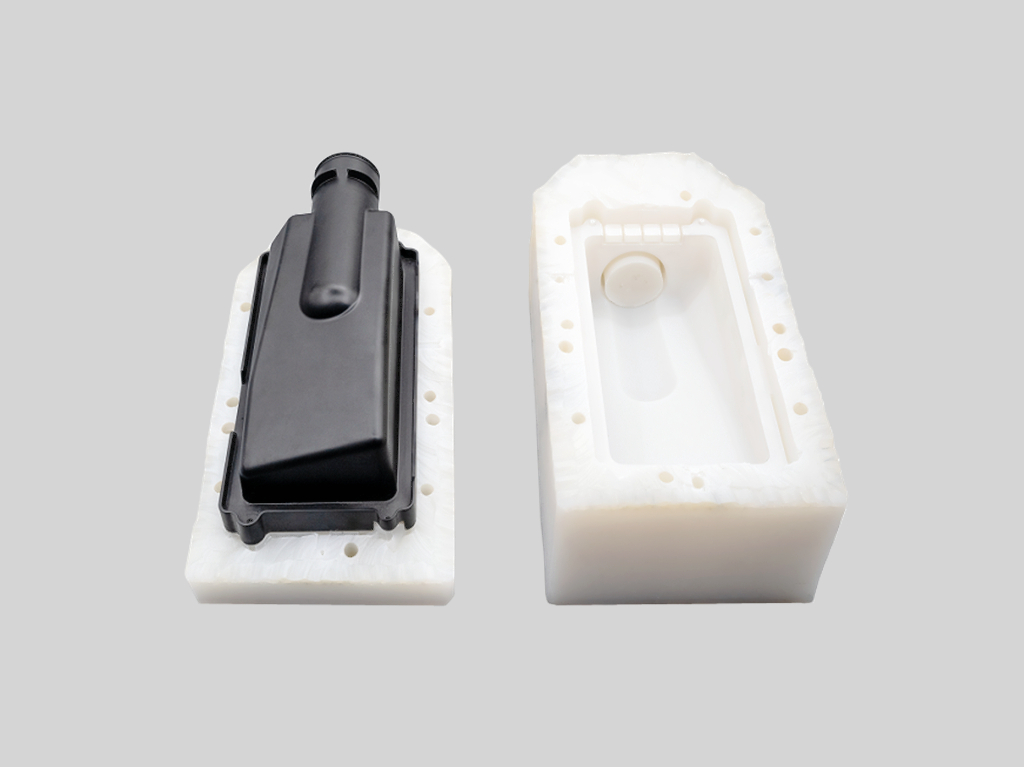
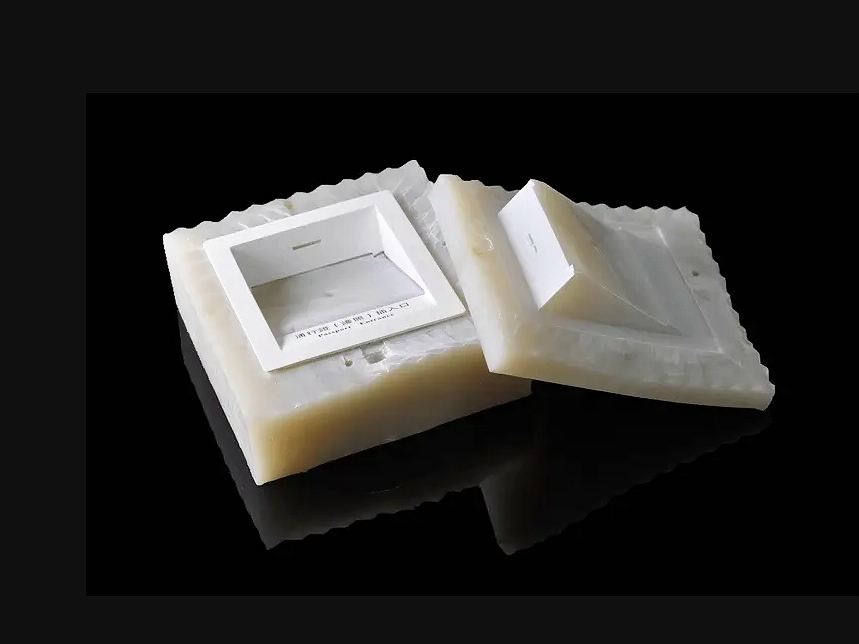
Rapid molding prototyping can lower early-stage cost by using a tooling route matched to validation, short-run demand, or bridge production. The cost benefit comes from avoiding premature investment in full production tooling when the product design, demand, resin choice, or cosmetic standard is still being confirmed.
The best comparison is total project cost, not only mold price. Buyers should include DFM review, tool design, material trials, first article inspection, design changes, part quantity, finishing, packaging, and the future transition to production tooling.
Cost factor | Rapid molding benefit | Traditional molding consideration | RFQ detail to provide |
|---|---|---|---|
Upfront tooling | Tooling can be scoped for prototype, pilot, or bridge production needs | Production tooling is usually designed for long-term durability and optimized output | First-run quantity, annual forecast, and design maturity |
Design changes | Rapid tooling can help validate geometry before full production mold investment | Late changes to production tooling can be expensive and disruptive | Revision status, likely changes, and approval process |
Market or assembly validation | Molded samples can be tested before long-term demand is confirmed | Traditional tooling may be inefficient if demand is uncertain | Prototype purpose, validation plan, and acceptance criteria |
Material and surface testing | Rapid molding can test resin behavior, texture, fit, and function in molded form | Production tooling should use confirmed resin and cosmetic requirements | Target resin, color, texture, surface finish, and critical dimensions |
Bridge production | Early molded parts can support launches while production tooling is reviewed | Production tooling may be better after demand stabilizes | Launch timing, bridge quantity, production forecast, and transition plan |
Inspection and quality risk | Early molded parts can reveal sink, warpage, flash, fit, and material issues | Traditional tooling benefits from lessons learned before final mold build | Inspection method, functional surfaces, and quality standards |
How does rapid molding reduce upfront tooling risk?
Rapid molding reduces upfront tooling risk by letting the buyer mold functional parts before committing to full production tooling. This is useful when the part design, customer demand, assembly fit, surface finish, or resin choice still needs validation.
The buyer should still treat rapid tooling as real tooling. Draft, wall thickness, ribs, gates, ejection, texture, and material flow must be reviewed because poor molding design can increase cost even in a rapid mold.
How do design changes affect rapid molding cost benefits?
Design changes are one of the main reasons buyers choose rapid molding. If a molded part needs revised ribs, bosses, snap fits, wall thickness, gate position, or assembly details, learning from a rapid mold can reduce the risk of costly changes to production tooling.
Buyers should identify which features are still under review. If the design is already frozen and the forecast is high, production tooling may become the better long-term investment.
When does rapid molding help with bridge production cost?
Rapid molding helps with bridge production when the buyer needs molded parts before long-term production tooling is available or justified. It can support customer samples, pilot builds, assembly trials, product launches, and early demand while the buyer confirms volume.
The RFQ should define bridge quantity, future forecast, required material, surface finish, and inspection needs. Bridge production should be planned as a stage, not as an accidental replacement for production tooling.
How do materials and finishing affect rapid molding cost?
Materials affect cost through resin availability, drying, flow, shrinkage, tool wear, color, texture, and documentation. Common resins may be easier to source and trial, while reinforced, flame-retardant, high-temperature, or color-matched materials may add cost and review time.
Finishing can include texture, polishing, painting, pad printing, inserts, assembly, inspection, and packaging. Buyers should include these requirements in the RFQ so the cost comparison is complete.
When is traditional molding more cost-effective than rapid molding?
Traditional molding may be more cost-effective when the design is frozen, the quantity is high, the material is demanding, cycle time optimization matters, and long-term tool durability is more important than early flexibility. Production tooling can be designed for repeat output, automation, cooling, surface quality, and maintenance.
Rapid molding is strongest before that stage: when the buyer needs molded evidence to make better production-tooling decisions.
What RFQ information helps compare rapid molding cost?
A useful RFQ includes 3D model, 2D drawing, quantity, annual forecast, target resin, material alternatives, design maturity, cosmetic requirements, tolerance, texture, color, inserts, inspection method, packaging, and the expected transition to production tooling.
With those details, the supplier can compare rapid molding, traditional injection molding, CNC machining, 3D printing, or another route based on total cost and manufacturing risk. The lowest early tooling cost is not always the lowest total project cost.
Related FAQs