Material Versatility: Expanding Product Potential with Diverse Rapid Molding Options
Rapid Molding Material Selection RFQ Decision: This article explains how buyers should select materials for rapid molding prototyping of plastic housings, covers, clips, brackets, connectors, knobs, enclosures, and molded functional samples. The practical RFQ problem is matching resin grade, molded part function, surface finish, tolerance priority, inspection method, and validation plan before rapid tooling begins.
Material versatility in rapid molding is useful only when the material is tied to a real product requirement. ABS, PC, POM, PP, and other thermoplastics can support different combinations of impact strength, dimensional stability, surface appearance, wear behavior, heat exposure, and chemical resistance. If a project needs metal or ceramic injection molding, that route should be reviewed separately from plastic rapid molding because feedstock, tooling, debinding, sintering, and shrinkage control are different manufacturing issues.
How Should Buyers Select Materials For Rapid Molding?
Buyers should select rapid molding materials by part function, not only by material availability. The RFQ should identify whether the molded part must support impact, stiffness, wear, heat, chemical exposure, transparency, color, surface texture, snap-fit behavior, dimensional stability, or customer appearance review.
A cover may need cosmetic surface quality and color. A clip may need flexibility and snap-fit behavior. A gear or sliding feature may need wear resistance and dimensional stability. A transparent or optical cover may need clarity and scratch review. These requirements should be connected to the exact resin or approved resin family.
If the buyer has not selected a resin, the RFQ should explain the required properties and application environment. The supplier can then review resin candidates and molding risks instead of guessing from the part geometry alone.
Which Thermoplastic Materials Are Common In Rapid Molding?
Common rapid molding thermoplastics include ABS, PC, POM, PP, and other engineering plastics selected by function. ABS may be considered for housings and appearance prototypes. PC may be considered when impact resistance or clarity is important. POM may be considered for wear or sliding features. PP may be considered where chemical resistance, flexibility, or low density matters.
Material selection should also consider shrinkage, flow, surface finish, color, texture, and insert requirements. A resin that works well for a simple cover may not work well for a thin clip, transparent window, living hinge, or wear surface. Buyers should provide enough operating context for the supplier to review the choice.
Rapid Molding Material | Typical Buyer Need | RFQ Detail To Provide |
|---|---|---|
ABS | Housings, covers, appearance samples, and general prototypes | Color, surface finish, impact expectation, and cosmetic faces |
PC | Impact-resistant parts, transparent covers, and protective features | Clarity need, temperature exposure, finish requirement, and gate concerns |
POM | Sliding features, gears, bushings, and dimensional parts | Wear surface, mating part, tolerance priority, and inspection method |
PP | Flexible features, chemical-resistant parts, and lightweight molded parts | Flex area, chemical exposure, wall thickness, and assembly requirement |
Relevant material pages include ABS rapid molding, PC rapid molding, POM rapid molding, and PP rapid molding.
How Do Material Properties Affect Molded Part Accuracy?
Material properties affect molded part accuracy because resin shrinkage, flow behavior, stiffness, filler content, cooling rate, and moisture sensitivity influence molded dimensions. Buyers should not assume that the same mold design will produce the same result with every resin.
The RFQ should identify critical dimensions, datum surfaces, mating holes, clips, bosses, inserts, and sealing areas. If several materials are under consideration, the buyer should ask whether each resin changes tool design, gate location, wall thickness review, or inspection planning.
Accuracy expectations should be tied to function. A surface that only supports appearance may need a cosmetic standard. A surface that controls assembly may need dimensional inspection. A resin change can affect both.
When Should Metal Or Ceramic Injection Molding Be Reviewed Separately?
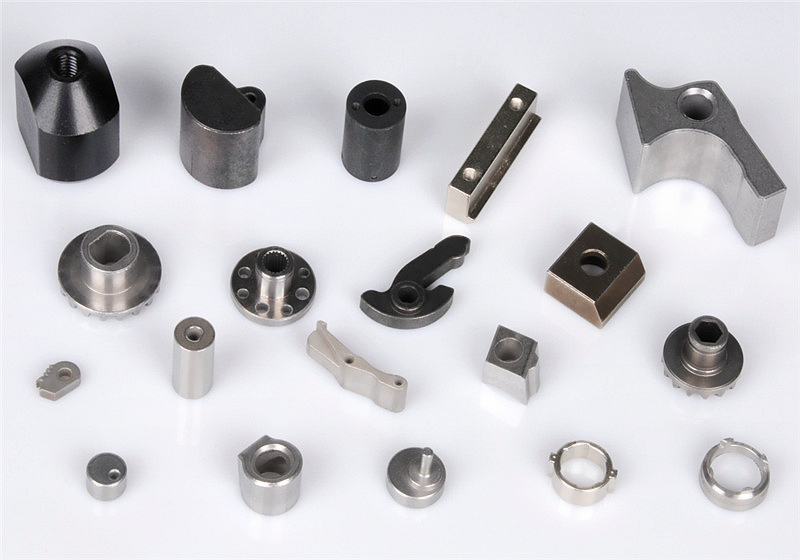
Metal injection molding and ceramic injection molding should be reviewed separately when the product requirement is driven by metal or ceramic properties rather than plastic molded behavior. These routes involve different feedstock systems, debinding, sintering, shrinkage control, and inspection compared with plastic rapid molding.
If the RFQ mentions stainless steel, ceramic, alumina, zirconia, or other non-plastic materials, the buyer should clarify whether the route is metal injection molding, ceramic injection molding, or plastic rapid molding with a different requirement. This prevents the quote from mixing unrelated process assumptions.
For plastic rapid molding, the main material conversation is usually resin selection, tool design, molded geometry, surface finish, and validation. For MIM or CIM, the conversation expands to debinding, sintering, density, shrinkage, and post-sinter inspection.
How Do Surface Finish And Color Affect Material Choice?
Surface finish and color affect material choice because molded appearance depends on resin, mold finish, texture, gate location, flow marks, weld lines, and colorant behavior. A resin selected for strength may not produce the desired cosmetic appearance without additional review.
Buyers should mark cosmetic faces, texture requirements, color requirements, visible gate limitations, and acceptable parting-line locations. If the part is a customer-facing cover or enclosure, surface finish should be discussed before tool design. If the part is internal, functional surfaces and dimensional stability may matter more than exterior texture.
Color matching and texture expectations should be handled as acceptance criteria, not as informal notes. The supplier needs to know which surfaces are visible and how the buyer will judge the molded samples.
Which Design Features Interact With Material Selection?
Design features interact with material selection because wall thickness, ribs, bosses, snap fits, hinges, undercuts, threads, inserts, and living hinges behave differently in different resins. A stiff material may need design changes around snap features. A flexible material may need review around dimensional stability. A transparent material may need careful gate and polish planning.
Buyers should allow design-for-manufacturing review when material and geometry are not finalized. The supplier may suggest wall-thickness adjustment, draft change, gate relocation, rib modification, boss support, or insert strategy. These changes can improve molded part behavior without changing the product function.
Material-Design Interaction | Manufacturing Risk | Buyer RFQ Action |
|---|---|---|
Snap fit with stiff resin | Cracking, high assembly force, or limited flex | State snap function, material requirement, and test method |
Thick wall with cosmetic resin | Sink, flow marks, and uneven cooling | Share section views and mark visible surfaces |
Sliding feature with wear resin | Dimensional control and mating surface uncertainty | Identify mating part, wear surface, and inspection requirement |
Transparent cover | Gate mark, flow line, scratch, and clarity concerns | Define optical area, acceptable marks, and packaging needs |
How Should Buyers Compare Material Options In RFQ?
Buyers should compare material options using clear engineering criteria: required property, molded feature risk, surface finish, color, tolerance, validation test, and supply availability. If several materials are acceptable, the RFQ should list them as approved options and explain the selection criteria.
The buyer should avoid asking for a general "best material" without context. The best material for appearance may not be the best material for wear. The best material for flexibility may not be the best material for dimensional stability. The RFQ should define the product decision the material must support.
For broader rapid molding route context, buyers can review precision in molded rapid molding parts and rapid molding cost efficiency.
What Should A Rapid Molding Material RFQ Include?
A rapid molding material RFQ should include the 3D model, 2D drawing, resin grade or approved resin list, color, texture, sample quantity, production stage, tool purpose, critical dimensions, cosmetic surfaces, functional surfaces, insert requirements, inspection records, validation tests, packaging needs, and expected design-change process.
The RFQ should also state why the material matters. If the part needs impact resistance, heat exposure, transparency, chemical resistance, wear behavior, flexibility, or dimensional stability, that reason should be visible. The supplier can then review resin, mold design, and inspection around the correct buyer requirement.
Rapid molding material versatility creates value when material selection is connected to molded part function, tool design, and validation criteria. A clear RFQ helps the supplier quote a practical material route instead of treating material as an afterthought.
Related FAQs
What materials are commonly used in rapid molding processes?
What is rapid molding and how does it differ from traditional molding processes?
What are the benefits of rapid molding service for product development?
What design features should be avoided in rapid injection molding?
What are the typical tolerances achievable in rapid injection molding?