Metal Mastery: Leveraging Material Versatility in Sand Casting for Superior Performance
Sand Casting Material Selection RFQ Decision explains how alloy choice affects sand-cast housings, pump bodies, valve bodies, brackets, machine bases, impellers, and structural metal parts. The buyer decision is which metal should be used in the sand casting process to meet strength, corrosion, weight, wear, heat, machining, and cost requirements. The practical RFQ problem is that material performance depends on alloy grade, sand mold design, core design, wall thickness, heat treatment, defect control, machining allowance, and inspection criteria.
Which Metals Can Be Used in Sand Casting?
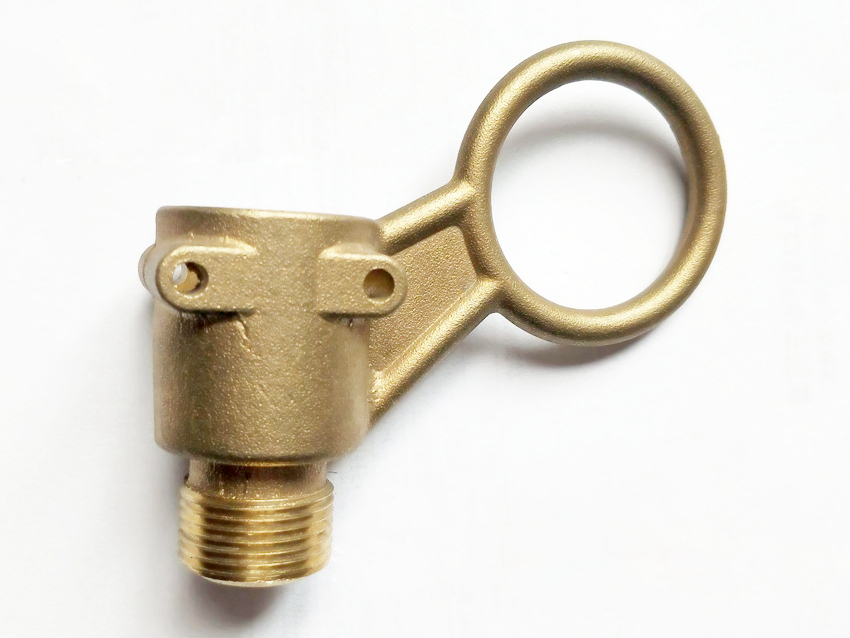
Sand casting can be reviewed for multiple metal families, including aluminum alloys, cast iron, stainless steel, carbon steel, and copper alloys. The right choice depends on the part function and the finished-part requirements.
Material versatility does not mean every alloy is suitable for every geometry. A pump housing, machine base, heat-resistant bracket, and corrosion-resistant cover may require different alloy and process decisions. The RFQ should state whether the priority is weight reduction, wear resistance, corrosion resistance, strength, damping, machinability, or cost control.
Buyers should provide the specified grade if the drawing already controls material. If the grade is open, the buyer should describe the application environment, load condition, operating temperature, surface finish, and inspection requirements.
How Should Buyers Compare Sand Casting Materials?
Buyers should compare sand casting materials by function, casting behavior, post-processing needs, and total finished-part cost. Material selection changes the mold process, pouring temperature, shrinkage behavior, machining strategy, and quality control plan.
Sand Casting Material | Common Buyer Reason to Review | RFQ Information Needed |
|---|---|---|
Weight control, corrosion review, and machinable cast components | Alloy, heat treatment, surface finish, and assembly requirement | |
Wear resistance, damping, machine base stability, or heavy castings | Grade, hardness, machining surfaces, and load condition | |
Corrosion resistance, heat exposure, or cleanable surfaces | Grade, corrosion environment, passivation or finish need, and inspection level | |
Conductivity, wear behavior, marine exposure, or decorative requirements | Alloy, contact surface, corrosion exposure, and machining requirement |
How Does Material Selection Affect Casting Performance?
Material selection affects casting performance through fluidity, shrinkage, hot tearing risk, porosity tendency, solidification behavior, heat treatment response, and machinability. The same sand mold design may not work equally well for every alloy.
Aluminum alloys can support lightweight parts but may need careful feeding and porosity review. Cast iron may support heavy sections and damping but requires grade and machining review. Stainless steel and carbon steel may need more attention to shrinkage, heat treatment, and surface cleaning. Copper alloys may require careful control of pouring and machining conditions.
The buyer should describe the most important performance risk. If the part is pressure-retaining, defect acceptance and leak testing matter. If the part carries load, mechanical properties and heat treatment matter. If the part is cosmetic, surface condition and finishing matter.
What Material-Related Defects Should Buyers Consider?
Material-related defects can include porosity, shrinkage, inclusions, hot tears, cold shuts, gas defects, sand burn-on, and hardness variation. These defects depend on alloy behavior, mold design, core design, pouring practice, and cooling conditions.
Defect control should be tied to the function of the casting. A defect near a machined sealing surface, threaded boss, or high-load rib carries different risk from a defect on a hidden non-critical surface. The RFQ should define critical zones, inspection criteria, and any NDT or pressure test requirements.
Material-Related Issue | Sand Casting Risk | Buyer RFQ Input |
|---|---|---|
Alloy shrinkage | Porosity, sink, or dimensional variation | Wall thickness, critical surfaces, and acceptance criteria |
Heat treatment requirement | Distortion, hardness variation, or added process cost | Grade, heat treatment condition, and mechanical property requirement |
Machinability | Longer machining time or tool wear | Machined datums, holes, threads, and surface finish requirement |
Corrosion exposure | Material or coating mismatch in service | Fluid, atmosphere, temperature, and finishing requirements |
When Should Buyers Choose Sand Casting for Material Flexibility?
Sand casting is often useful when a buyer needs material flexibility for larger or lower-volume castings. The process can be reviewed for materials and part sizes that may not fit high-pressure die casting or investment casting economically.
Aluminum die casting may fit repeat production of aluminum parts with die tooling. Investment casting may fit smaller detailed parts with tighter surface requirements. Sand casting is often reviewed when alloy range, large section size, lower tooling investment, or internal core flexibility matters.
The buyer should state the reason for choosing sand casting: alloy availability, casting size, low-volume production, internal cavity, lower tooling investment, or post-casting machining plan.
How Should Buyers Specify Material and Quality Requirements?
Buyers should specify material and quality requirements on the drawing and RFQ. The supplier needs to know the alloy grade, heat treatment, mechanical property requirement, surface finish, machined surfaces, inspection method, and certification requirements.
If the part is used in automotive, energy, industrial equipment, or fluid-handling equipment, the buyer should define the operating environment and acceptance criteria. Neway can review manufacturability and quality planning, while final product validation should follow the buyer's specification.
When material selection is still open, buyers should describe the part function instead of only asking for a low-cost alloy. The correct material depends on the load, temperature, corrosion exposure, machining, and inspection needs.
What Neway Precision Reviews for Sand Casting Material Selection?
Neway Precision reviews sand casting material selection by connecting alloy grade, part geometry, sand mold design, core design, heat treatment, casting defects, machining allowance, and inspection requirements. The review focuses on whether the material can meet the buyer's performance and production needs.
A complete RFQ should include the 3D model, 2D drawing, alloy requirement, expected volume, critical surfaces, machining plan, heat treatment, surface finish, and inspection criteria. These inputs help compare sand casting with gravity casting, investment casting, aluminum die casting, fabrication, or machining.
Material versatility is useful only when the alloy is matched to the part function. Clear RFQ data helps Neway review material performance before pattern tooling and production planning.
Related FAQs