How does material selection impact the performance of sand-cast products?
Material selection affects sand-cast product performance because the alloy controls strength, toughness, wall-thickness capability, casting defect risk, machinability, corrosion behavior, thermal performance, heat-treatment options, and final inspection requirements. For buyers of custom sand-cast components, the practical RFQ problem is selecting a metal that can be cast reliably in a sand mold and still meet the part's load, wear, fluid, heat, surface finish, and machining requirements.
How Does Material Selection Change Sand-Cast Product Performance?
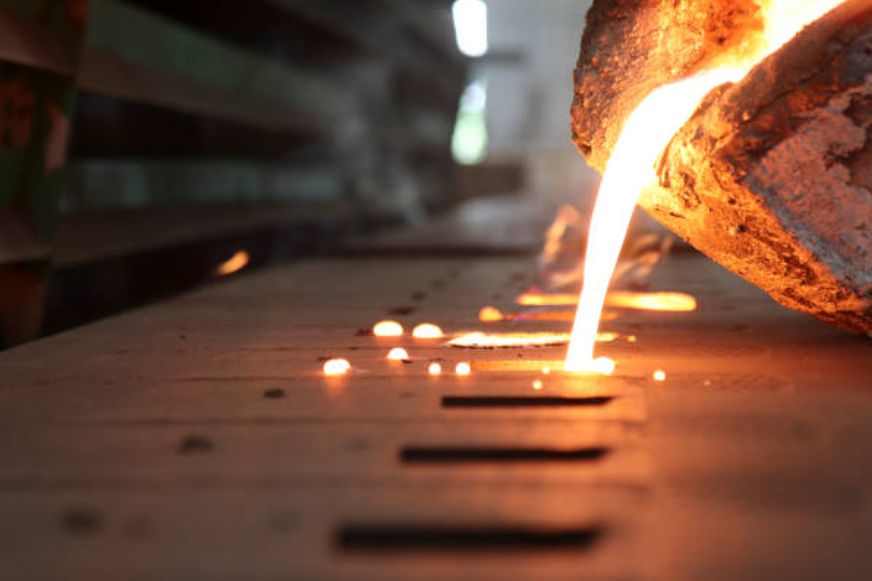
Material selection changes sand-cast performance by changing how the part behaves during pouring, solidification, cooling, cleaning, machining, finishing, and service. Aluminum, cast iron, steel, stainless steel, and copper alloy each respond differently to mold filling, shrinkage, risering, heat treatment, machining, and corrosion exposure.
A good material choice balances castability and end-use performance. A strong alloy that creates shrinkage problems may not be the best casting choice. A highly machinable alloy that lacks corrosion resistance may fail in the field. A corrosion-resistant alloy may add cost and processing burden if the application does not need it.
Performance factor | Material influence | Sand casting risk | RFQ detail buyers should provide |
|---|---|---|---|
Strength and toughness | Alloy composition, heat treatment, microstructure | Cracking, distortion, or early failure if grade is wrong | Load case, impact risk, hardness, heat treatment |
Castability and defect risk | Fluidity, shrinkage, gas behavior, section thickness | Porosity, hot tears, misruns, shrinkage cavities | Wall thickness, rib geometry, feeding areas, inspection method |
Corrosion and heat exposure | Stainless content, alloying elements, coating compatibility | Material may degrade or need extra finishing | Corrosion medium, operating temperature, surface finish |
Machinability | Hardness, graphite structure, alloy stability, cutting behavior | Tool wear, poor surface finish, difficult datum control | Machined surfaces, tolerance priorities, machining allowance |
Weight and conductivity | Density, thermal conductivity, electrical conductivity | Part may be too heavy or fail thermal/electrical needs | Weight target, thermal path, conductivity requirement |
How Do Materials Affect Strength and Toughness in Sand-Cast Parts?
Materials affect strength and toughness through alloy chemistry, section thickness, cooling rate, heat treatment, and final microstructure. Cast iron, carbon steel, stainless steel, and aluminum alloys all carry different strength and toughness expectations. The buyer should not specify strength without considering how the alloy behaves in a sand mold.
Cast iron sand casting can provide good compressive strength, vibration damping, and machinability for machinery bases, pump bodies, housings, and industrial frames. Gray iron and ductile iron are not interchangeable; ductile iron is used when toughness and impact behavior matter more than gray iron's damping characteristics.
Steel castings may be considered for load-bearing or impact-sensitive components, while aluminum may be selected for weight-sensitive parts. The RFQ should state load direction, impact risk, hardness, heat treatment, and safety factor assumptions so the supplier can evaluate the material route.
How Does Material Choice Affect Sand Casting Defects?
Material choice affects sand casting defects because each alloy has different fluidity, shrinkage, gas absorption, solidification behavior, and sensitivity to section changes. A metal that fills a thick housing may behave differently in a thin rib or long flow path. Poor material-process fit can increase misruns, cold shuts, shrinkage cavities, porosity, inclusions, or hot tearing.
Sand casting defect prevention depends on alloy selection, gating, risering, sand mold design, pouring temperature, cooling, and inspection. Buyers help by providing wall thickness, critical surfaces, pressure boundaries, and machined datums before quotation.
Material selection affects sand-cast product performance through strength, wall thickness, casting defects, machinability, corrosion exposure, heat treatment, and inspection requirements. A complete RFQ lets the supplier review the alloy and mold design together.
How Do Materials Control Corrosion and Thermal Performance?
Materials control corrosion and thermal performance by their alloy chemistry and surface condition. Cast stainless steel sand casting may be selected for corrosion resistance, cleanability, and selected heat exposure. Carbon steel may need coating or plating when exposed to moisture. Aluminum may support lower weight and moderate corrosion behavior when the alloy and finish are suitable. Copper alloy may support thermal or electrical conductivity when those properties are required.
Thermal performance is also application-specific. A heat-exposed part may require alloy stability, oxidation resistance, or heat treatment. A heat-transfer part may require thermal conductivity and surface condition. A part in corrosive fluid may need alloy compatibility, passivation, coating, or pressure testing.
Buyers should define the fluid, atmosphere, operating temperature, cleaning chemicals, exposure time, and finish requirement. Without those details, the supplier cannot know whether corrosion resistance, thermal conductivity, heat resistance, or coating compatibility is the main performance requirement.
How Does Material Selection Affect Machining and Post-Processing?
Material selection affects machining because hardness, microstructure, inclusions, and alloy chemistry influence tool wear, cutting speed, surface finish, and dimensional stability. Sand-cast parts often need machining on datum faces, bores, holes, sealing lands, threaded features, and mounting surfaces.
Aluminum is often easier to machine than many steels or irons, but aluminum casting porosity and wall thickness still matter. Cast iron can machine well but may create dust and specific tooling needs. Steel and stainless steel may require more robust machining plans. Copper alloys can be gummy or tool-sensitive depending on composition.
The RFQ should show machined surfaces, tolerances, surface roughness, datum scheme, and machining allowance. If heat treatment is required, the buyer should state whether final machining occurs before or after heat treatment.
How Do Aluminum and Copper Alloys Affect Weight and Conductivity?
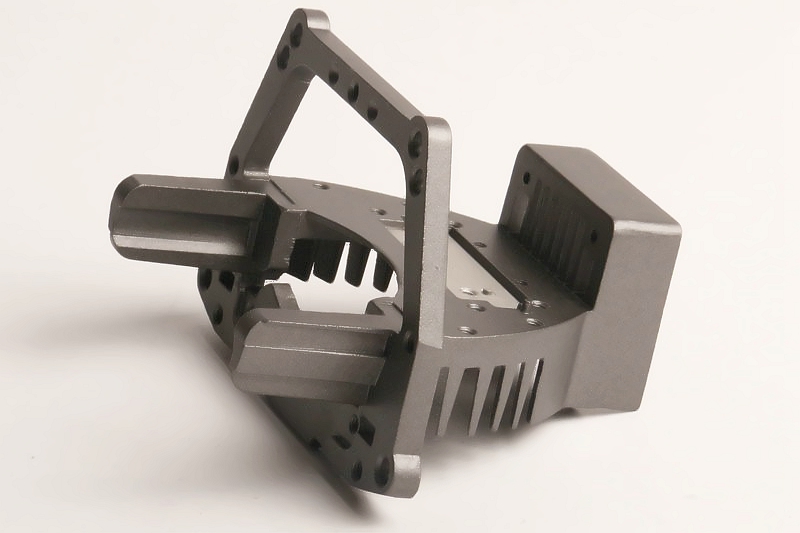
Cast aluminum sand casting affects performance by reducing part weight compared with iron, steel, or copper alloy. Aluminum may be useful for housings, covers, brackets, and equipment parts where weight matters and the load requirement allows the alloy selection.
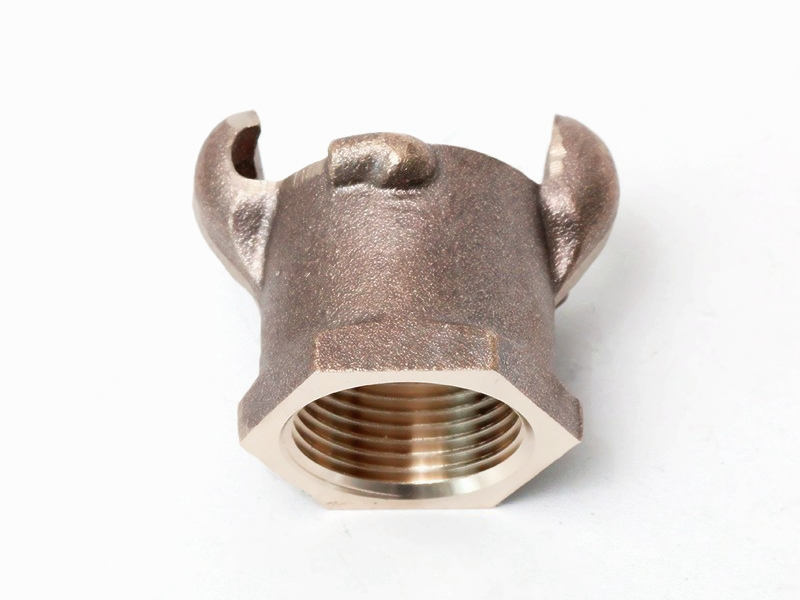
Copper alloy sand casting affects performance through thermal conductivity, electrical conductivity, corrosion behavior, and wear characteristics. Copper alloys may be used for bushings, pump parts, marine hardware, electrical components, or thermal parts when those properties justify the material cost and density.
Buyers should state weight target, conductivity requirement, thermal path, wear surface, corrosion environment, and mating material. This prevents choosing aluminum only for weight or copper alloy only for conductivity without checking the complete part requirement.
How Does Material Choice Affect Surface Finish and Coating Performance?
Material choice affects surface finish and coating performance because each alloy responds differently to blasting, machining, polishing, passivation, anodizing-related routes, plating, painting, and powder coating. A finish that works on stainless steel may not work the same way on aluminum, iron, or copper alloy.
Anodizing cast aluminum requires alloy and surface review because casting porosity and alloy chemistry affect the result. Stainless steel may use passivation or polishing. Carbon steel may need protective coating. Cast iron may use paint, coating, oiling, or machined surfaces depending on exposure.
The buyer should specify finish purpose: corrosion resistance, appearance, coating adhesion, cleanability, wear behavior, or electrical contact. This helps the supplier decide whether the selected material and finish route are compatible.
What Should Buyers Include in a Sand Casting Material Performance RFQ?
Buyers should include CAD data, 2D drawings, alloy grade or allowable alternatives, part size, wall thickness, load case, operating temperature, corrosion exposure, wear condition, machining surfaces, heat treatment, surface finish, inspection method, and annual volume. These inputs help the supplier evaluate both material performance and sand casting manufacturability.
If the part controls pressure, safety, fluid flow, or regulated equipment, the RFQ should also include acceptance criteria, NDT requirements, pressure or leak testing, certificates, and buyer approval steps. Material performance should be verified against the drawing and application, not assumed from a general alloy description.
The best sand casting material is the one that can be cast consistently, machined where needed, finished appropriately, and validated for the buyer's real service conditions.
Related FAQs
Which industries benefit most from the material versatility of sand casting?
What challenges arise when choosing different metals for sand casting?
How are advancements in alloy technology enhancing sand casting capabilities?
What defects occur in sand castings and how can foundries prevent them?
What is the type and composition of the sand in sand casting?